
Silicon Nitride Ceramic Parts for Demanding Applications
Silicon Nitride Components and Starting Geometries
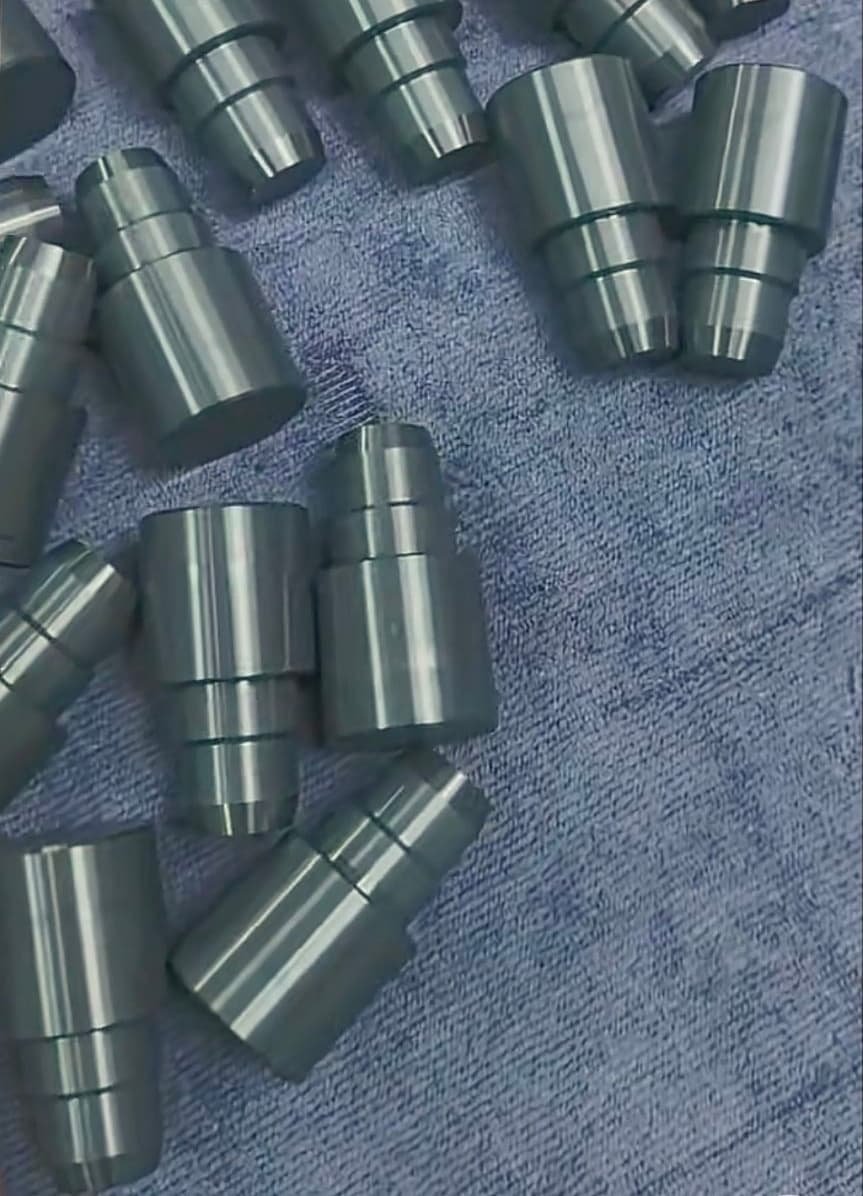
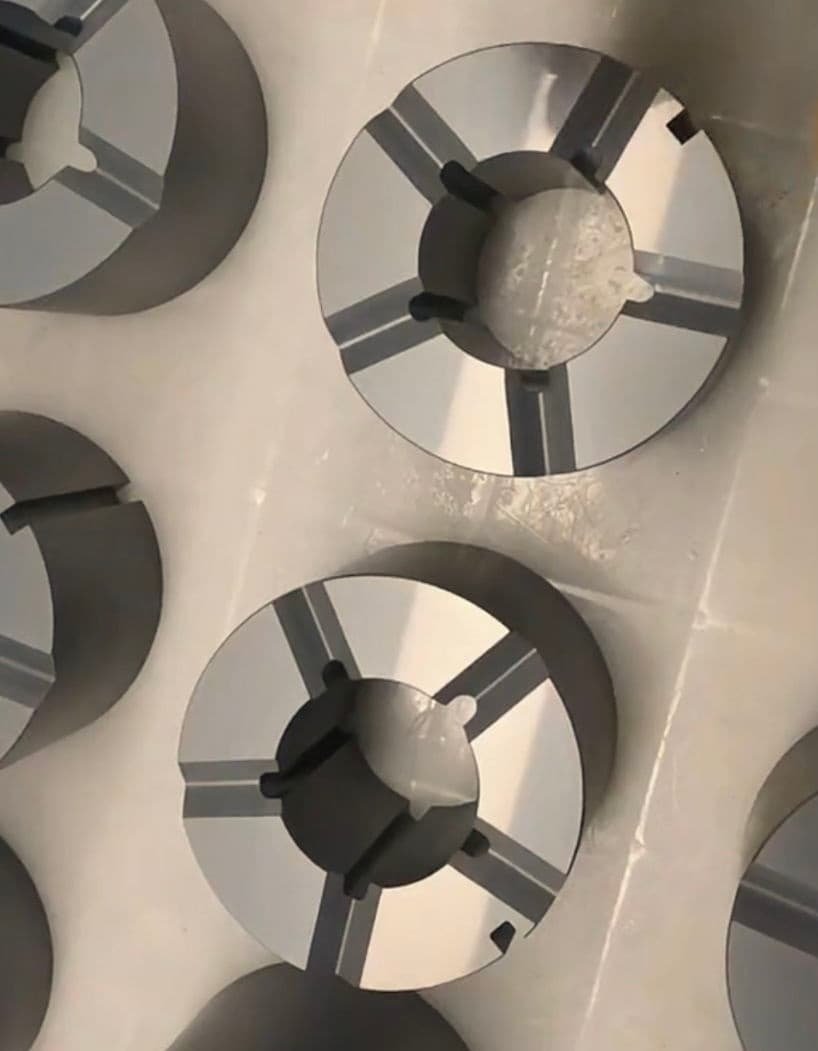
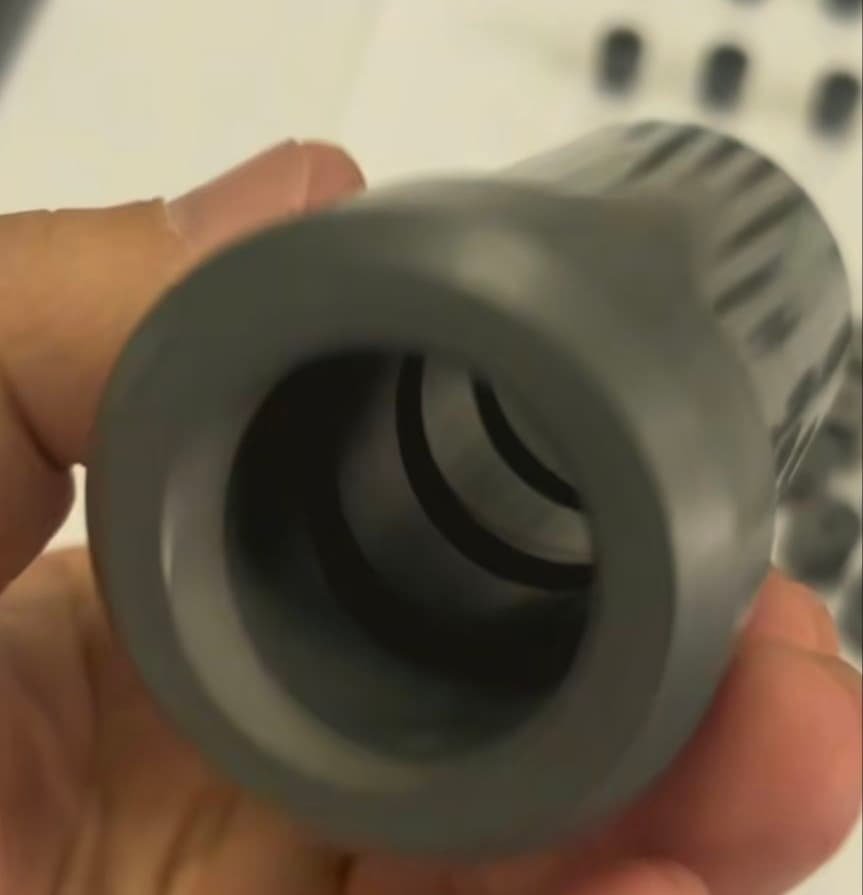
C-CERAMIC Ceramic Manufacturing Capabilities
C-CERAMIC exists to help industrial teams turn demanding ceramic part requirements into production-ready components. Our ceramic manufacturing capabilities bring material and design review, mold making, forming, high-temperature sintering, machining, finishing and inspection into one coordinated engineering workflow.
From silicon carbide, zirconia, alumina and silicon nitride components to project-specific technical ceramic selections, we support prototypes, low-volume runs and scalable production. Our platform includes ceramic injection molding, precision grinding, lapping, CNC ceramic machining and final dimensional inspection for parts built around real operating conditions.
What differentiates C-CERAMIC is continuity from the first drawing through contract manufacturing. Engineering, process selection and finishing are aligned around the same component requirements, helping OEM, R&D and procurement teams source pins, seals, plates, tubes, nozzles and other custom ceramic parts with a clear path to production.
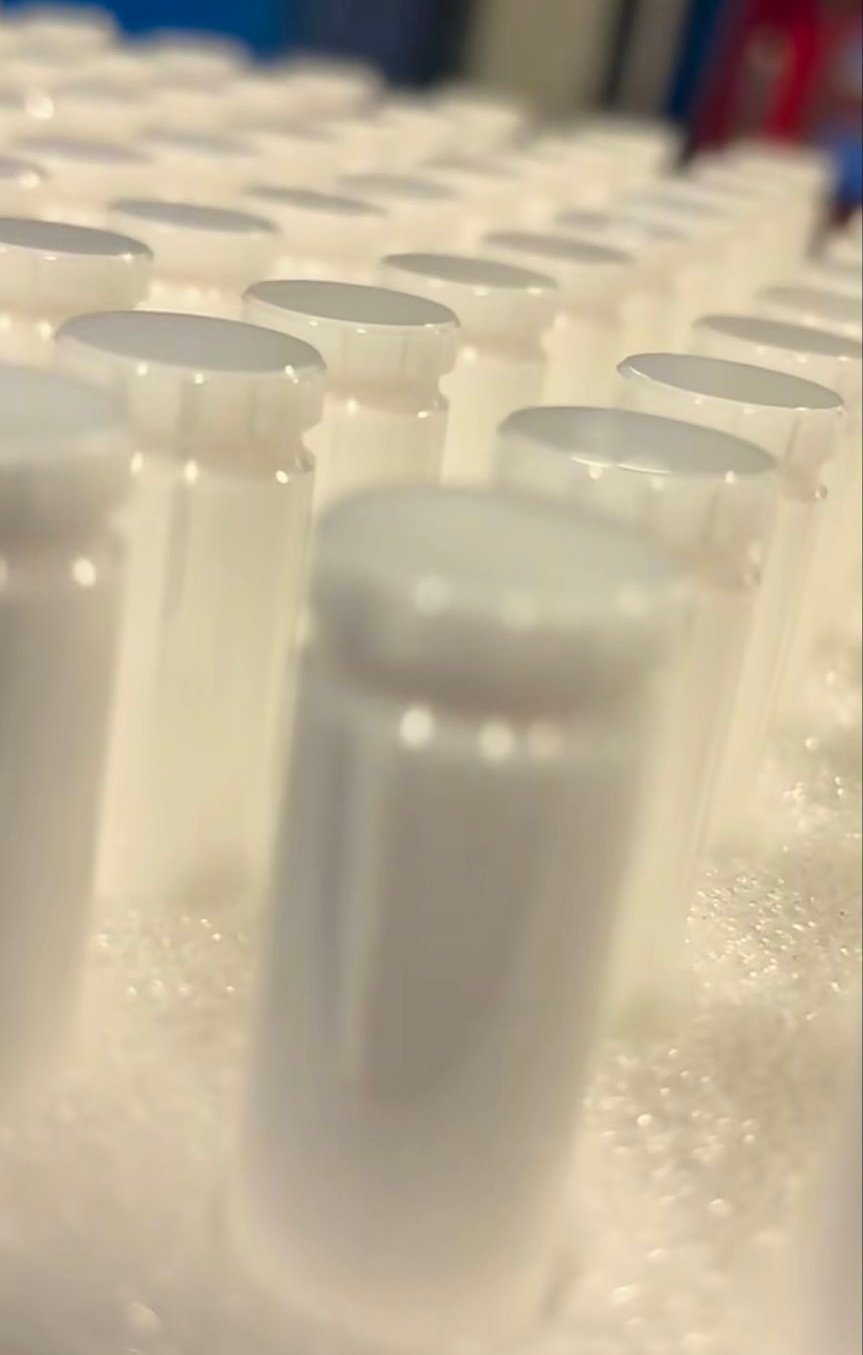
Silicon Nitride Components Matched to Real Duties
INDUSTRY Equipment
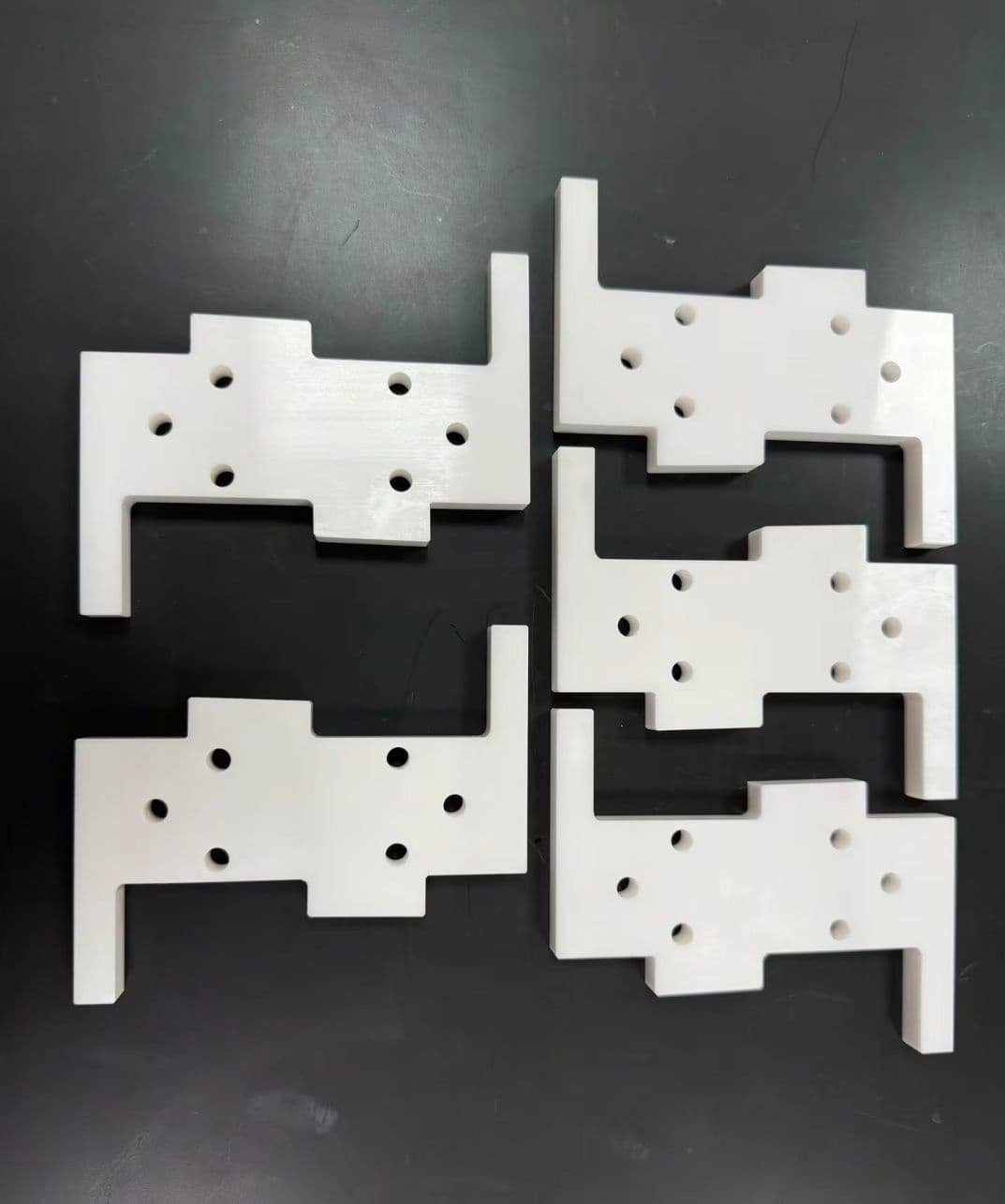
Silicon nitride components for handling, positioning, insulation or process equipment require review of contamination concerns, interfaces, dimensional stability, surface condition and the specific evidence requested by the equipment program.
- Silicon nitride options reviewed against equipment interfaces
- Critical geometry and surface requirements defined early
- Prototype validation before repeat supply decisions
Industrial Machinery
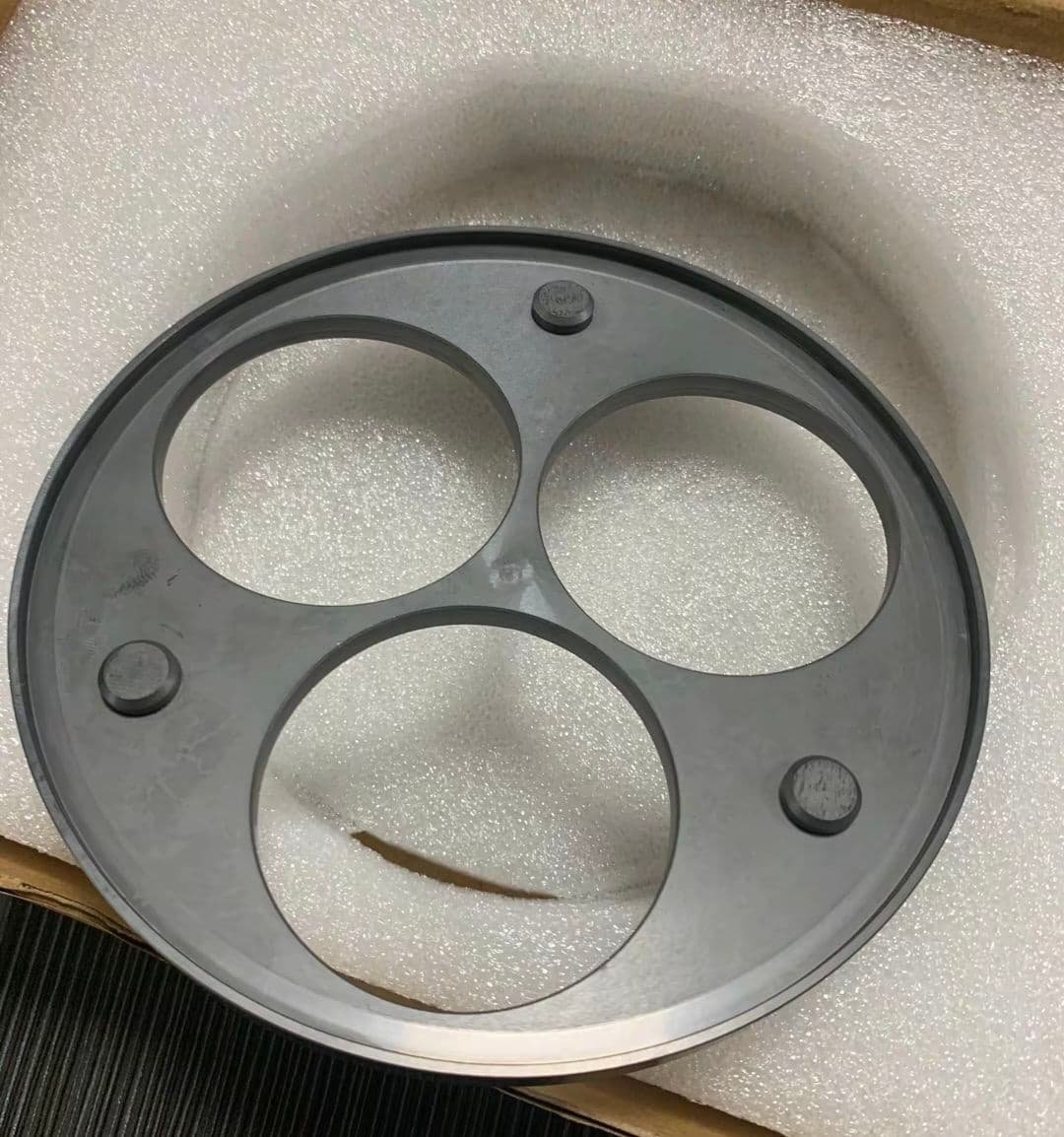
Silicon nitride pins, shafts, guides, sleeves, plates and wear components can be assessed for friction, abrasion, alignment, impact and stable motion. The quotation should identify loads, mating parts, lubrication, speed, duty cycle and critical interfaces.
- Wear interfaces reviewed before route selection
- CNC machining, grinding and lapping considered
- Inspection matched to assembly-critical features
Sourcing Silicon Nitride Ceramic Components: A Buyer’s Guide
Define the Component and Operating Duty
Begin with the component’s function rather than the material label. State whether the silicon nitride part is a pin, shaft, ring, seal, plate, tube, nozzle, crucible, piston or another drawing-based geometry. Describe loads, motion, contact pressure, temperature exposure, thermal cycling, atmosphere, fluid or chemical contact, wear, lubrication and expected duty cycle. Identify mating materials and explain which surfaces control fit, sealing, alignment or motion. For rotating or sliding parts, include speed, runout concerns and any debris sensitivity. For thermal parts, describe heating and cooling rates qualitatively, support conditions and assembly constraints. Separate design requirements from preferences so a supplier can judge which features are essential. Include annual demand, initial quantity, prototype intent and expected repeat pattern, but do not assume a production route from volume alone. A complete duty description helps C-CERAMIC assess whether silicon nitride is appropriate, whether another ceramic should be reviewed, and which forming, sintering, machining and inspection questions must be resolved before quotation.
Choose Material Conditions and Compatible Interfaces
Silicon nitride is not a single interchangeable condition for every component. Ask the supplier to review the proposed material against loading, wear, temperature, thermal cycling, chemical exposure, electrical environment and finishing requirements. If your specification names sintered, hot-pressed or another silicon nitride condition, state whether that designation is mandatory or a starting point for engineering review. Avoid selecting a material solely from a property table; the fired body, geometry, processing route and surface condition all influence part suitability. Document mating materials, contact stresses, joining or clamping method, clearances, seal arrangement and cleaning exposure. Ceramic-to-metal interfaces deserve particular attention because different materials may respond differently during temperature changes or assembly. Note whether surface finish, edge condition, porosity control or visual appearance affects function, and identify any areas where damage is unacceptable. C-CERAMIC can use these inputs to compare silicon nitride with other supported ceramic families when appropriate, while keeping the final recommendation conditional on drawing review, process feasibility and agreed acceptance criteria.
Review Geometry and Manufacturing Routes
Geometry should be reviewed together with the intended silicon nitride process. Complex small parts may justify an evaluation of ceramic injection molding, but tooling, draft, wall transitions, shrinkage, distortion, debinding and post-sinter access must be considered. Larger or simpler parts may be reviewed through another forming route, followed by high-temperature sintering and selected finishing operations. The drawing should show datum structure, minimum sections, holes, slots, threads, radii, chamfers, shoulders and any concealed features. Mark surfaces that require grinding, lapping or controlled finish, and explain why each requirement matters. Expect fired dimensions to differ from formed dimensions; the process plan must account for material change before final machining. CNC ceramic machining may be considered for accessible features, while precision grinding is often more relevant to critical faces, bores or interfaces. Do not specify tight tolerances without identifying the measurement method and functional reason. Ask for a route review covering tooling, prototype strategy, machining allowance, feature access, quantity and repeatability. This makes the quotation technically comparable and exposes geometry risks early.
Set Inspection and Acceptance Criteria
A useful silicon nitride quotation defines how the finished component will be accepted. Identify datums, critical dimensions, flatness, parallelism, concentricity, runout, hole characteristics, edge conditions and surface requirements that affect assembly or performance. State which characteristics require recorded results and which can be checked through normal final inspection. If appearance matters, describe relevant defects in practical terms instead of relying on an undefined visual standard. Ask how fired dimensions, ground surfaces and machined features will be measured, and whether the proposed method can reach the required feature without damaging the part. Include any material identification, lot traceability or process records required by your internal quality system, without assuming a certification is available. For wear, sealing or thermal applications, link inspection points to the failure mode being controlled. Review packing and handling expectations because ceramic edges and finished surfaces may be vulnerable during transport or assembly. C-CERAMIC can align dimensional and final quality inspection with the released drawing, but the report scope should be agreed before production. Clear acceptance criteria reduce disputes and prevent a general inspection from overlooking the features that matter most.
Compare Prototype and Production Quotations
Prototype and production quotations should be compared on scope, not only unit price. Confirm whether each offer includes material review, tooling, forming, sintering, machining, grinding, lapping, inspection, packing and any requested documentation. Separate one-time tooling or setup items from recurring part costs, and ask which assumptions could change after drawing review. For silicon nitride, compare the proposed material condition, forming method, expected finishing route and inspection plan. A prototype route may use different tooling or machining decisions from repeat production, so ask how lessons will transfer to the intended supply route. Check whether quoted quantities represent one evaluation batch, a low-volume order or a repeat-production forecast. Clarify what happens if a critical feature proves difficult after firing, and whether design feedback is included before production release. Delivery timing and minimum quantities should be confirmed rather than inferred, because they depend on geometry, material, tooling and workload. A technically complete comparison lets procurement evaluate total project exposure: development cost, qualification effort, recurring price basis, documentation, risk ownership and the conditions under which the quotation remains valid.
Prepare a Complete RFQ and Qualification Plan
A silicon nitride RFQ should give suppliers enough information to identify feasibility questions before pricing. Include the latest drawing revision, 3D model where useful, material preference, component function, duty cycle, operating environment, mating parts, annual demand, initial quantity, prototype requirements and target production timing. Mark critical-to-function features and provide the intended inspection evidence for each. Ask the supplier to state the proposed forming, sintering, machining and finishing route, along with assumptions about shrinkage, tooling, allowances and measurement access. Request separate identification of open risks, alternatives and information still needed. If qualification includes fit, thermal cycling, wear, sealing or another functional test, describe the test objective and acceptance decision without inventing unsupported limits. Confirm packaging, labeling, lot separation and document expectations. C-CERAMIC can review the complete project as an integrated material and manufacturing inquiry, but feasibility, quantities, lead times and any quality documentation remain subject to project confirmation. A staged plan—drawing review, prototype or low-volume validation, acceptance review and production release—helps engineering and procurement make decisions using the same evidence.