
Custom Ceramic Rods and Pins for Demanding Assemblies
Ceramic Rods and Pins
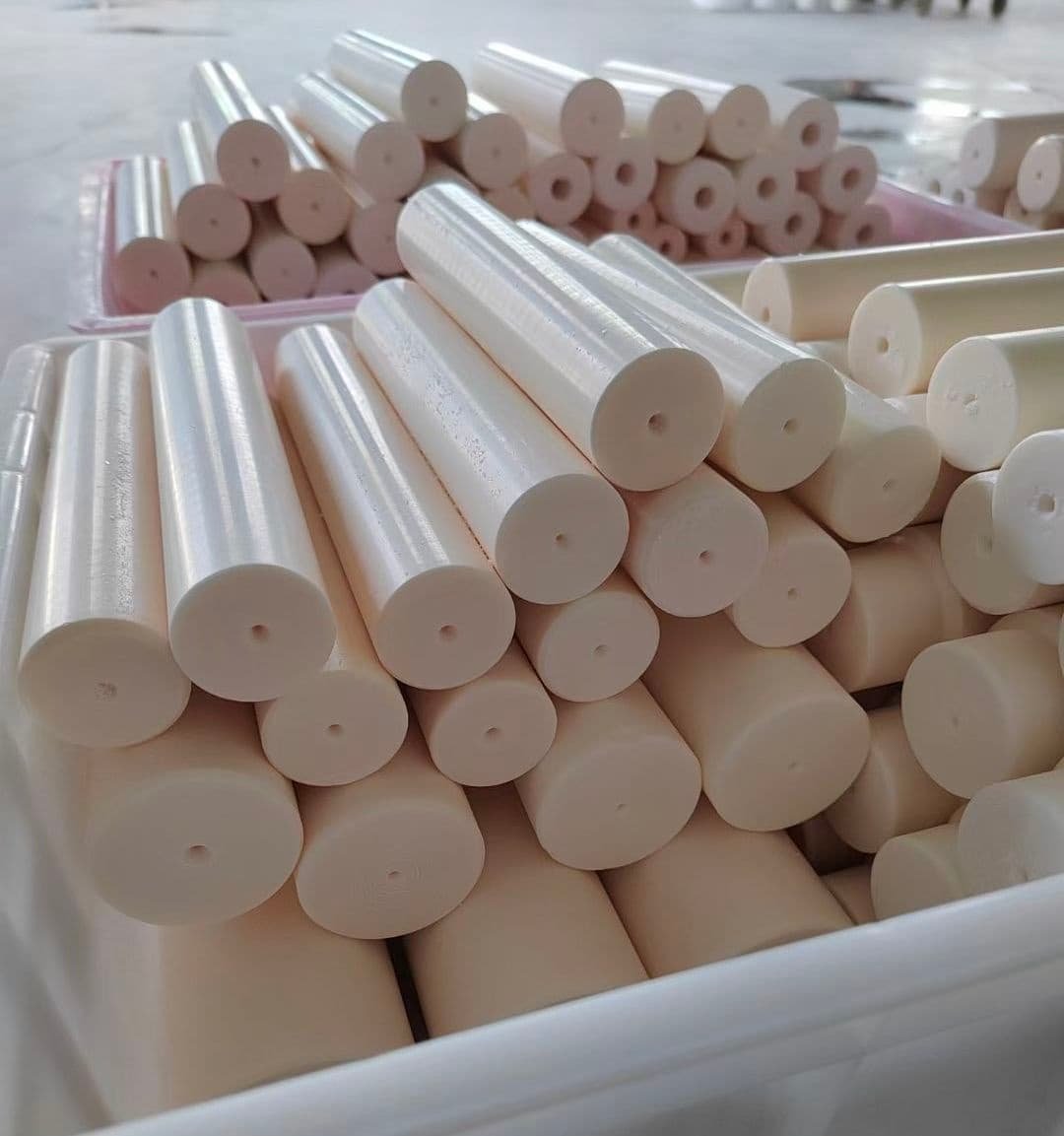
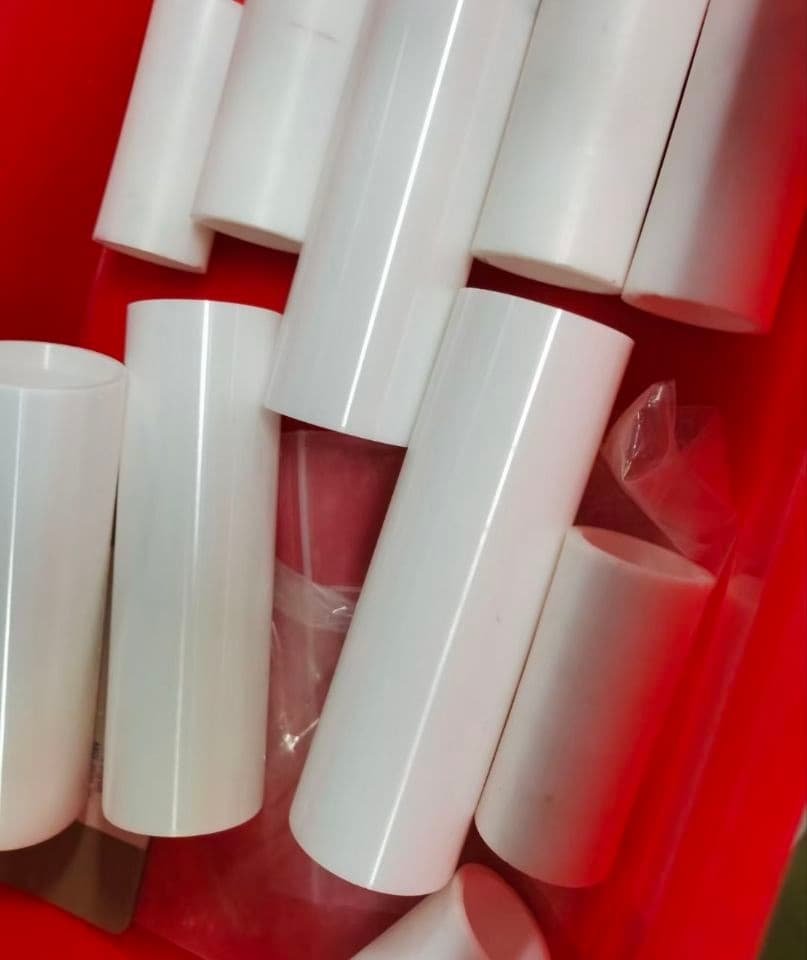
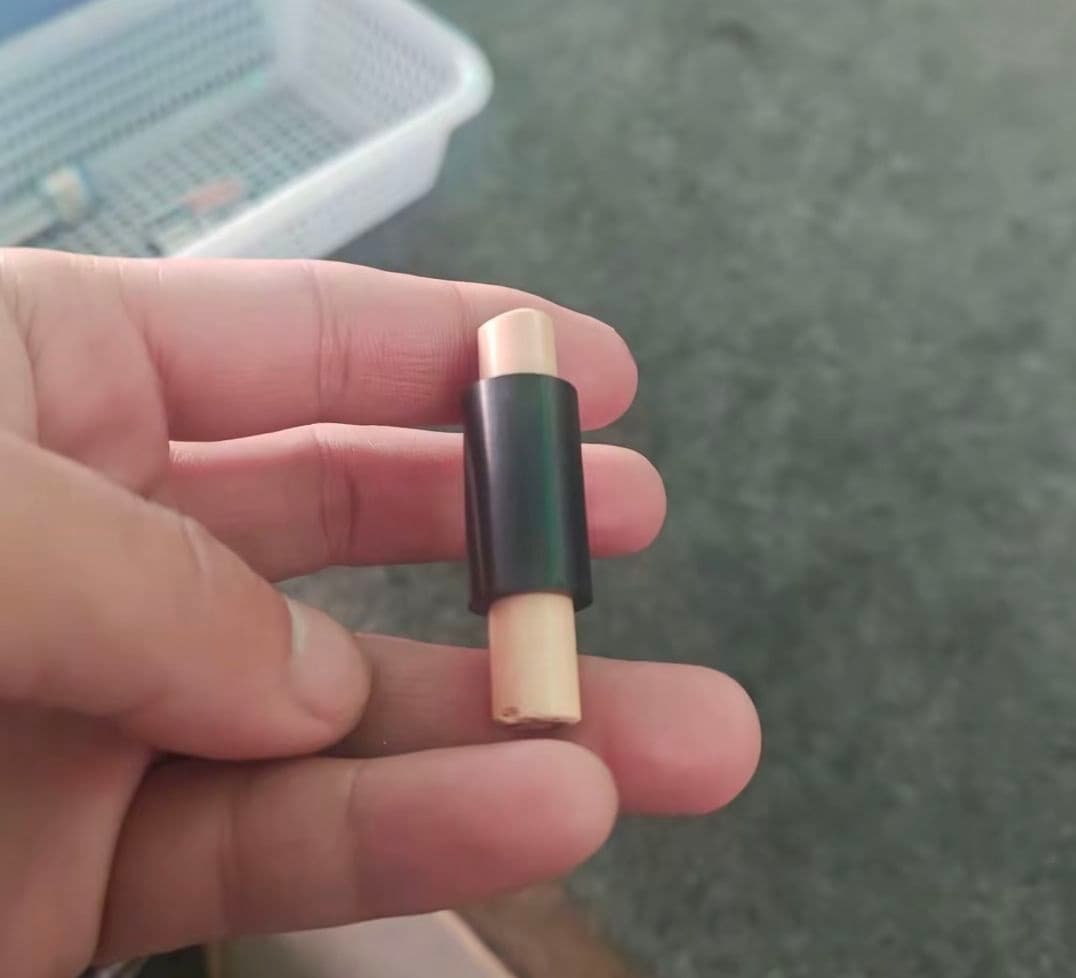
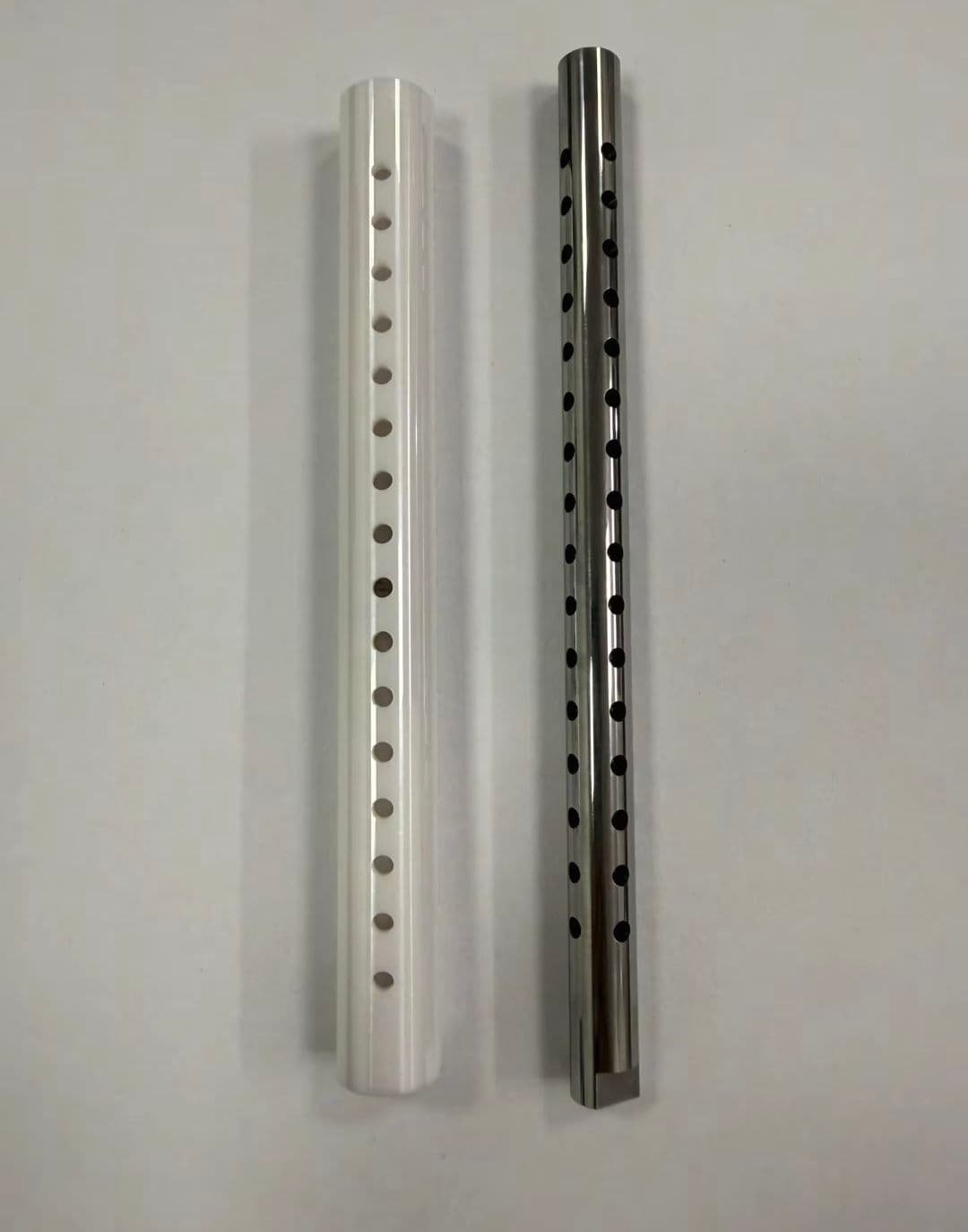
Ceramic Rod and Pin Forms for Assemblies
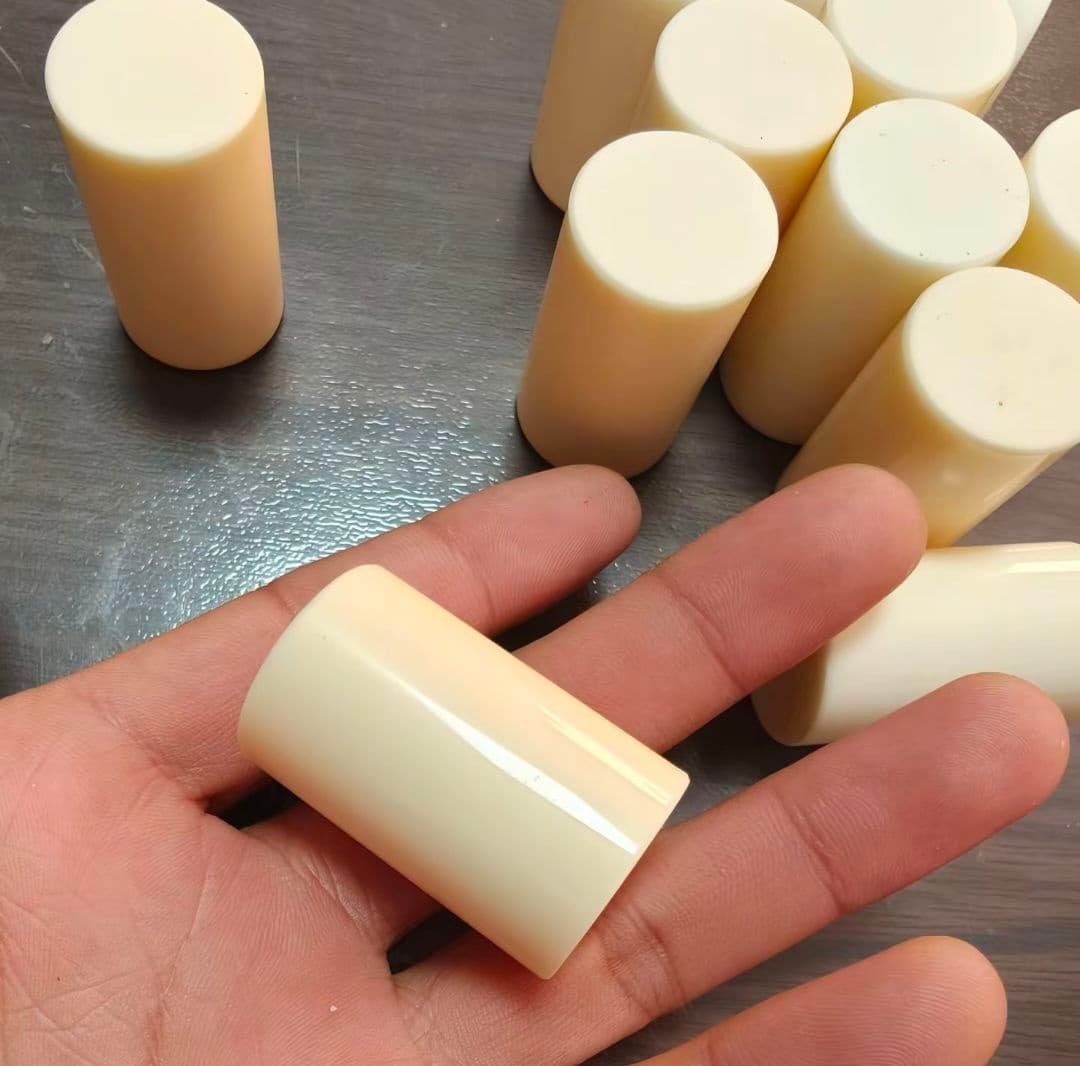
Straight and Stepped Rods
Straight and stepped rods can be reviewed for guides, spacers, shafts and wear elements with drawing-defined diameters, shoulders, ends and functional surfaces.
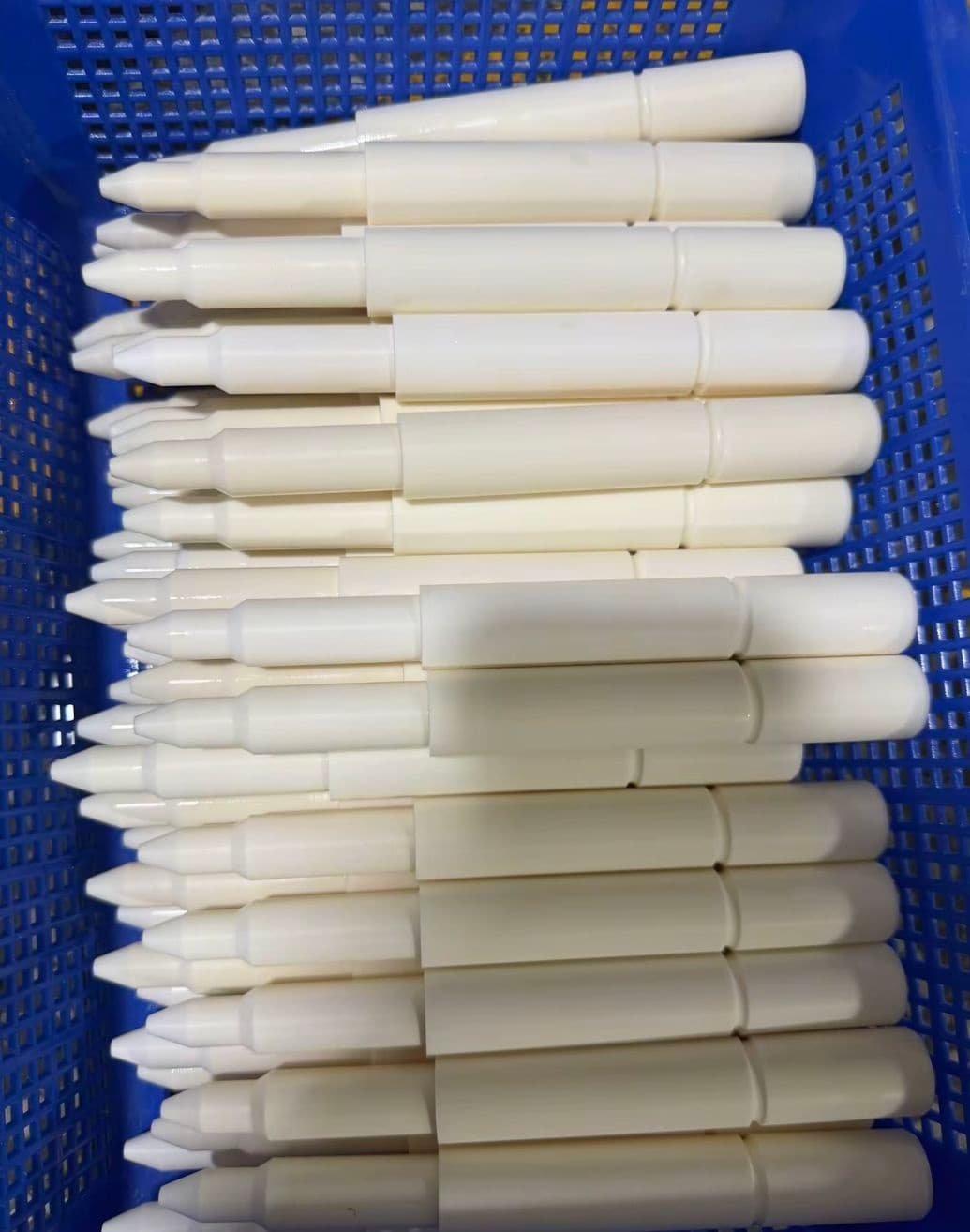
Locating and Alignment Pins
Locating and alignment pins can be developed around insertion behavior, clearance, datum strategy, edge condition and repeatable assembly positioning.
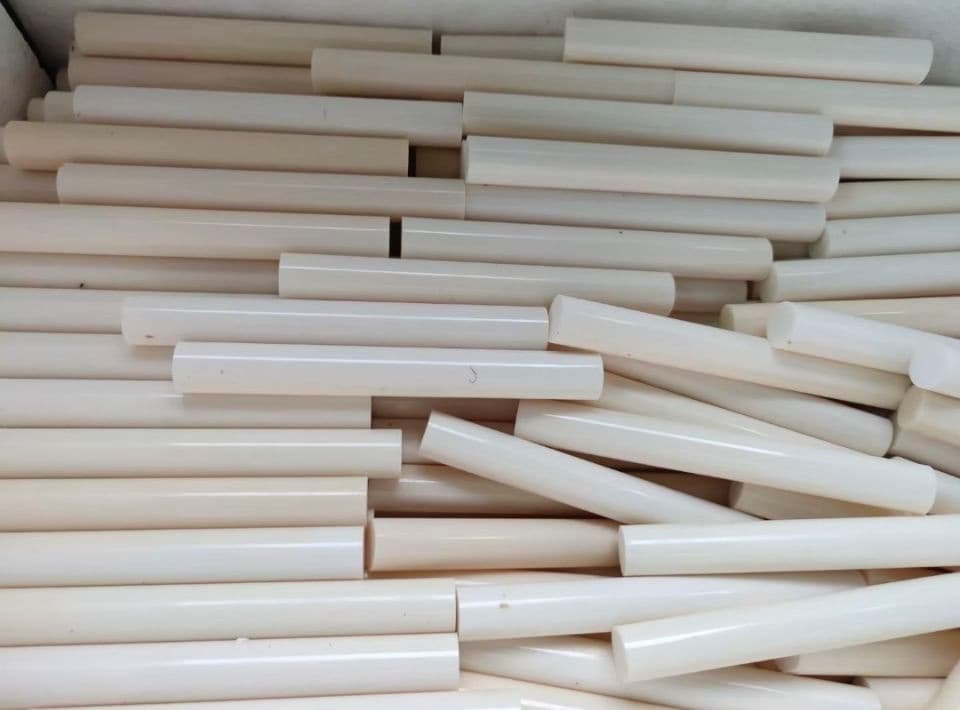
Shouldered and Grooved Pins
Shouldered or grooved pins can be reviewed for retention, positioning and contact control, with stress concentrations and finishing access considered early.
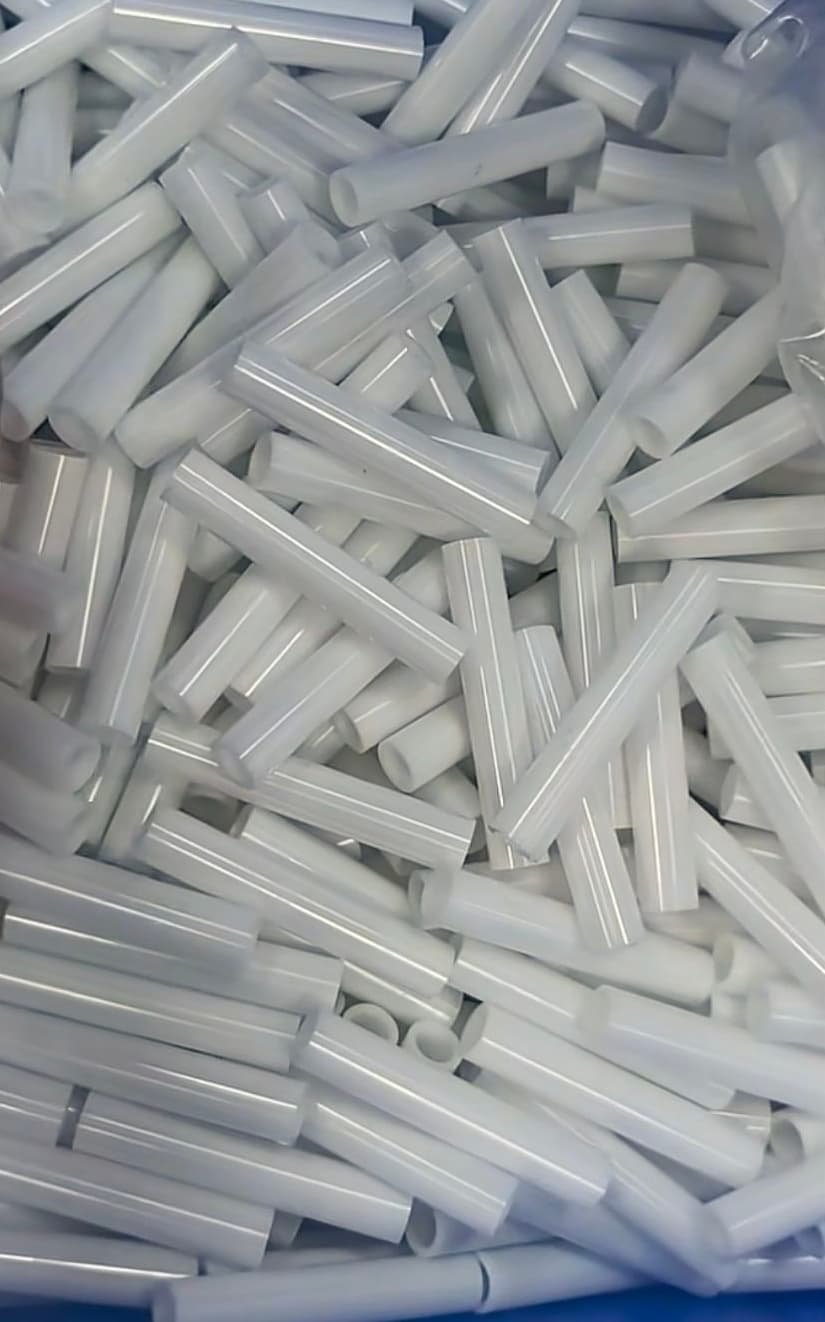
Ceramic Guide Pins and Needles
Guide pins and needle-like forms can be assessed for slenderness, straightness, tip geometry, handling risk and the surface condition required during service.
Ceramic Rods and Pins Across Industrial Applications
Precision Machinery
Ceramic rods and pins can support guiding, alignment, wear control and motion where friction, abrasion, stiffness, fit and dimensional repeatability shape the design.
- Review contact loads and wear interfaces early
- Consider machining, grinding and lapping requirements
- Match inspection to assembly-critical dimensions
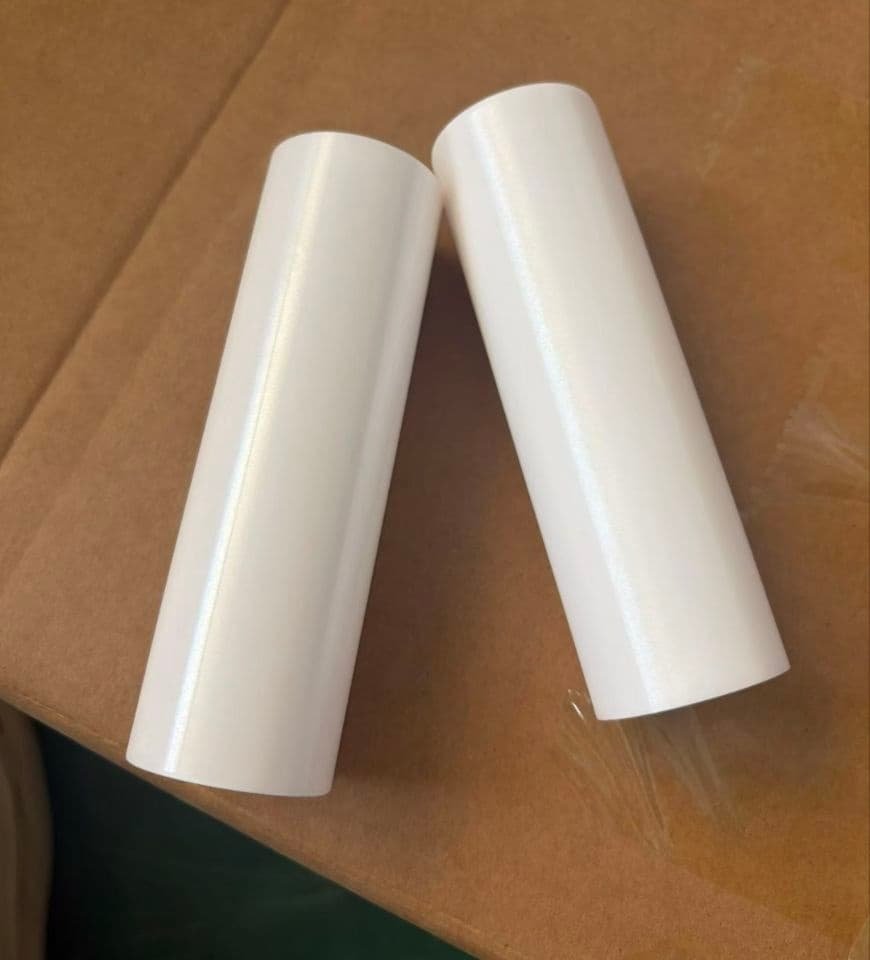
Energy and Thermal Equipment
For thermal or mechanically demanding equipment, ceramic rods and pins should be reviewed around temperature changes, support conditions, stress concentration and functional surface requirements.
- Provide temperature range and cycling conditions
- Compare silicon nitride and silicon carbide options
- Define finishing for the working interfaces
How to Source Custom Ceramic Rods and Pins
Define the Rod or Pin and Its Operating Duty
Start with the function, not only the nominal diameter and length. State whether the ceramic rod or pin locates, guides, supports, separates, insulates, slides, rotates, meters or contacts a process medium. Identify the mating materials, contact pressure, insertion frequency, loading direction, retention method and consequences of breakage or wear. Record operating temperature, thermal cycling, chemical exposure, humidity, particles, vacuum or fluid contact where relevant. A stepped pin, slender guide or grooved shaft can carry different manufacturing risks even when their overall size is similar. Mark assembly-critical features on the drawing and identify which surfaces must remain free from chips, scratches or damaging edge defects. For every application, distinguish known requirements from preferences still open to review. This gives the supplier a useful basis for material comparison and process selection. It also prevents a quotation from being based on an incomplete generic pin concept that later requires redesign, extra finishing or new inspection assumptions.
Choose Materials and Compatible Interfaces
Compare silicon carbide, zirconia, alumina and silicon nitride against the actual duty of the rod or pin. Consider wear mechanism, contact stress, toughness needs, temperature changes, chemical media, electrical function, thermal behavior and the consequences of a damaged interface. Do not select a material from hardness alone: a very hard ceramic may create a mismatch with the mating component, while a different ceramic may offer a more suitable balance of wear resistance, toughness and finishability. Check compatibility with lubricants, cleaning agents, process fluids and any joining, clamping or adhesive method used in the assembly. Review coefficient differences and thermal expansion where the pin is retained in metal or another ceramic, especially across temperature changes. Material names may conceal grade, purity, additives and process differences, so request the material designation and the applicable project evidence before approval. If the final grade is not known, provide the service conditions and preferred priorities. C-CERAMIC can then review feasible material and finishing options rather than treating a broad ceramic family as a complete specification.
Review Geometry and Manufacturing Routes
Ceramic rods and pins are sensitive to geometry because sintering, handling and finishing interact with slenderness, section changes and edge features. Review the diameter-to-length relationship, straightness requirement, stepped transitions, shoulders, chamfers, grooves, holes, tips and any cross-drilled or threaded feature. Avoid sharp internal corners where the function does not require them, and identify surfaces that must remain continuous after finishing. For repeat quantities, ceramic forming or ceramic injection molding may be considered, subject to mold design, shrinkage, ejection and distortion review. For prototypes, low volumes or flexible design development, machining from suitable ceramic stock may be more practical. Fully sintered machining, precision grinding and lapping can be assessed for critical diameters and contact surfaces, but access and material removal should be discussed before release. Ask the supplier to show the proposed datum strategy, machining allowances, support method and inspection access. Compare route assumptions at the same quantity and geometry. A low unit estimate that excludes tooling, finishing, inspection or setup may not represent the real project cost.
Set Inspection and Acceptance Criteria
Define acceptance around the features that make the ceramic rod or pin work in your assembly. Depending on the design, this may include diameter, length, step location, straightness, roundness, concentricity, runout, chamfer, groove position, tip form, surface condition and edge integrity. Establish datums and tolerances that reflect how the part is actually located and measured. If a rod slides, identify the mating clearance and the surfaces that control motion. If a pin aligns components, define the datum relationship and insertion condition. If a ceramic element is retained in metal, include the interface dimensions and thermal assumptions. Discuss visual inspection separately from dimensional inspection; neither alone proves all functional characteristics. Request agreement on sampling, report content, identification, packaging and handling controls for brittle finished parts. Where material or process evidence matters, state what documentation is required without assuming a certification or test that has not been agreed. The inspection plan should be practical for the selected route and should be settled before production, not after a dimensional dispute or an unexpected edge condition is found.
Compare Prototype and Production Quotations
A useful quotation separates one-time development from repeat-part cost. For ceramic rods and pins, ask whether the price includes material review, tooling, mold trials, forming, sintering, machining, grinding, lapping, inspection, packaging and any documented qualification work. Compare prototype and production routes at the same geometry, because a prototype may be machined while a repeat route may use forming and different allowances. Confirm the assumed material family and grade status, drawing revision, quantity basis, annual forecast, lot size and acceptable substitutions. Ask which dimensions are included in routine inspection and which require special measurement or a separate report. Review tooling ownership, revision responsibility, sample approval, change control, scrap assumptions and packaging for slender or pointed components. Do not treat a lower initial price as better value if it leaves shrinkage risk, finishing scope or inspection evidence undefined. Also keep commercial expectations separate from technical feasibility: minimum order quantity, lead time and capacity should be confirmed for the specific material, geometry and route rather than inferred from a general product page.
Prepare a Complete RFQ and Qualification Plan
An effective RFQ should let the supplier understand both the component and the decision you need to make. Include the latest drawing revision, model if available, quantity for prototypes and production, forecast or batch information, target material, mating parts, operating environment, critical dimensions, surface requirements, packaging needs and requested documentation. Identify open questions such as material selection, forming route, achievable straightness or the need for post-sinter grinding. Ask for a manufacturing review that explains the proposed route, key risks, assumptions and any drawing changes recommended before tooling or production. Define how prototypes will be evaluated: assembly fit, insertion force, alignment, wear observation, thermal exposure, chemical contact or another application-specific check. Separate design validation from production qualification, because a machined prototype may not represent a molded and sintered production part. Agree sample quantities, inspection records, acceptance criteria, nonconformance handling and revision control before release. This structure gives procurement a comparable quotation and gives engineering a traceable path from ceramic rod or pin concept to an approved repeat-supply process.