
Engineered Ceramic Substrates and Sheets for Demanding Assemblies
Ceramic Substrates and Sheets
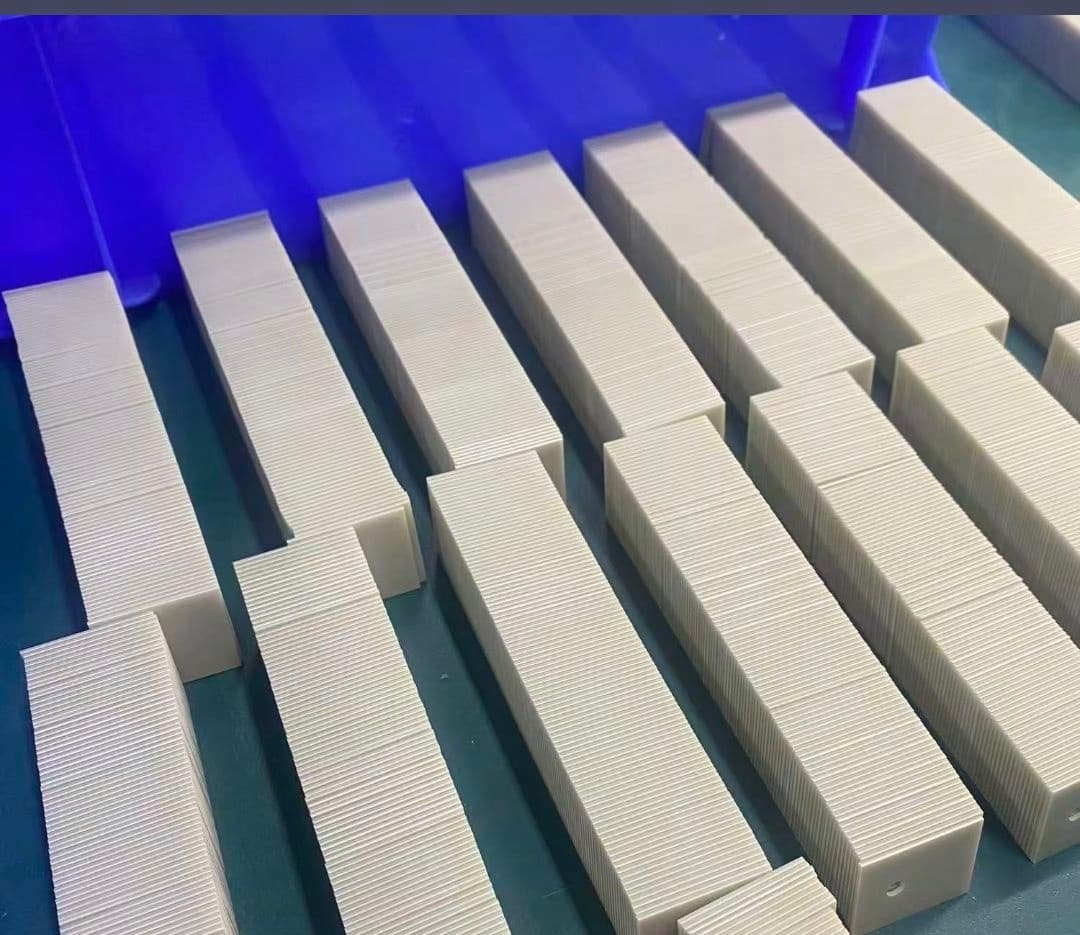
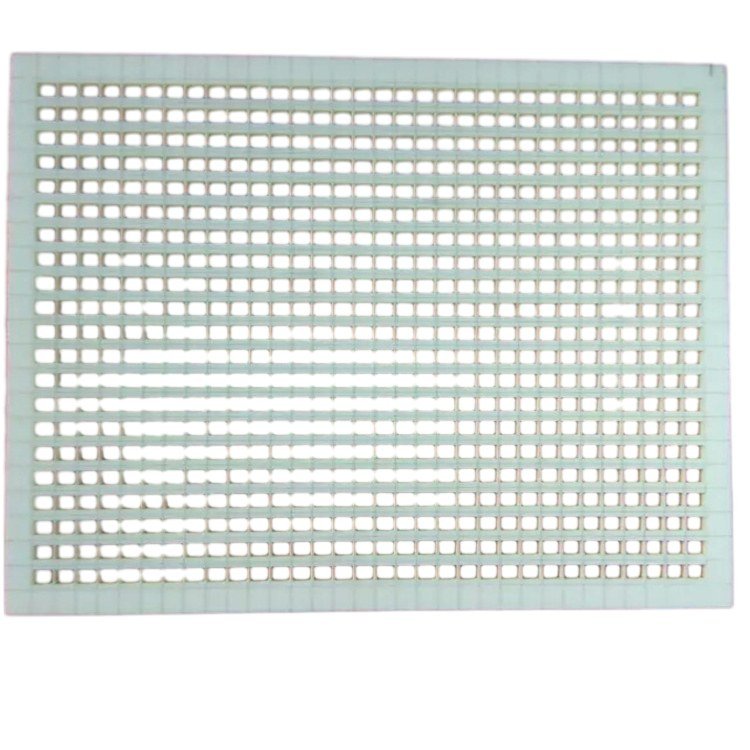
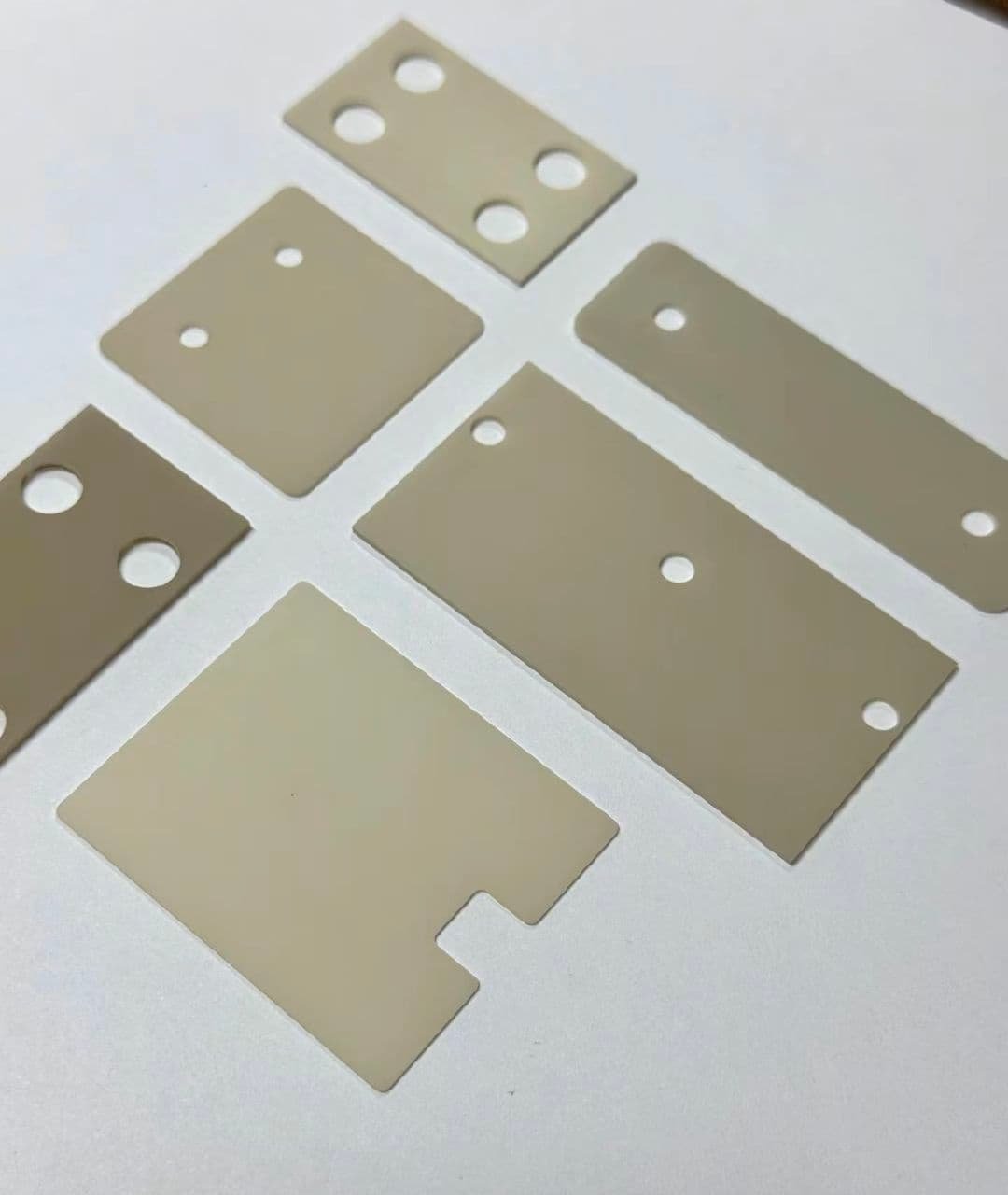
Ceramic Substrates for the Working Environment
Industrial Machinery
Ceramic sheets and plates for machinery can support insulation, separation, wear control or precise positioning when mounting loads, vibration and contact conditions are understood.
- Mounting and contact loads reviewed
- Grinding, lapping and machining considered
- Inspection focused on assembly-critical features
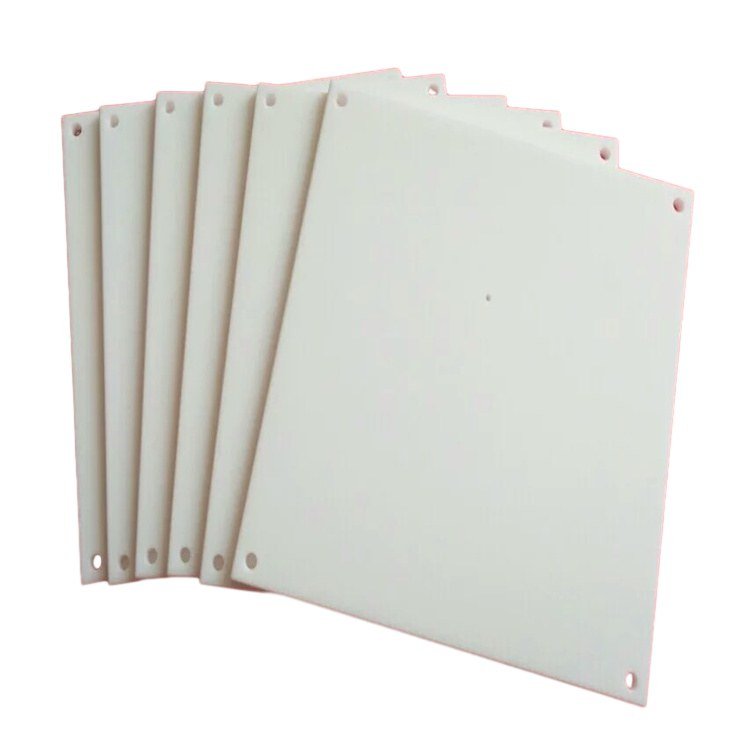
Energy and Thermal Systems
Substrates for energy and thermal systems should be assessed against cycling, heat transfer needs, insulation, mechanical support and the complete operating sequence.
- Duty cycle and thermal exposure defined
- Silicon carbide, alumina and silicon nitride reviewed
- Surface and interface finishing matched to function
A Practical Guide to Sourcing Ceramic Substrates and Sheets
Define the Sheet and Operating Duty
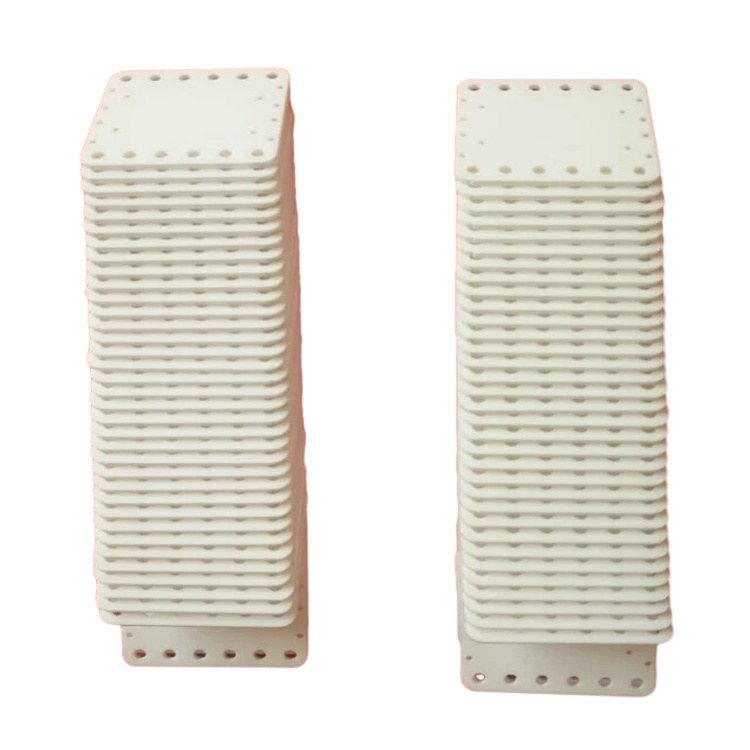
Begin with the substrate’s job inside the assembly rather than with a preferred ceramic name. Identify whether the sheet supports, insulates, separates, positions, spreads heat, shields a process area or provides a wear surface. Record operating temperature and cycling, contact media, cleaning exposure, mounting loads, vibration, pressure, electrical environment and any adjacent materials. State whether the sheet is clamped, bonded, brazed, fastened, freely supported or repeatedly removed, because these conditions affect edge design and stress concentration. The drawing should show overall length and width, thickness, datum scheme, holes, slots, recesses, corner radii, edge chamfers and keep-out zones. Call out the faces that contact other parts and the surfaces that must remain flat or clean. Also separate functional requirements from preferences: a critical hole location or interface flatness may need stronger process planning than a nonfunctional outside edge. If the duty cycle is still evolving, provide a realistic range and identify the most severe case. This allows C-CERAMIC to review material, forming, finishing and inspection feasibility without treating an illustrative product image as a finished specification.
Choose Materials and Compatible Interfaces
Material selection for ceramic substrates should connect the working environment with the assembly interface. Alumina may be reviewed for insulating plates and support sheets; silicon carbide may be considered where thermal, wear or chemical demands dominate; zirconia may suit designs where toughness or contact behavior is important; silicon nitride may warrant review for demanding mechanical and thermal conditions. These are starting points, not automatic recommendations. Compare each candidate against thickness, edge sensitivity, thermal cycling, dielectric needs, chemical exposure, surface finish and the way the sheet is mounted. Also identify incompatible assumptions early. A ceramic substrate may need clearance for thermal movement, controlled contact pressure, a suitable bonding method or a transition layer between dissimilar materials. Avoid specifying a grade solely by a generic purity label if the real requirement concerns flatness, insulation, heat transfer or surface condition. If the substrate will be drilled, lapped, coated, joined or cleaned after delivery, include those steps in the material review. Ask the supplier to state what is confirmed, what remains conditional and which material or interface tests are needed. This creates a defensible selection record for engineering and procurement.
Review Geometry and Manufacturing Routes
Ceramic sheet geometry should be reviewed with forming, sintering and finishing in one sequence. Simple rectangular plates may be evaluated through a forming route suited to the material and quantity, while repeated parts with detailed openings or integrated features may justify mold development or ceramic injection molding. The decision depends on dimensions, thickness, wall transitions, forecast quantity and the amount of post-sinter work required. Account for shrinkage and possible distortion before fixing final dimensions. Large unsupported areas, sharp internal corners, narrow ligaments, close hole spacing and small edge distances can increase cracking or chipping risk. Identify which features can be formed and which should be machined after sintering. Grinding or lapping may be appropriate for functional faces, but it can change edge conditions and requires access, allowance and a clear datum strategy. CNC machining can be reviewed for holes, slots, recesses and mounting details, subject to material and geometry. Compare prototype and production routes separately: a low-volume route may avoid tooling but have different economics or repeatability from a scaled route. Request a manufacturability review that explains the proposed sequence and its key risks.
Set Inspection and Acceptance Criteria
A ceramic substrate quotation is incomplete if acceptance criteria are left as “standard quality.” Define the characteristics that affect assembly and service: overall dimensions, thickness, flatness, parallelism where relevant, hole size and position, slot geometry, edge chamfers, corner condition, surface finish, visible defects and cleanliness. Use drawing datums and specify how the part will be supported during measurement, because a thin sheet can show different results when free, clamped or vacuum-supported. Distinguish cosmetic limits from functional limits. A small edge blemish may be acceptable away from an interface but unacceptable near a fastener hole or bonded area. Ask how inspection will address warpage, cracks, chips, inclusions and surface damage, and whether the proposed method can reach every critical feature. If a report is required, identify the dimensions, sampling basis and traceability expectations before production. Do not request numerical limits that have not been validated by the assembly; instead, link each tolerance to fit, sealing, positioning, insulation or process performance. C-CERAMIC can review dimensional and final quality inspection, while the buyer should approve the acceptance plan as part of the drawing and purchase documentation.
Compare Prototype and Production Quotations
Compare ceramic substrate quotations by total technical route, not only by piece price. A prototype quote may use different forming, machining or finishing assumptions from a repeat-production quote, so ask suppliers to separate tooling, setup, sample work, inspection and recurring part cost. Confirm whether the quoted geometry is as drawn or subject to changes in thickness, edge treatment, hole access or machining allowance. Review material identification, sintering assumptions, finishing operations, packaging and the scope of dimensional evidence. For each supplier, ask what is confirmed, what is conditional on a design review and what information is still needed to finalize the quotation. Quantity breaks, minimum order expectations and lead-time estimates should be confirmed for the actual material and geometry rather than inferred from a catalog item. If the substrate has critical flatness or surface requirements, determine whether these are included in the base route or treated as optional operations. Compare the risk of standard sheet conversion against an engineered route: standard forms may simplify procurement, while drawing-led production may better address openings, interfaces and inspection needs. A useful commercial comparison makes these tradeoffs visible before approval.
Prepare a Complete RFQ and Qualification Plan
A strong RFQ gives the supplier enough information to assess both feasibility and commercial scope. Attach the latest drawing or model, revision level, material preference, annual or batch quantity, prototype requirement, expected repeat pattern and intended application. Mark critical dimensions, datums, functional surfaces, mounting points, holes, slots, edge restrictions and inspection characteristics. Describe temperature, cycling, media exposure, loading, electrical isolation needs, cleaning, bonding or joining, and any downstream processing. State whether the supplier should propose alternatives or quote only the specified material. Request a manufacturing-route summary covering forming, sintering, machining, grinding, lapping and inspection, with conditional points clearly identified. Ask for sample approval criteria and explain how prototype results will support production qualification. The purchase package should later include the approved drawing, material designation, acceptance plan, packaging requirements, change-control expectations and documentation scope. Avoid asking for certifications or compliance statements that are not relevant or evidenced. For applications with elevated risk, define a staged review: document assessment, sample inspection, assembly trial and repeat-order release. This helps procurement compare technically equivalent offers while giving engineering a clear basis for qualification decisions.