
Custom Ceramic Rings and Washers for Engineered Assemblies
Ceramic Rings and Washers FOR YOUR INDUSTRY Applications
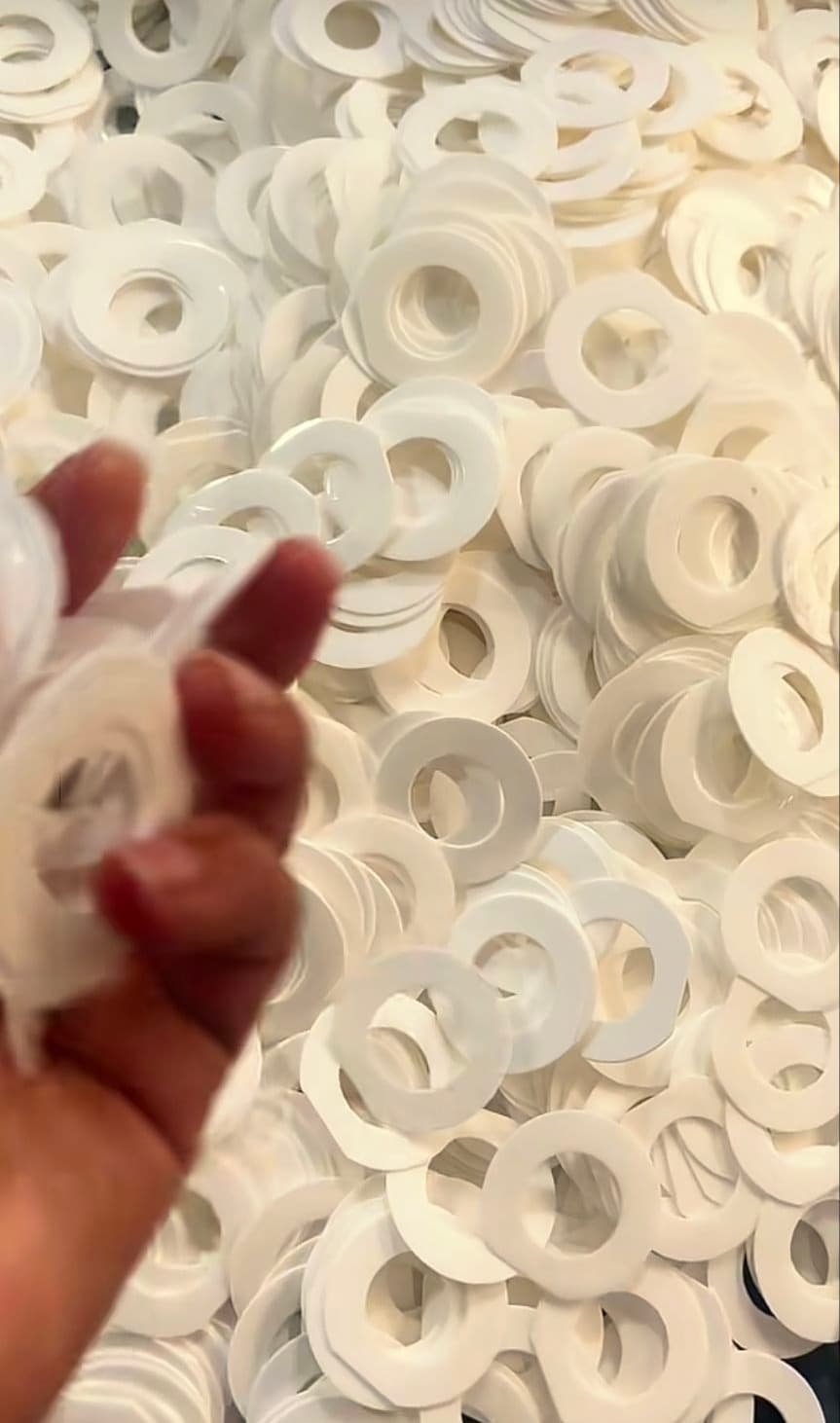
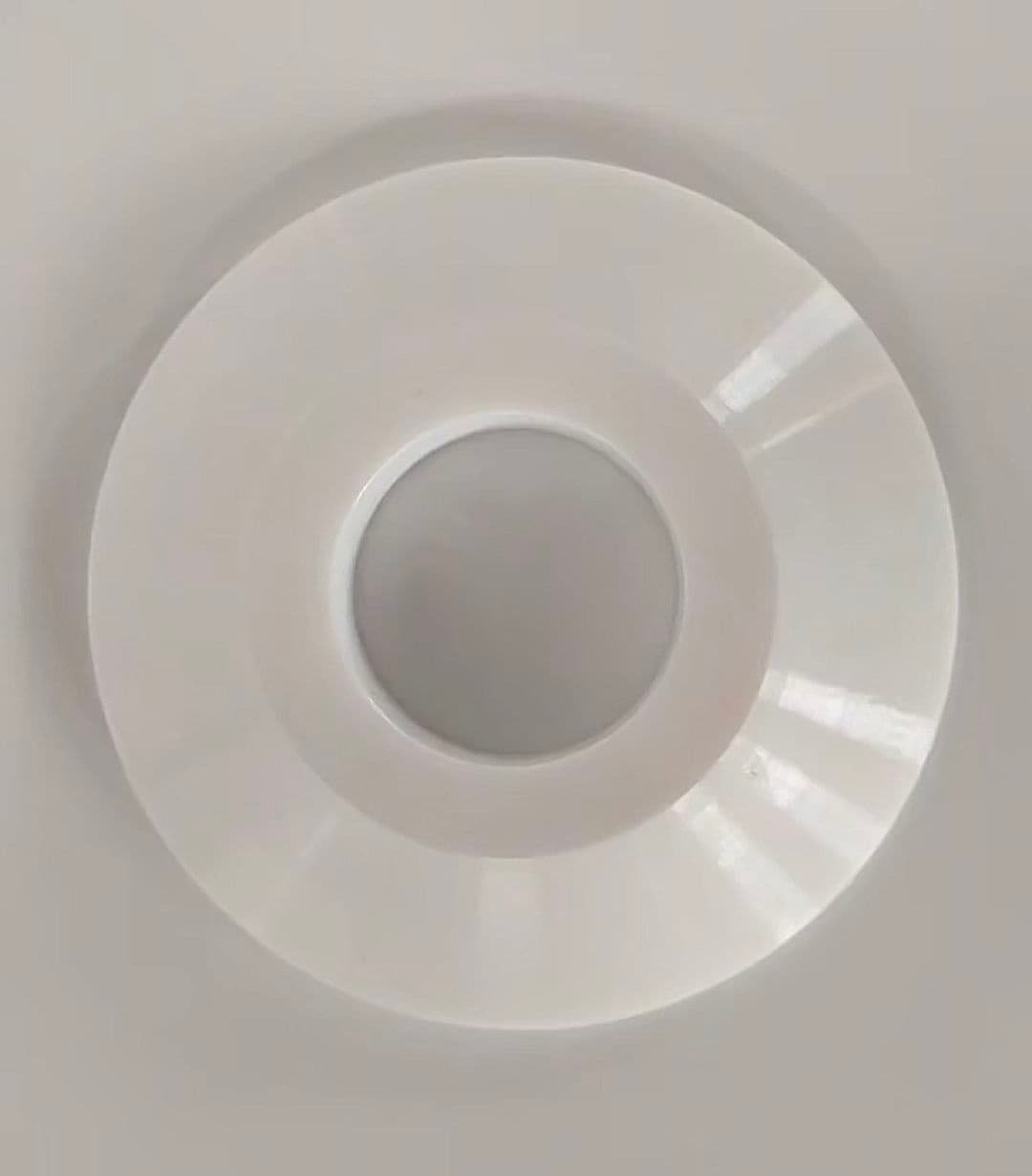
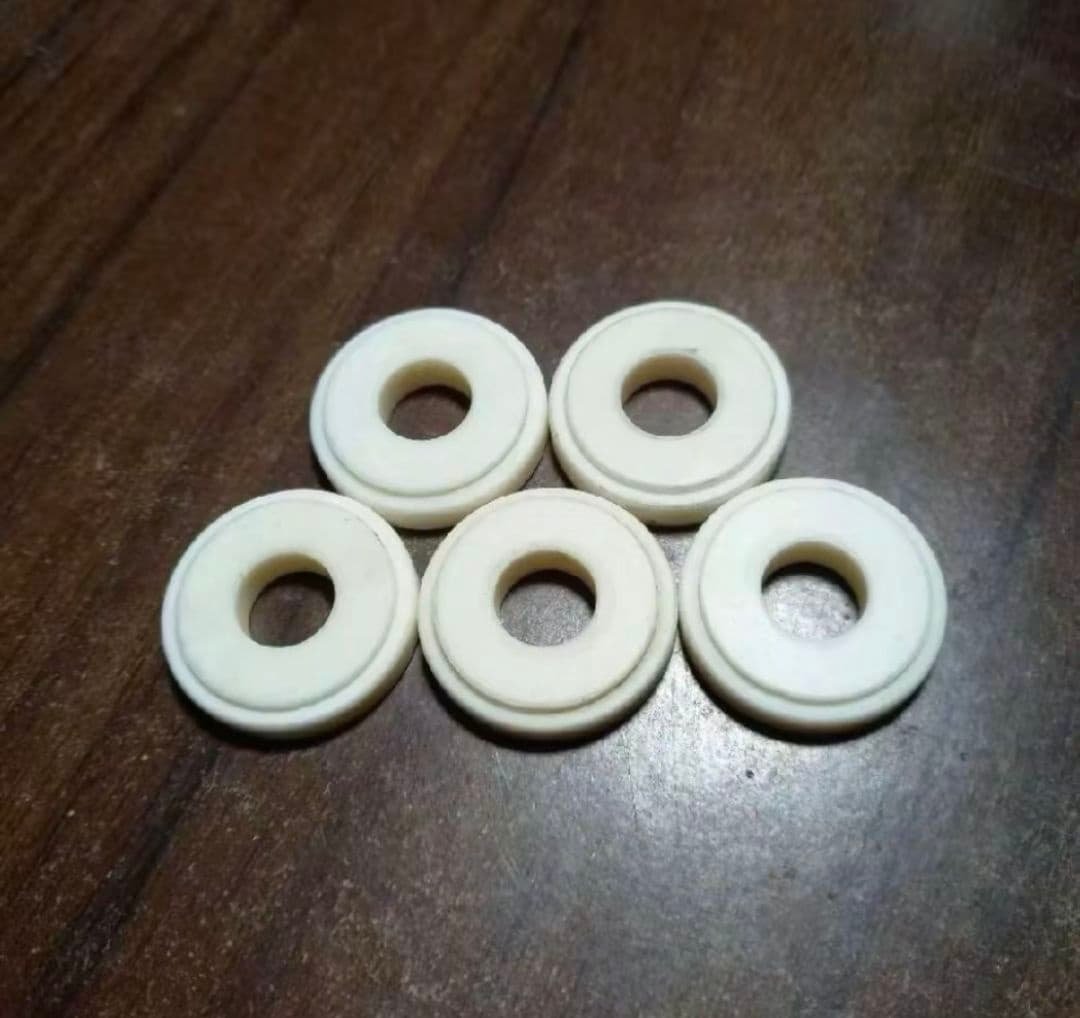
C-CERAMIC Manufacturing Capabilities
C-CERAMIC exists to help industrial teams turn demanding ceramic part requirements into production-ready components. Our ceramic manufacturing capabilities bring material and design review, mold making, forming, high-temperature sintering, machining, finishing and inspection into one coordinated engineering workflow.
From silicon carbide, zirconia, alumina and silicon nitride components to project-specific technical ceramic selections, we support prototypes, low-volume runs and scalable production. Our platform includes ceramic injection molding, precision grinding, lapping, CNC ceramic machining and final dimensional inspection for parts built around real operating conditions.
What differentiates C-CERAMIC is continuity from the first drawing through contract manufacturing. Engineering, process selection and finishing are aligned around the same component requirements, helping OEM, R&D and procurement teams source pins, seals, plates, tubes, nozzles and other custom ceramic parts with a clear path to production.
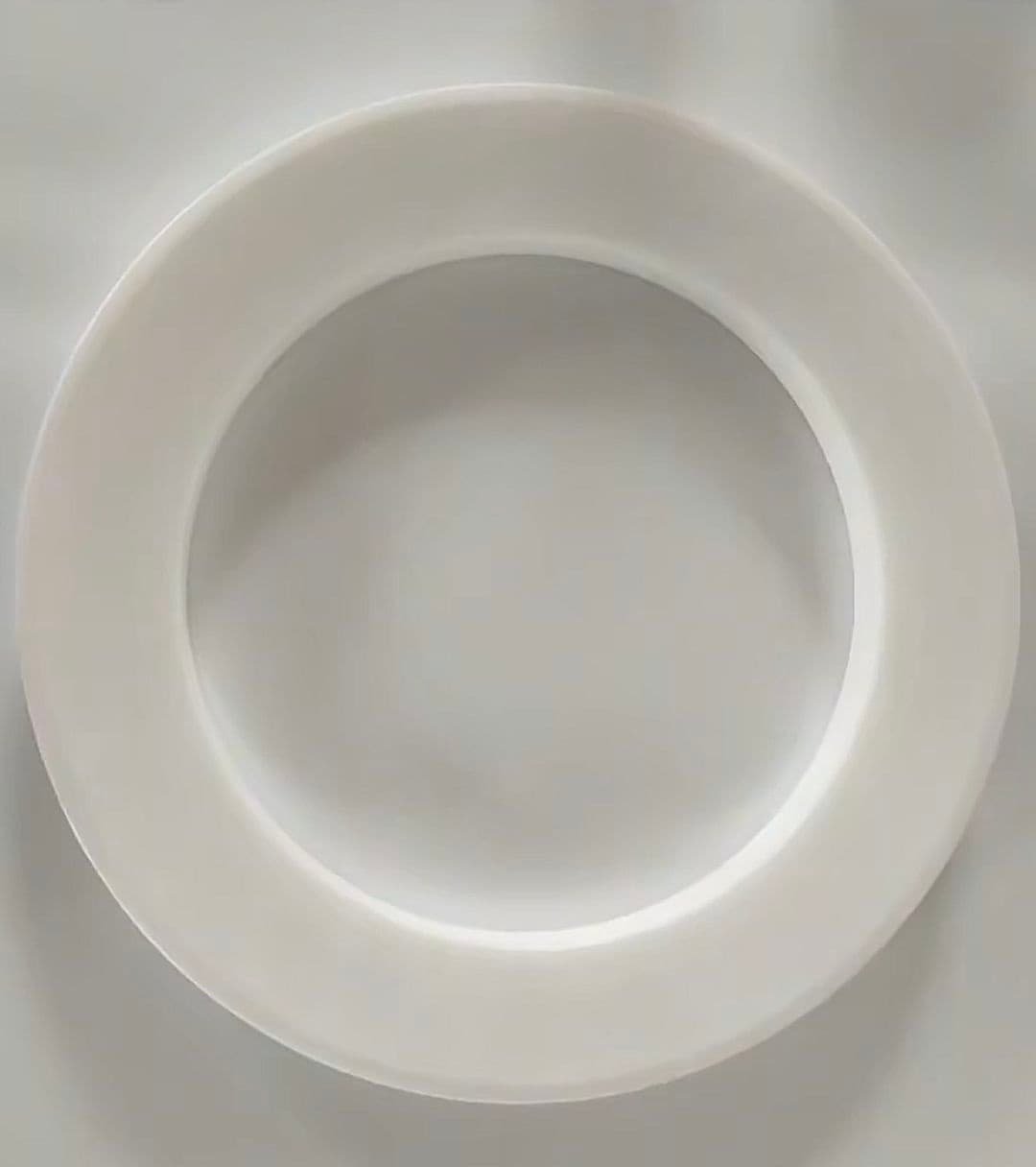
How to Source Ceramic Rings and Washers with Lower Project Risk
Define the Ring or Washer Function and Operating Duty
Start with the role of the ceramic ring or washer in the assembly. State whether it seals, spaces, insulates, guides, supports, protects a surface or provides a wear interface. Record the mating materials, contact pattern, compression or clamping method, radial and axial loads, speed or motion, pressure, process media, temperature and cycling. Note assembly tools, installation force, retention method and whether particles, moisture or chemical exposure are concerns. A simple section view can clarify which faces, bores, edges and grooves are functional. Separate continuously loaded conditions from short-duration events such as startup, cleaning or thermal transition. This information helps the supplier assess material families and identify risks that a nominal inside diameter and outside diameter would miss. It also supports a better quotation because the supplier can distinguish a basic spacer from a precision sealing or wear component. If service conditions are not yet fixed, provide the expected range and identify assumptions. C-CERAMIC can then review the drawing and operating duty at project level before confirming a feasible material and production route.
Choose Materials and Compatible Interfaces
Select the ceramic family with the complete interface in view, not from a material label alone. For a ring or washer, review the mating metal, ceramic, polymer or coated surface; contact pressure; sliding or static behavior; thermal expansion differences; chemical exposure; electrical function; and cleaning conditions. Alumina, zirconia, silicon carbide and silicon nitride may each warrant review, but the appropriate choice depends on the actual geometry and duty. Identify whether the part must preserve a seal face, maintain a controlled gap, resist abrasion or electrically separate components. Check edge loading, local stress concentrations, clamping force and the possibility of impact during assembly. Also discuss whether the selected material can be formed, sintered, machined, ground or lapped to the required features. If a grade, purity, formulation or finish is important, state it as a requirement for supplier confirmation rather than assuming a generic name is sufficient. Ask the quotation to identify material assumptions, alternatives requiring approval and any interface risks. This keeps the material decision connected to performance, manufacturability and inspection.
Review Geometry and Manufacturing Routes
A ceramic ring or washer may look simple while containing difficult manufacturing features. Review inside and outside diameters, thickness, concentricity, parallel faces, steps, grooves, counterbores, chamfers, slots and edge radii. Identify slender sections, interrupted profiles and any asymmetric detail that could increase forming, sintering, fixturing or machining risk. For repeat quantities, ceramic injection molding or another forming route may be assessed; for prototypes, low volumes or unusual geometry, machining or a different forming approach may be more practical. The supplier should consider expected shrinkage, distortion, support, green-part handling and the allowance available for post-sinter finishing. Specify which surfaces must be ground or lapped and which features can remain formed or machined. Ask how the proposed route affects tooling, setup changes, inspection access, repeatability and future design revisions. If the drawing includes tight relationships between bore, faces and outside diameter, make the datum scheme explicit. C-CERAMIC can review the complete route conditionally where capability or feasibility depends on the final geometry, material and quantity. That review is more useful than selecting a process from shape alone.
Set Inspection and Acceptance Criteria
Define acceptance around the characteristics that make the ceramic ring or washer usable in the assembly. Identify datum references, inside and outside diameter, thickness, flatness, parallelism, concentricity, edge condition, grooves, steps and surface requirements. State which dimensions control sealing, spacing, alignment, insulation or wear. If a surface finish matters, identify the functional face and the measurement or visual method expected, subject to supplier confirmation. Consider inspection access for small bores, recessed features and fragile edges. Ask the supplier to explain how formed, sintered and finished dimensions will be controlled, and which results can be recorded for release. If material documentation, traceability or process records are needed, include them in the RFQ without assuming a particular certification is available. Define sampling expectations, nonconformance review and approval of deviations before production. For prototypes, agree whether inspection is intended to validate the drawing, the assembly fit or both. Clear criteria reduce disputes over whether a general final check is sufficient. They also help C-CERAMIC determine the practical finishing, fixturing and measurement route before issuing a project quotation.
Compare Prototype and Production Quotations
Compare quotations by separating prototype learning from repeat-production economics. A prototype price may include extra setup, manual handling, alternative forming, machining or inspection work needed to establish the ring or washer route. A production quotation may instead depend on tooling, forecast quantity, batch structure, sintering strategy, finishing sequence and inspection sampling. Ask each supplier to state what is included: material review, tooling, forming, sintering, machining, grinding, lapping, cleaning, inspection, packing and documentation. Check whether the quoted geometry matches the latest drawing and whether assumptions have been made about tolerances, surface finish, edge condition or acceptable substitutions. Review minimum order expectations, trial quantities, sample approval and how later design changes affect tooling or unit cost. Do not compare unit prices without considering scrap risk, rework, incoming inspection and the cost of adapting the assembly to a standard ring or washer. Delivery timing and production capacity should be confirmed after technical review rather than inferred from a general capability statement. A useful quotation explains the route, open questions, commercial assumptions and evidence required for release. C-CERAMIC can review these points against the submitted project information.
Prepare a Complete RFQ and Qualification Plan
Build the RFQ around one controlled drawing and a concise application brief. Include revision level, material preference, quantity by phase, annual or repeat expectations, mating-part information, operating duty, critical dimensions, surface requirements, packaging concerns and inspection documentation. Mark functional faces and identify characteristics that cannot be changed without assembly approval. Ask the supplier to propose a manufacturing route and list assumptions about forming, sintering, machining, finishing, shrinkage and measurement. If material alternatives are acceptable, define how they will be reviewed and approved. For qualification, decide what the first articles must demonstrate: dimensional fit, sealing or spacing behavior, insulation role, wear interface, thermal cycling or another application-specific check. Keep those tests separate from supplier inspection unless responsibilities are explicitly agreed. Include requirements for sample identification, revision control, nonconformance communication and change notification. C-CERAMIC can use the drawing, operating conditions and quantity to assess whether a prototype, low-volume or production route is appropriate. Where feasibility remains unverified, request a conditional review and documented assumptions rather than treating a broad category capability as proof that the exact ring or washer is already qualified.