
Advanced Ceramic Materials Selected for Real Industrial
Advanced Ceramic for YOUR MACHINE
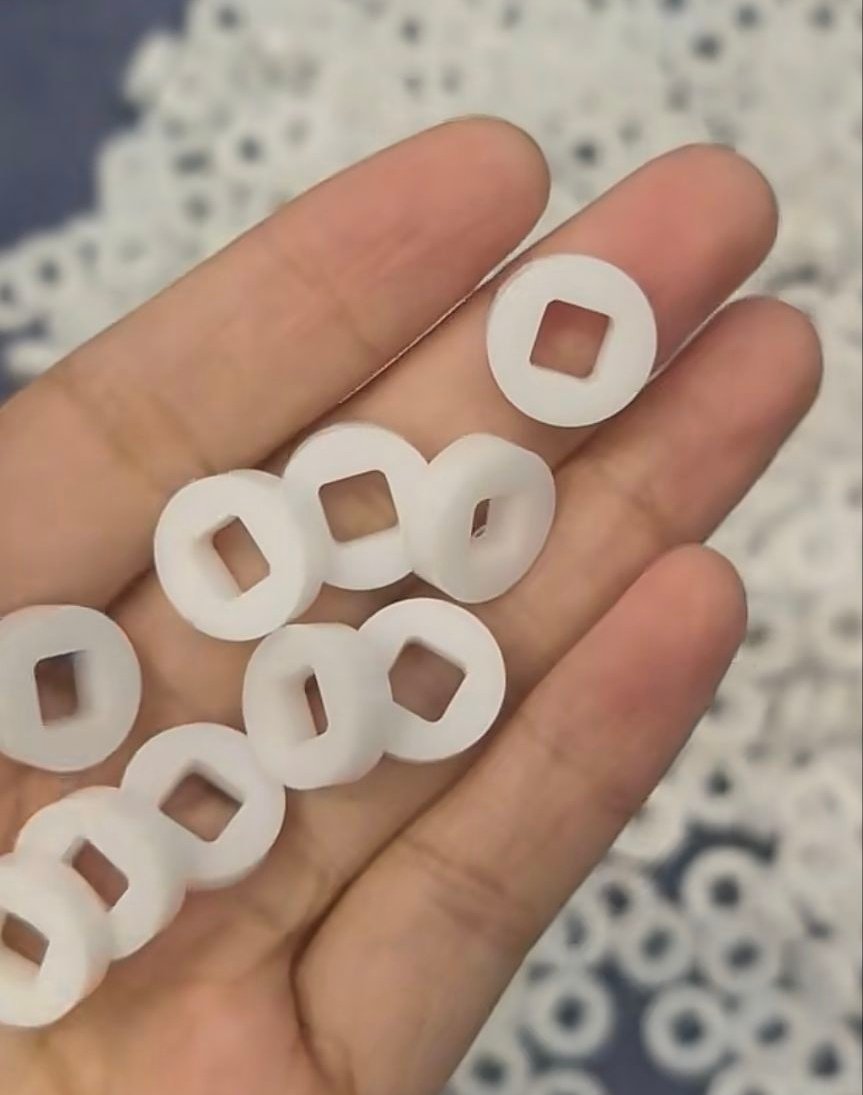
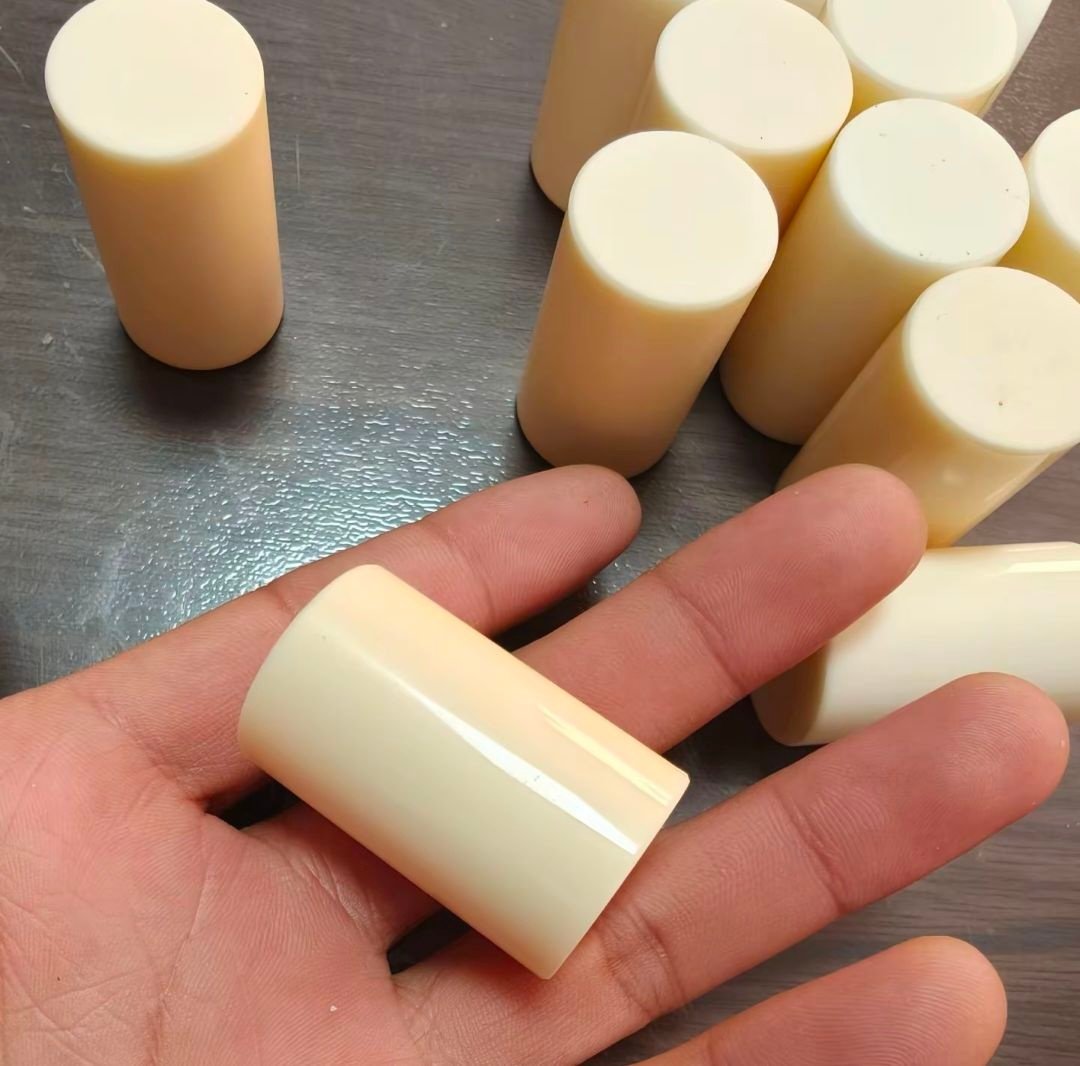
Advanced Ceramic Materials by Application Need
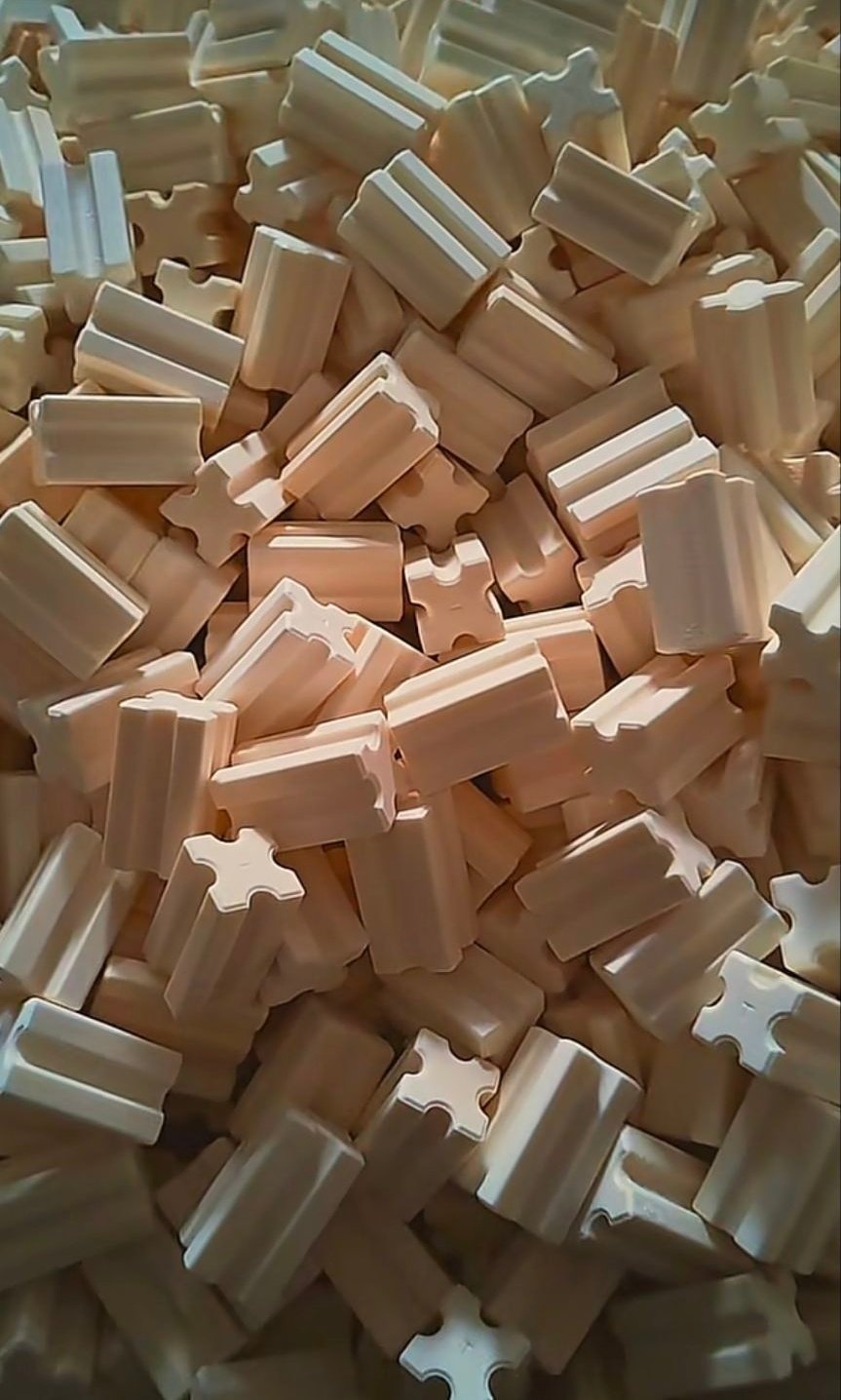
Alumina ceramic body Armor
For alumina ceramic components, review the required shape, loading, interfaces and application conditions before confirming whether the material and geometry are suitable.
Email for a Quote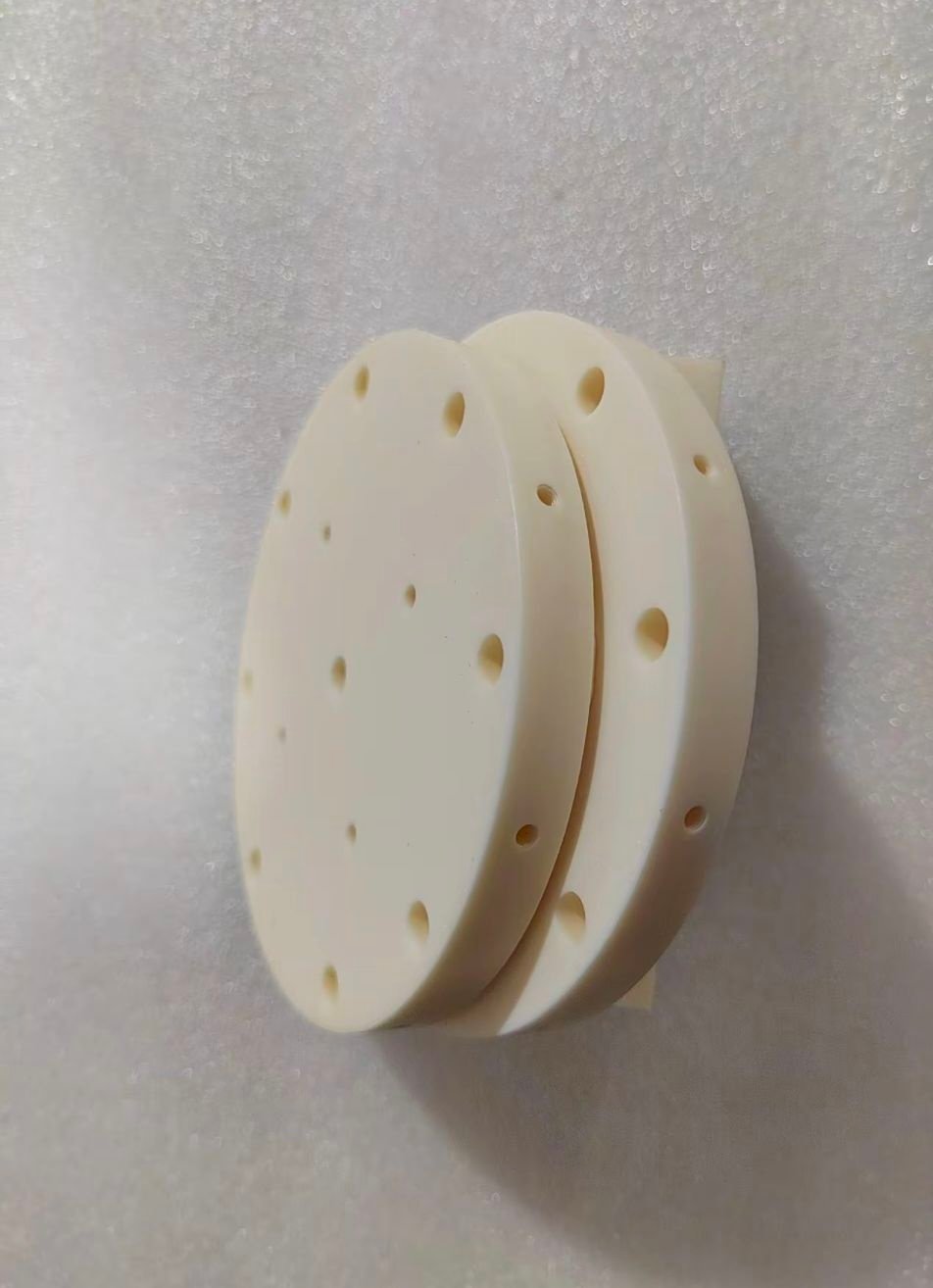
Alumina Parts & Components
For alumina components, compare the required dimensions, wear surfaces, insulation needs and production route through a drawing-led technical review.
Email for a Quote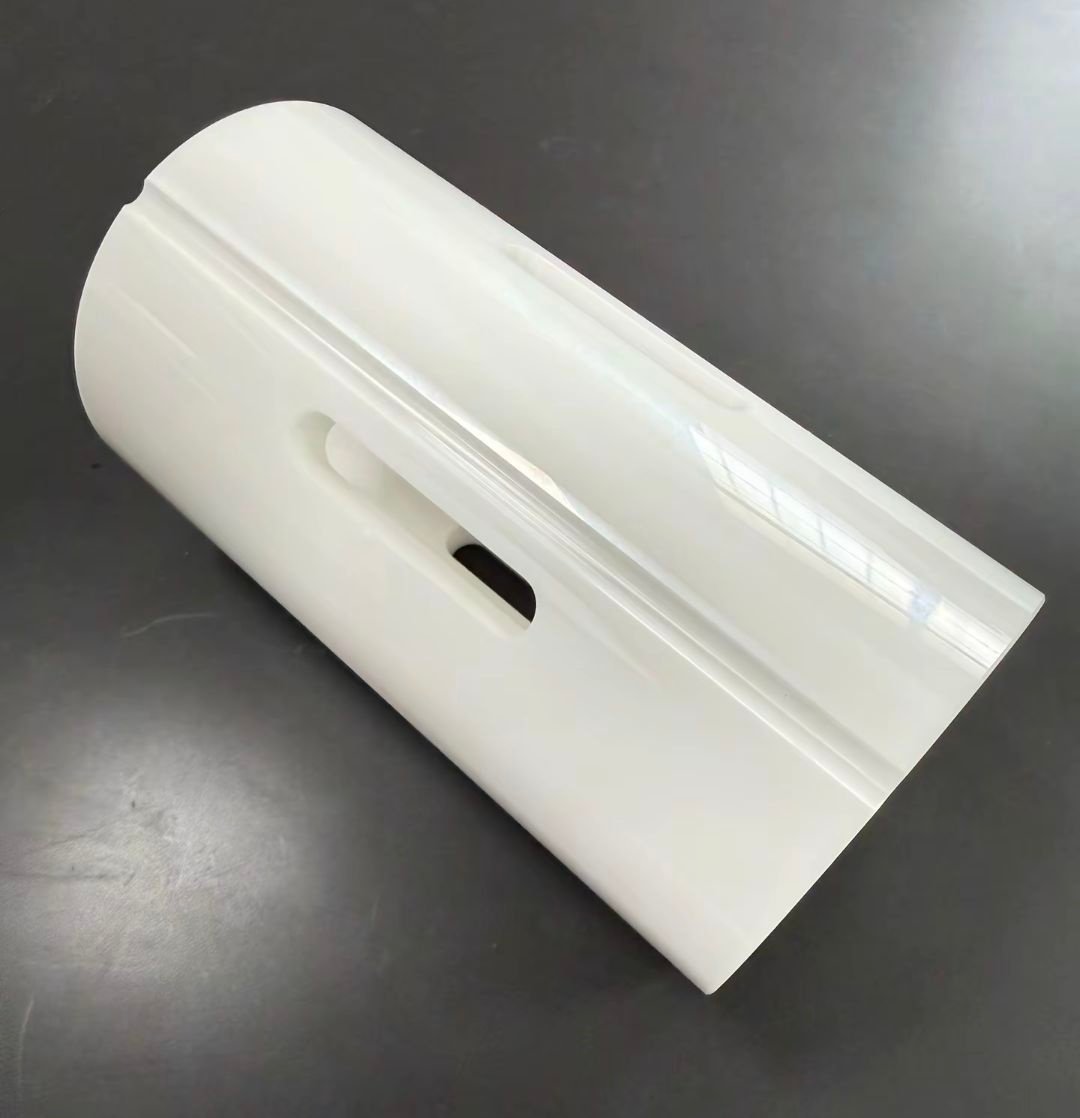
Alumina Toughened Zirconia Ceramics
For alumina-toughened zirconia ceramics, assess the required toughness, wear duty, geometry and interface conditions before selecting a project material.
Email for a Quote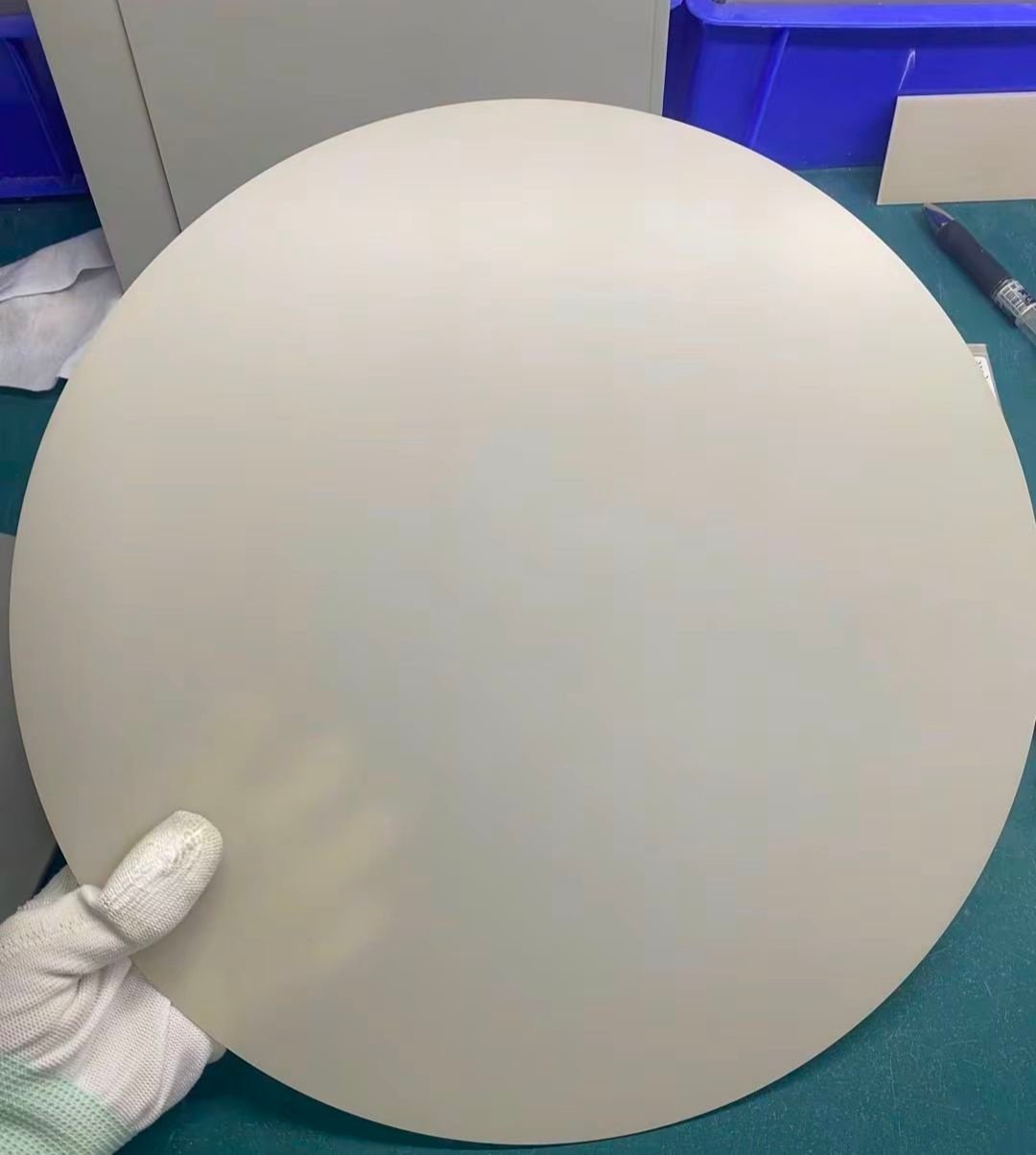
Aluminium Nitride Alternative – Shapal
For aluminum nitride-based ceramic materials, discuss thermal, electrical, mechanical and interface requirements before confirming a feasible material route.
Email for a Quote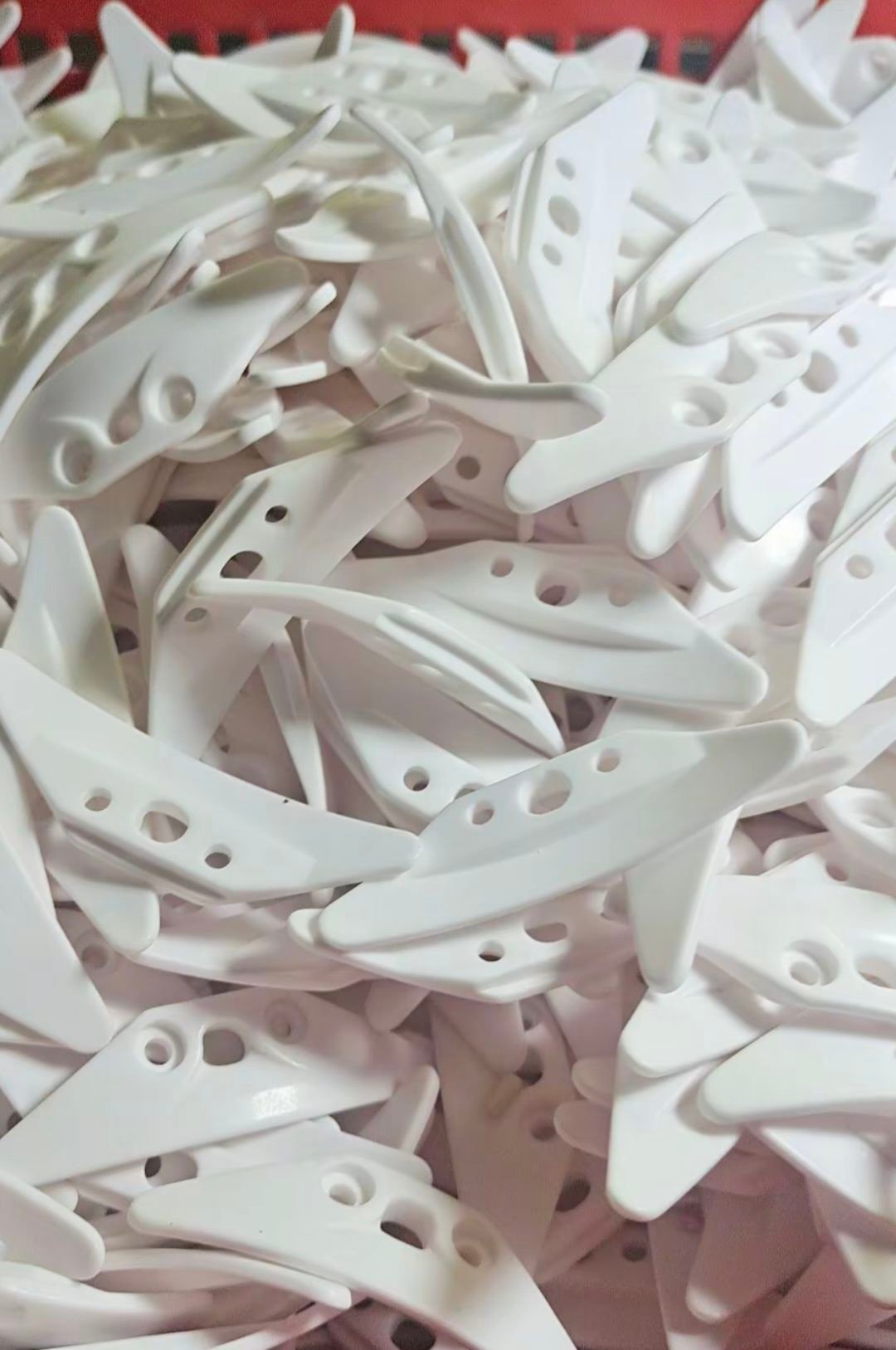
Alumina Ceramics
For alumina ceramics, review thermal, electrical, mechanical, chemical and dimensional requirements against the intended component design.
Email for a Quote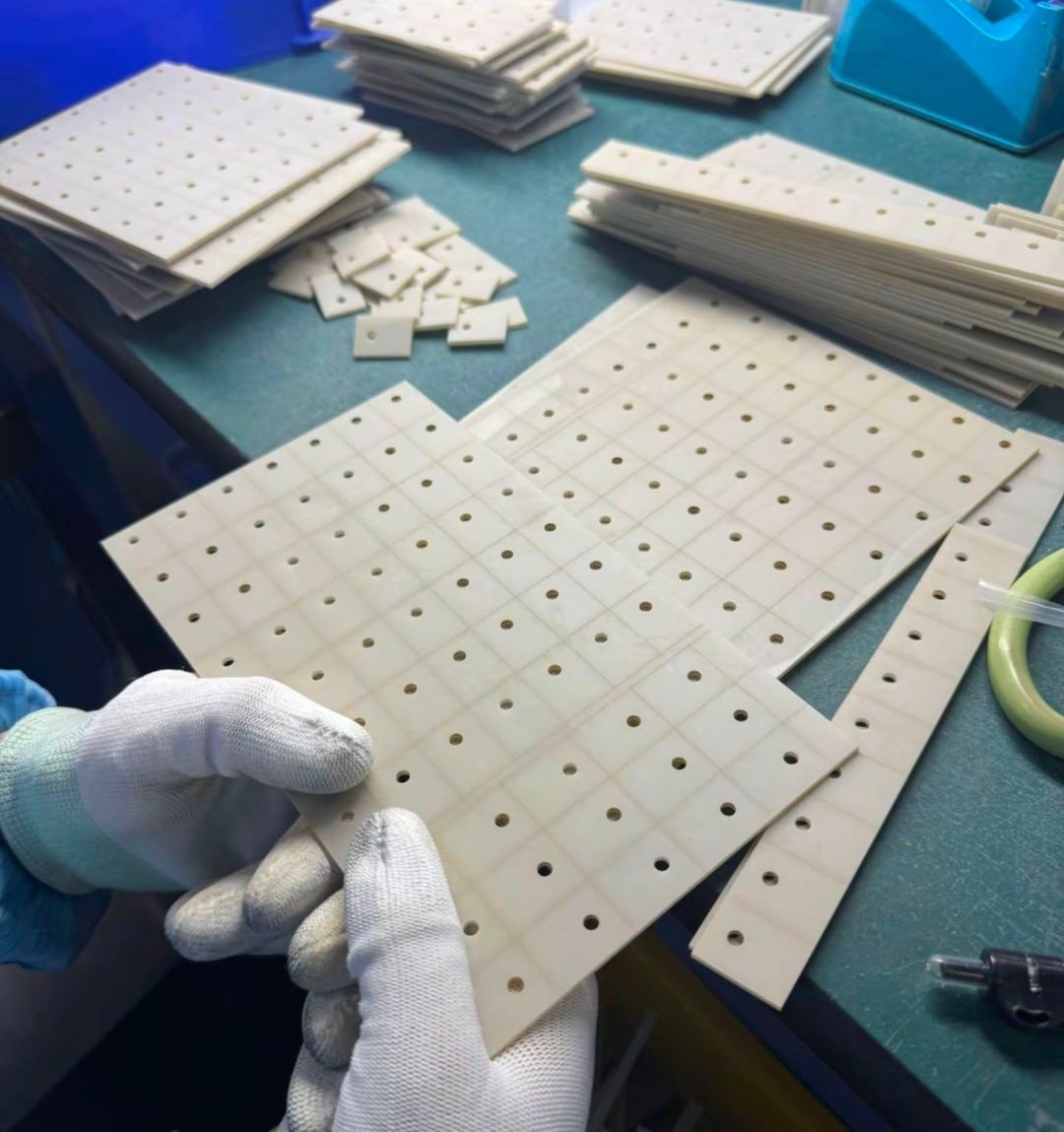
Aluminum Nitride Ceramics
For aluminum nitride ceramics, review thermal-management needs, insulation requirements, geometry and finishing access at project level.
Email for a Quote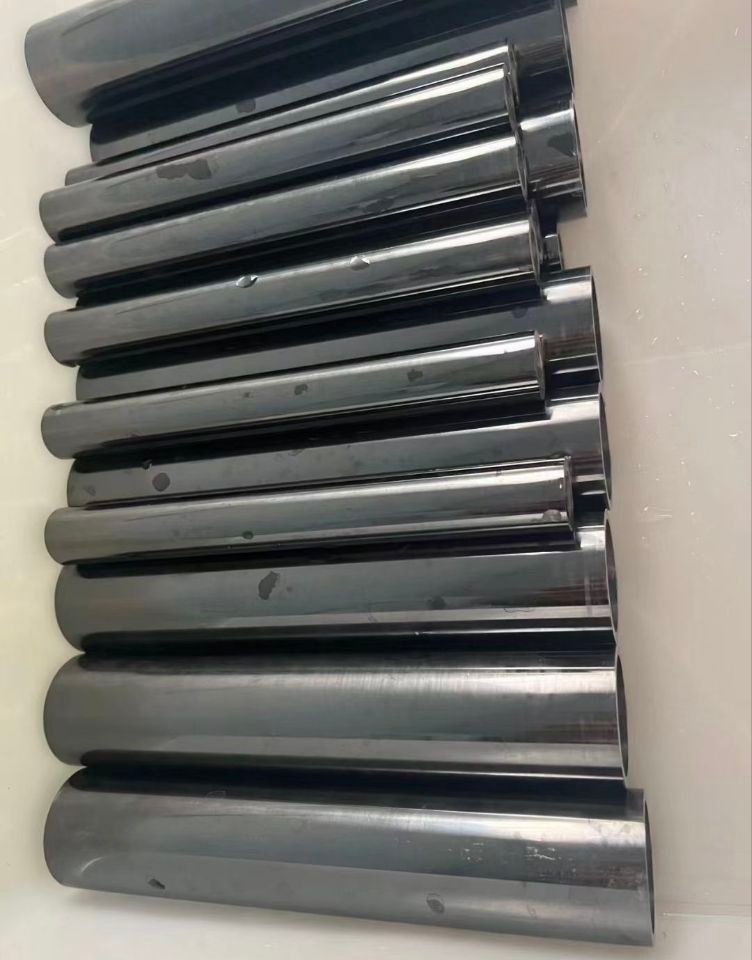
Black Zirconia Ceramic
For black zirconia ceramic, review appearance, wear, dimensional, mechanical and interface requirements against the proposed component geometry.
Email for a Quote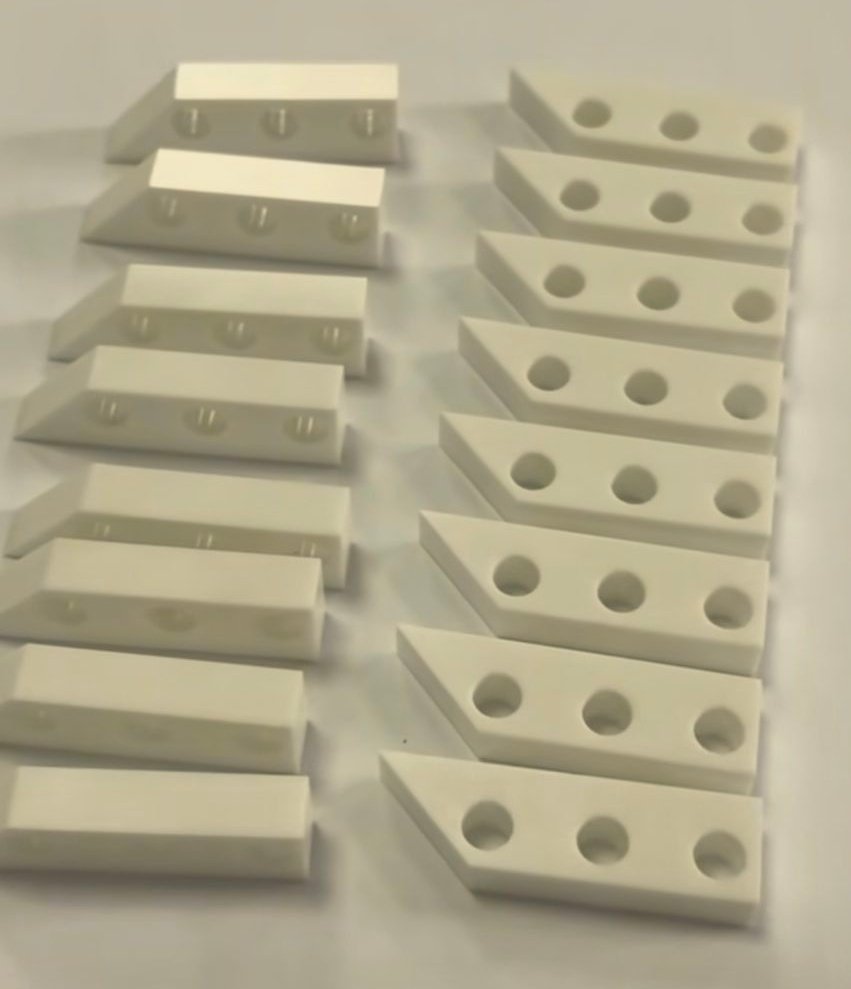
ceramic blades
For ceramic blades, evaluate edge geometry, wear, handling, mounting and inspection requirements before selecting material and finishing methods.
Email for a Quote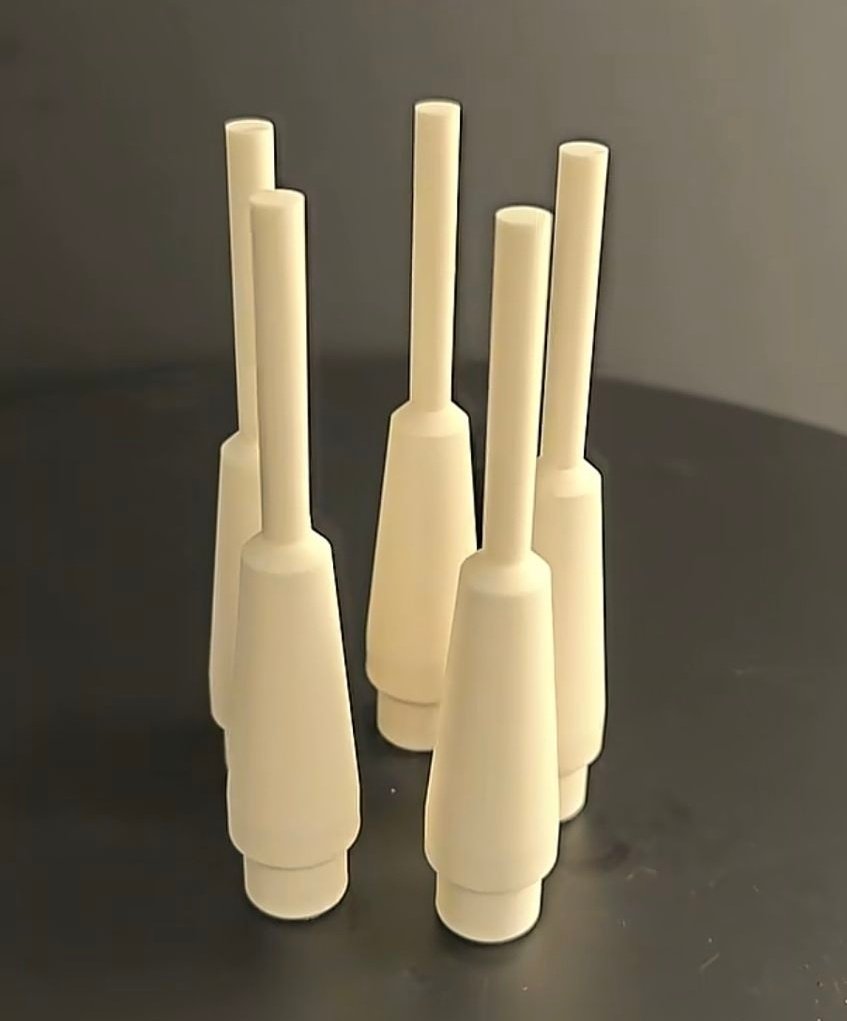
Ceramic Parts & Components
For ceramic components, define the drawing, material, operating conditions, critical surfaces and inspection scope for a useful feasibility review.
Email for a Quote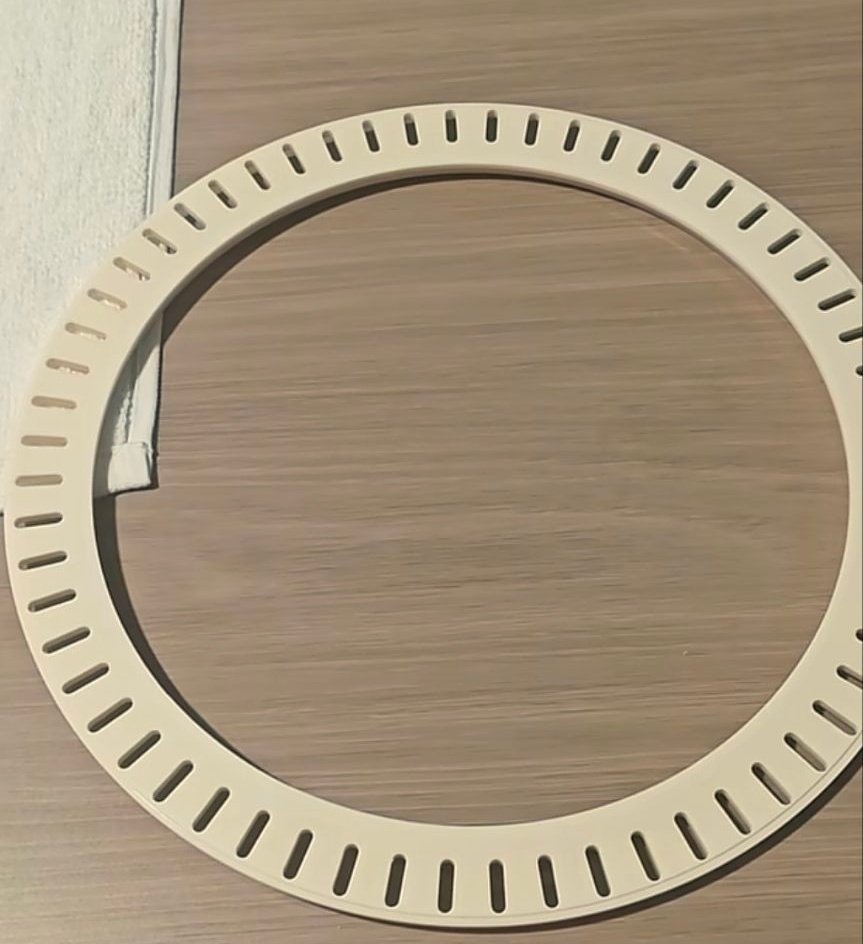
Ceramic Prototyping with Macor
For machinable glass-ceramic prototyping, review the prototype objective, machinability needs, geometry and transition path to the final ceramic material.
Email for a Quote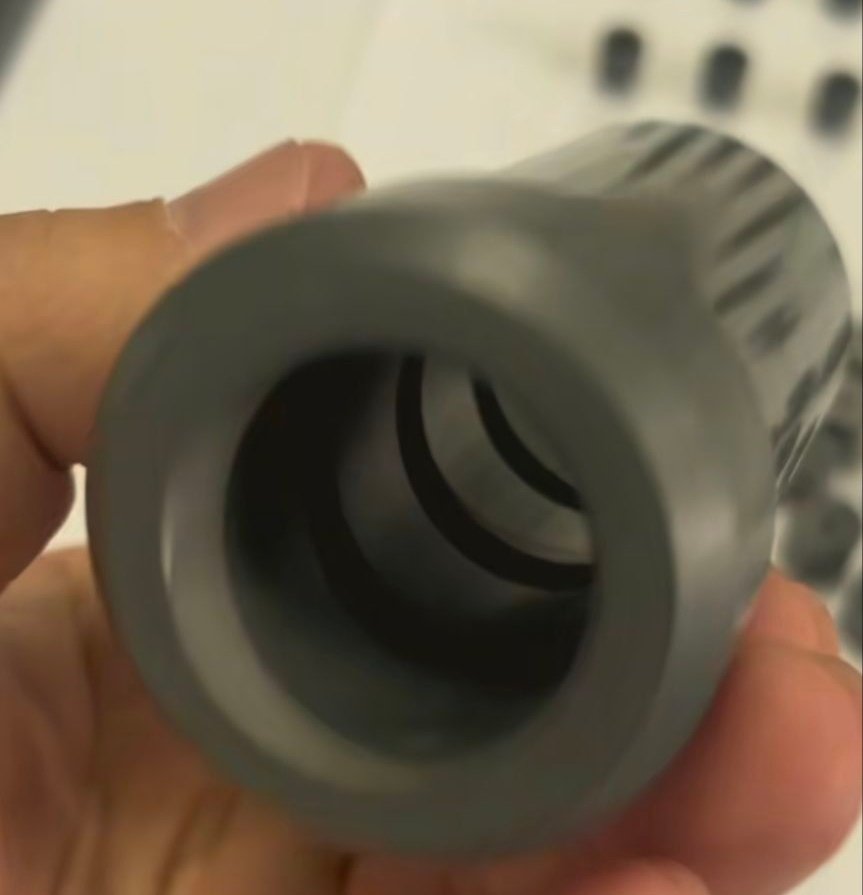
Custom Technical Ceramic Solutions
For custom technical ceramic solutions, submit the drawing, duty cycle, material preference, quantity and acceptance criteria for project review.
Email for a Quote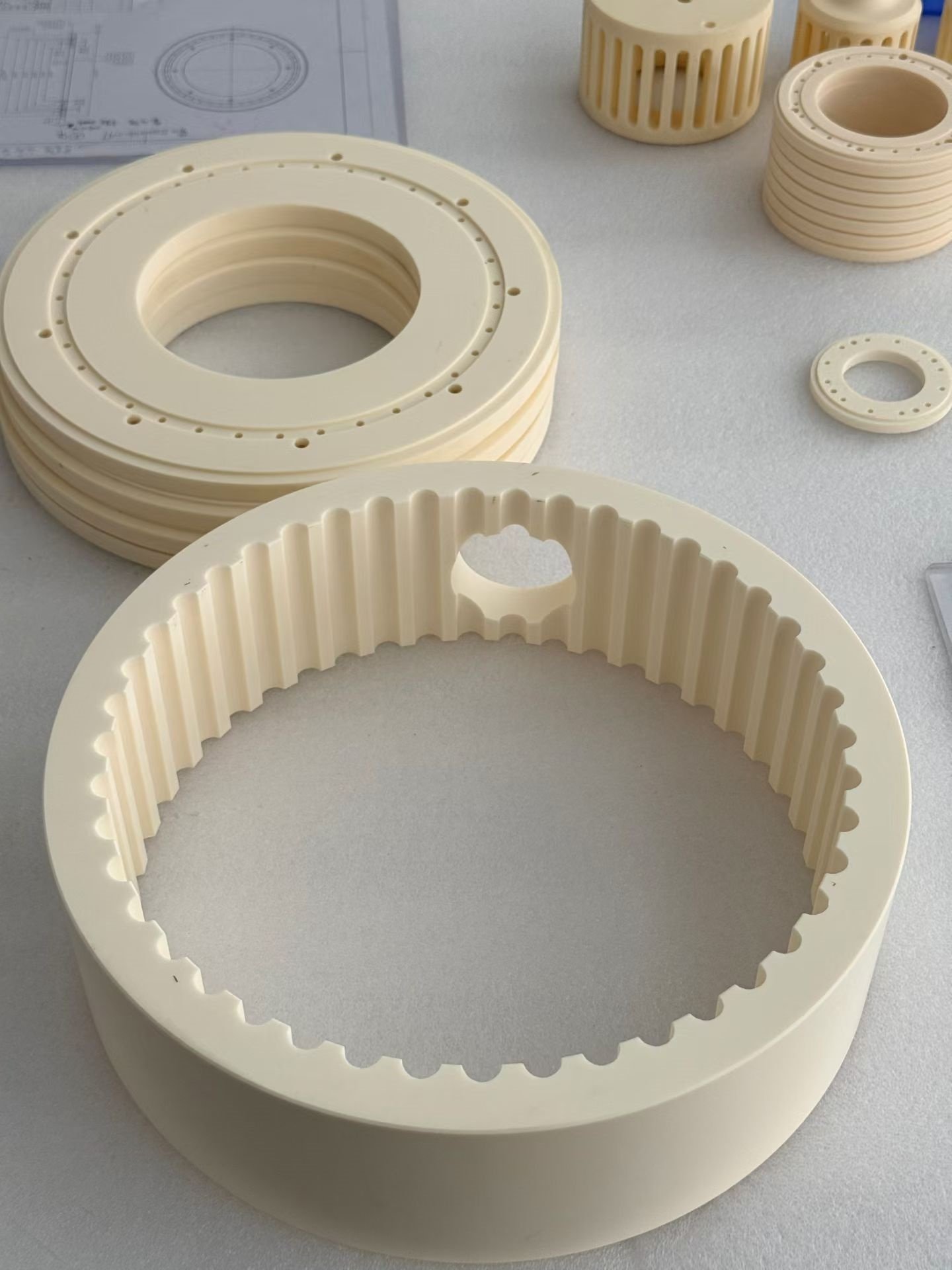
Cordierite Ceramics
For cordierite ceramics, assess thermal cycling, geometry, surface condition and application requirements before confirming a suitable route.
Email for a Quote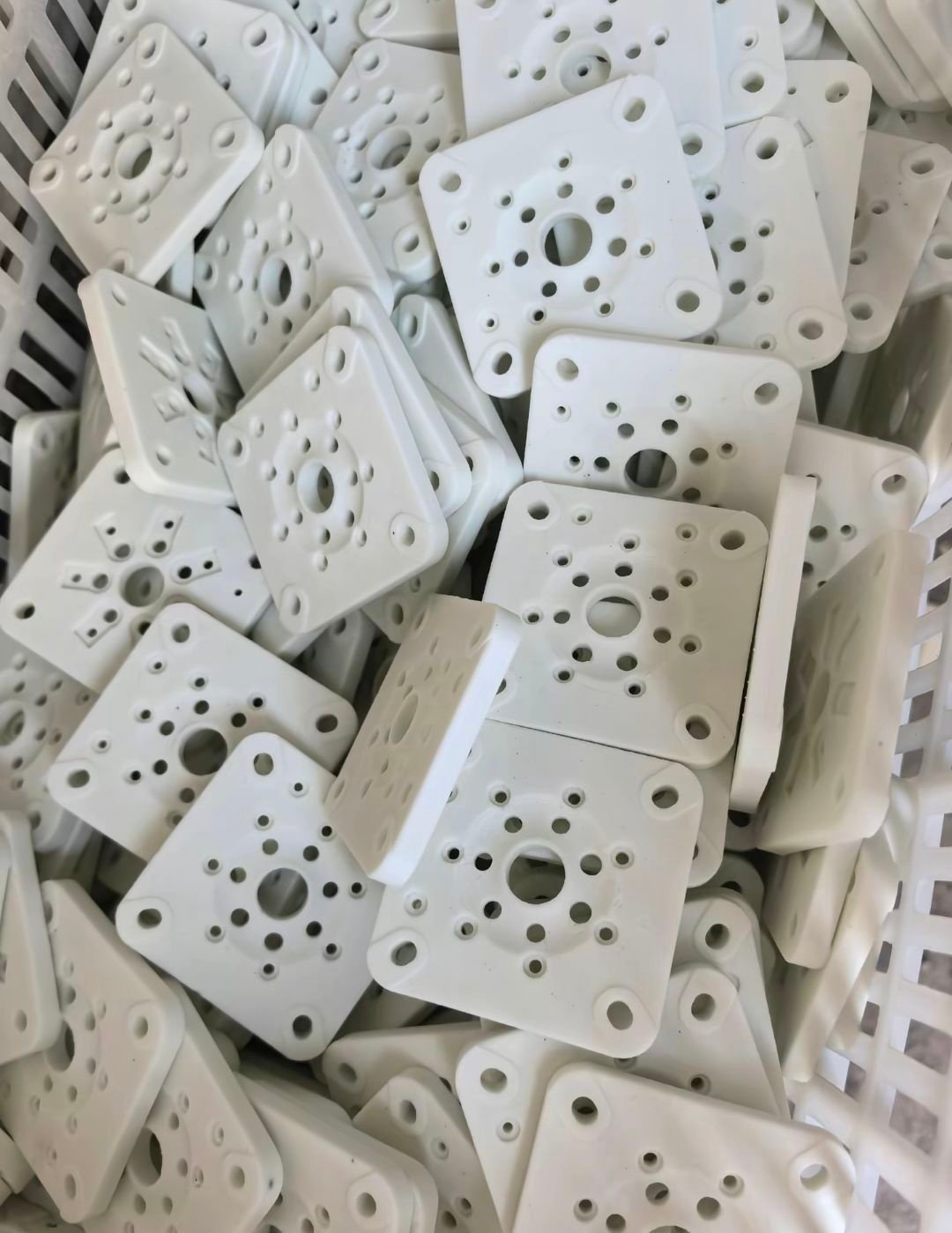
High-Temperature Co-fired Ceramic
For high-temperature co-fired ceramics, discuss thermal exposure, multilayer or integrated geometry, interfaces and required evidence before confirming feasibility.
Email for a Quote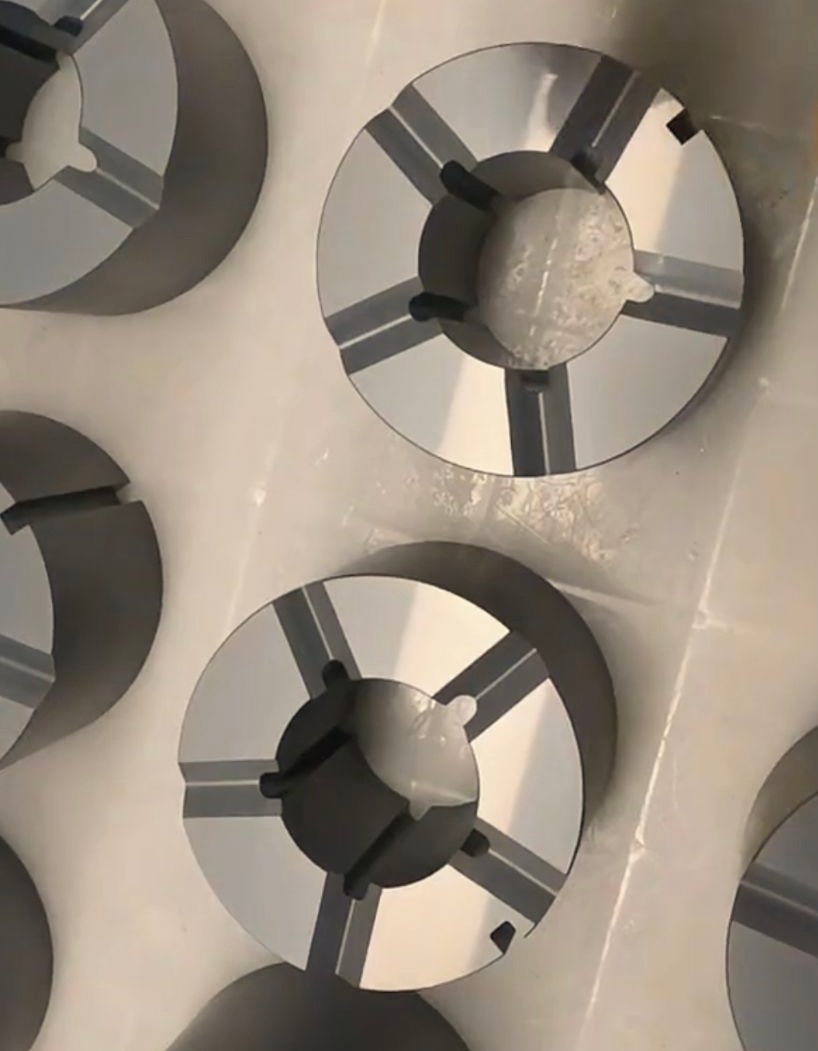
hard ceramics
For hard ceramics, compare wear duty, edge sensitivity, machining strategy, mating surfaces and inspection access before finalizing the material.
Email for a Quote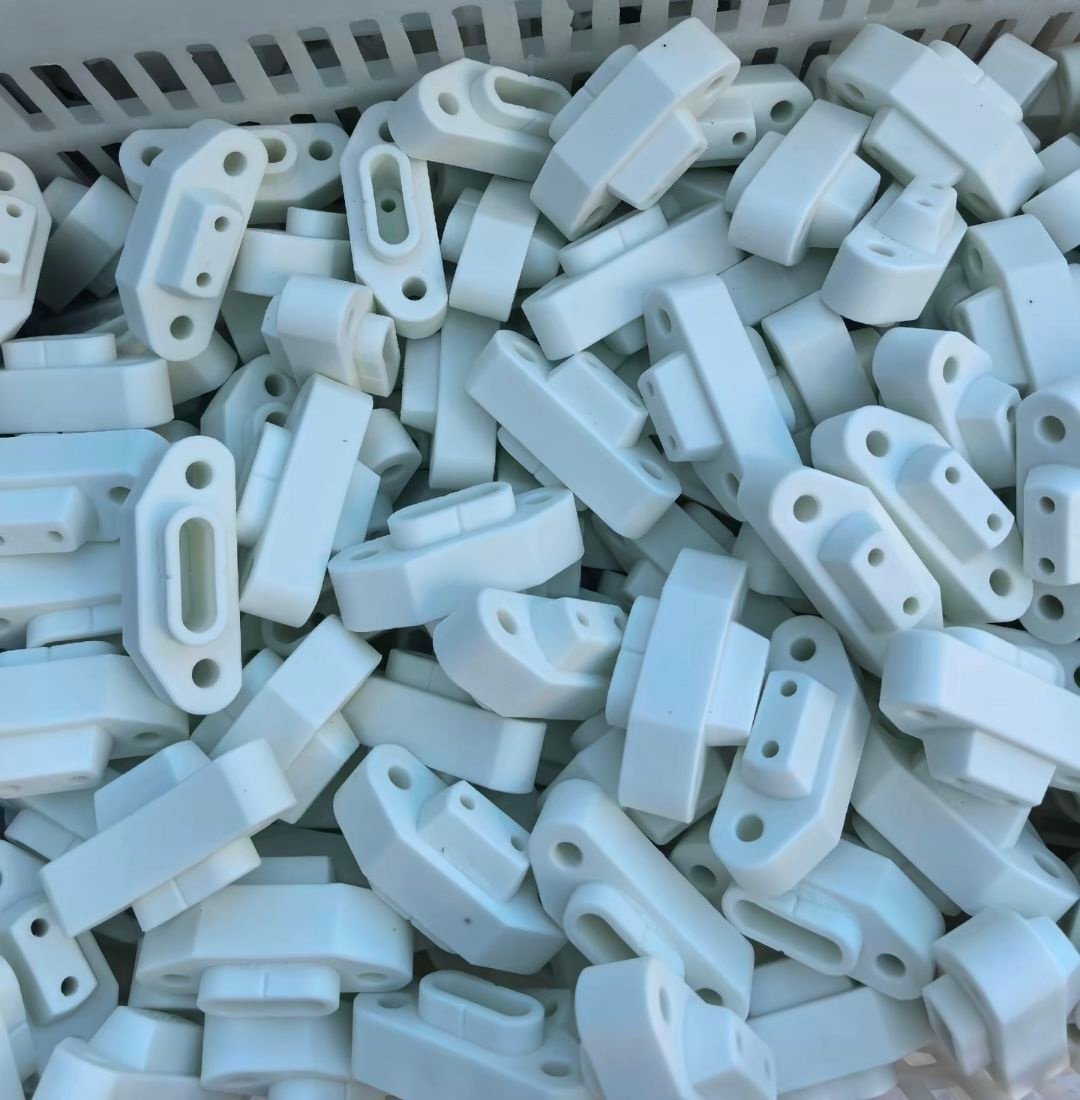
High-Performance Ceramic Feedthroughs
For high performance ceramic feedthroughs, review sealing geometry, interfaces, electrical requirements and documentation needs at project level.
Email for a Quote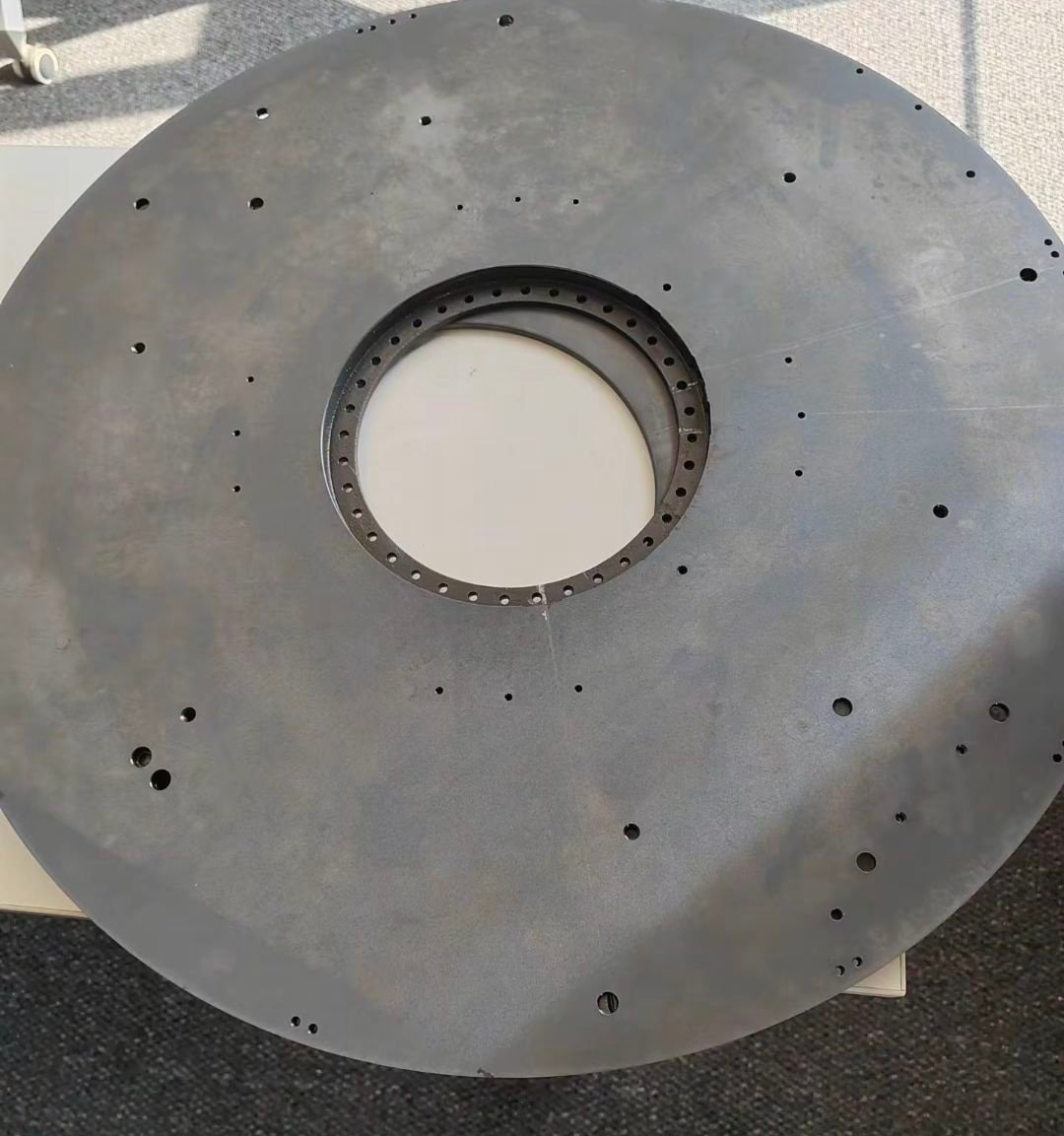
Silicon Carbide (SiC) Based Semiconductors
For silicon carbide components used in semiconductor equipment, review the component function, thermal duty, electrical requirements and applicable project documentation.
Email for a Quote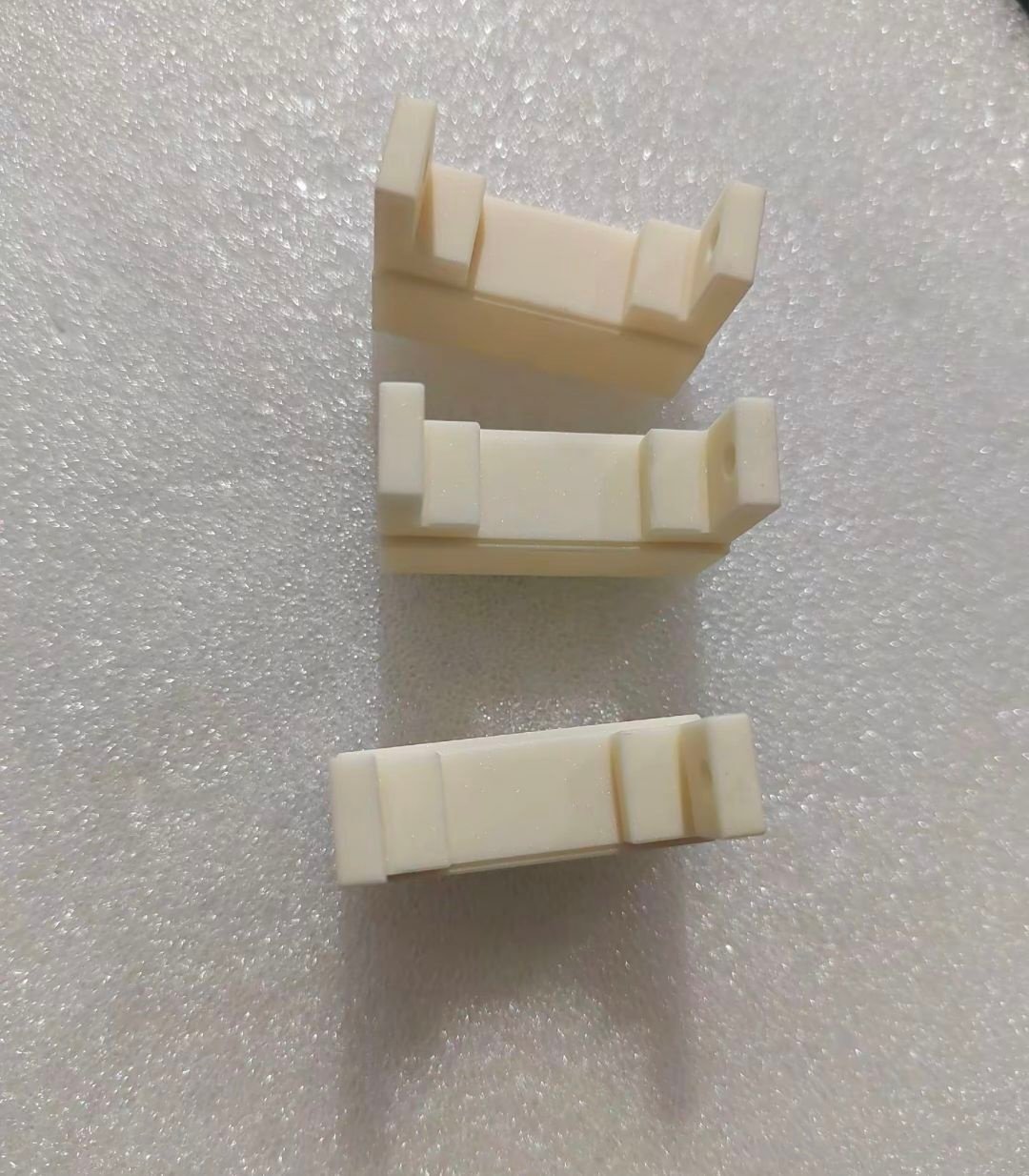
Machinable Glass Ceramic Ceramics
For machinable glass ceramics, review prototype purpose, feature complexity, surface requirements and whether a later technical ceramic route is needed.
Email for a Quote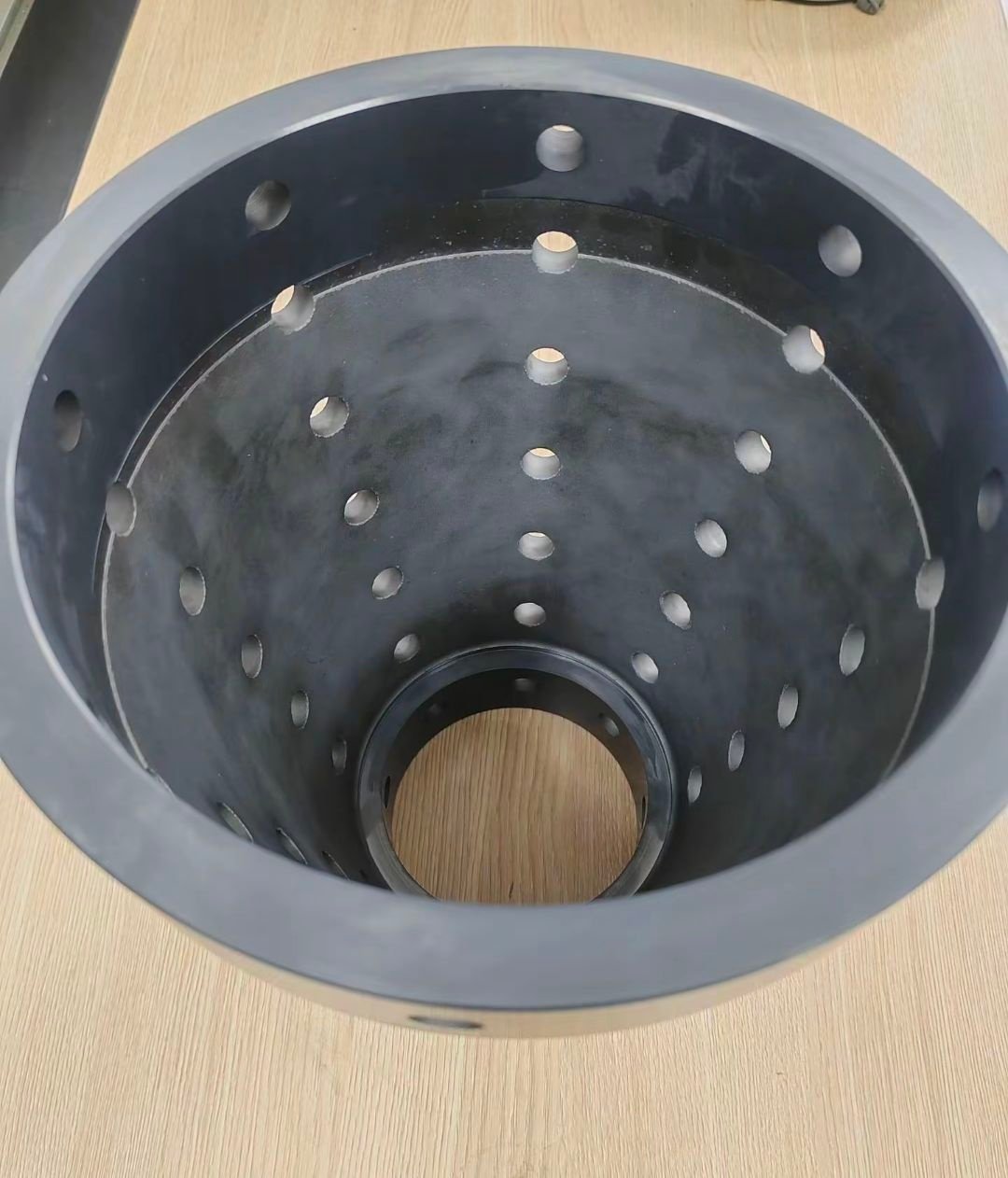
Silicon Carbide Ceramics
For silicon carbide ceramics, assess wear, corrosion, thermal exposure, geometry, surface requirements and post-sinter finishing needs.
Email for a Quote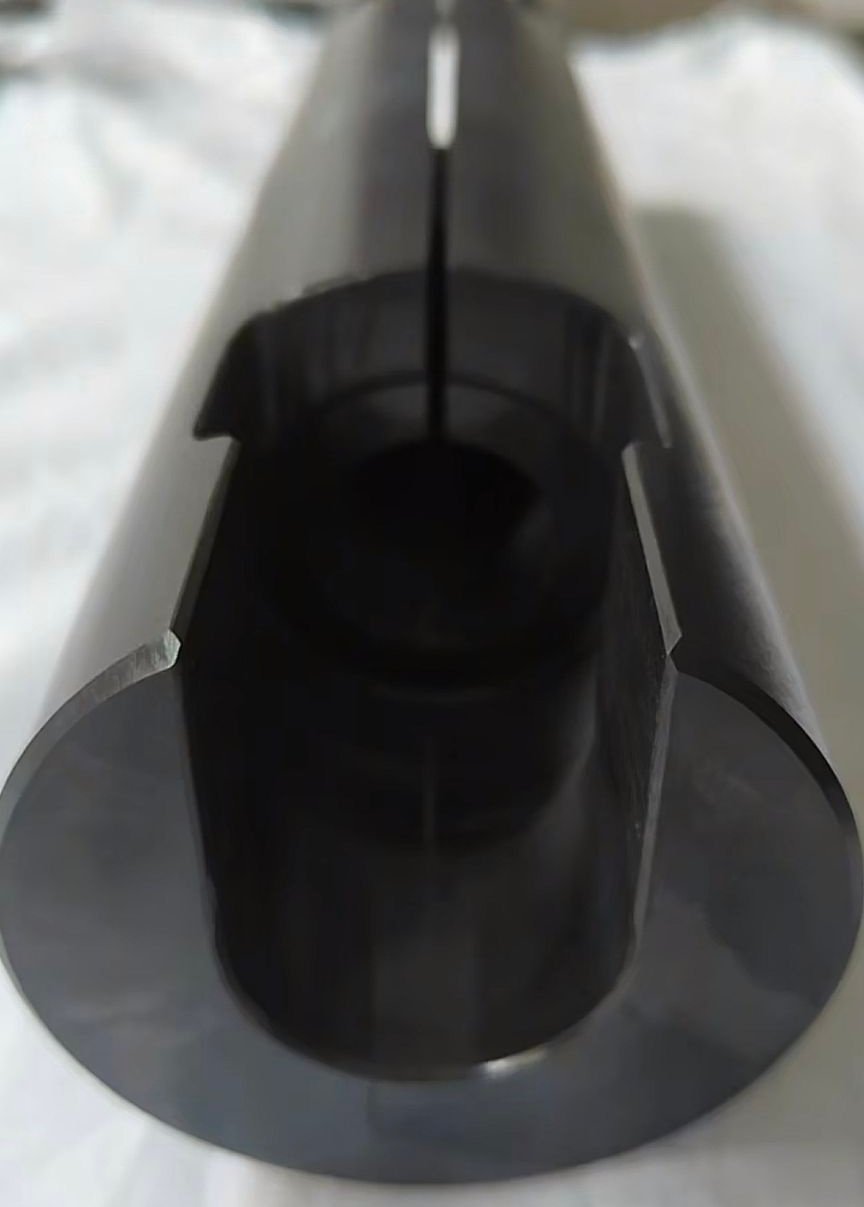
Silicon Nitride Ceramics
For silicon nitride ceramics, review mechanical loading, thermal cycling, wear, geometry and interface requirements against the intended duty.
Email for a Quote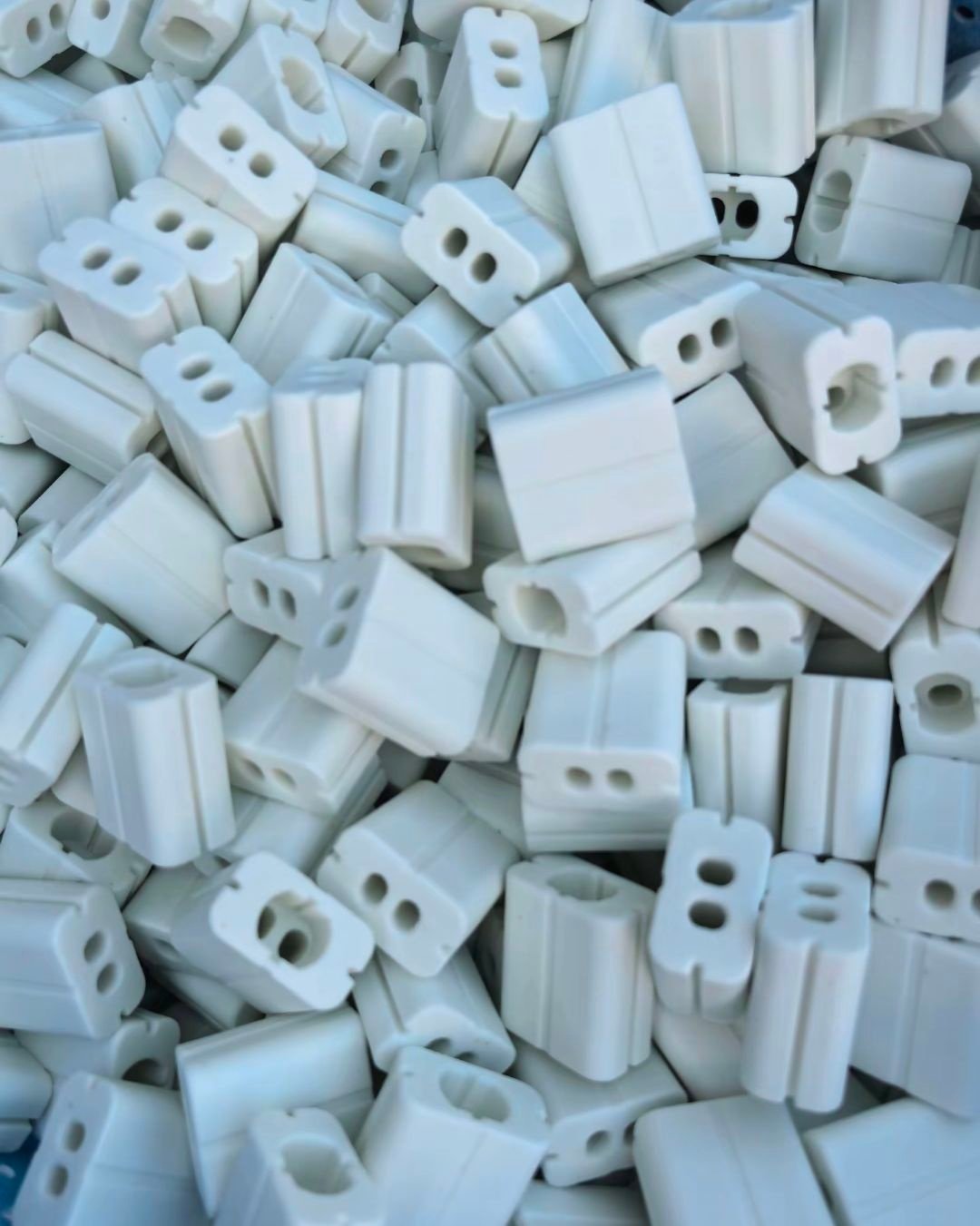
Steatite Ceramics
For steatite ceramics, assess insulation, temperature, geometry, surface and assembly requirements before establishing a production route.
Email for a Quote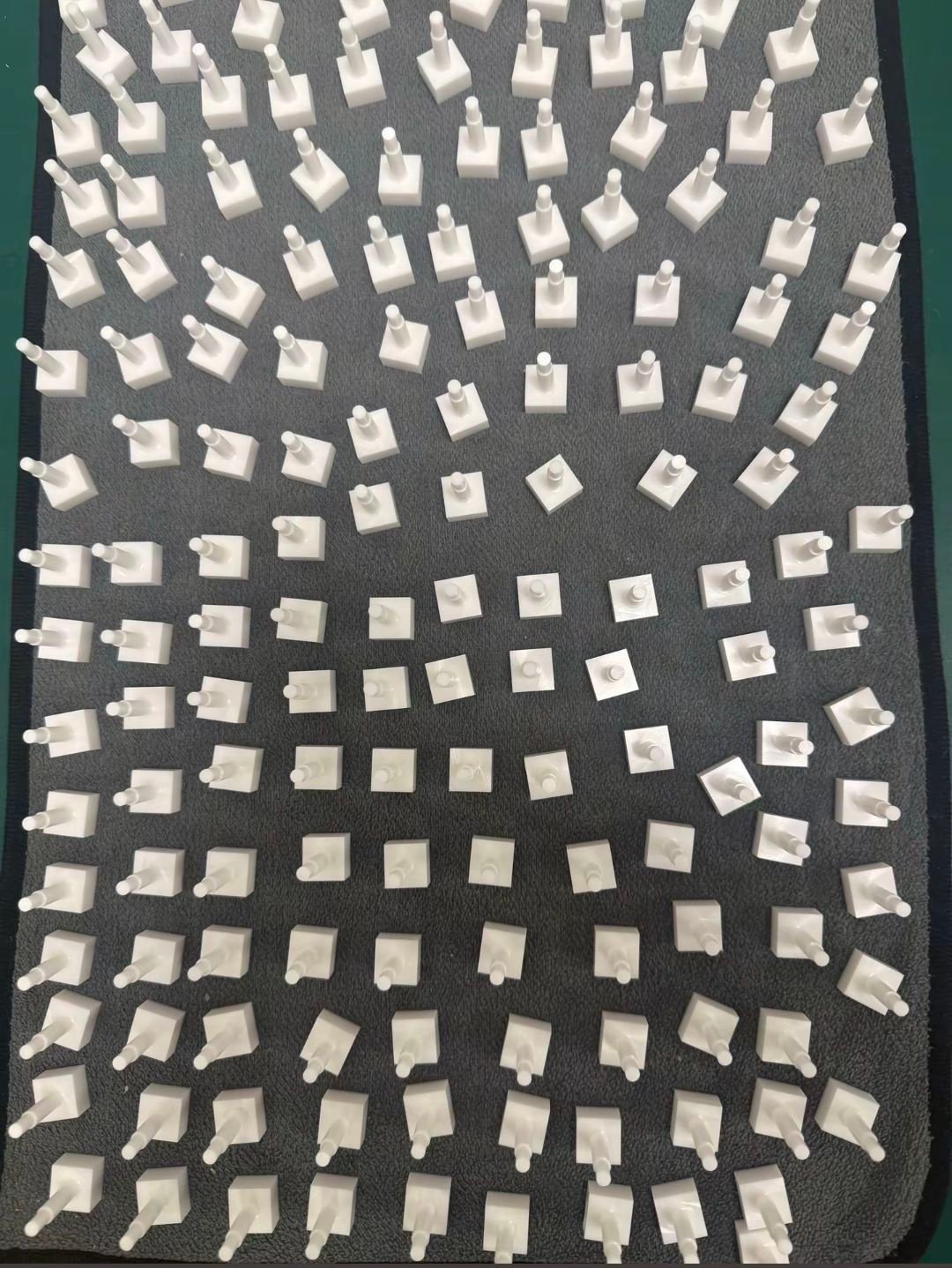
Zirconia Toughened Alumina Ceramics
For zirconia-toughened alumina ceramics, compare toughness, wear, geometry, interfaces and finishing requirements through project-specific review.
Email for a Quote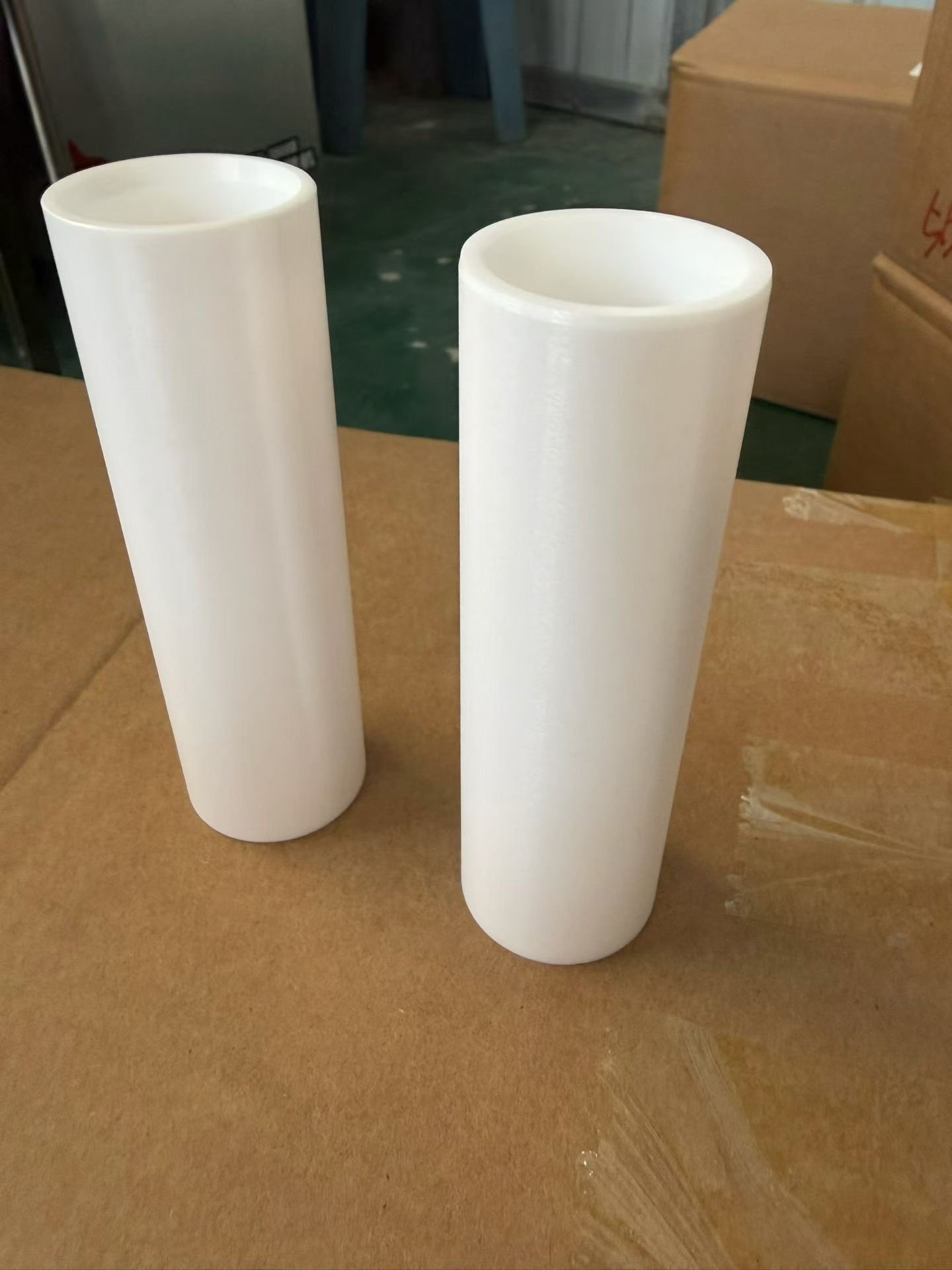
Zirconia Ceramics
For zirconia ceramics, review wear, toughness, dimensional stability, thermal conditions, geometry and inspection requirements before quotation.
Email for a QuoteAdvanced Ceramic Materials Matched to Component Requirements
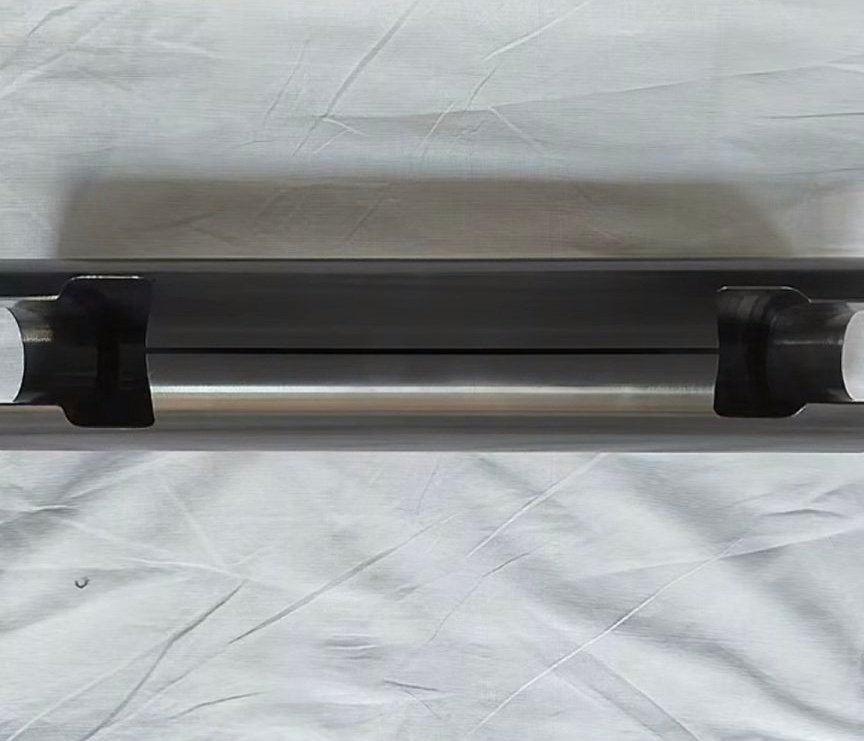
Silicon Carbide
Silicon carbide can be reviewed for demanding wear, corrosion, thermal and dimensional duties. Final suitability depends on the specified environment, geometry, interfaces, processing route and acceptance criteria.
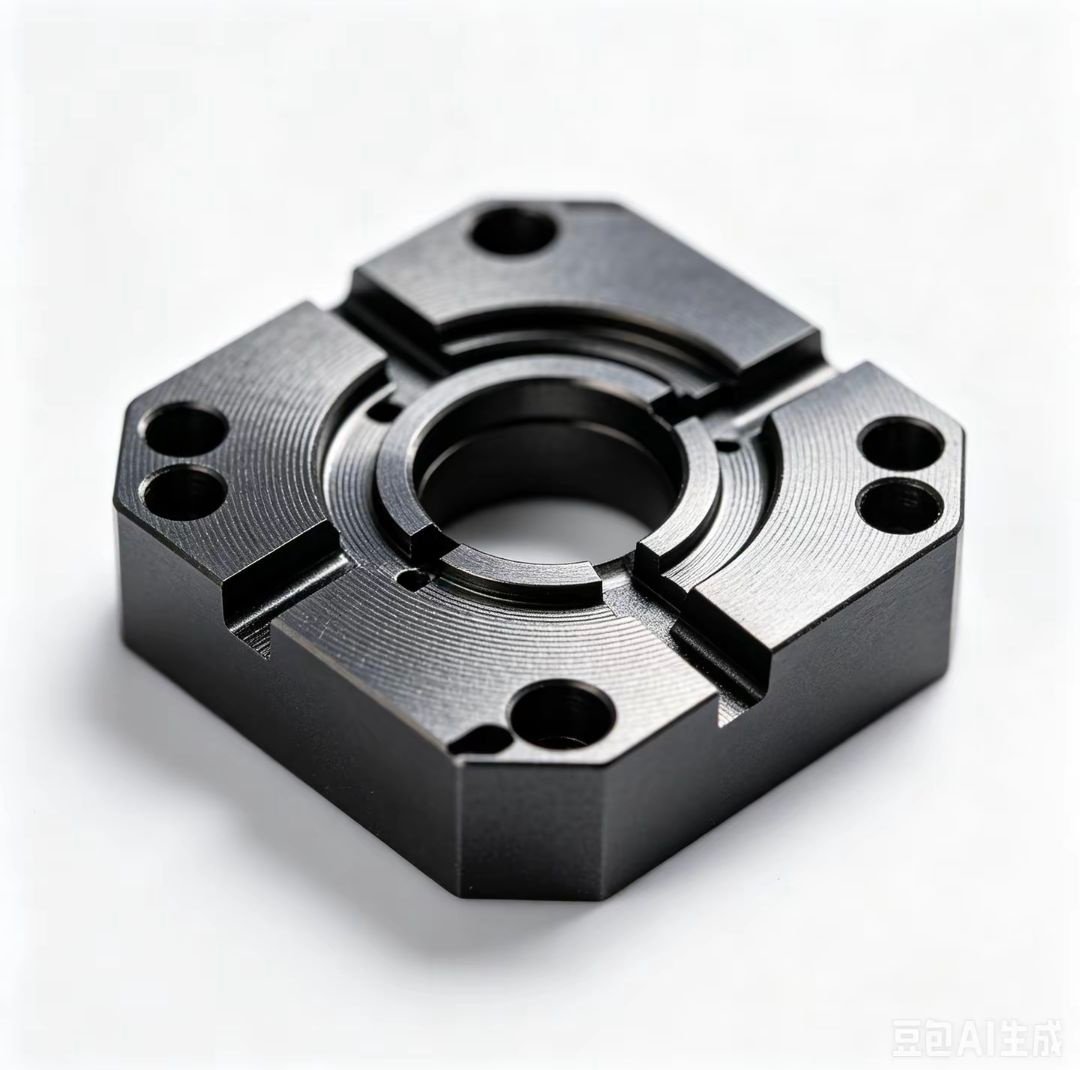
Zirconia
Zirconia can be evaluated for components requiring a considered balance of wear, toughness, precision geometry and surface condition. The appropriate grade and route require project-level review.
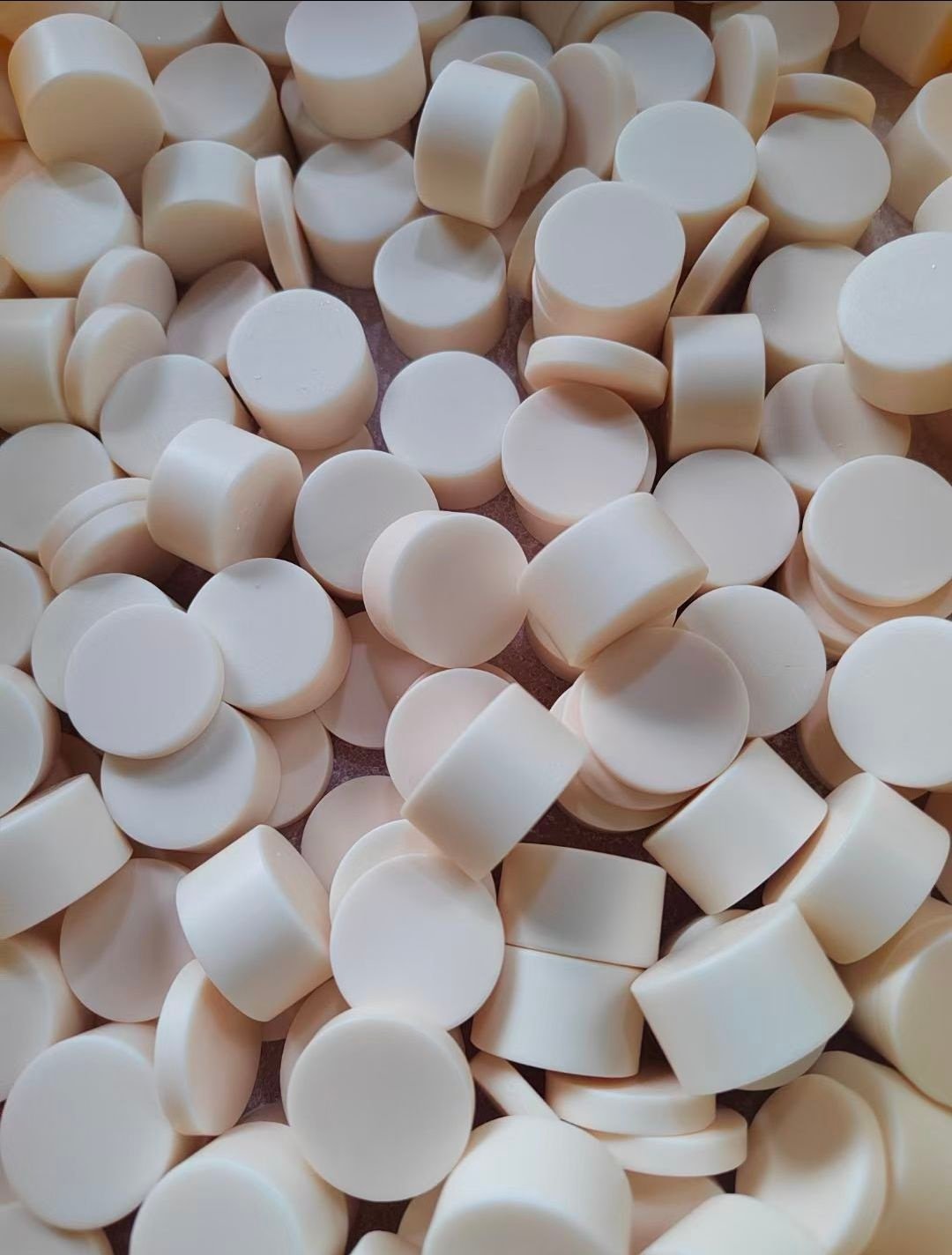
Alumina
Alumina can be reviewed for insulation, wear, thermal and general industrial component duties. Selection should consider geometry, mating parts, surface requirements and the intended forming and finishing route.
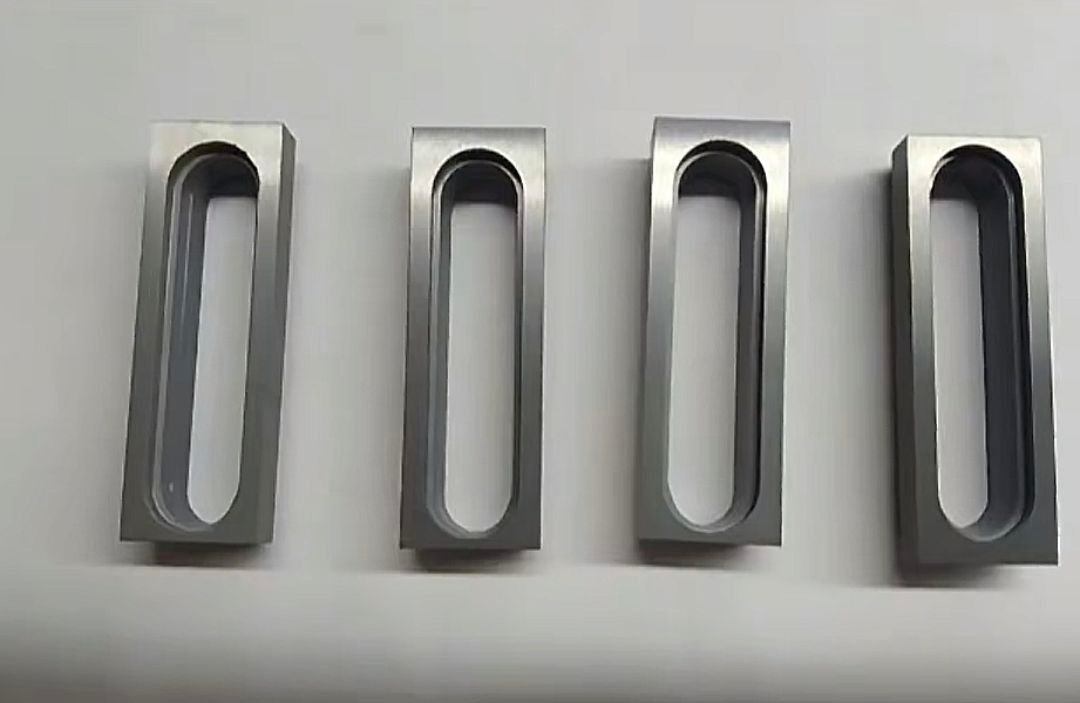
Silicon Nitride
Silicon nitride can be considered for mechanically demanding or thermally cycled components. Feasibility depends on loading, geometry, interfaces, material condition, finishing requirements and inspection scope.
A Connected Route From Material Review to Final Inspection
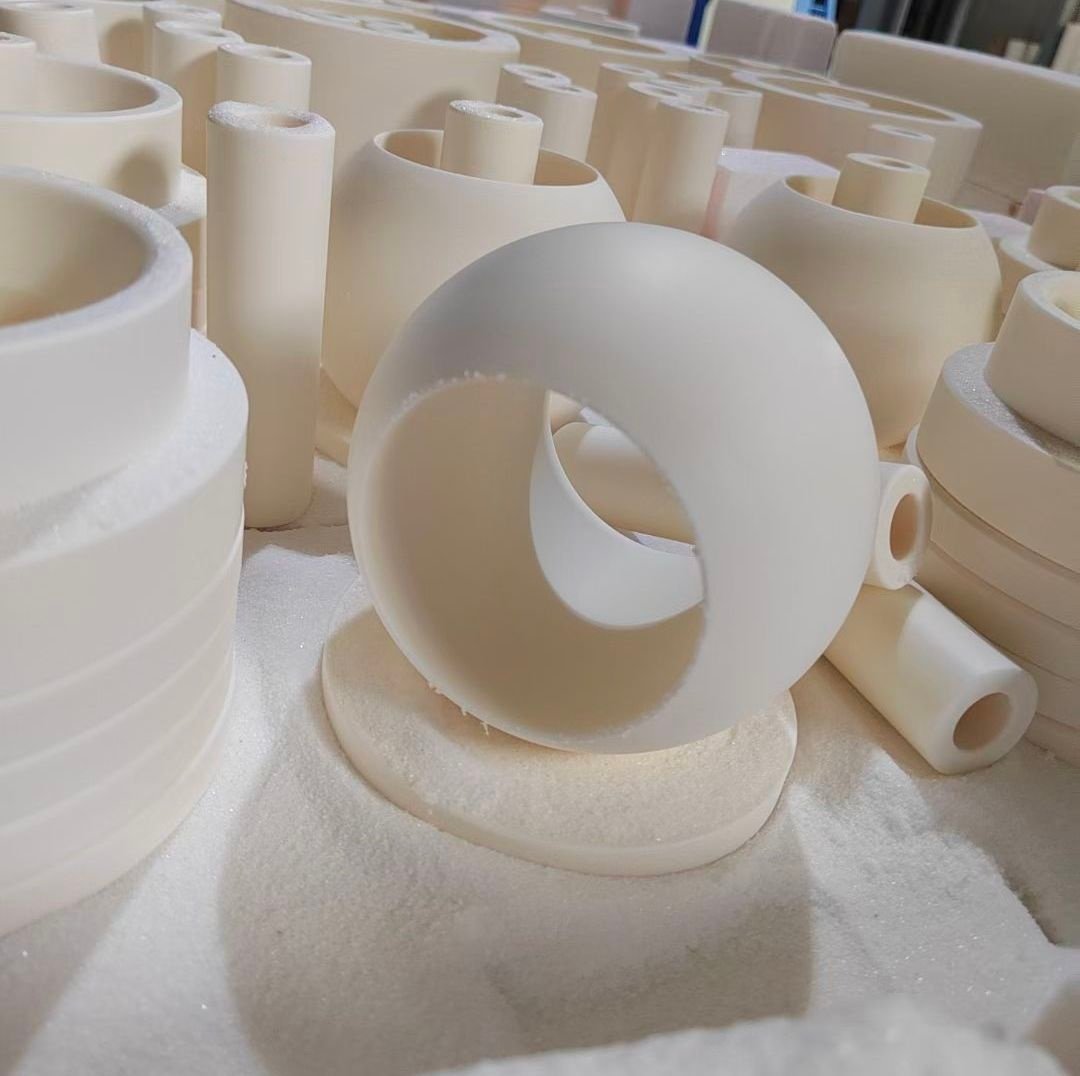
Material and Design Review
Review the drawing, operating conditions, material preference, critical features, quantities and acceptance requirements before selecting a feasible ceramic production route.
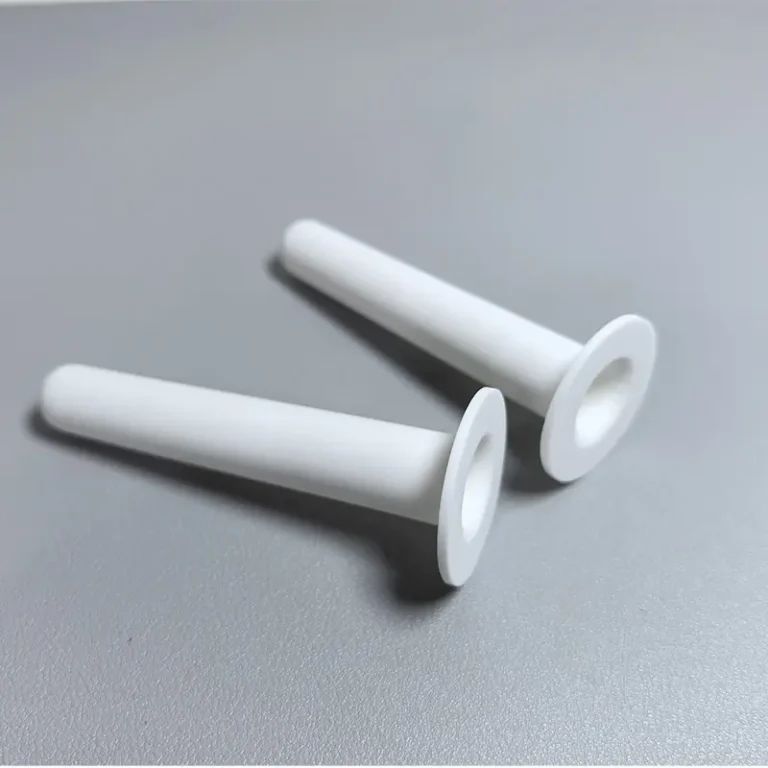
Mold Development
Develop tooling only where the part geometry, quantity and forming strategy justify it; mold design should account for shrinkage, release, feature detail and downstream finishing.
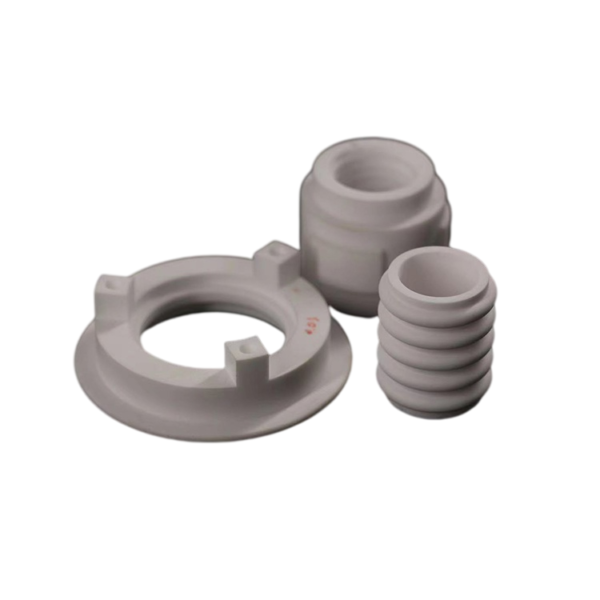
Ceramic Injection Molding
Evaluate ceramic injection molding for repeatable complex forms where tooling, forecast quantity, shrinkage control, wall sections and finishing requirements support the route.
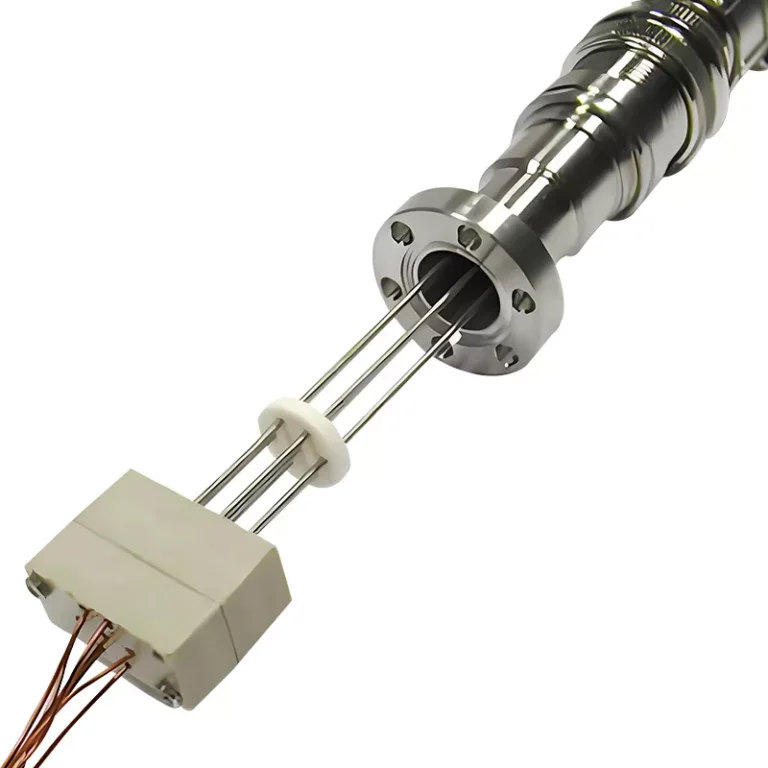
High-Temperature Sintering
Use high-temperature sintering as part of the approved material route, with geometry, shrinkage behavior, support strategy and post-sinter requirements reviewed in advance.
Ceramic Component Forms for Industrial Assemblies
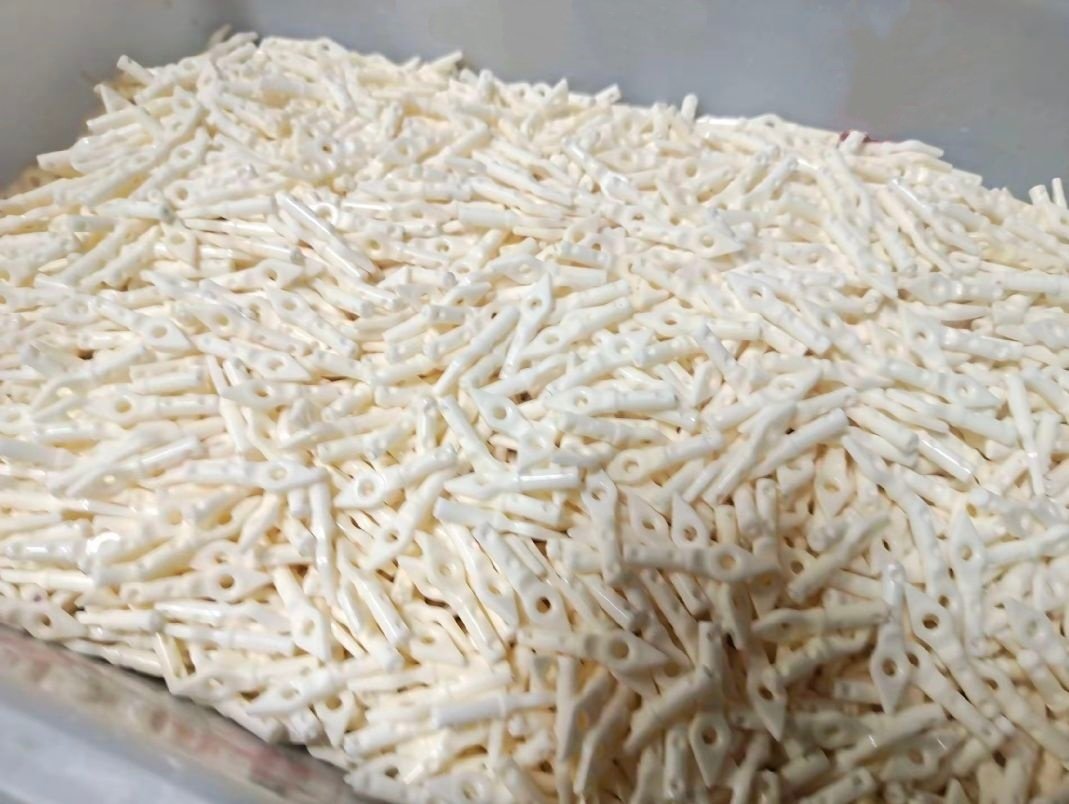
Pins, Shafts and Needles
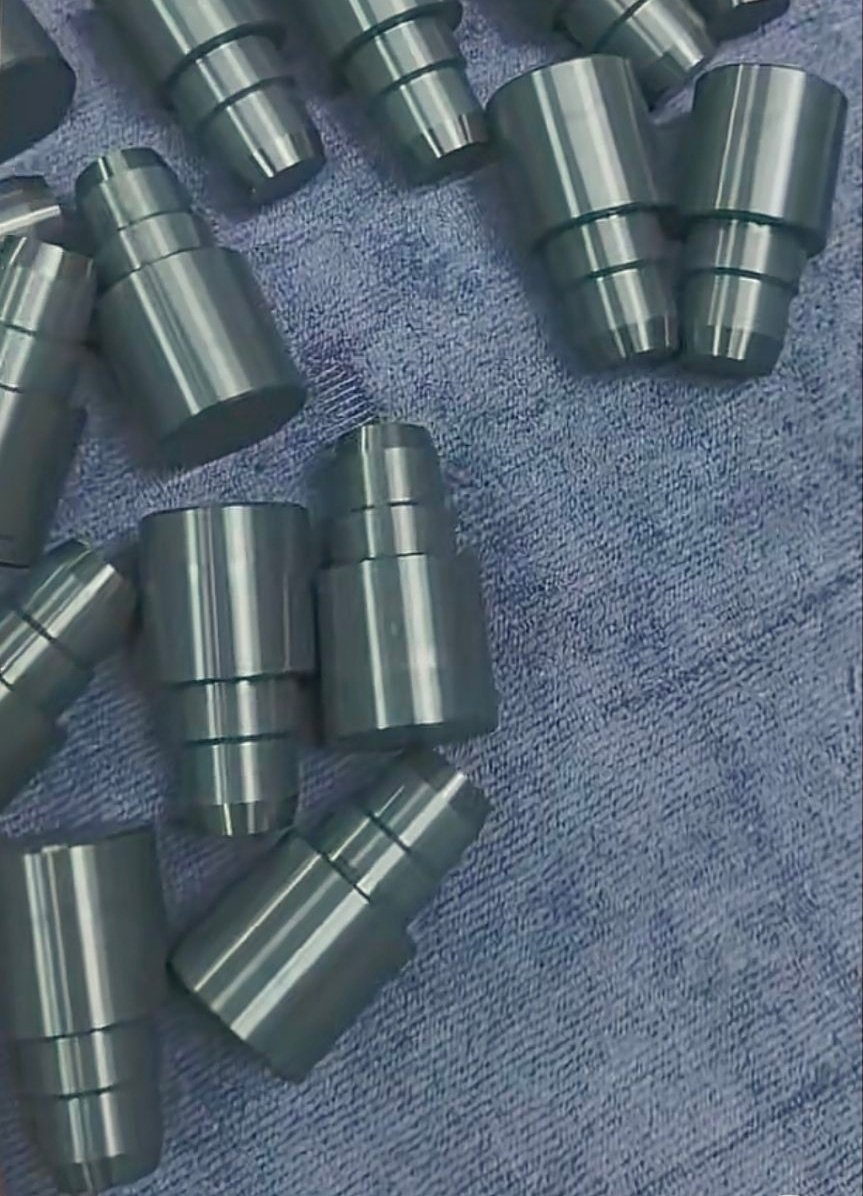
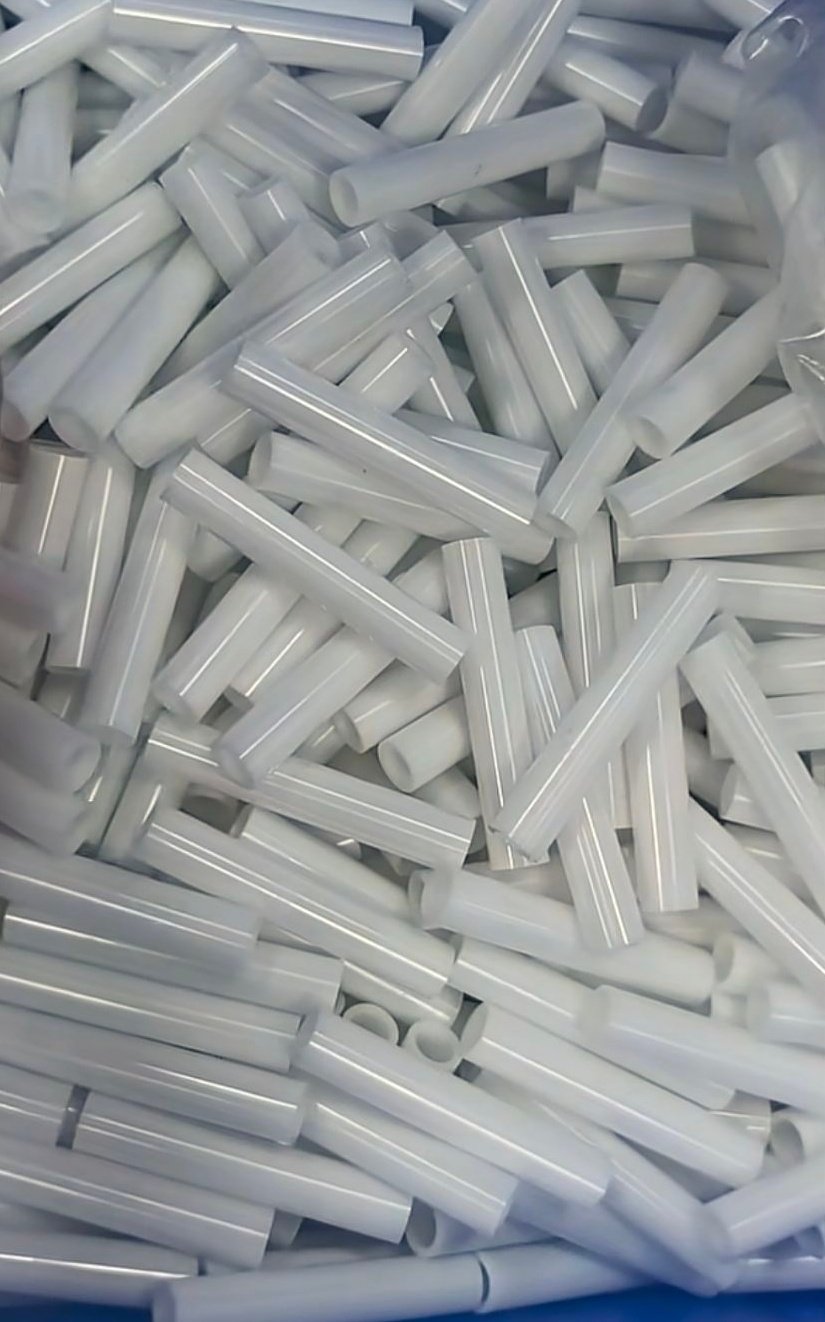
Pins, shafts and needles can be reviewed for drawing-defined diameter, length, straightness, surface, wear, fit and interface requirements.
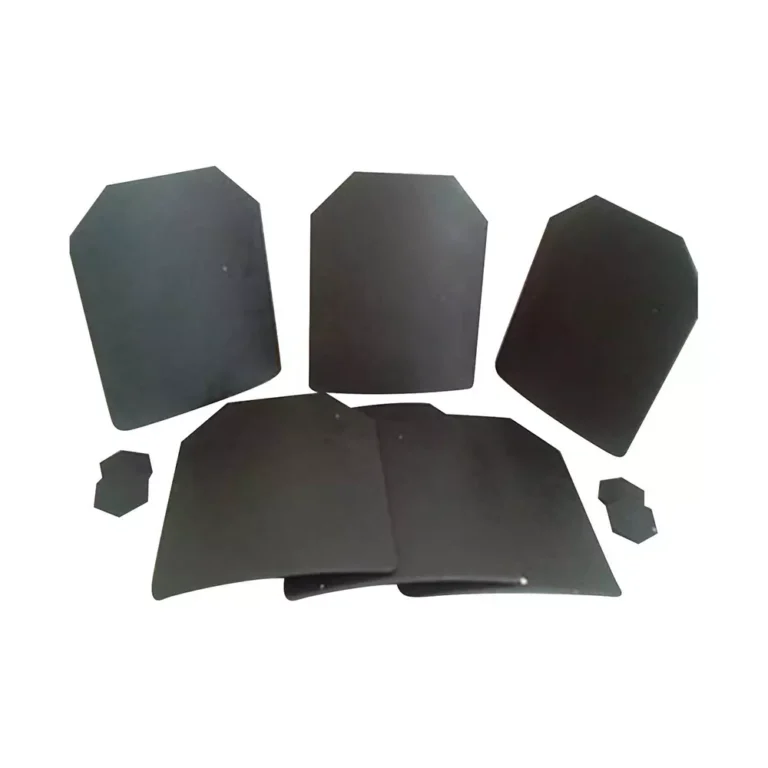
Plates and Discs
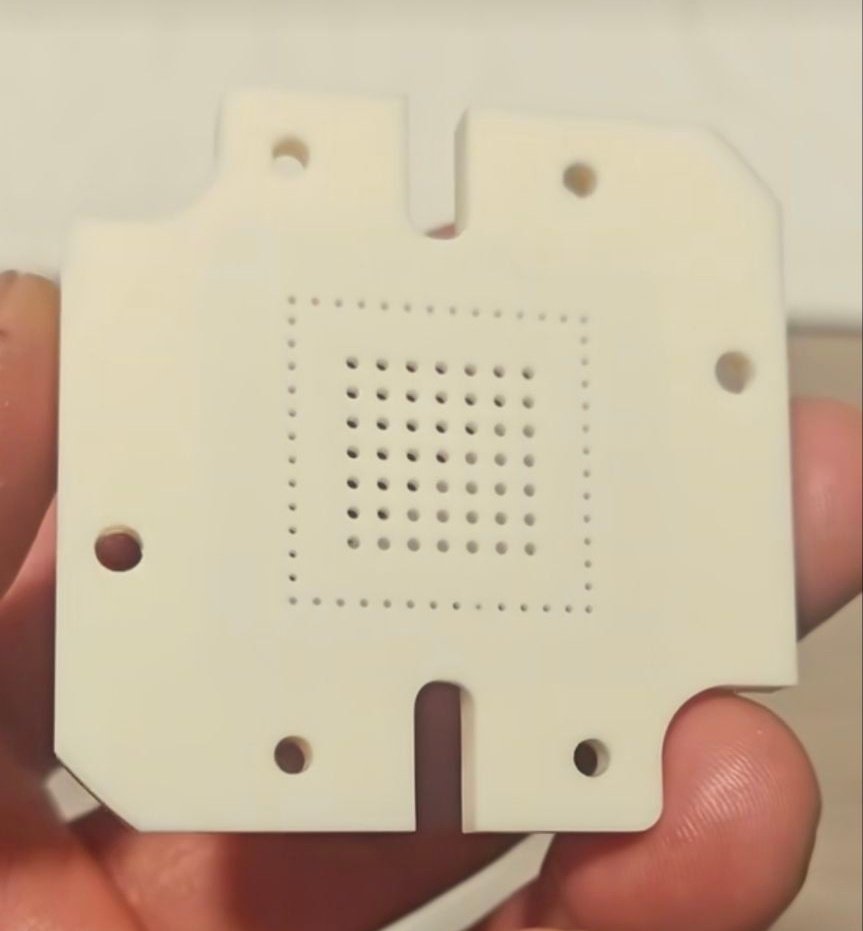
Plates and discs can be assessed for thickness, flatness, holes, edge condition, thermal duty, insulation needs and assembly interfaces.
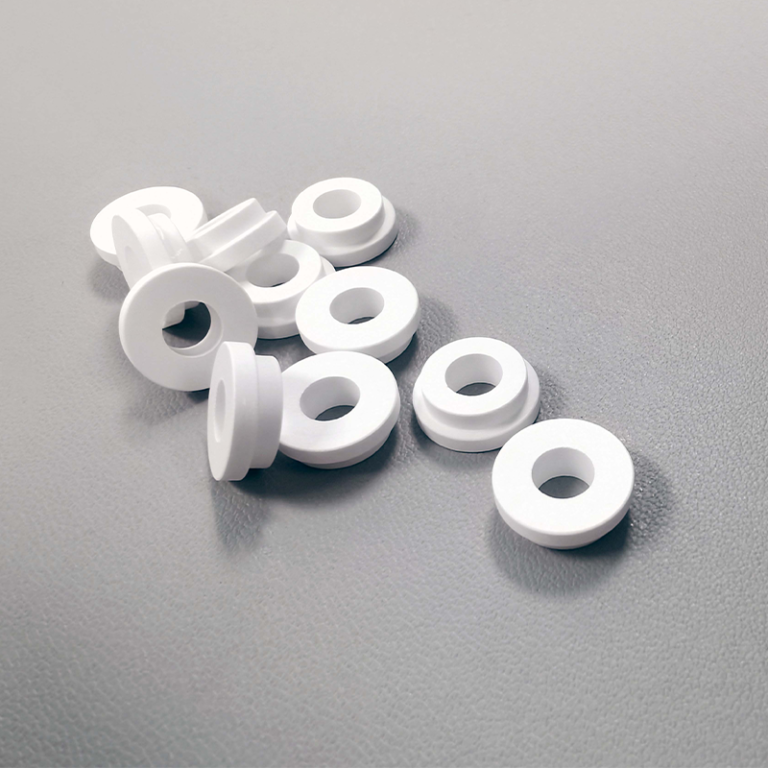
Rings, Seals and Washers
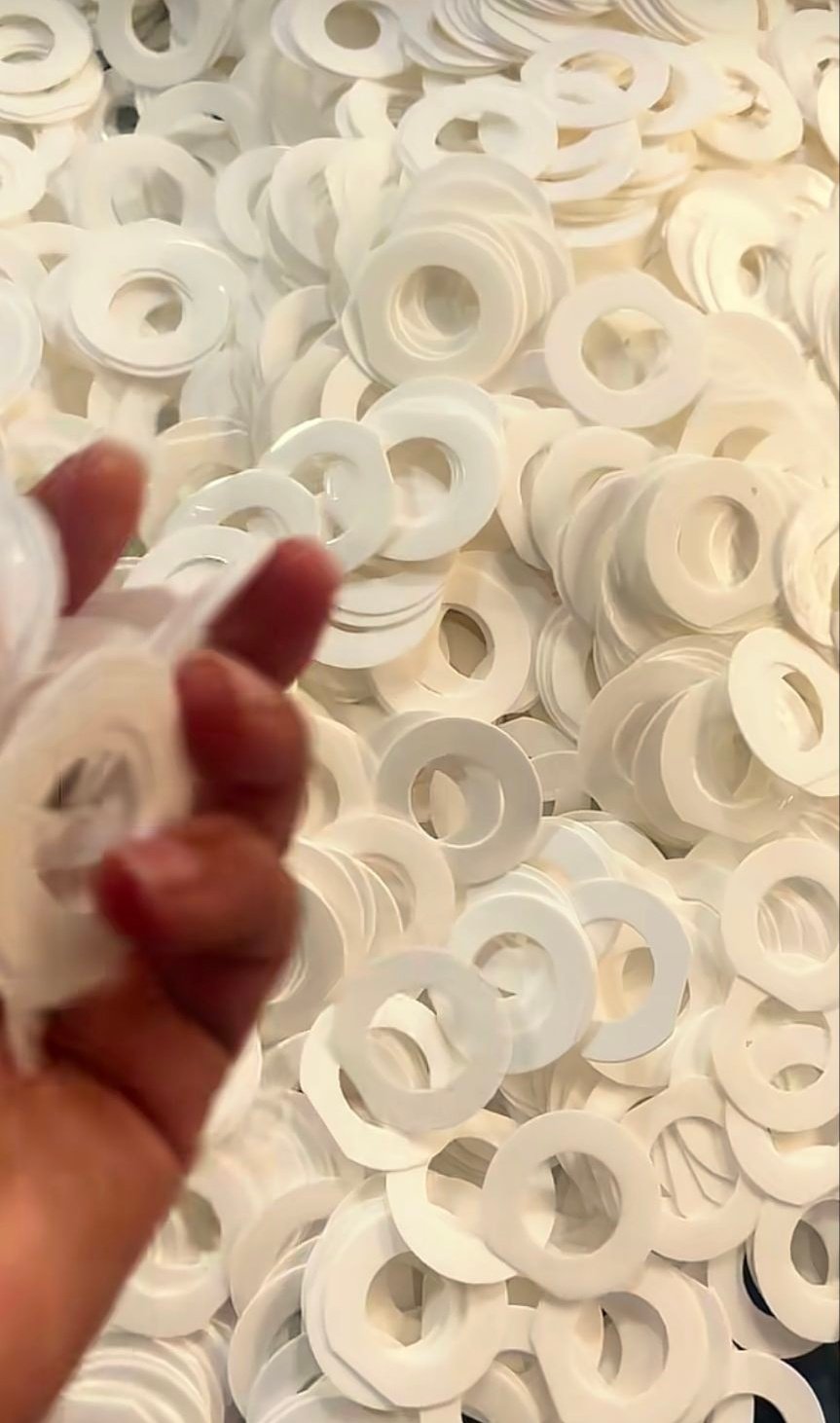
Rings, seals and washers can be developed around drawing-defined sealing surfaces, compression conditions, concentricity, finish, material and inspection requirements.
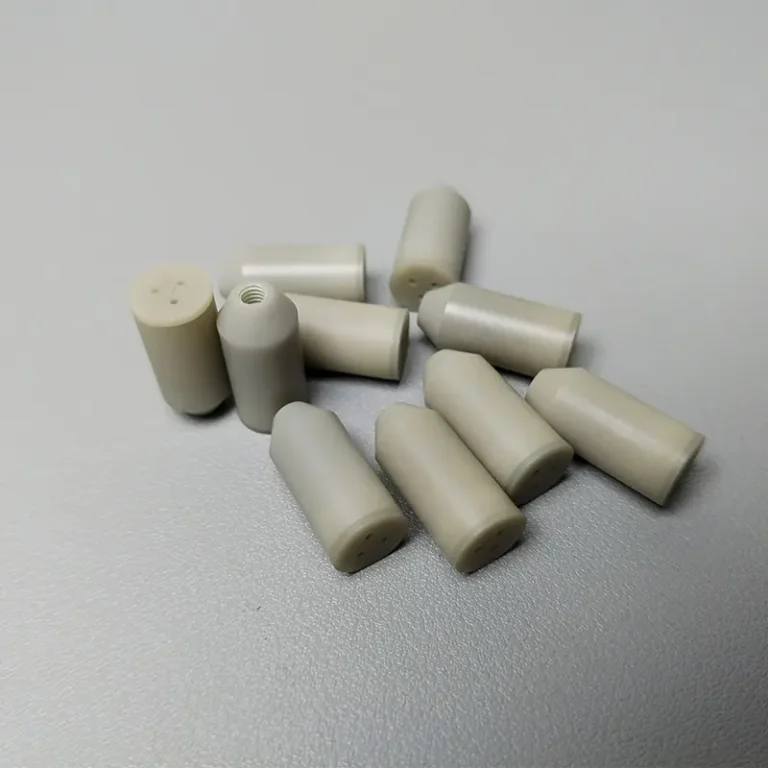
Tubes, Nozzles and Crucibles
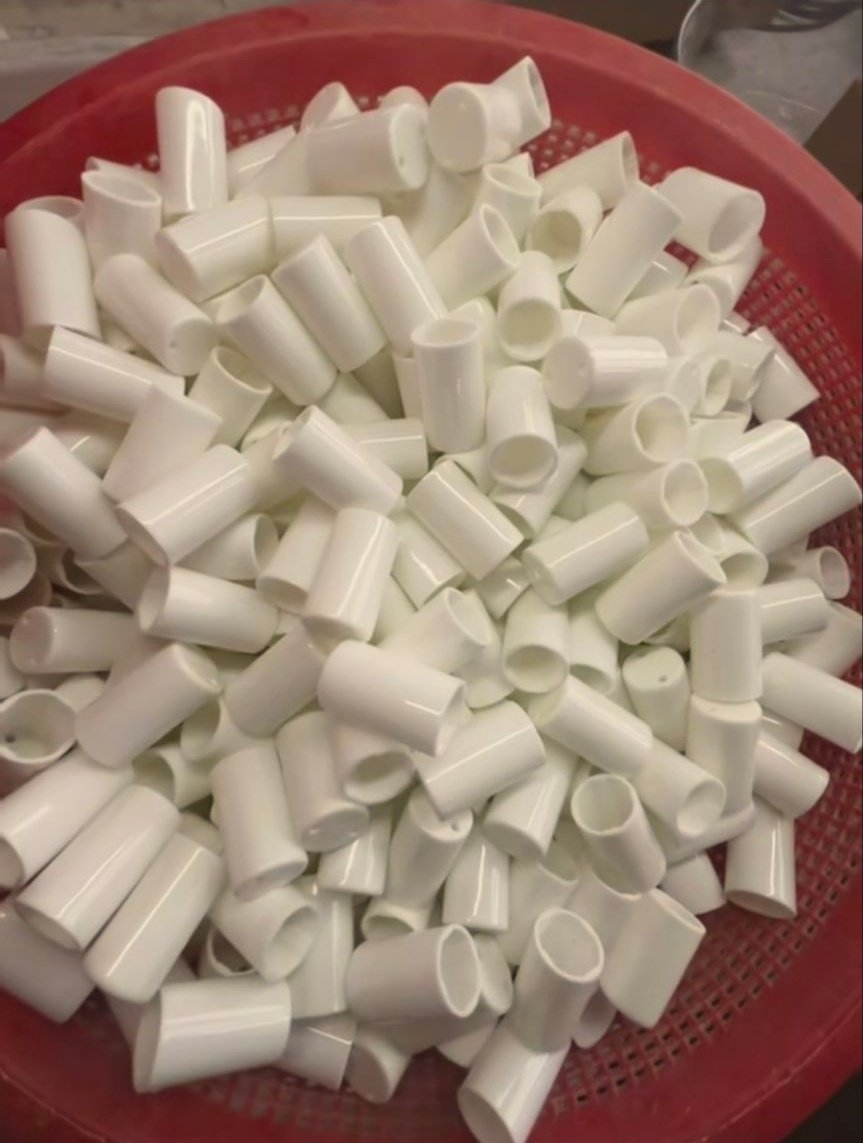
Tubes, nozzles and crucibles can be reviewed for internal geometry, wall sections, fluid or thermal exposure, openings, handling and surface requirements.
C-CERAMIC Manufacturing Capabilities
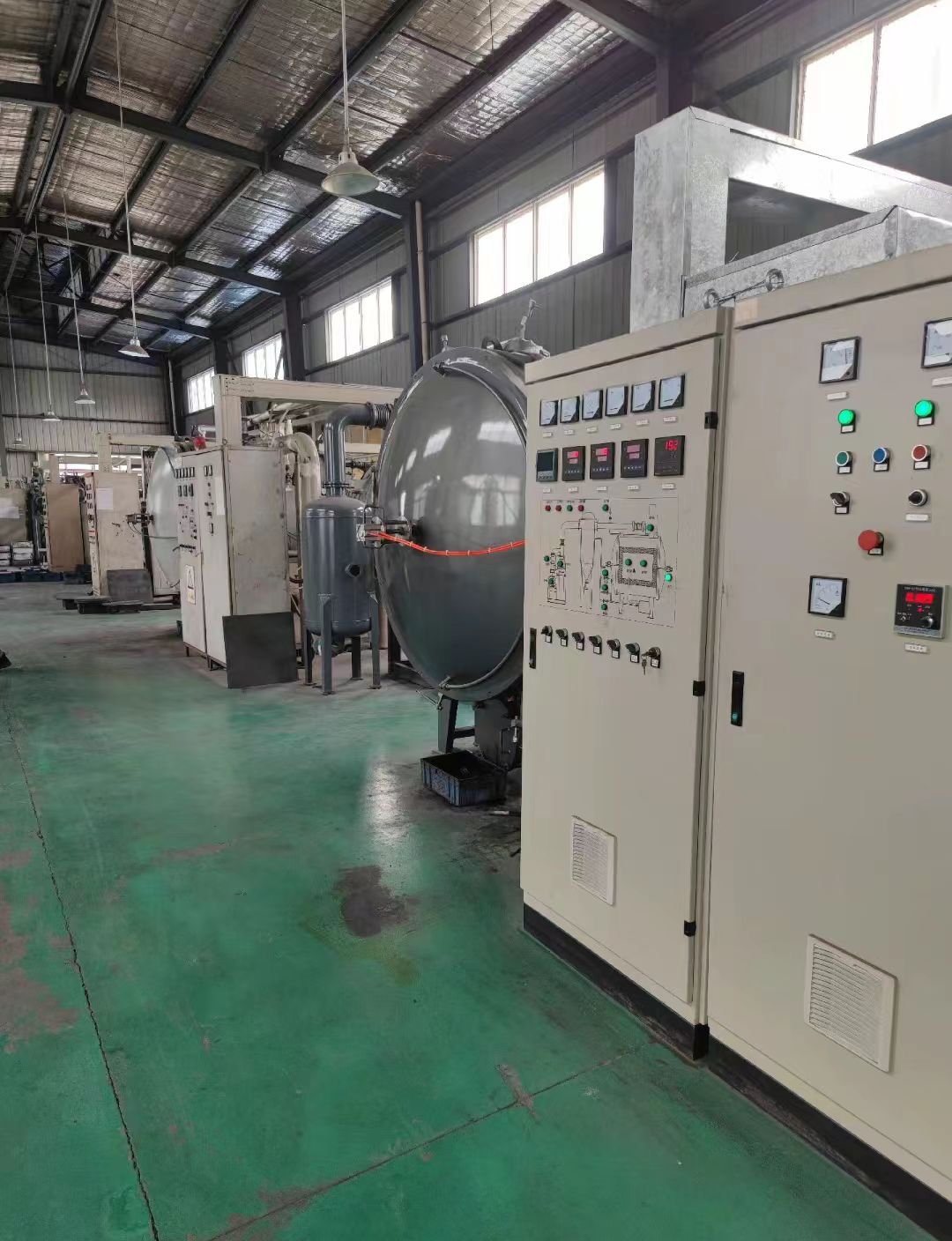
C-CERAMIC exists to help industrial teams turn demanding ceramic part requirements into production-ready components. Our ceramic manufacturing capabilities bring material and design review, mold making, forming, high-temperature sintering, machining, finishing and inspection into one coordinated engineering workflow.
From silicon carbide, zirconia, alumina and silicon nitride components to project-specific technical ceramic selections, we support prototypes, low-volume runs and scalable production. Our platform includes ceramic injection molding, precision grinding, lapping, CNC ceramic machining and final dimensional inspection for parts built around real operating conditions.
What differentiates C-CERAMIC is continuity from the first drawing through contract manufacturing. Engineering, process selection and finishing are aligned around the same component requirements, helping OEM, R&D and procurement teams source pins, seals, plates, tubes, nozzles and other custom ceramic parts with a clear path to production.
Advanced Ceramic Materials for Application-Specific Components
Precision Equipment
Ceramic parts for handling, insulation, positioning and process equipment can be reviewed around surface condition, dimensional stability, cleanliness expectations and assembly interfaces. Final suitability remains drawing- and application-specific.
- Alumina, zirconia or other reviewed material options
- Critical geometry, surface and interface assessment
- Prototype review before repeat production
Chemical Processing
Ceramic components for chemical processing can be evaluated around corrosive media, abrasion, temperature, pressure, fluid paths and sealing interfaces. Material choice and geometry require review against the actual process conditions.
- Aggressive-media and wear-duty review
- Pump, piston, seal, valve and nozzle geometries
- Repeat-batch requirements defined before quotation
Industrial Machinery
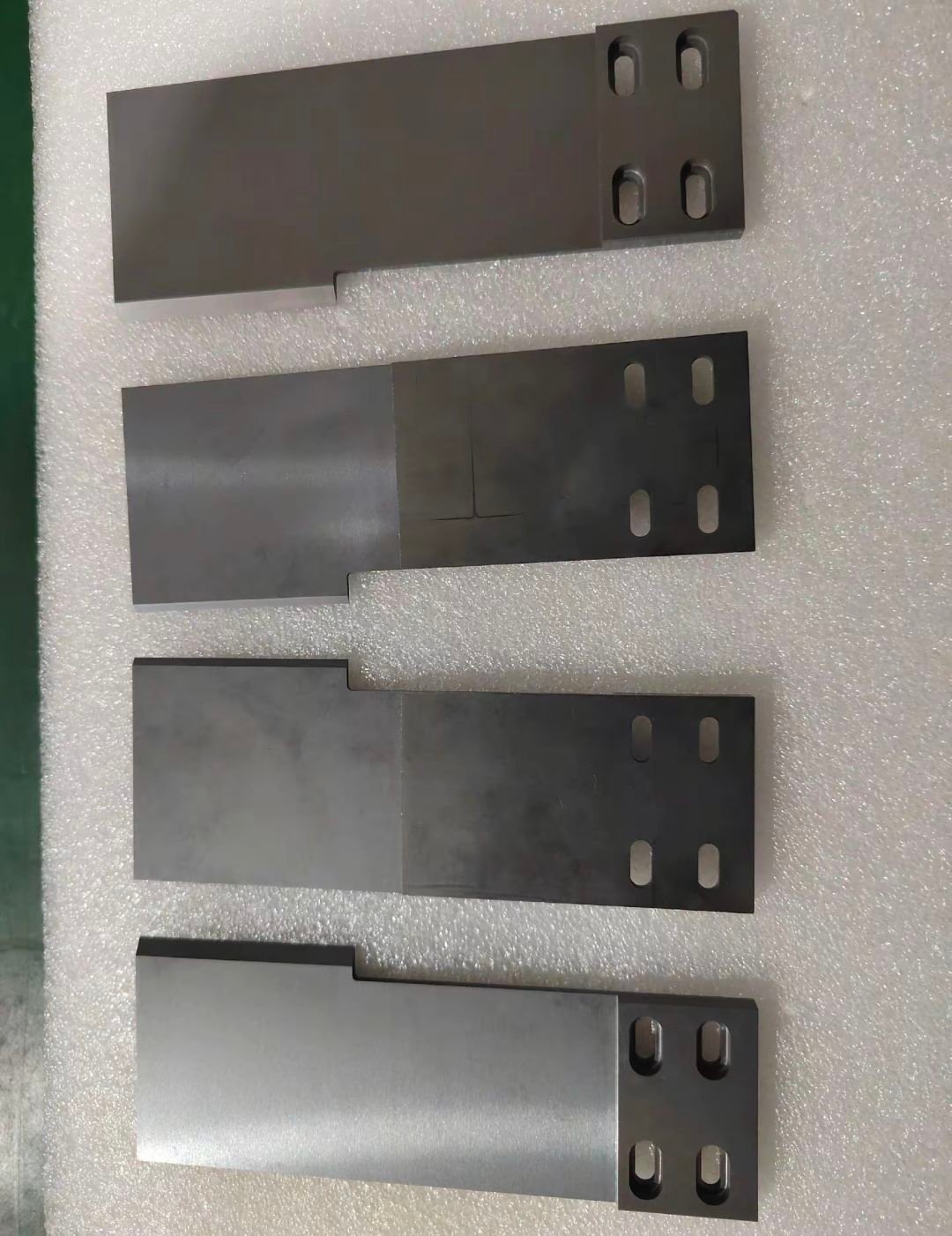
Pins, shafts, guides, sleeves, plates and wear components can be assessed for friction, abrasion, alignment, contact loading and stable motion. The production route should reflect feature access and inspection needs.
- Wear interfaces reviewed during design assessment
- CNC machining, grinding and lapping options
- Inspection matched to assembly-critical features
Energy and High-Temperature Applications
Ceramic parts for thermal exposure and demanding mechanical environments can be reviewed around duty cycle, temperature changes, loading, support conditions and functional surfaces. Feasibility depends on the complete operating specification.
- Temperature, cycling and loading conditions
- Silicon carbide or silicon nitride review options
- Finishing route matched to functional surfaces
How to Source Advanced Ceramic Materials for Industrial Parts
Define the Component and Operating Duty
Begin with the component’s job, not only its material label. Record whether it is a pin, shaft, seal, washer, plate, tube, nozzle, crucible, pump, piston, insulator or drawing-based precision part. Describe the contacting materials, motion, pressure, temperature exposure, thermal cycling, fluid or chemical media, abrasive particles and expected loading. Identify whether failure would involve wear, fracture, leakage, distortion, contamination, electrical breakdown or loss of alignment. Include the mating assembly because ceramic performance depends on interfaces, clearances, clamping and differential expansion. State the expected quantity, repeat frequency and development stage so the supplier can distinguish prototype, low-volume and production requirements. If the duty is not fully known, mark assumptions clearly rather than converting them into fixed specifications. Photos, failed parts and assembly sketches can help explain the application, but they do not replace a controlled drawing. This operating-duty summary gives C-CERAMIC a basis to compare advanced ceramic materials and to identify risks that may influence geometry, forming, sintering, finishing, inspection and quotation.
Choose Materials and Compatible Interfaces
Compare material families against the complete duty rather than selecting by a single headline property. Alumina may be reviewed for insulation and general wear duties; zirconia may be considered where toughness, wear and precision geometry are important; silicon carbide may warrant review for severe wear, corrosion or thermal exposure; silicon nitride may be considered for demanding mechanical or thermal-cycling conditions. These are starting points, not guarantees. The selected material must also suit the component’s geometry, forming method, sintering route and finishing plan. Review contact with shafts, housings, seals, fasteners, fluids, coatings and cleaning media. Pay attention to edge sensitivity, thermal expansion mismatch, surface interaction and the possibility of local stress from clamping or interference fits. Ask how the proposed material condition will be identified and what documentation can support release. If the drawing names a grade, preserve that requirement; if it does not, request a reasoned comparison of feasible options. A project-level material review helps prevent a nominally suitable ceramic from becoming impractical at the interface or during production.
Review Geometry and Manufacturing Routes
Ceramic geometry should be reviewed with forming, sintering and finishing in mind from the beginning. Identify thin walls, deep holes, sharp internal corners, long slender sections, abrupt thickness changes, unsupported features, threads, slots and close-tolerance interfaces. These details can influence mold design, green-part handling, shrinkage, distortion risk, machining access and inspection access. For repeat quantities, ceramic injection molding may be considered for complex smaller parts when tooling and forecast demand justify the route. For prototypes or lower quantities, another forming or machining approach may be more practical. Fully sintered ceramic machining, grinding or lapping can be evaluated for critical features, but the feasible route depends on material, allowance, access and surface requirements. Ask the supplier to identify which dimensions are formed, which are finished after sintering and where datum transfer could affect assembly. A useful quotation should separate tooling, forming, sintering, post-sinter machining, finishing and inspection assumptions. Review the proposed process against the drawing before approving changes, because a low-cost route that alters a functional interface may create more risk than it removes.
Set Inspection and Acceptance Criteria
Inspection requirements should describe what makes the ceramic component acceptable in the assembly. Mark functional datums, critical diameters, flatness, concentricity, wall thickness, hole position, edge condition, sealing surfaces and any required surface finish. Explain which characteristics are safety-, fit- or performance-critical and which are informational. Confirm the drawing revision, units, datum scheme, sampling expectations and report format before production. Ceramic parts can require different inspection planning before and after sintering because shrinkage, support, machining allowance and surface access affect measurement strategy. Ask how visible damage, chips, cracks, contamination, discoloration or handling marks will be assessed, but do not add unverified acceptance limits. If material documentation, lot identification, process records or dimensional reports are required, include them in the RFQ rather than assuming they are standard. For prototypes, distinguish learning measurements from final production acceptance. For repeat supply, define how nonconforming parts, changes to material or process and reinspection will be managed. A clear acceptance plan lets C-CERAMIC align forming, finishing and final quality inspection with the features that actually control your procurement decision.
Compare Prototype and Production Quotations
A prototype quotation and a production quotation may use different technical routes, so compare assumptions rather than only unit prices. Check whether the proposal includes material review, tooling or mold development, forming, sintering, machining, grinding, lapping, inspection, packing and documentation. Identify which costs are one-time, which recur per batch and which depend on quantity. Ask whether prototype parts will use the same material condition, geometry and critical finishing route intended for production. If not, clarify what the prototype can and cannot prove. For production, compare forecast quantity, minimum order assumptions, batch structure, process-change controls and inspection scope. Confirm that shrinkage, machining allowance, datum strategy and surface requirements are included in the technical review. Avoid treating an estimated lead time, capacity statement or material availability as fixed until C-CERAMIC confirms them for the specific project. A useful comparison also records exclusions: additional testing, revised drawings, special packing, new tooling, engineering changes or rework. This makes competing proposals easier to assess and helps procurement understand whether a lower initial figure transfers cost or risk into later stages.
Prepare a Complete RFQ and Qualification Plan
A strong RFQ gives the supplier enough context to evaluate the advanced ceramic materials and route without guessing. Include the latest drawing or model, material or grade preference, annual and release quantities, prototype needs, operating conditions, interfaces, critical dimensions, surface requirements, packing expectations and required documentation. State whether the part will contact chemicals, abrasive media, high temperatures, electrical systems or sensitive assemblies. Identify any prohibited substitutions and explain which requirements are mandatory versus open to engineering review. Ask for a proposed material, process flow, tooling assumption, finishing plan, inspection scope, quotation validity and exclusions. Request clarification where feasibility is conditional, especially for unfamiliar grades, complex geometry or unverified production routes. Qualification should include drawing review, material approval, prototype inspection, fit or functional checks and defined release criteria before repeat supply. Keep changes controlled after approval; a different material, sintering route, finishing method or supplier source may affect dimensions and performance. C-CERAMIC can use the RFQ to determine whether its published material and manufacturing capabilities align with the project, while the buyer retains a clear record of the evidence required for acceptance.