
Alumina Ceramics for Engineered Industrial Components
Alumina Components
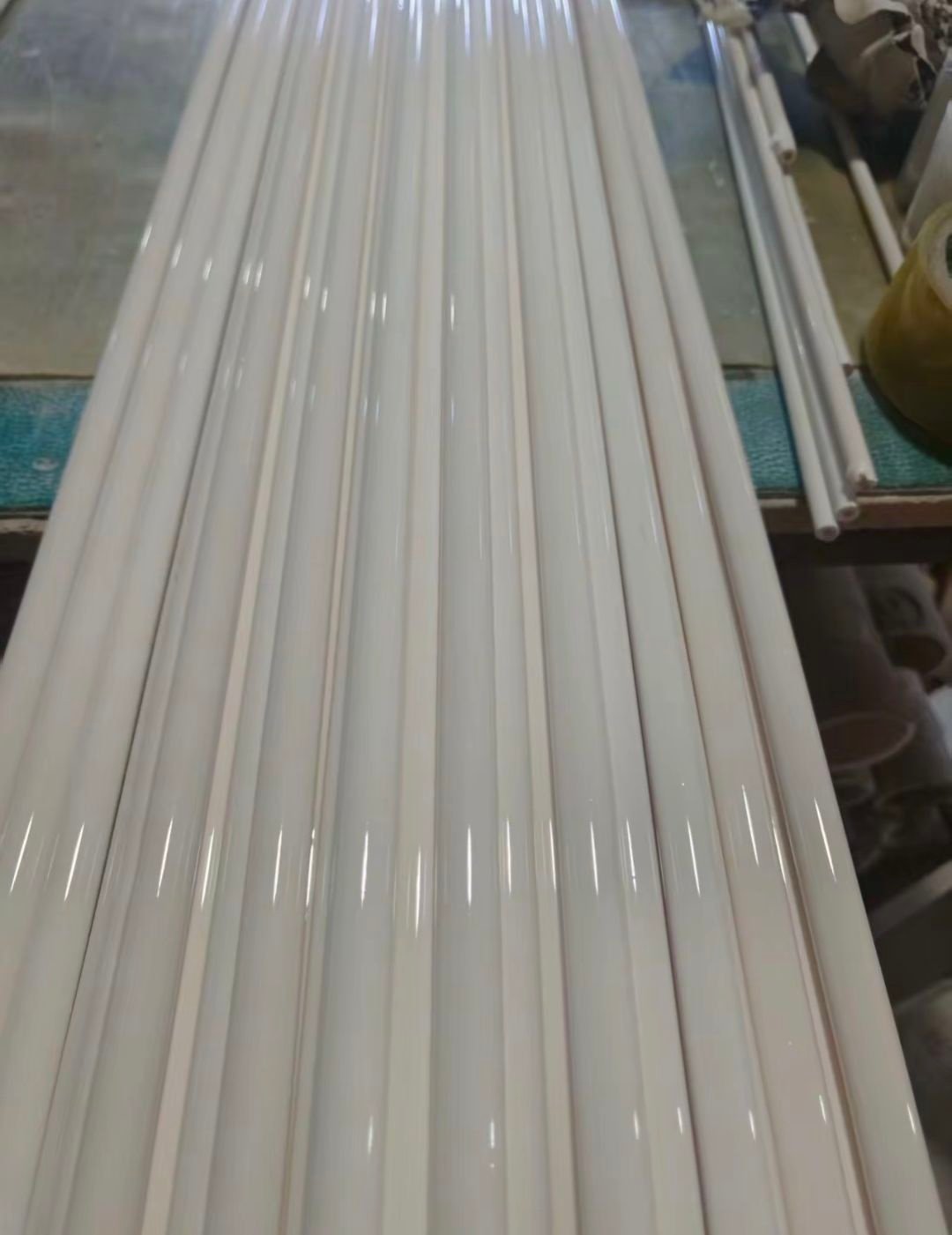
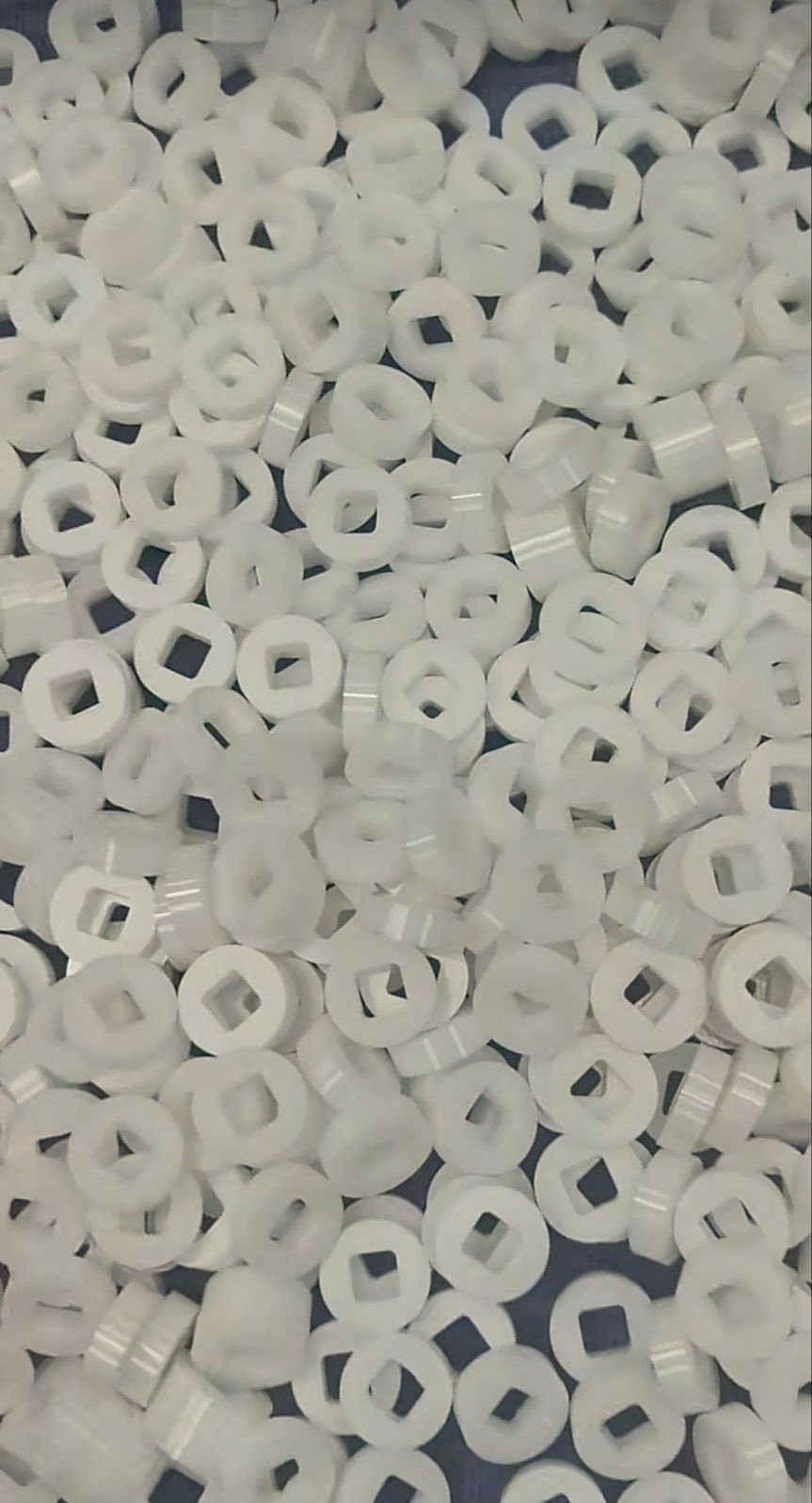
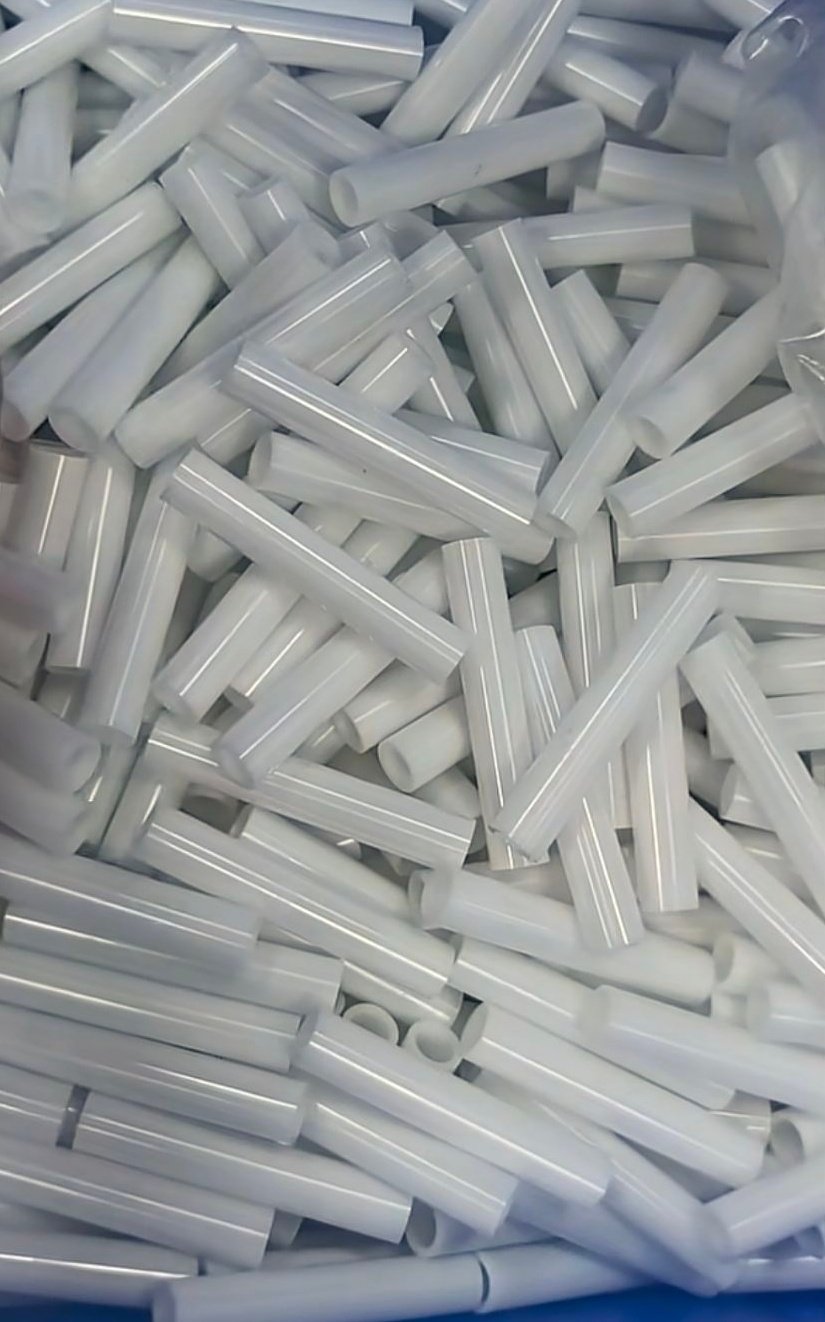
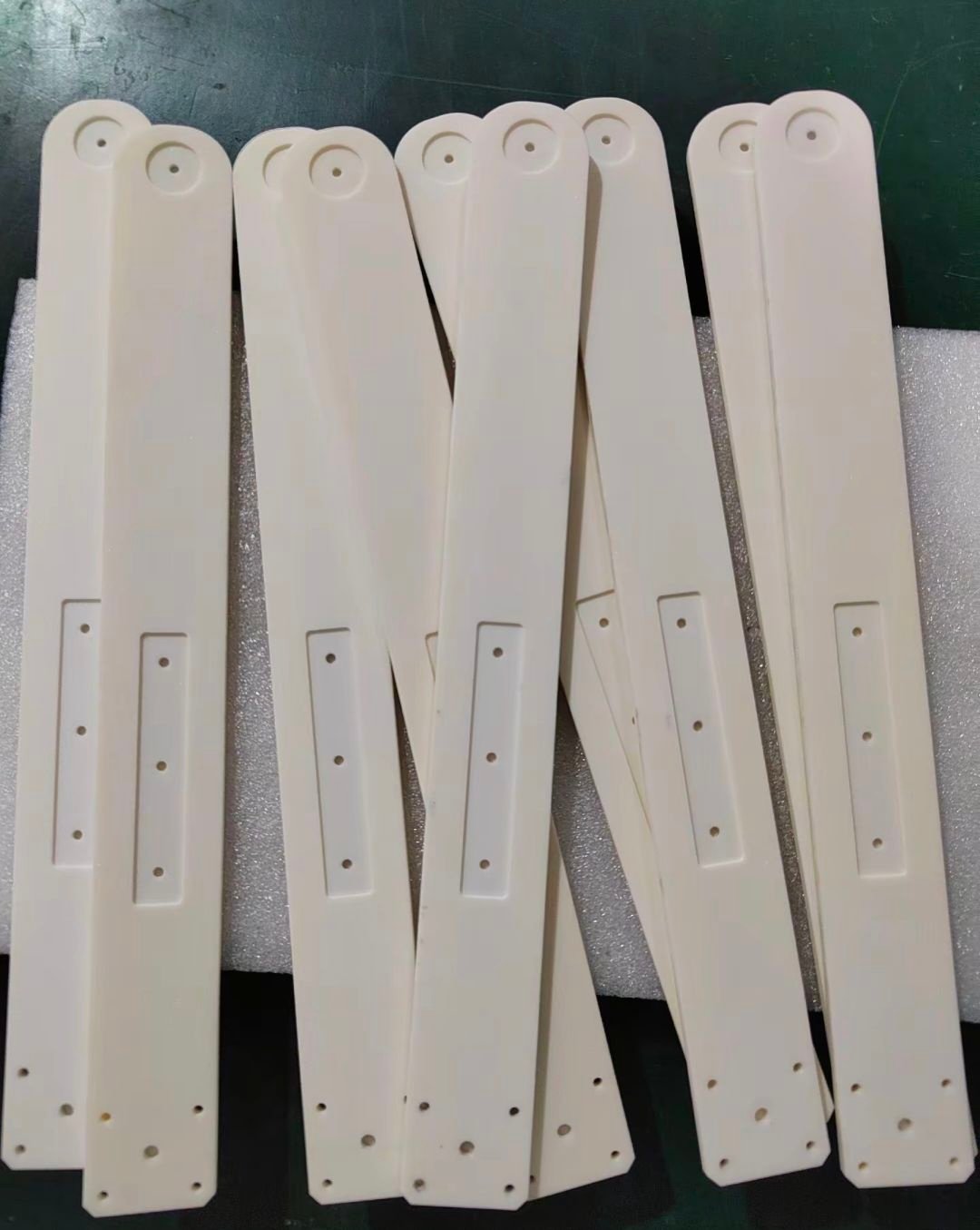
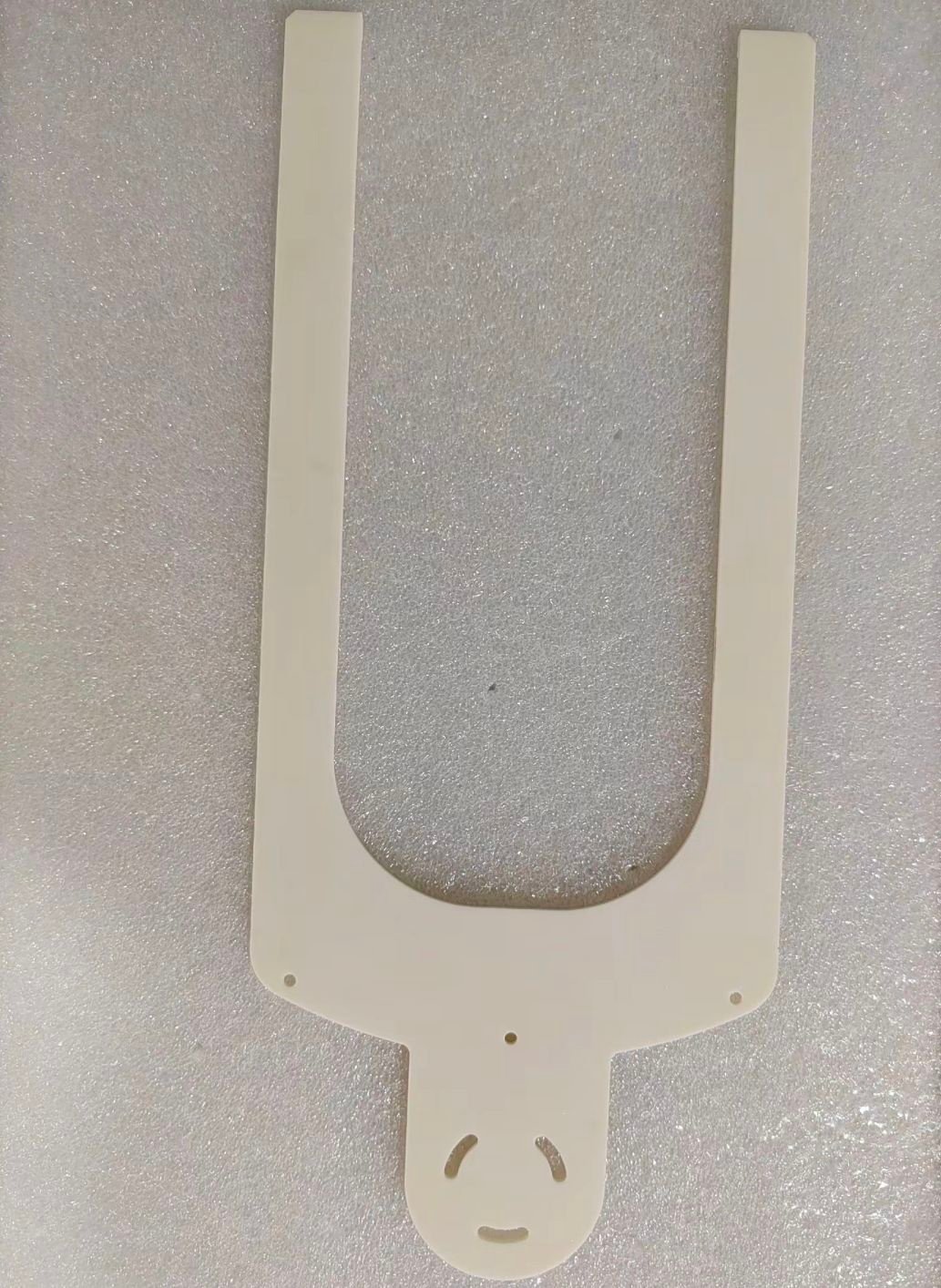
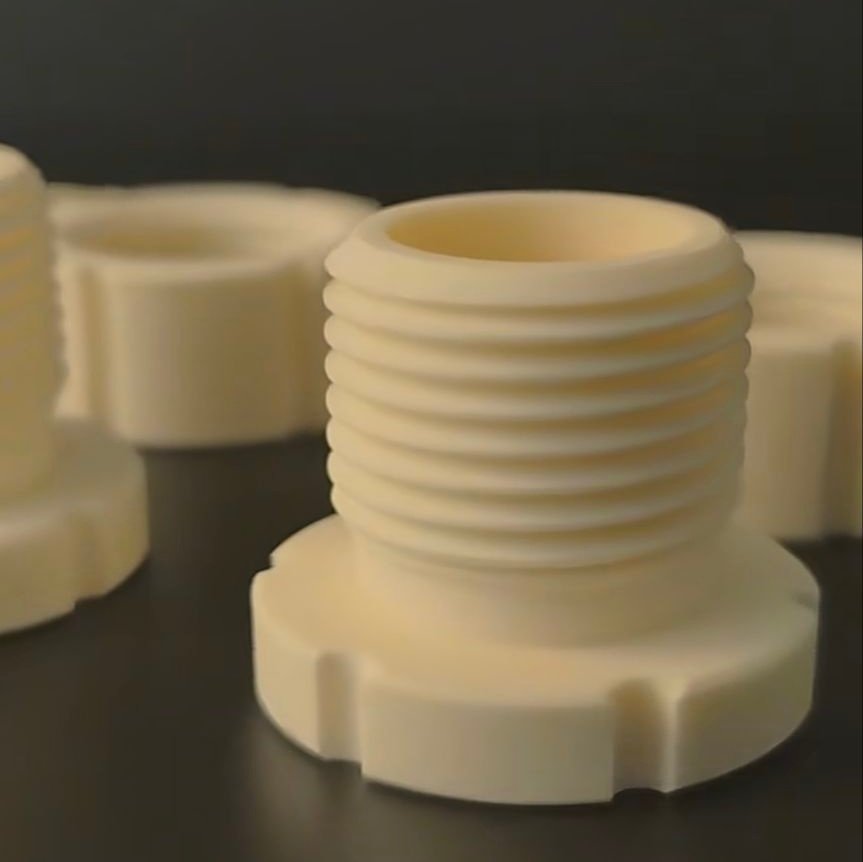
Alumina ceramic for Industrial Assemblies
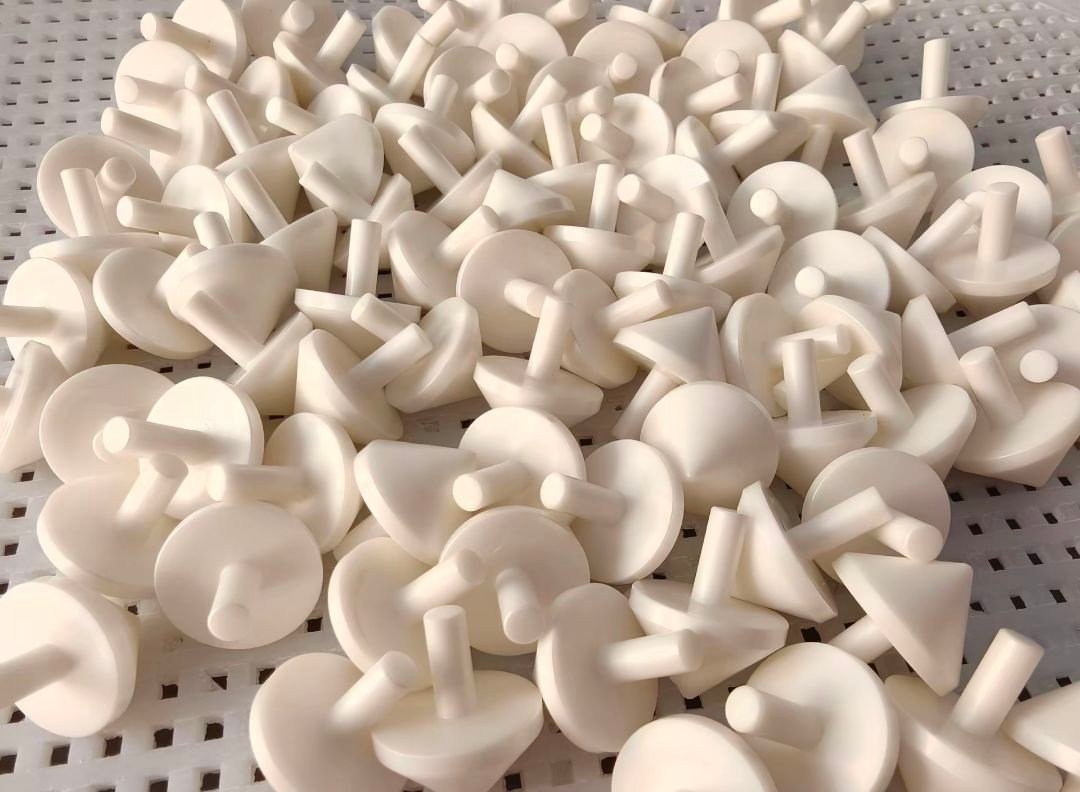
Alumina Pins, Shafts and Needles
Alumina pins, shafts and needles can be reviewed for alignment, wear, insulation, contact surfaces and drawing-defined dimensional requirements.
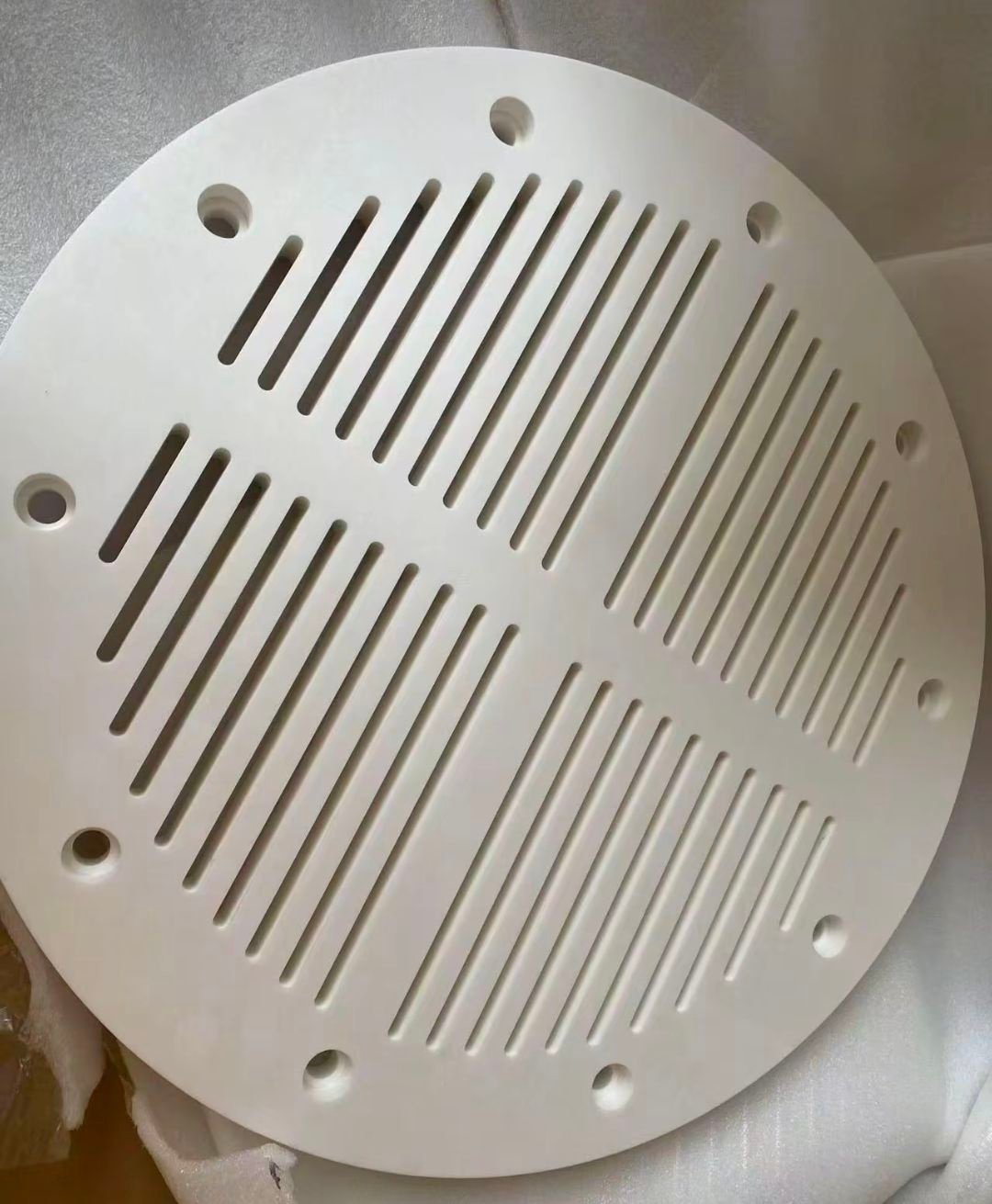
Alumina Plates and Discs
Alumina plates and discs can be developed around thickness, flatness, holes, edge condition, thermal exposure and assembly interfaces.
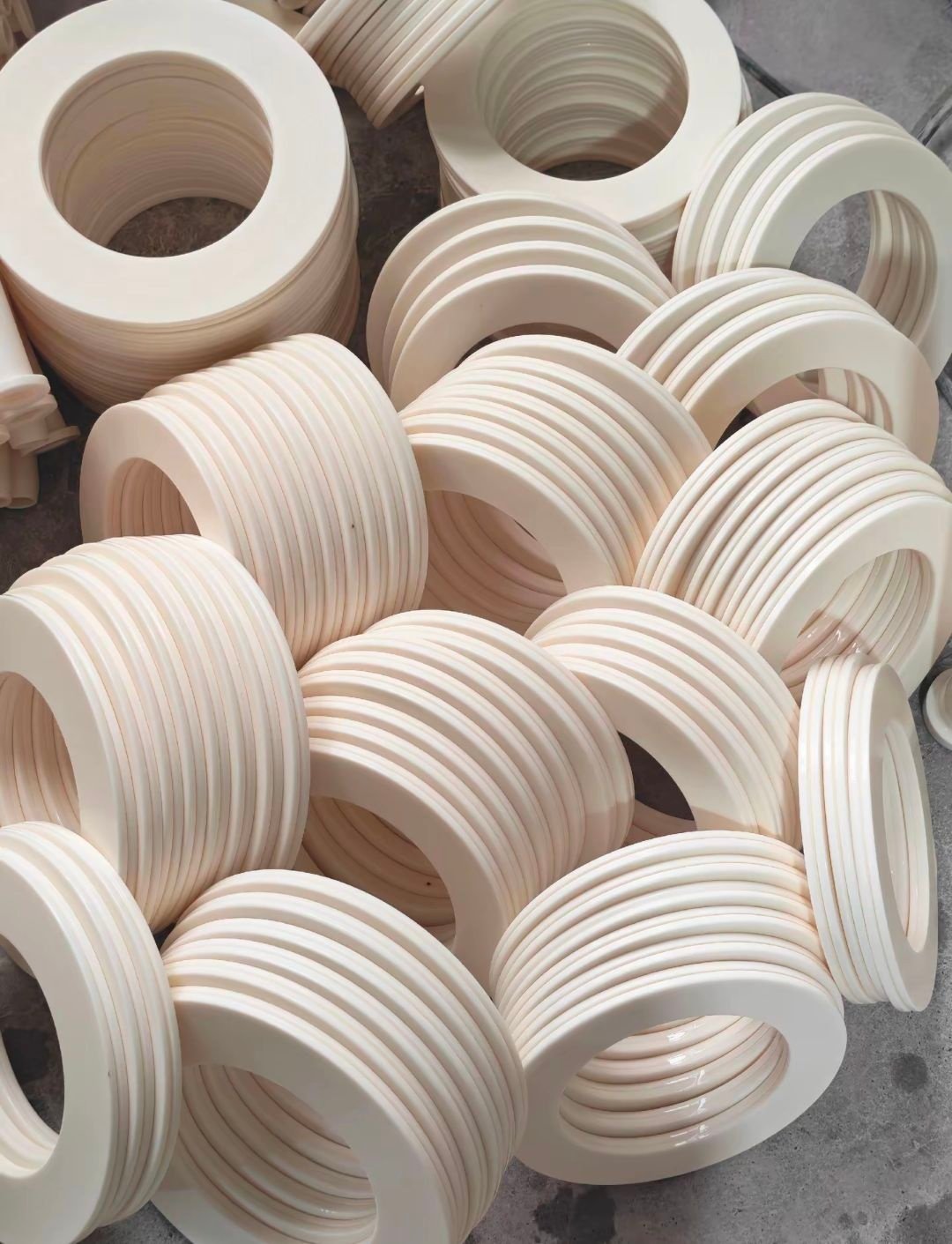
Alumina Rings, Seals and Washers
Alumina rings, seals and washers can be assessed for fit, compression or contact conditions, surface finish, edge integrity and chemical environment.
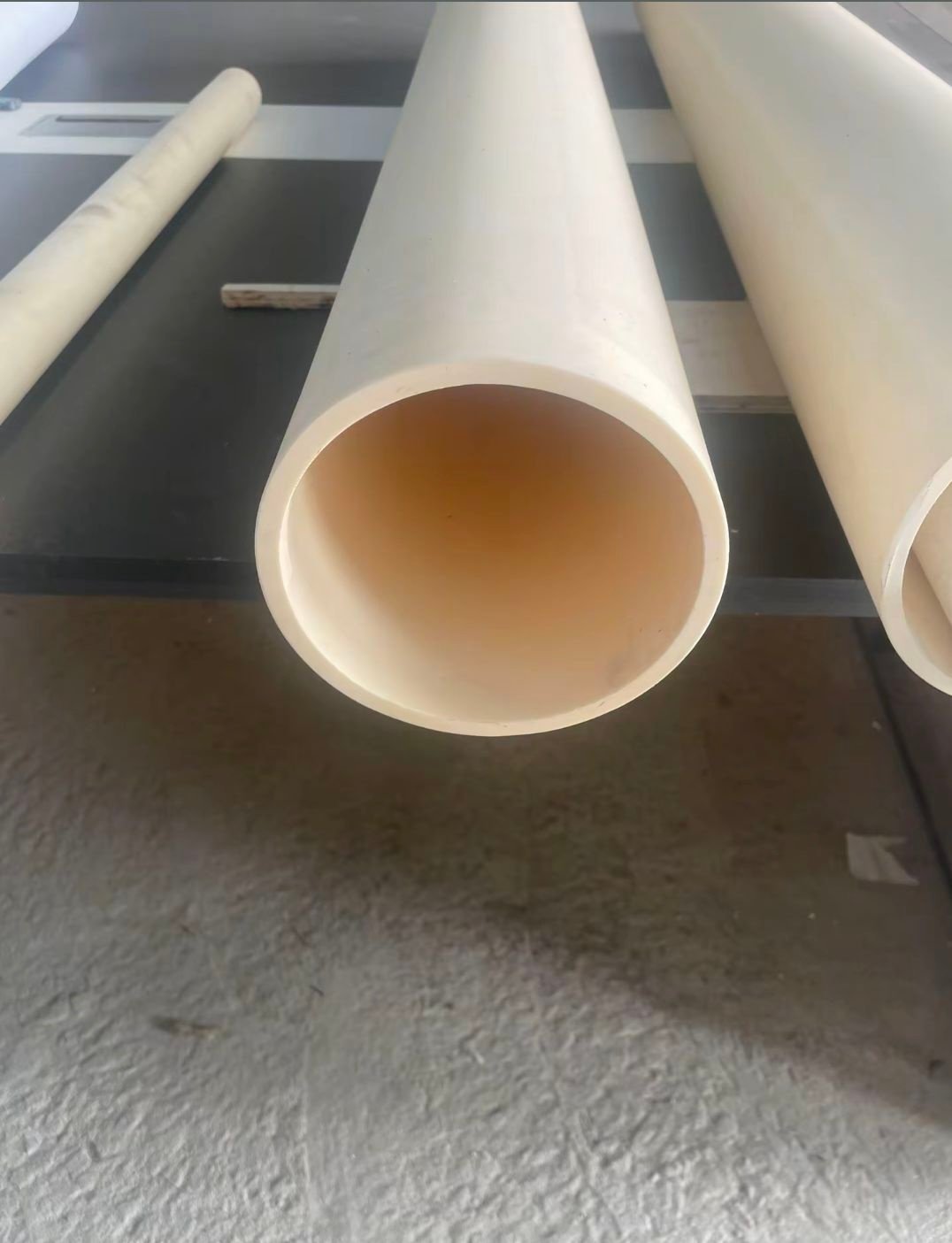
Alumina Tubes, Nozzles and Crucibles
Alumina tubes, nozzles and crucibles can be reviewed for wall sections, openings, thermal cycling, fluid or material contact and handling requirements.
Alumina Parts
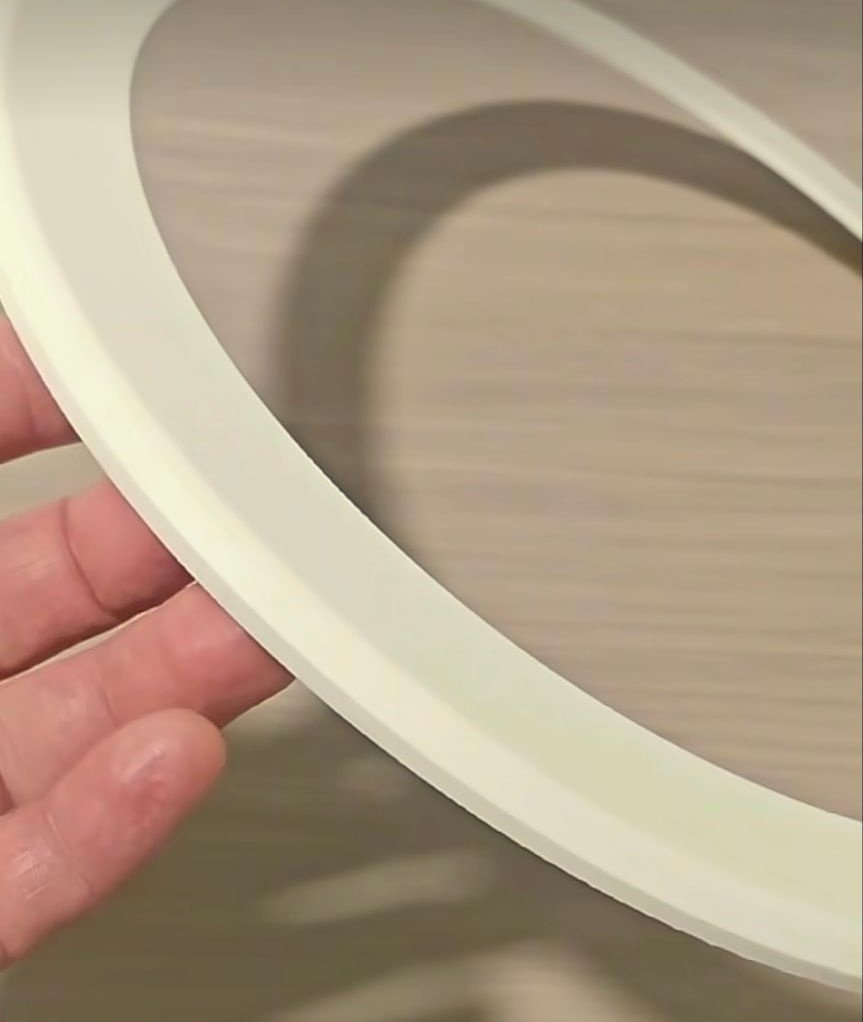
Alumina Parts & Components
Review alumina parts and components against drawing, interface and inspection requirements.
Email for a Quote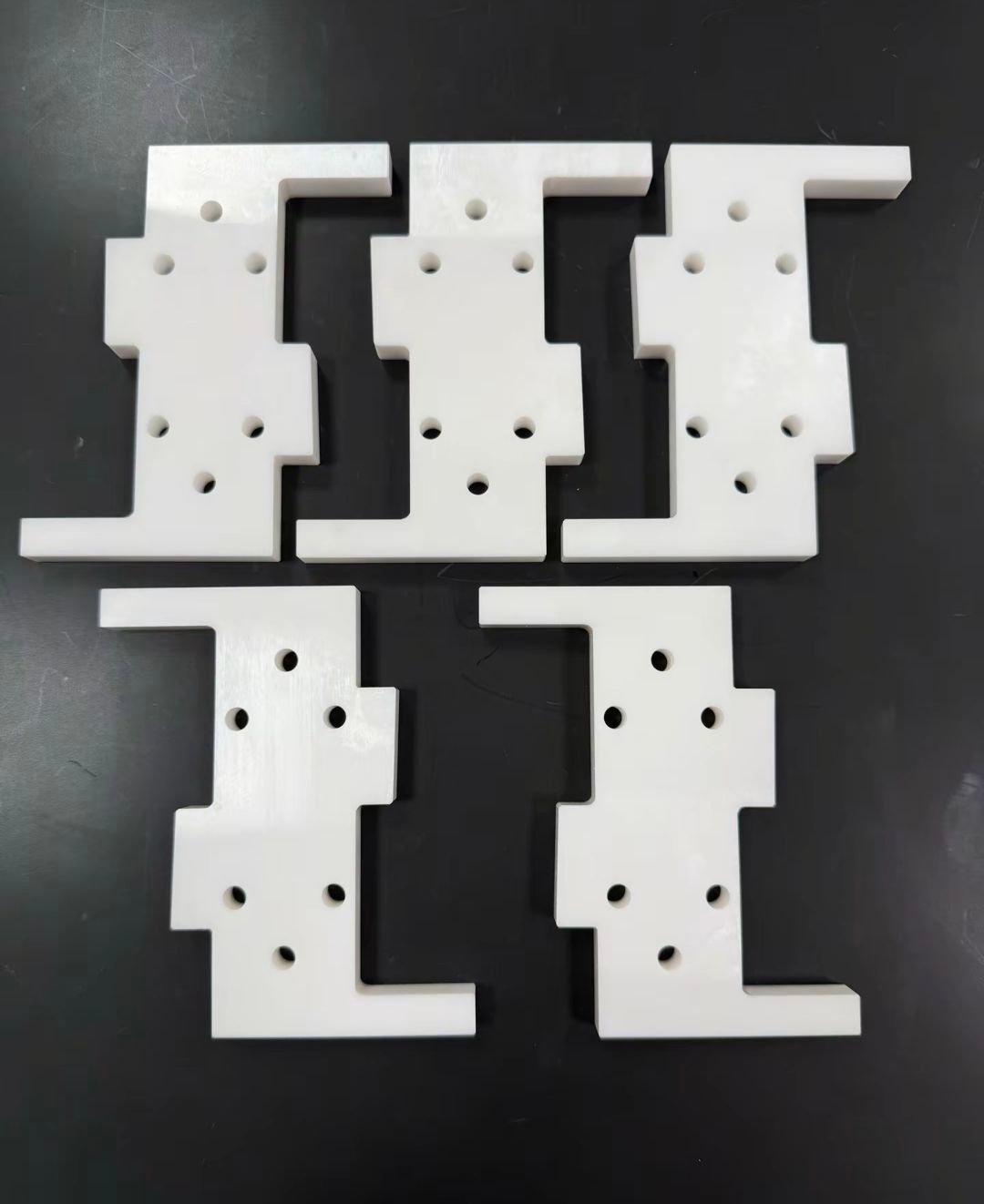
Zirconia Toughened Alumina Ceramics
Review zirconia toughened alumina ceramics against duty, geometry and processing needs.
Email for a QuoteAlumina Ceramics Selected Around the Component Duty
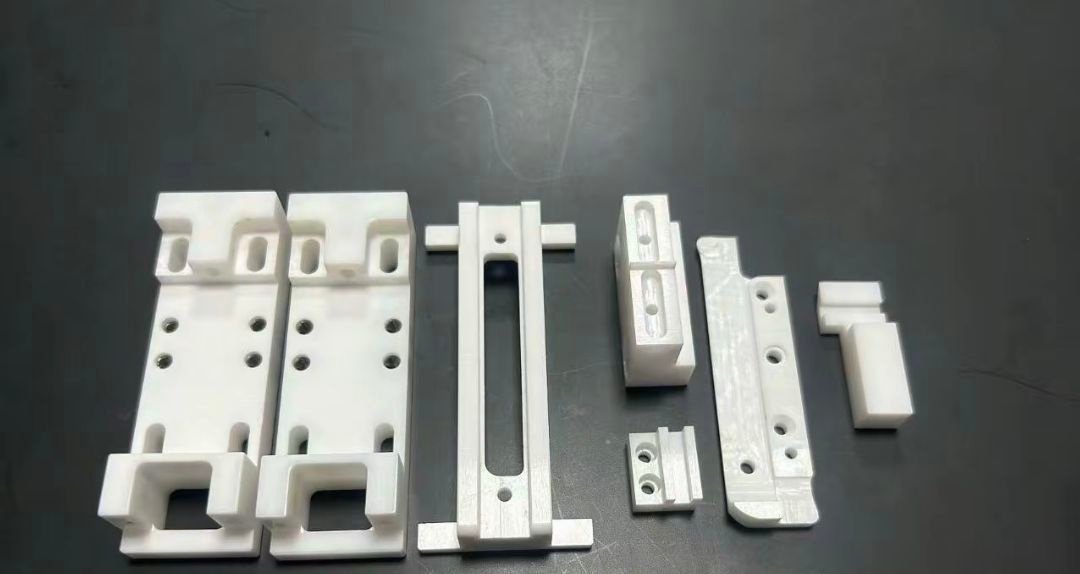
Alumina
Alumina is reviewed for the specified insulation, wear, temperature, chemical, dimensional and mechanical demands of the component, with grade and process details confirmed during project review.
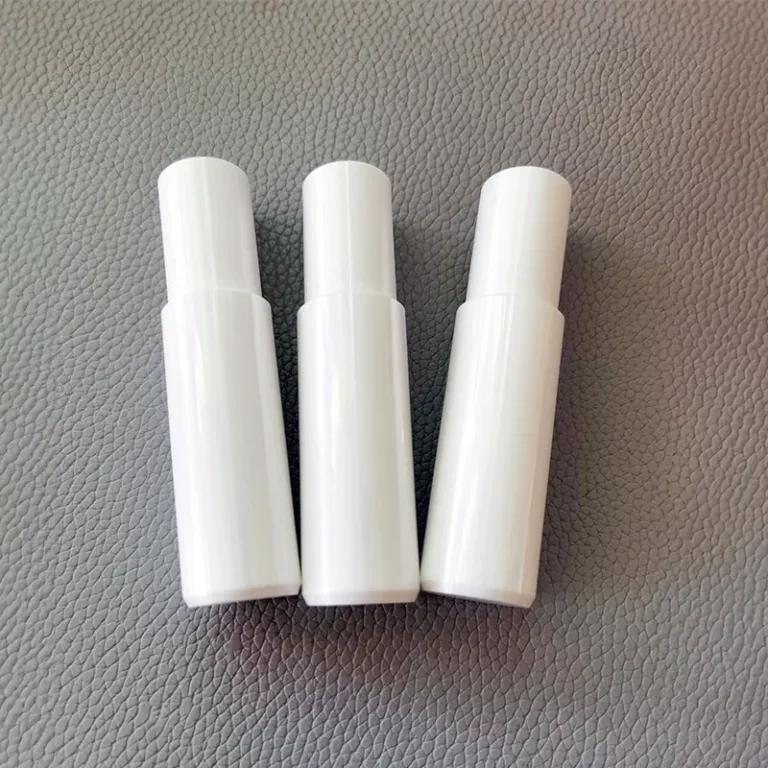
Toughened Alumina-Based Alternatives
Where alumina toughness or thermal-shock concerns affect the design, alumina-based alternatives can be compared conditionally against geometry, interfaces and duty-cycle requirements.
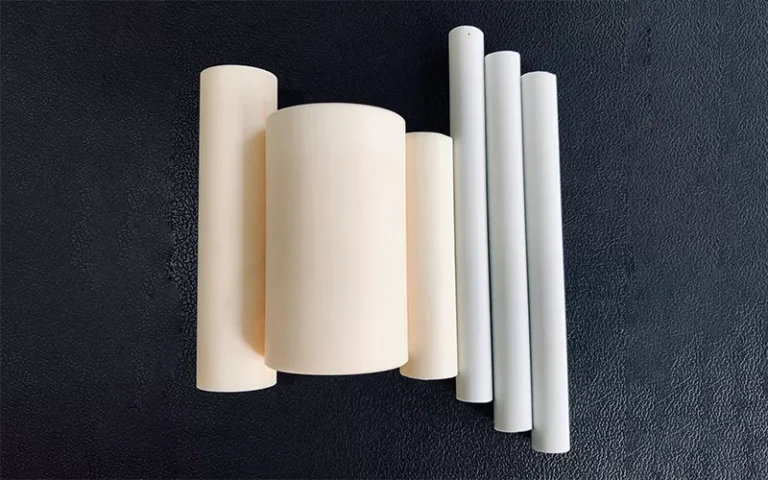
High-Purity Alumina Options
Higher-purity alumina may be reviewed when contamination control, insulation, chemical exposure or surface requirements make composition an important purchasing variable.
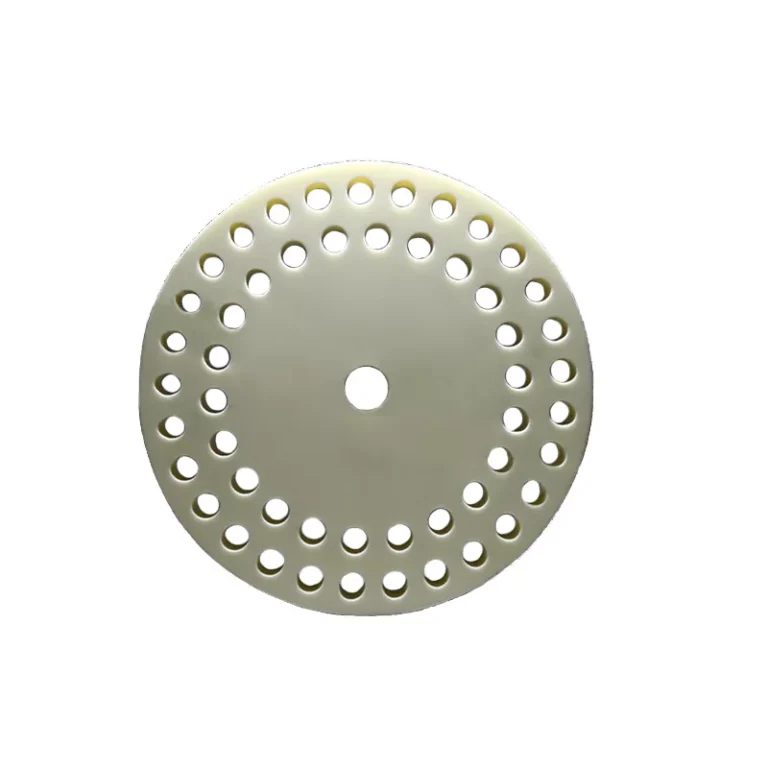
Alumina Composites and Related Ceramics
Related ceramic families can be considered where alumina alone does not align with the required combination of wear, toughness, thermal behavior or processing constraints.
A Practical Guide to Sourcing Alumina Ceramic Components
Define the Alumina Component and Operating Duty
Begin with the component’s job rather than the material name alone. State whether the alumina part is an insulator, guide, spacer, wear surface, seal-related element, tube, nozzle, crucible, plate or another drawing-based form. Record the operating temperature range, thermal cycling, contact media, pressure, loading, friction, vibration, cleanliness expectations and neighboring materials. Identify whether the part touches a process fluid, powder, electrode, metal assembly or moving ceramic interface. These details determine which properties matter and which risks require review. Explain the consequence of failure: loss of alignment, leakage, contamination, electrical contact, downtime or damage to adjacent parts. Mark datum features, fits, mounting points, holes, slots, thin sections and surfaces that are functionally important. Include annual demand, batch size, prototype quantity and whether the design may change. A complete duty description lets C-CERAMIC assess alumina against related ceramic options and select a feasible forming, sintering and finishing path. It also prevents a quotation from being based only on nominal length, width or material wording. If operating conditions are uncertain, identify the assumptions that must be confirmed before production release.
Choose Alumina Grades and Compatible Interfaces
Alumina selection should be tied to the actual component environment and process route. If the drawing names a purity or grade, include the governing specification and state which characteristics are mandatory. If no grade is fixed, ask for a conditional comparison based on insulation, wear, temperature, chemical exposure, surface behavior, strength requirements and machinability. Avoid treating a generic alumina label as a complete material definition. Composition, additives, sintering route, finish and inspection evidence may affect how the part performs and how it is quoted. Review interfaces at the same time. Metal contact can introduce differential expansion, preload or galvanic concerns in surrounding hardware; ceramic-to-ceramic contact can create chipping, alignment or friction risks. Define whether bonding, brazing, clamping, interference fitting or simple location is intended, without assuming the supplier provides a joining qualification. State allowable contact marks, edge condition, cleanliness and packaging expectations. Where contamination matters, specify the controlled surfaces and evidence required rather than claiming a general compliance status. C-CERAMIC can review alumina against zirconia, silicon carbide, silicon nitride or another approved ceramic when the duty suggests a different balance of properties. The final material recommendation remains subject to drawing and application review.
Review Alumina Geometry and Manufacturing Routes
Alumina geometry should be reviewed with forming, sintering and finishing in mind. First identify whether the shape is better suited to a pressed, molded, machined, cast or another conditional forming approach. Complex repeat geometries may justify mold development or ceramic injection molding, while simple plates, discs, sleeves or prototypes may follow a different route. The correct choice depends on quantity, feature count, section changes, tooling economics and required dimensional evidence. Sintering introduces shrinkage and can influence distortion, warpage, hole size, flatness and final stock. Ask how the supplier will establish allowances and identify surfaces that must remain available for post-sinter correction. For fired alumina, CNC machining, grinding, lapping or finishing may be evaluated for holes, threads, slots, sealing faces and assembly interfaces. Fragile corners, sharp internal transitions, deep cavities and inaccessible surfaces should be highlighted early because they can increase breakage or inspection risk. Separate cosmetic preferences from functional requirements. A useful design review links each critical feature to a process step and measurement method. Request conditional feasibility language when equipment, grade or geometry has not yet been verified. This keeps the RFQ technically useful without treating a broad process category as proof of a specific installed capability.
Set Alumina Inspection and Acceptance Criteria
Inspection requirements should be written before the alumina quotation is finalized. Mark critical dimensions, datums, fits, hole locations, flatness, parallelism, concentricity, wall thickness, edge condition and surfaces that affect assembly or service. State which characteristics require recorded results and which can be checked as general workmanship. Include drawing revision, units, tolerance basis and any sample or first-article expectations. For alumina, distinguish fired dimensions from post-machined dimensions because sintering behavior and finishing allowance can affect the control plan. Ask the supplier to identify measurement access and any features that require special fixtures or staged inspection. Visual requirements should define acceptable chips, cracks, discoloration, burr-like residues, handling marks or surface defects in terms relevant to function; do not rely on vague perfect-surface language. If density, composition, porosity or other material evidence is important, specify the document or test needed rather than assuming it is included. Clarify whether inspection applies to every part, a sample, a first article or a batch record. Also define packaging protection for edges and finished surfaces. C-CERAMIC can review dimensional and final quality inspection around the agreed requirements, but acceptance criteria, reporting scope and any special tests should be confirmed in writing before production release.
Compare Alumina Prototype and Production Quotations
Compare alumina quotations by scope and assumptions, not only by unit price. A prototype quote may use a flexible forming or machining route, while repeat production may require dedicated tooling, a different green-forming method or a revised finishing sequence. Ask each supplier to separate material, tooling, setup, forming, sintering, machining, grinding, lapping, inspection, packing and transport assumptions. Confirm whether the quoted quantity is per trial, batch, lot or annual forecast, and whether tooling ownership or maintenance is included. Check what drawing revision, alumina grade, tolerances, surface requirements and inspection evidence the price assumes. A lower initial figure may exclude mold development, sintering trials, extra stock, difficult features or documented inspection. A higher figure may include useful validation work that reduces later risk. Request an explicit list of open technical questions and conditions that could change the route. Review prototype and production samples against the same critical characteristics where possible, while recognizing that process transfer can change allowances or inspection needs. Delivery timing, minimum order quantity and capacity are not assumed; ask for confirmation after technical review. C-CERAMIC can assess prototypes, low-volume work and scalable routes, but the quotation should clearly distinguish verified project facts from conditional feasibility assumptions.
Prepare a Complete Alumina RFQ and Qualification Plan
A strong alumina RFQ gives the supplier enough information to assess the part without guessing. Attach the current drawing or model, revision, quantity by phase, target application, operating duty, preferred or open material definition, assembly interfaces, critical dimensions, surface requirements and inspection expectations. State whether the requirement is prototype, low volume, repeat production or contract manufacturing, and identify the forecast horizon if known. Ask for the proposed forming, sintering and post-sinter finishing route, including any tooling or machining assumptions. Request a list of design risks such as thin walls, sharp edges, shrinkage sensitivity, inaccessible surfaces, thermal gradients or contact loads. Define what you want to learn during qualification: fit, alignment, leakage, insulation behavior, wear, surface condition, thermal cycling or another application-specific result. Agree sample quantity, inspection records, change control, nonconformance handling and packaging protection before ordering. Do not ask for unverified certifications or numerical performance values unless they are required by your own specification and can be documented. C-CERAMIC can review alumina feasibility from drawings and operating conditions, then propose a conditional route for confirmation. A complete RFQ makes material selection, quotation comparison, prototype approval and repeat-supply decisions easier for both engineering and procurement.