
Custom Ceramic Parts and Components for Demanding Assemblies
Ceramic Parts for Engineered Assemblies
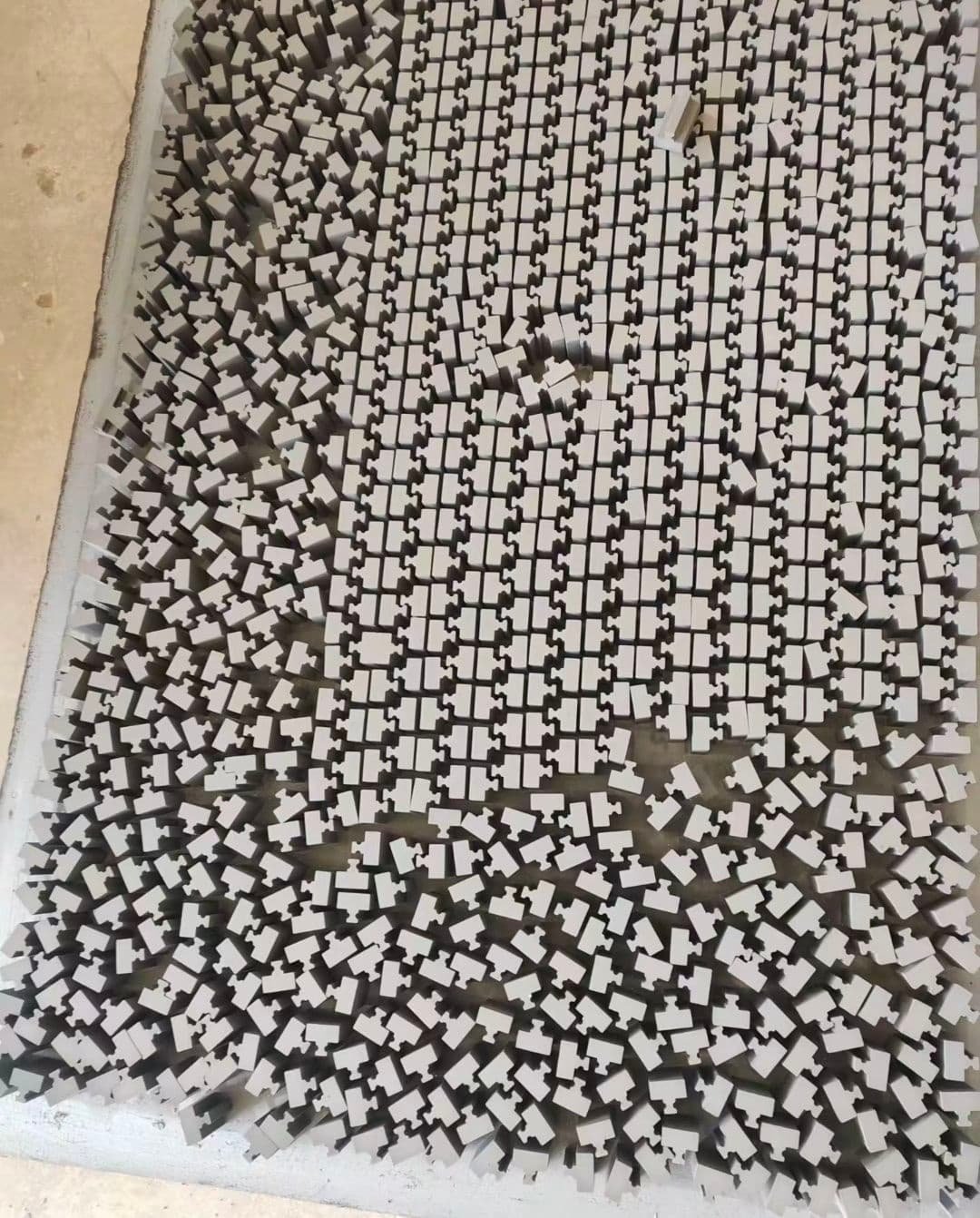
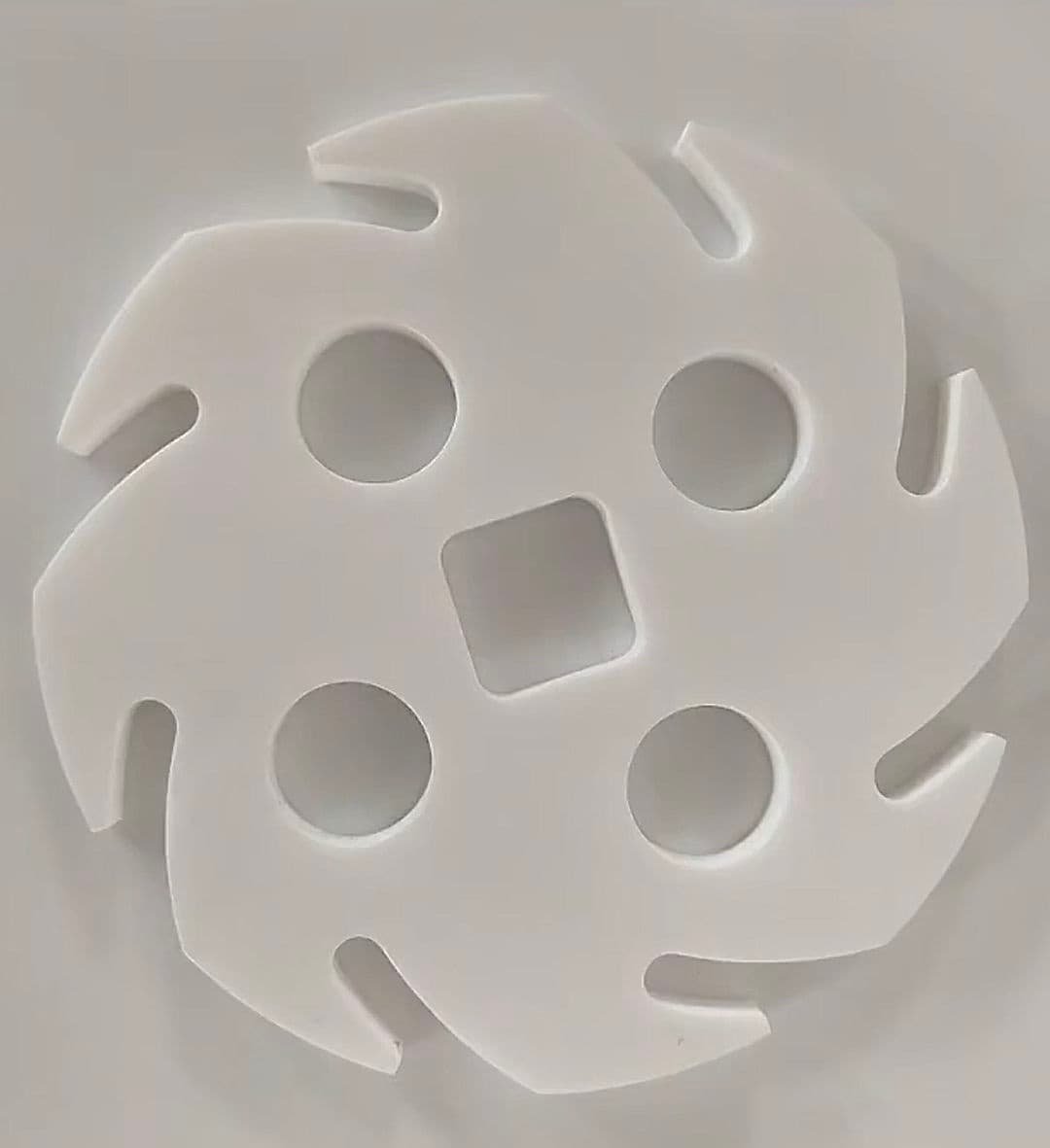
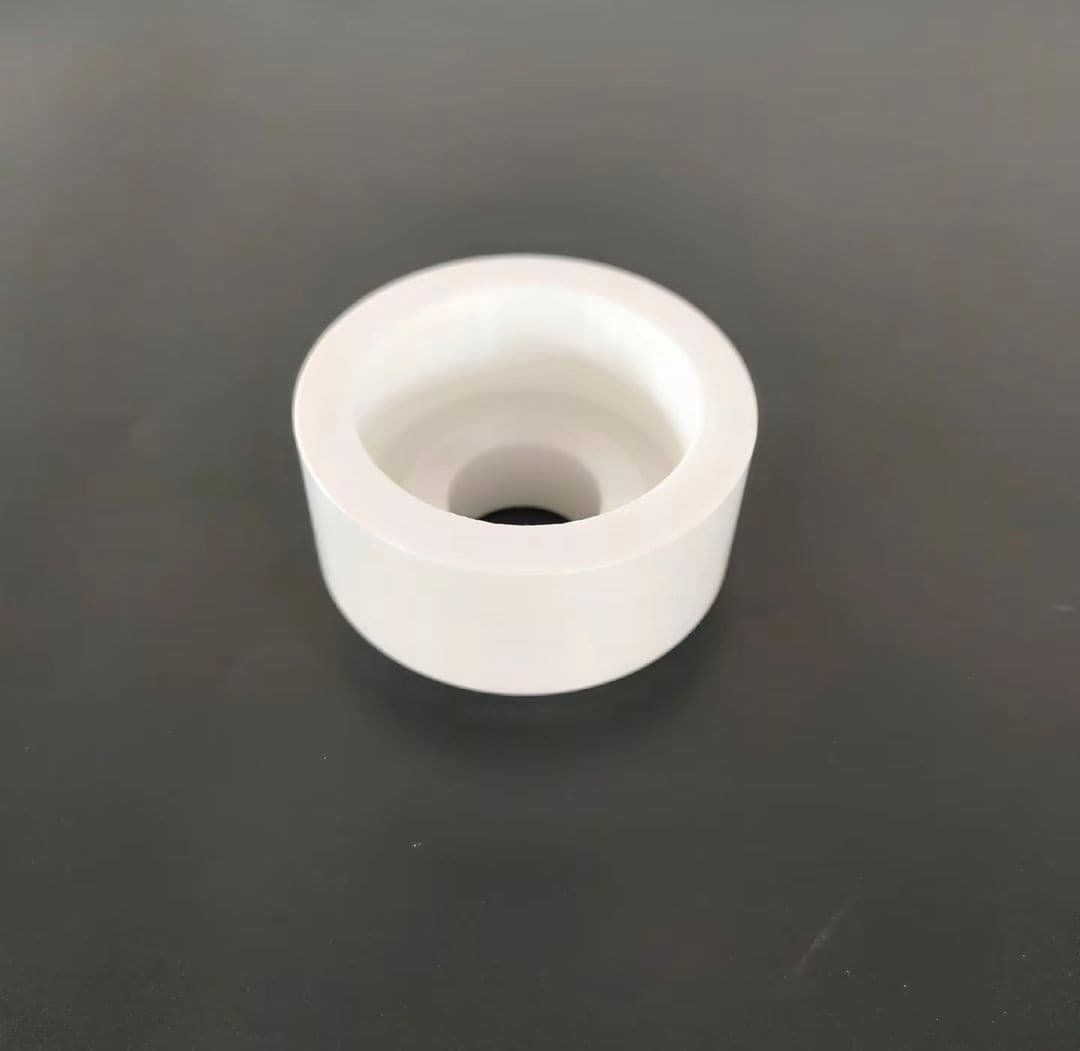
Select Ceramic Material Around the Real Duty
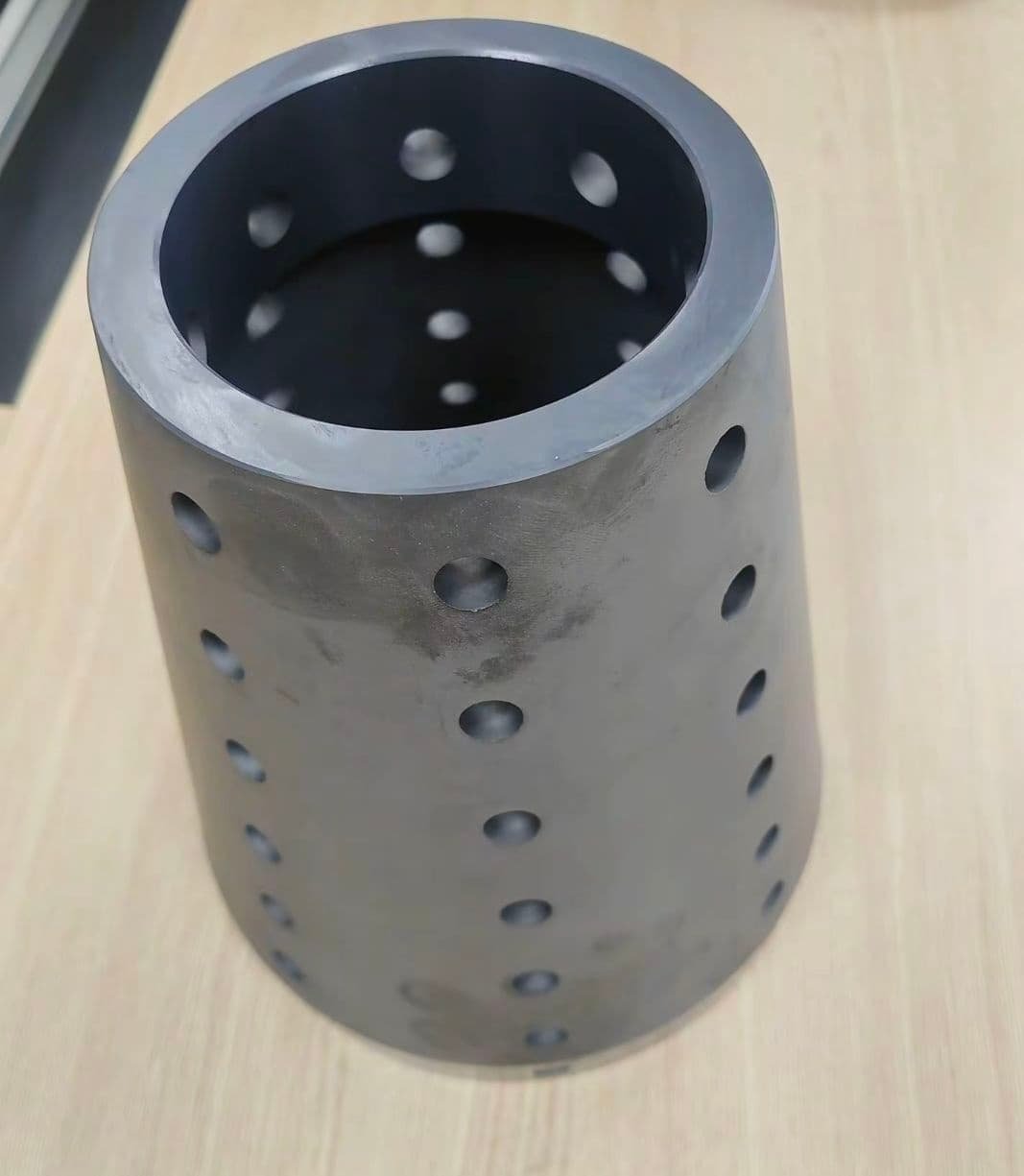
Silicon Carbide
Silicon carbide can be reviewed for components exposed to demanding wear, corrosion, temperature or dimensional conditions, with geometry and finishing requirements assessed together.
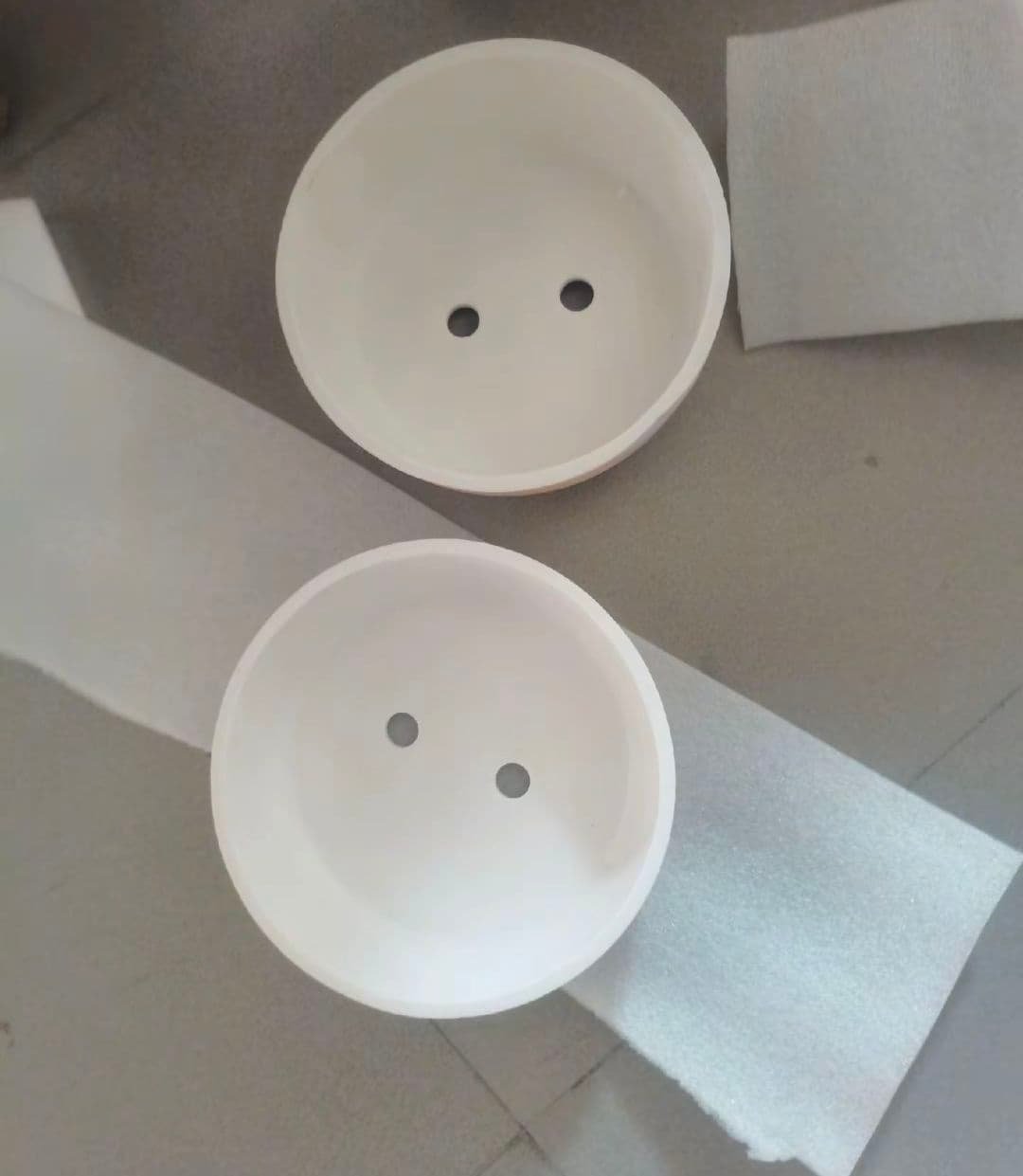
Zirconia
Zirconia can be considered for selected wear, strength, precision and interface requirements after reviewing the complete duty cycle and manufacturing route.
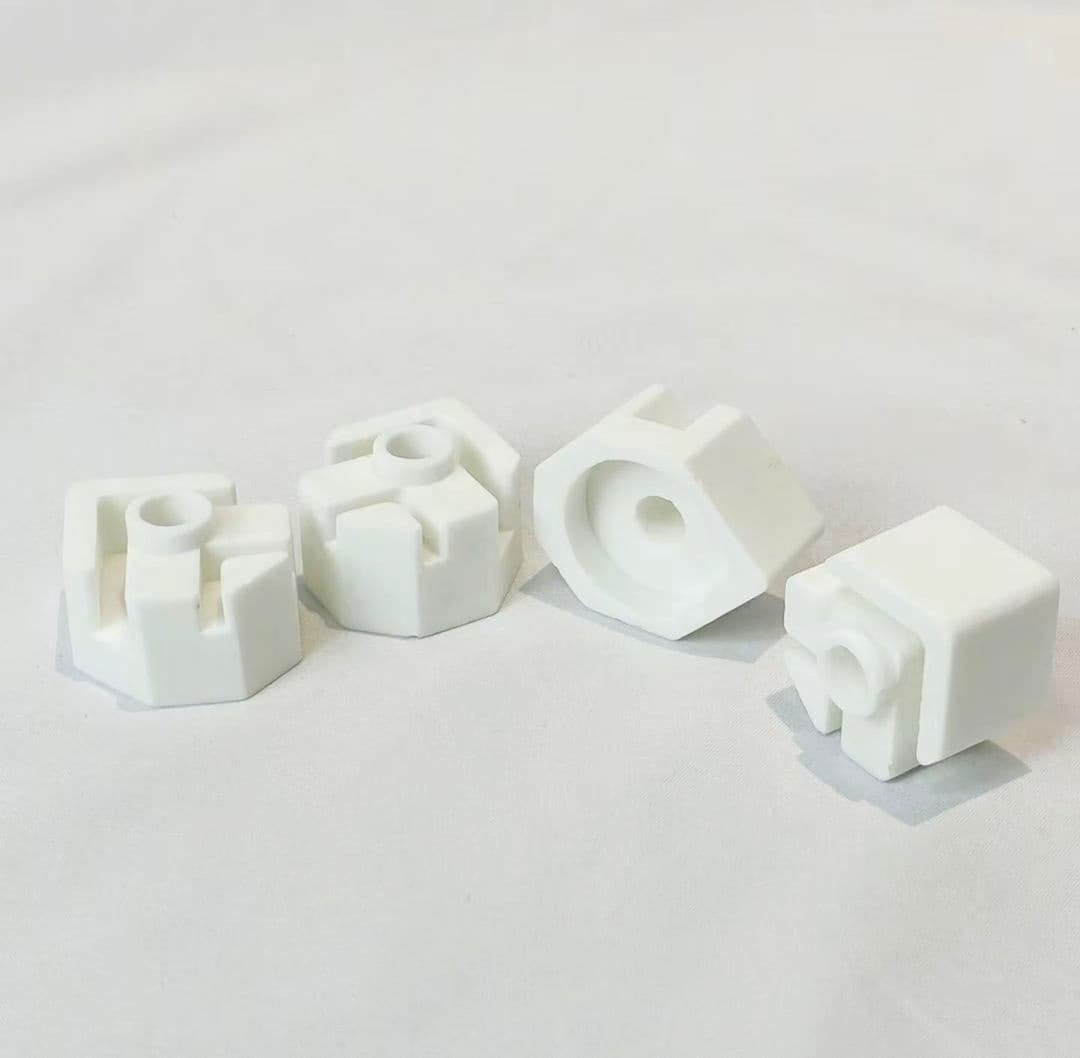
Alumina
Alumina is a common technical ceramic starting point for insulating, wear, structural and process components, subject to application-specific geometry and acceptance review.
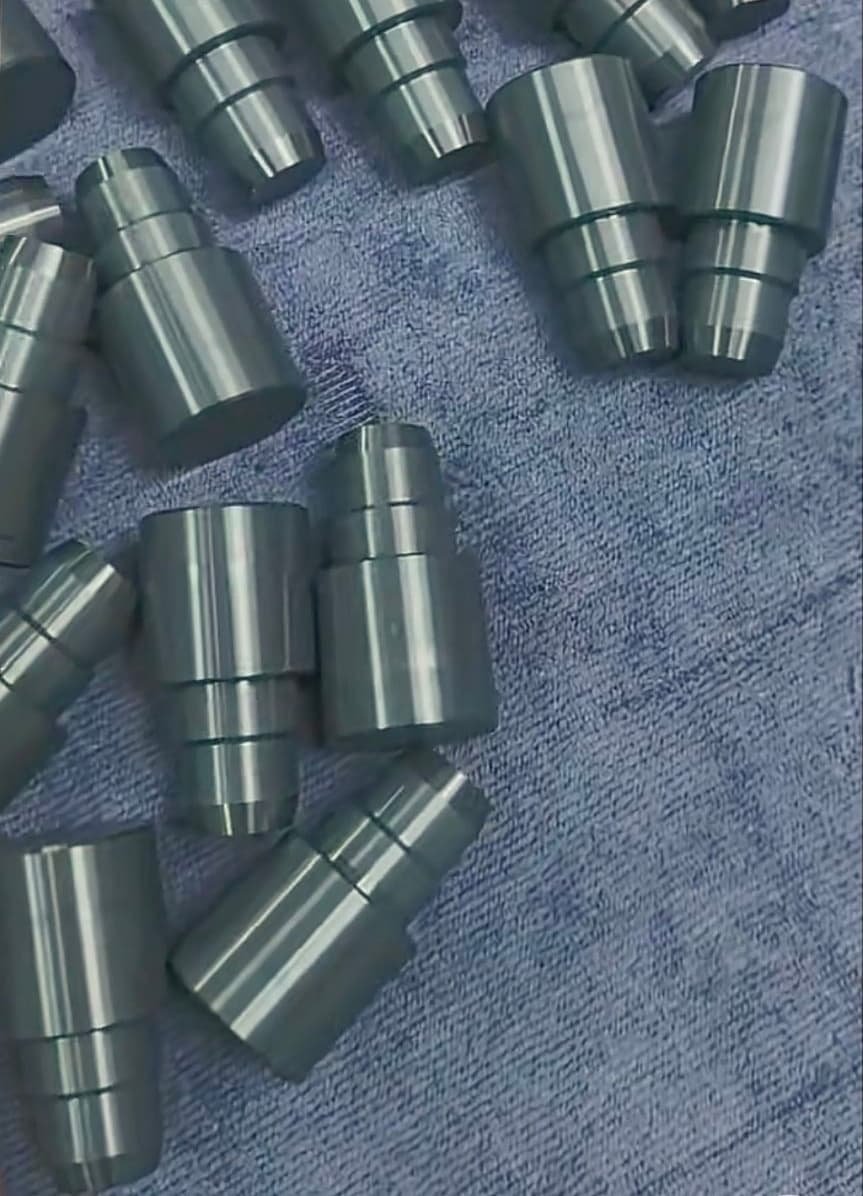
Silicon Nitride
Silicon nitride can be evaluated for demanding mechanical or thermal component duties where material choice, feature design and finishing must be considered together.
A Practical Buying Guide for Custom Ceramic Parts
Define the Component and Operating Duty
Begin with the job the ceramic part must perform, not only its nominal shape. Identify whether it guides, seals, insulates, positions, carries load, handles fluid, resists wear or serves another defined function. Record the mating components, assembly method, contact areas, movement, loads and any preload or clamping condition. For process parts, describe the medium, concentration, pressure, temperature, dwell time and cycling pattern. Include cleaning, handling and storage conditions when they can affect surfaces or contamination risk.Translate these requirements into drawing information: datum structure, critical dimensions, allowable edge condition, holes, slots, threads, radii, wall sections and functional surfaces. State which characteristics are essential for fit or performance, and which are informational. Quantity and demand pattern also matter because a prototype, low-volume batch and repeat program may justify different forming and finishing routes. Provide photographs or an assembly sketch when the drawing does not show access or orientation clearly. A complete duty definition allows C-CERAMIC to review material families, geometry, process feasibility and inspection needs without assuming unverified operating limits.
Choose Materials and Compatible Interfaces
Choose the material with the complete duty and interface in view. Silicon carbide, zirconia, alumina and silicon nitride may each be considered for different combinations of wear, corrosion, temperature, mechanical loading, insulation or dimensional requirements, but the material name alone does not establish suitability. Describe the actual media, contact materials, thermal changes, mechanical loads and required surface condition. If the application involves electrical or thermal behavior, define the functional requirement and acceptance method rather than requesting a broad compliance claim.Review interfaces early. Ceramic parts may contact metal, elastomers, glass, coatings or other ceramics, and differences in stiffness, expansion, hardness and surface finish can influence assembly risk. Identify press fits, clearance fits, bonded joints, fasteners, seals and sliding contacts. Ask the supplier to compare the preferred material with practical alternatives, including how each affects forming, shrinkage, machining, edge durability and inspection. Avoid specifying a grade only because it appears in a catalog or a neighboring design. C-CERAMIC can assess the proposed material against the drawing and duty, while project-level confirmation remains necessary for every application.
Review Geometry and Manufacturing Routes
Geometry should be reviewed together with the intended ceramic process. Simple plates, discs, rings or pins may support different decisions from thin-walled tubes, crucibles, nozzles, pump parts or components with deep holes and intersecting features. Mark sections that could create uneven shrinkage, difficult powder flow, fragile edges, inaccessible surfaces or concentrated stress. Identify features that can be formed and those that may need CNC machining, grinding, lapping or another finishing operation after sintering.For repeat quantities, ceramic injection molding may be considered when the geometry and forecast justify mold development. Tooling, shrinkage, parting strategy, wall transitions, finishing allowance and inspection access should be reviewed before a tooling commitment. For prototypes or low volumes, a different route may be more practical, but it may not represent the final production economics or process capability. Ask for a route comparison that explains assumptions and open risks rather than accepting a process label alone. C-CERAMIC can review forming, high-temperature sintering and post-sinter operations around the drawing, while exact feasibility, tolerances and production quantities must be confirmed project by project.
Set Inspection and Acceptance Criteria
Inspection requirements should be written before quotation, because the cost and feasibility of a ceramic component depend partly on how critical characteristics will be verified. Identify datums, dimensions, geometric relationships, flatness, concentricity, straightness, holes, threads, edge condition, surface finish and visual criteria that affect assembly or function. Distinguish critical characteristics from general dimensions so the supplier can focus review and evidence appropriately.State the required measurement method when it matters, including gauges, contact measurement, optical inspection or another agreed approach. Confirm how fragile edges, internal features, hidden surfaces and difficult-to-access areas will be checked. If a report is required, define whether the expectation is a dimensional record, sample-based result, material documentation, process information or another agreed document. Do not request unsupported certification or compliance language without identifying the applicable requirement and evidence source. Ask how forming, sintering, machining, grinding and lapping influence the final inspection plan. A clear acceptance plan reduces disputes over shrinkage, surface condition, measurement uncertainty, packaging damage and whether a part is ready for assembly.
Compare Prototype and Production Quotations
Compare quotations by separating engineering, tooling, piece price, finishing, inspection, packaging and supply assumptions. A prototype quotation may use a route that is practical for a small quantity but unsuitable for repeat production, while a production quotation may include mold development or process preparation that is unnecessary for early design learning. Ask each supplier to identify the proposed material, forming method, sintering approach, post-sinter operations and features included in final inspection.Check whether the quoted quantity means samples, one batch, annual demand or a release schedule. Confirm what information is needed to establish tooling ownership, repeatability expectations, change control and the transition from approved samples to production. Since C-CERAMIC does not publish universal MOQ, lead-time or capacity commitments, request project-specific confirmation after drawing review. Avoid comparing a low piece price with an incomplete scope. Include scrap or rework assumptions, inspection sample size, protected packing, documentation and any separately priced engineering activity. The best quotation makes technical assumptions visible, identifies unresolved risks and gives procurement a fair basis for comparing routes with different tooling and finishing profiles.
Prepare a Complete RFQ and Qualification Plan
A useful RFQ gives the supplier enough information to test feasibility rather than merely repeat a part name. Attach the latest drawing and model, revision status, material preference, annual or batch quantity, prototype requirement, application duty, mating parts, critical surfaces, inspection expectations and delivery destination. State what is fixed and what may be discussed, such as alternative ceramic families, forming routes, machining allowances or packaging. Include photographs or an assembly view when orientation and access are not obvious.Ask for a written response covering material recommendation, manufacturing route, tooling implications, expected process risks, inspection scope, quotation assumptions and information still required. Plan qualification around representative parts and the features most likely to create risk: thin sections, deep holes, sealing surfaces, sliding interfaces, flatness, concentricity and fragile edges. Define who approves drawings, samples, deviations and process changes. Keep a controlled record of revisions and acceptance results before repeat release. C-CERAMIC can review material, forming, sintering, machining, finishing and inspection as one project route, but the RFQ should preserve conditional language wherever feasibility, tolerances, quantities or documentation remain subject to technical review.