
Cordierite Ceramic Components for Assessed Thermal and Dimensional Duties
Cordierite Ceramic Components and Potential Starting Forms
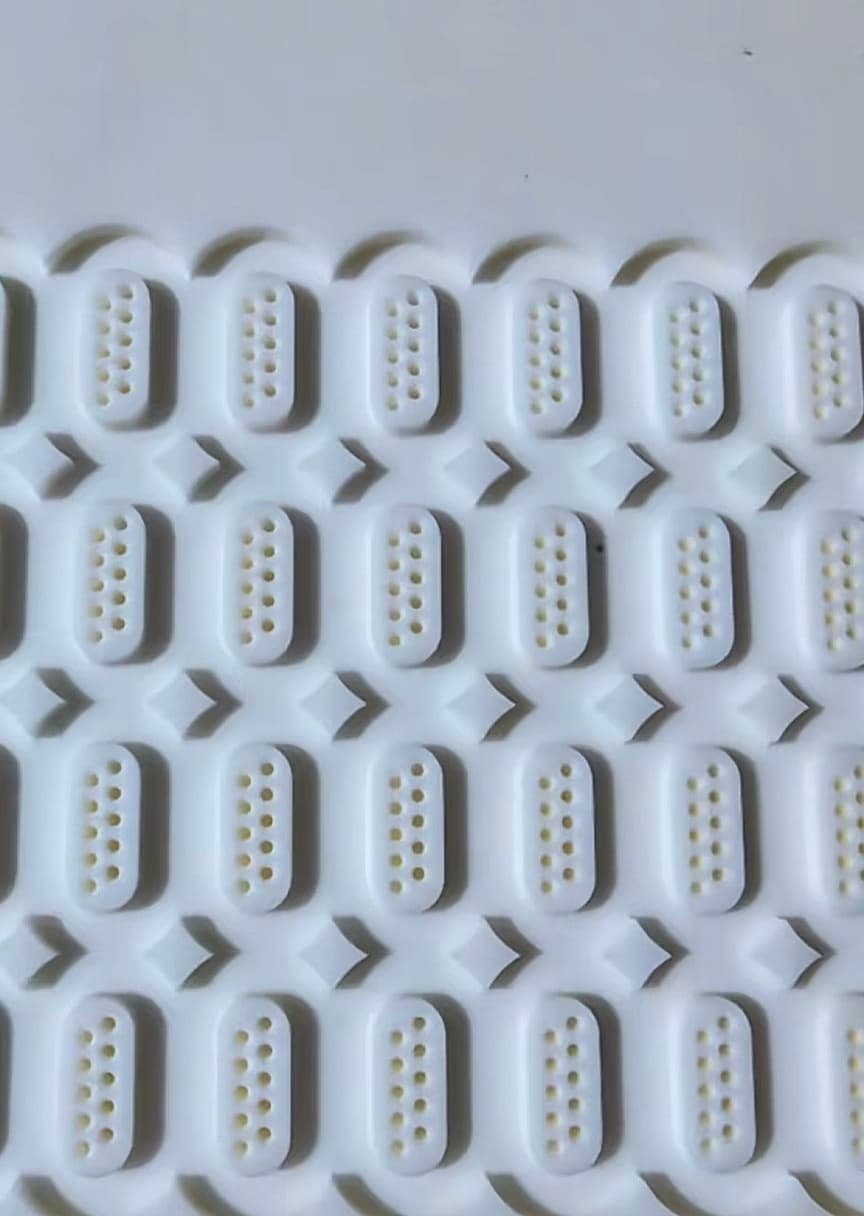
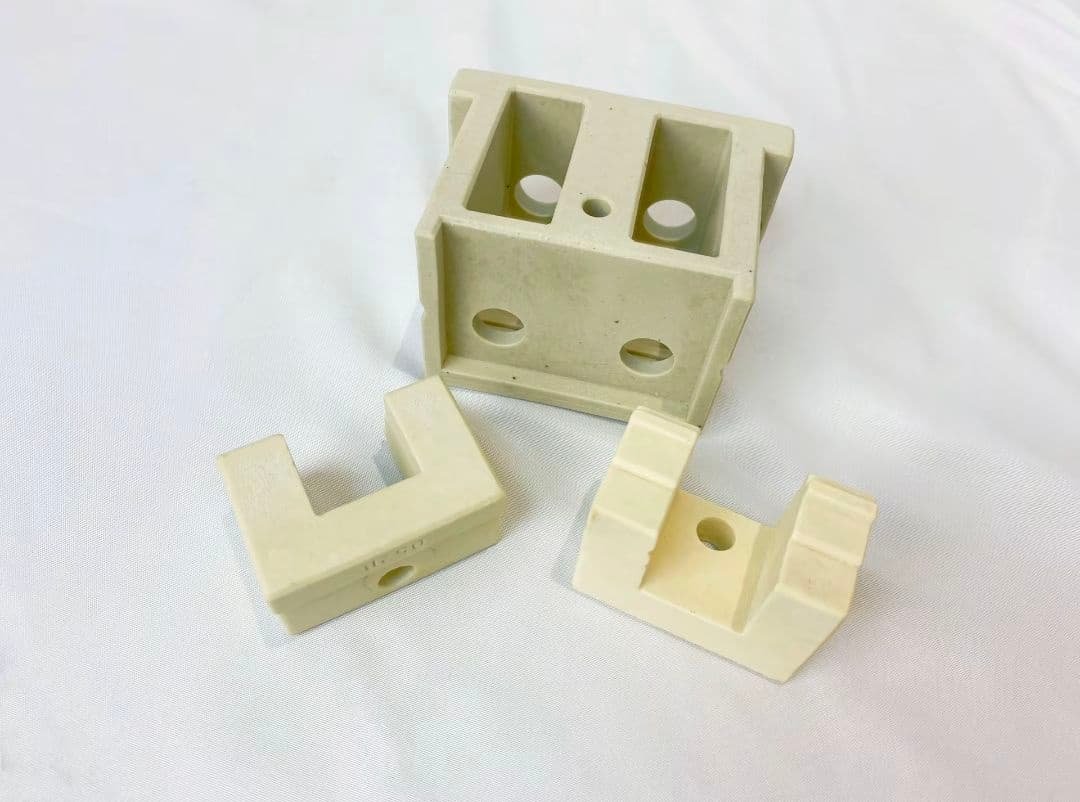
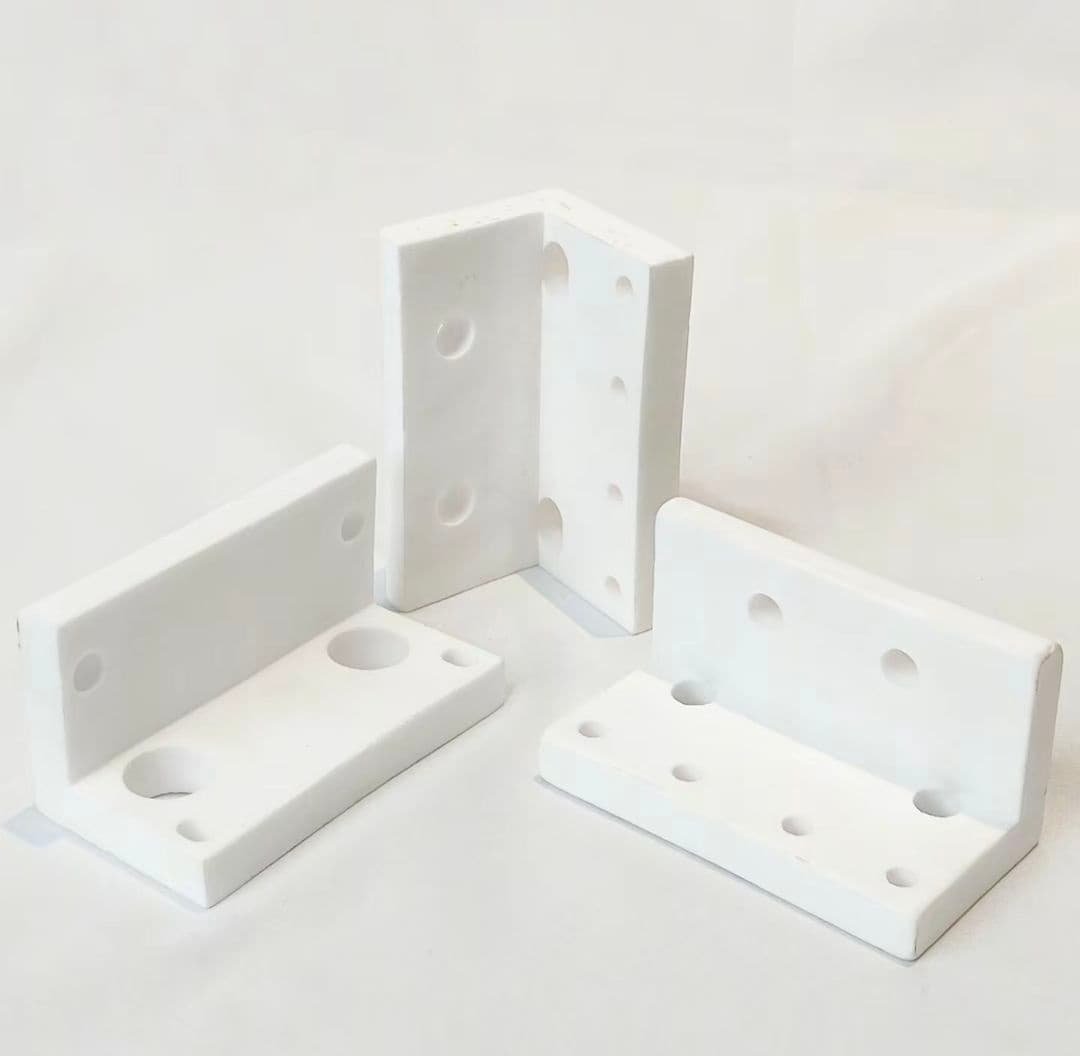
Cordierite Ceramic Parts Assessed Against the Real Application
Insulation and Electrical Assemblies
A cordierite requirement may be assessed for insulating or supporting roles where the assembly requires defined geometry, thermal exposure and controlled interfaces; suitability must be confirmed for the actual duty.
- Electrical duty specified
- Clearance and creepage geometry reviewed
- Assembly inspection agreed
Precision Machinery
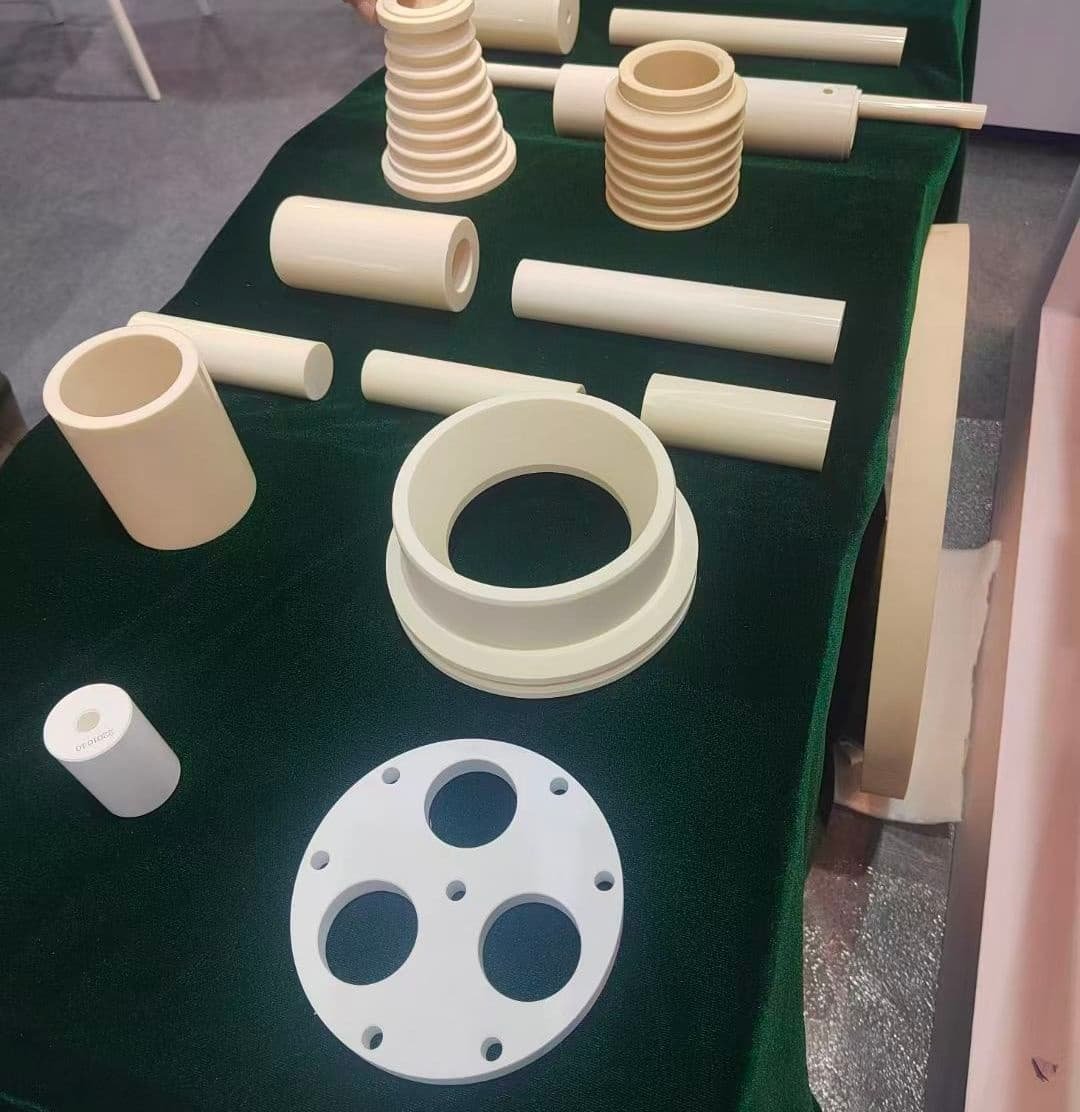
Cordierite plates, guides, spacers and custom parts may be reviewed for stable positioning, contact conditions and thermal movement within machinery; wear performance requires application-specific assessment.
- Motion and contact points identified
- Machining and finishing assessed
- Assembly-critical features inspected
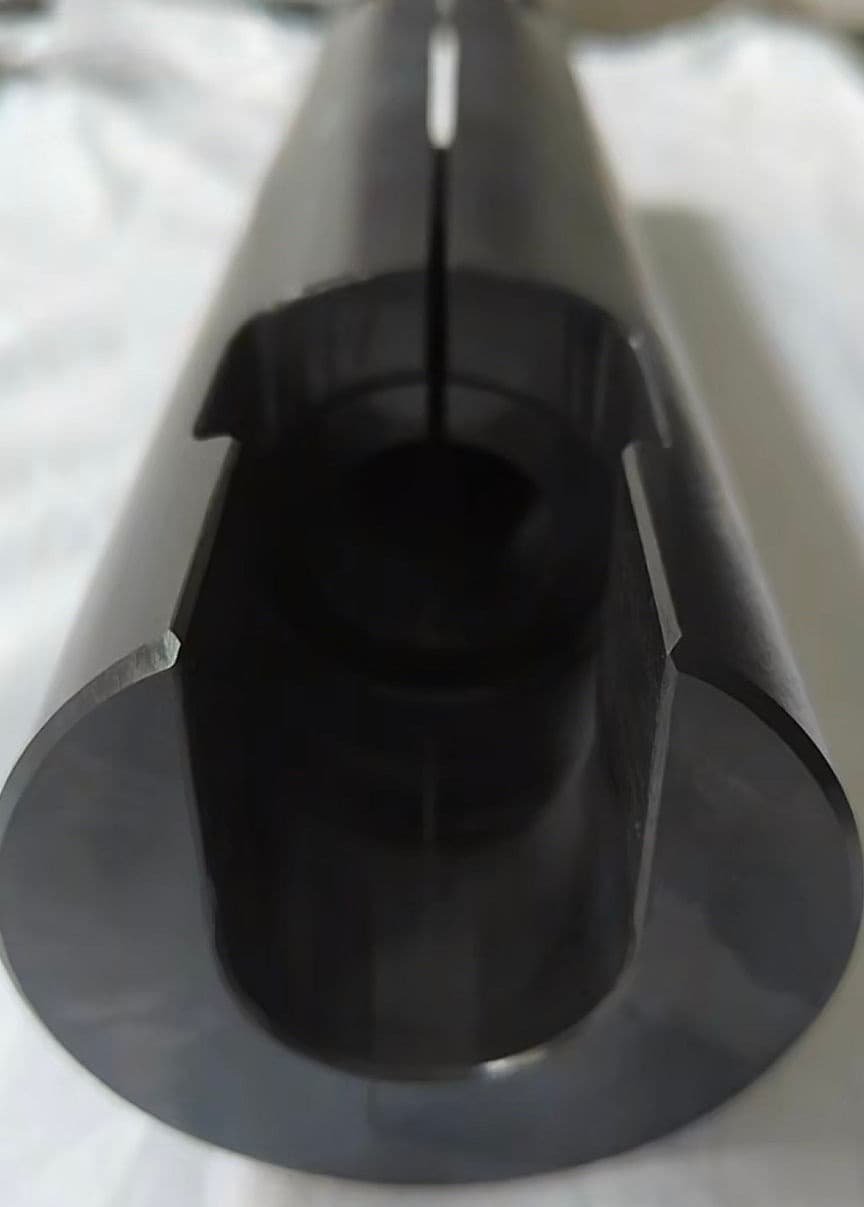
A Practical Buyer’s Guide to Cordierite Ceramic Feasibility
Define the Cordierite Component and Operating Duty
Start with the component’s job, not only its material name. State whether the proposed cordierite item is a plate, disc, tube, ring, washer, crucible, fixture, insulator, spacer or drawing-based custom part. Include the mating components, locating features, contact areas, loading direction and any movement allowed during service.Describe the operating profile in terms useful to a process engineer: heating and cooling sequence, dwell conditions, atmosphere, pressure, media contact, cleaning method and expected exposure frequency. If the part supports another component, identify the load and support arrangement. If it is an insulator, define the electrical role without assuming a compliance category. Note whether appearance, contamination control, edge condition or surface texture affects the process.For quotation, provide annual or batch quantity, prototype need, replacement frequency and consequences of cracking, distortion or poor fit. This information lets C-CERAMIC review whether cordierite is a reasonable starting material and whether forming, sintering, machining or finishing needs further investigation. The goal is a documented duty statement that connects every critical requirement to the proposed part.
Choose Cordierite Materials and Compatible Interfaces
“Cordierite” may still leave important questions open. Ask the supplier to identify the proposed material definition, available body or grade information, processing condition and any changes expected after sintering or finishing. Compare that proposal with the actual thermal profile, cycling, atmosphere, chemical contact and dimensional requirements rather than selecting from a short material label.Review interfaces at the same time. Cordierite may contact metal, glass, another ceramic, a coating, a seal or a process load. Define clearance, clamping, joining, sliding, compression and cleaning conditions. Thermal expansion mismatch, local stress, sharp corners and concentrated contact can be more important than a general material description. Show which surfaces must remain uncoated, smooth, flat or free from chips.If another ceramic family is being considered, request a duty-based comparison covering route, fired geometry, finishing access, inspection and supply risk. Do not ask only for a catalogue property table. A useful quotation states what remains unverified and what test, prototype or drawing review would be needed before approving the cordierite choice.
Review Cordierite Geometry and Manufacturing Routes
Geometry should be reviewed with the expected forming and firing route. Identify thin sections, thick-to-thin transitions, deep bores, blind holes, slots, internal corners, unsupported projections and surfaces that must remain aligned after sintering. These features can affect mold design, green handling, fired distortion, machining allowance and inspection access. A supplier should explain which dimensions are formed, which are finished and which may need design adjustment.For repeat quantities, ask whether mold development or ceramic injection molding is appropriate for the proposed cordierite shape. Tooling can support repeatability, but it introduces design, shrinkage and commitment questions that should be matched to the forecast. For prototypes or low volumes, a simpler forming or machining route may reduce early tooling exposure, although it may have different cost and surface implications. Confirm that the selected material and route are available for the project.Request a route map showing material preparation, forming, debinding if applicable, sintering, CNC work, grinding, lapping, cleaning and packing. Ask where datum features are established and how process allowances are removed. The quotation should separate tooling, sample work, recurring part operations and any proposed design-for-manufacture changes.
Set Cordierite Inspection and Acceptance Criteria
Inspection requirements should be written around function. Mark the cordierite drawing’s datums, locating features, bores, contact surfaces, openings, thicknesses, flatness requirements and other characteristics that determine fit or process performance. Separate critical dimensions from reference information so the supplier can plan measurement effort and report scope correctly.Define acceptable visual condition in practical terms. State how chips, cracks, edge damage, surface marks, contamination, discoloration or handling damage will be treated, especially on sealing, locating or exposed surfaces. If the part enters a clean or sensitive process, describe cleaning and packaging expectations without implying an unverified industry certification. Ask how the supplier will protect fragile features after inspection.For a new cordierite route, agree how samples will be checked, which inspection records accompany approval and what changes require review. Measurement method matters: some features may need contact gauging, optical assessment or another agreed approach. A useful acceptance plan identifies the characteristic, datum, method, sampling expectation and decision rule. It should also distinguish supplier inspection from any customer-side fit or process validation.
Compare Cordierite Prototype and Production Quotations
Compare quotations by route content, not only piece price. A cordierite prototype may use a different forming method, temporary tooling or more manual finishing than the intended production route. Ask each supplier to identify what the sample proves: geometry, fit, thermal use, surface condition, handling or inspection. Also ask what it does not prove, such as repeatability at a larger quantity or behavior after a production tooling change.Separate one-time and recurring costs. Review mold or fixture development, engineering review, sample inspection, finishing, cleaning, packaging and any requested documentation. Confirm the quoted quantity, material definition, revision level, included operations and assumptions about supplied drawings. If tolerances or surfaces are not yet finalized, require those exclusions to be visible rather than hidden in a general note.Lead time and minimum order information should be confirmed after drawing and process review because cordierite geometry, tooling and inspection scope can change the route. Ask how quotation validity, engineering changes, rejected samples, repeat orders and batch identification will be handled. The stronger proposal makes technical unknowns explicit and gives a clear next decision point.
Prepare a Complete Cordierite RFQ and Qualification Plan
A useful cordierite RFQ should include the latest drawing or model, revision, quantity by phase, intended application, operating cycle, atmosphere or media, interfaces, cleaning method and failure concerns. Identify the proposed material, but allow the supplier to flag whether its material definition is sufficient for the duty. Include critical dimensions, datums, surface requirements, edge condition, visual criteria, packing needs and requested inspection evidence.Ask for a written manufacturing route covering forming, tooling, sintering, machining, grinding, lapping, finishing and inspection as applicable. Request confirmation of which characteristics are verified on samples and production parts. If a prototype is required, define the acceptance test, fit check or process trial that will determine progression. Keep application validation separate from supplier dimensional release so responsibilities remain clear.Before approval, review drawing changes, material substitutions, process changes, batch identification and nonconformance handling. Confirm MOQ, lead time and production availability only after the project review; these are not assumed from a general capability list. A complete RFQ helps C-CERAMIC return a conditional, technically useful quotation and gives procurement, engineering and quality teams the same basis for qualification.