
Steatite Ceramics for Insulating, Thermal and Precision Parts
Steatite Ceramic Components
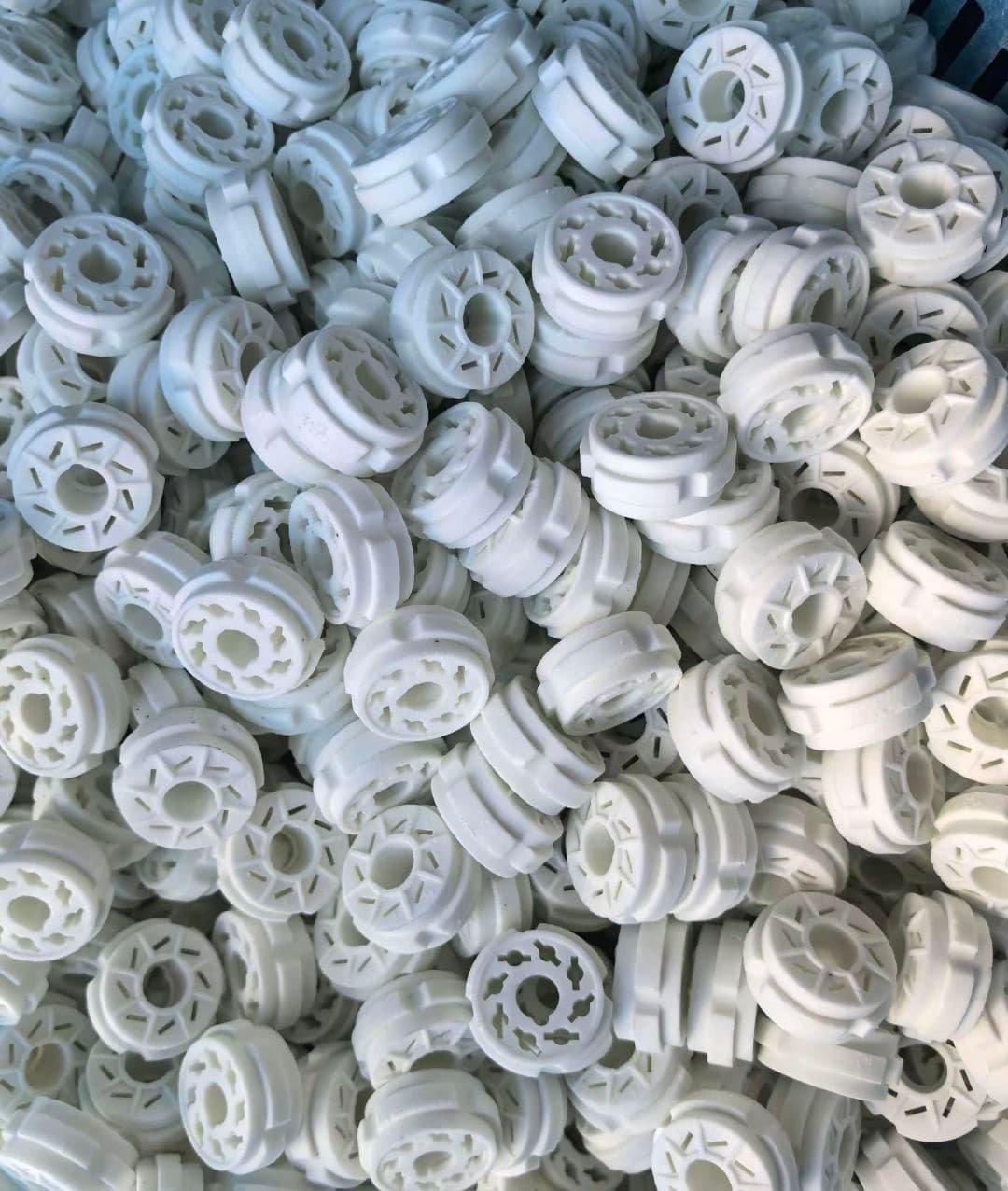
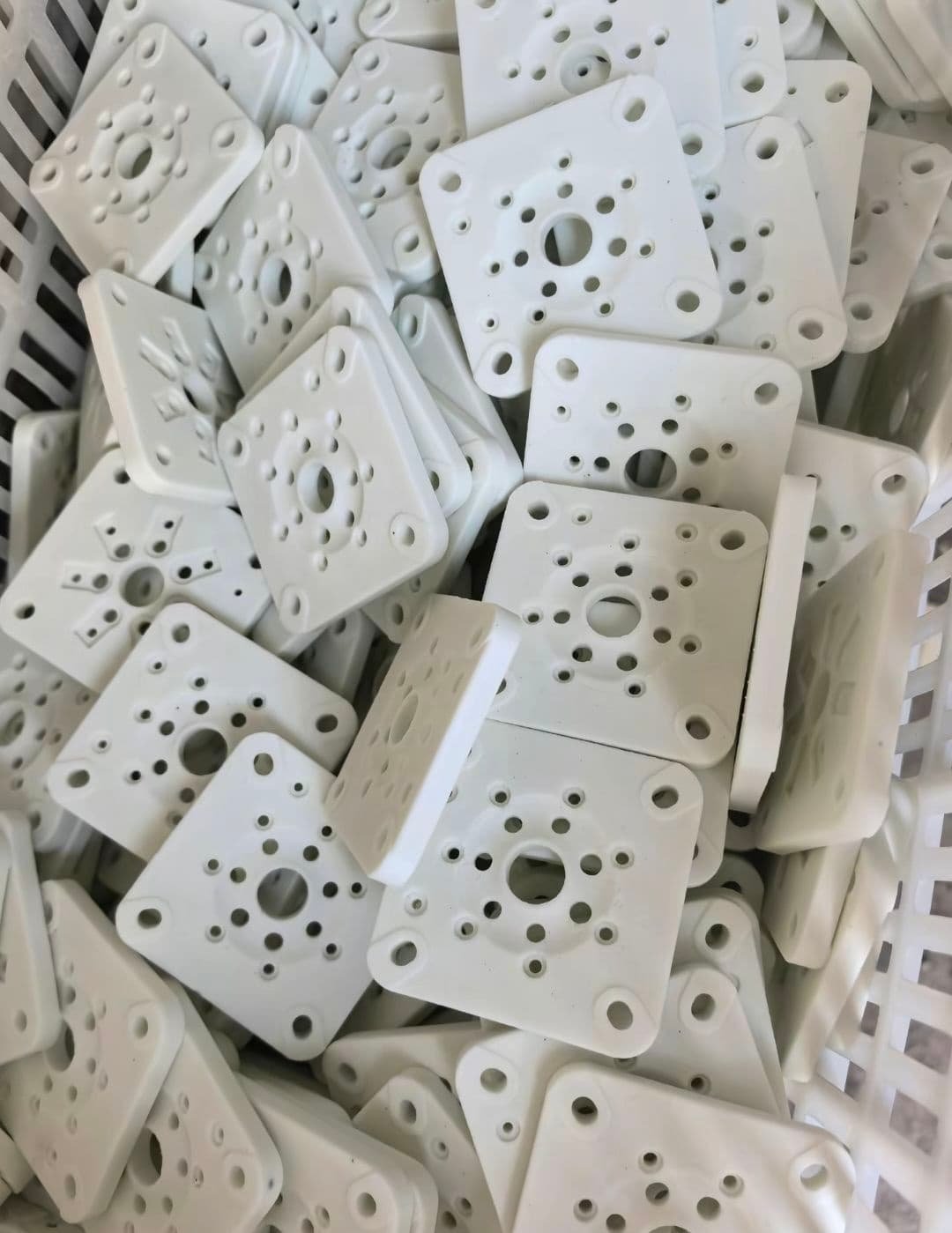
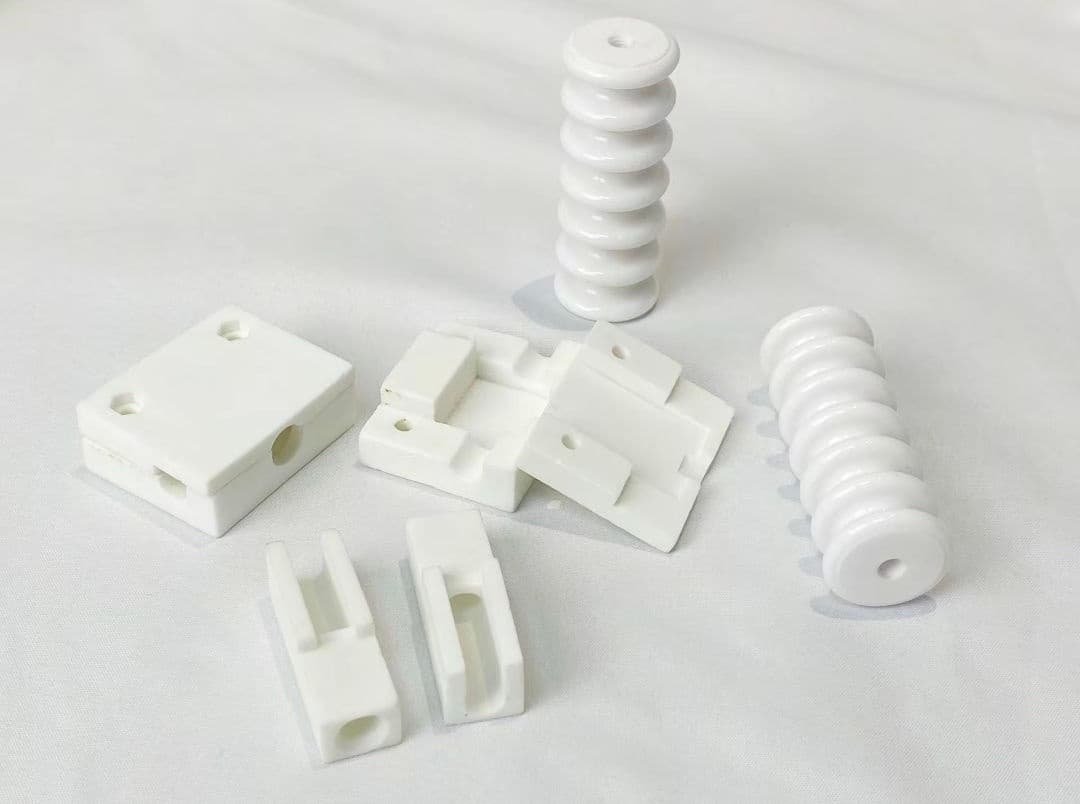
Steatite Ceramic Components Shaped by the Application
INDUSTRY Equipment
Steatite may be reviewed for suitable insulating supports, spacers or fixtures where the process environment, cleanliness, geometry and inspection criteria are defined.
- Insulating geometry reviewed against process conditions
- Surface, edge and particle-risk assessment
- Prototype checks before repeat supply
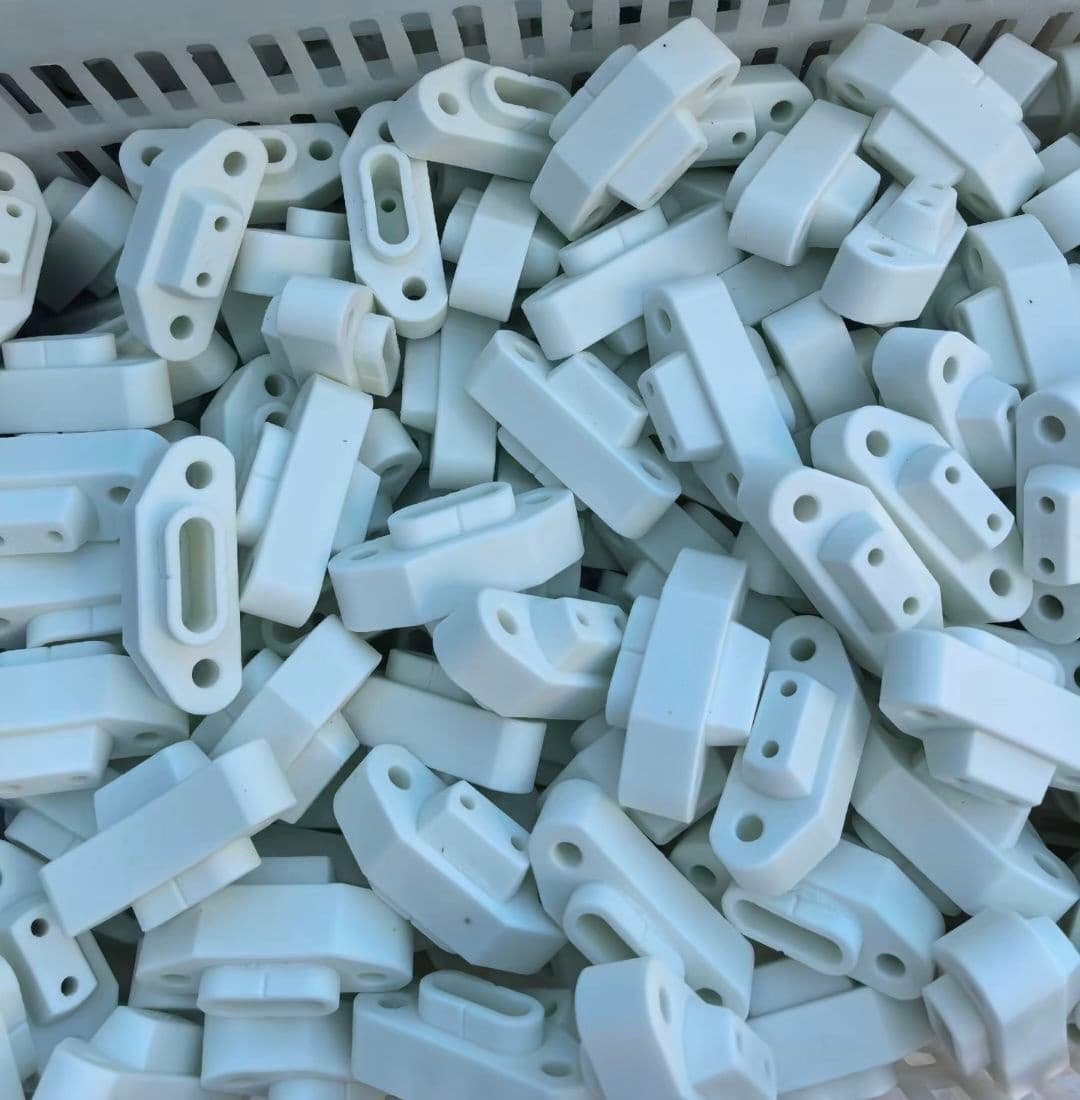
Electronics and Electrical Assemblies
Steatite can be assessed for insulating bodies, supports and spacers where electrical separation, thermal exposure, fit and interface stability are important.
- Voltage, temperature and environment review
- Hole, seat and mating-interface evaluation
- Batch consistency tied to agreed inspection
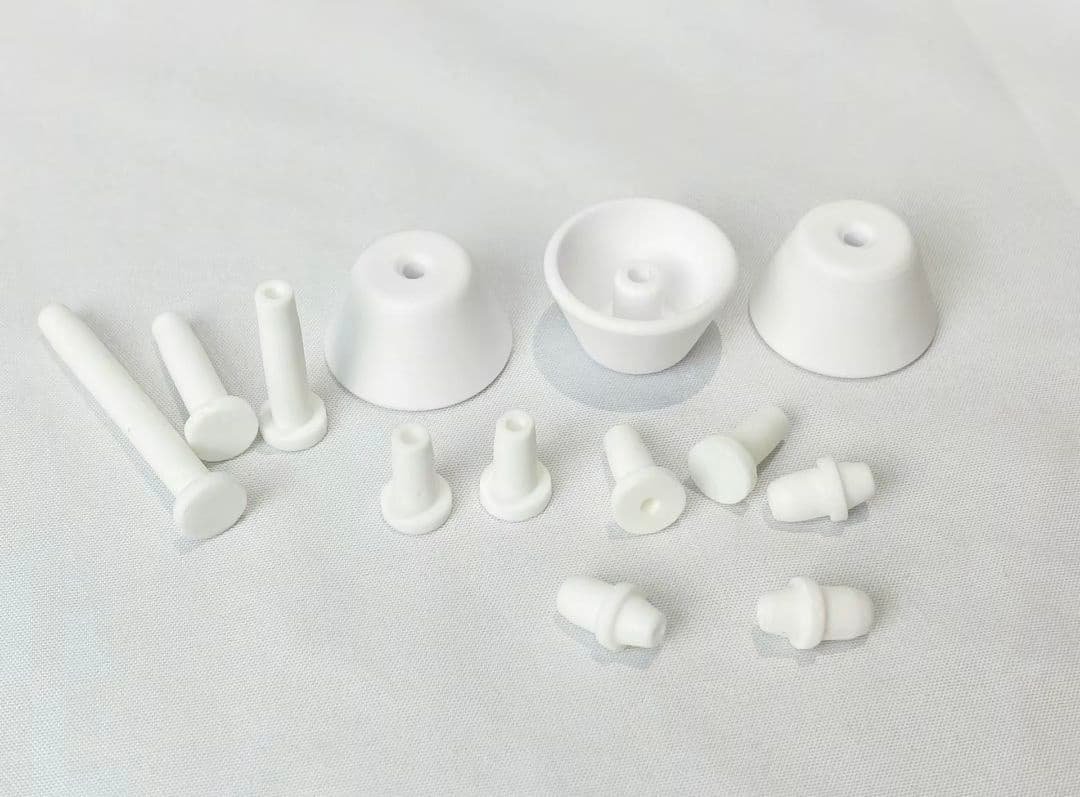
Precision Machinery
Steatite components can be reviewed for guides, bushes, spacers and fixtures where dimensional fit, friction, thermal movement and electrical isolation affect operation.
- Contact and load conditions reviewed early
- Grinding and finishing options assessed
- Inspection matched to assembly-critical features
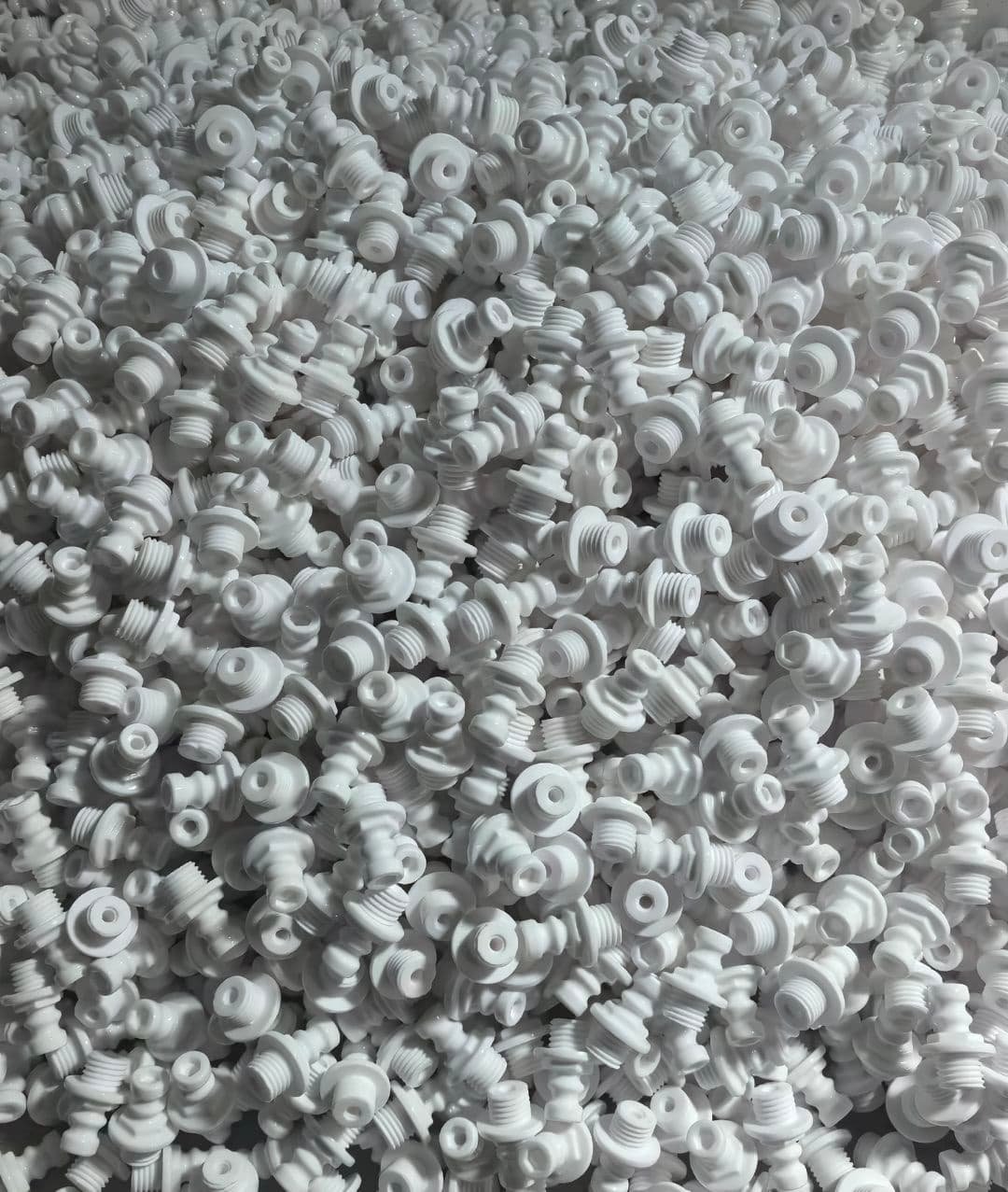
Thermal and Industrial Equipment
Steatite may suit selected thermal or industrial components after temperature cycling, atmosphere, mechanical loading and interface risks are reviewed.
- Duty cycle and thermal gradients defined
- Steatite compared with other ceramic families
- Functional surfaces matched to the route
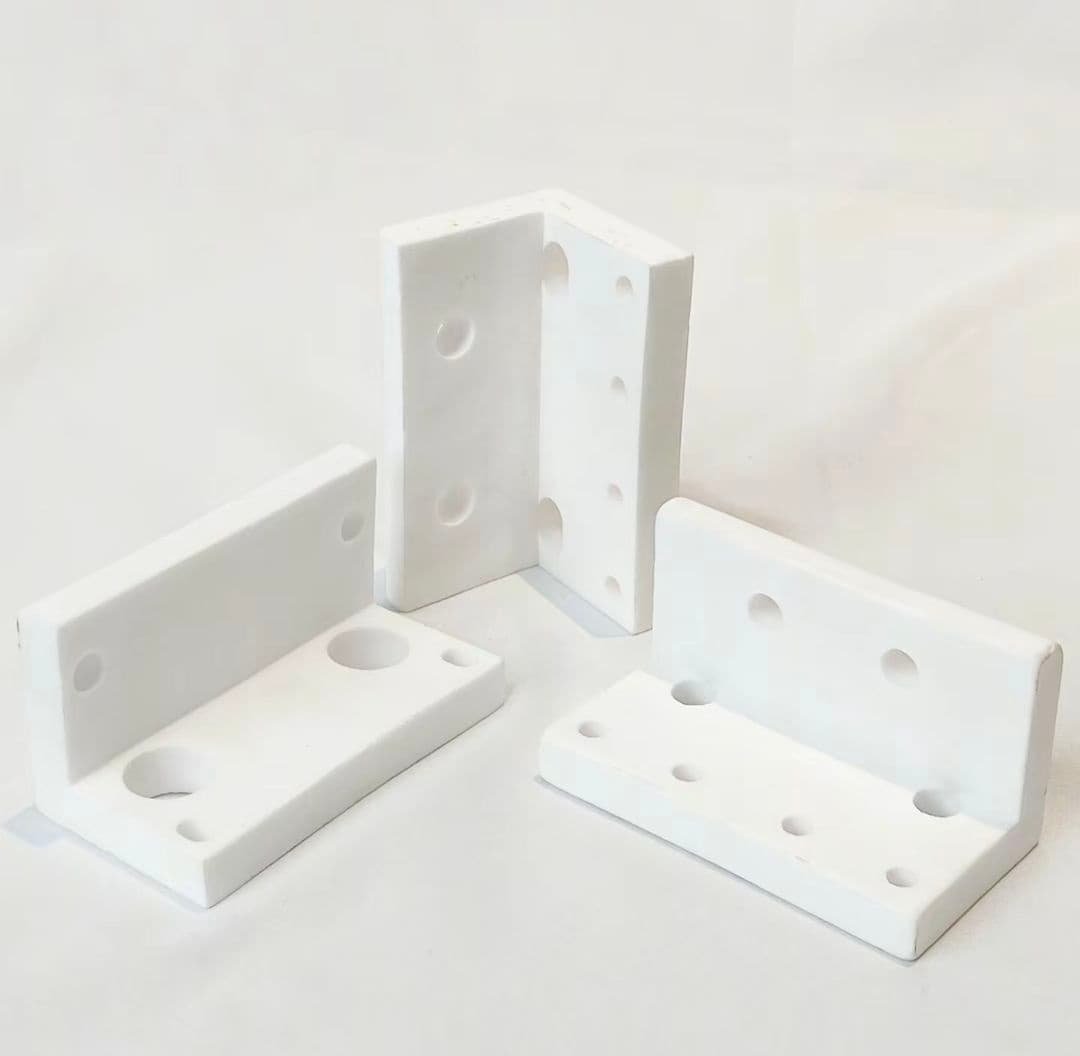
Steatite Forms for Insulation and Precision Assemblies
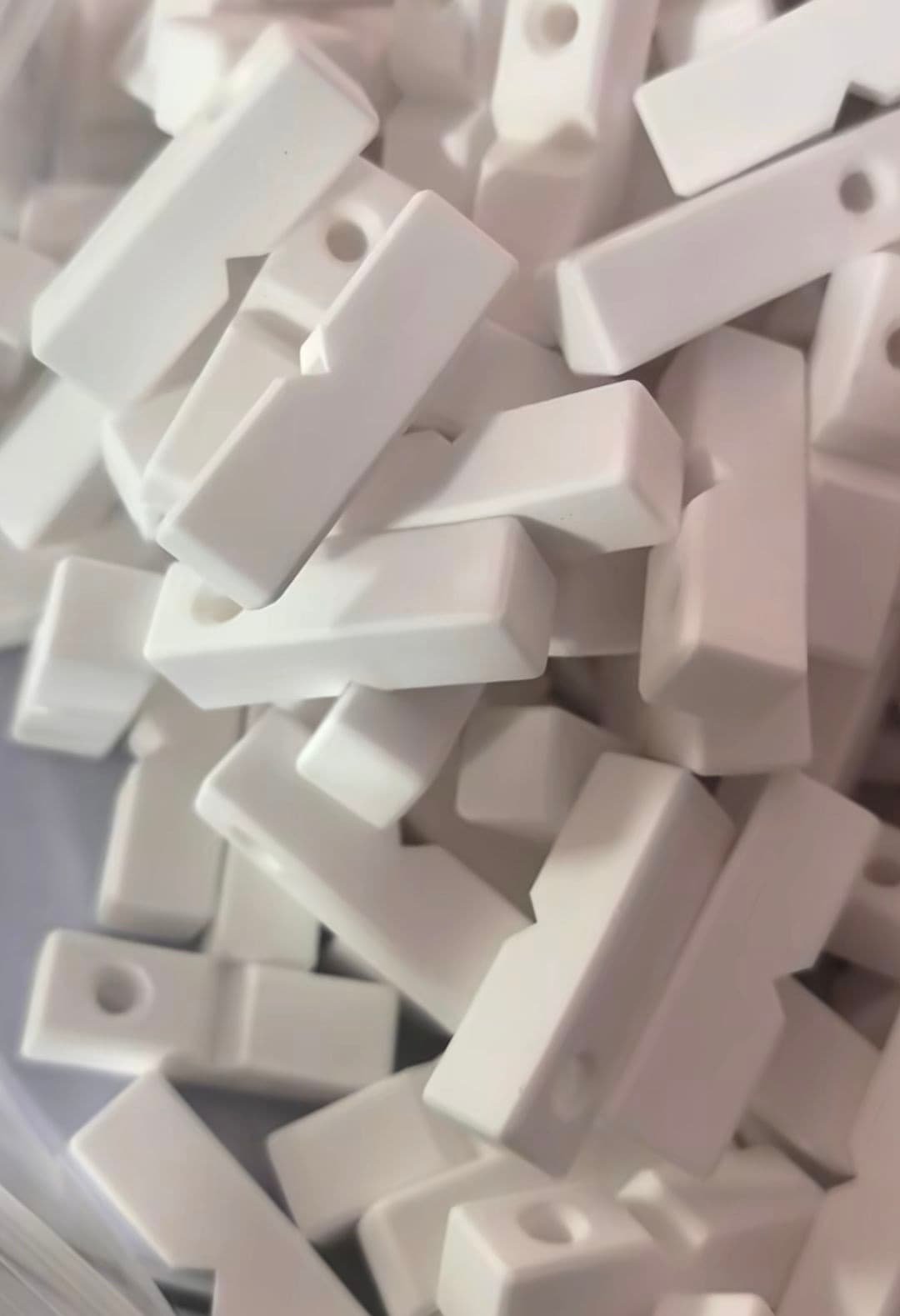
Steatite Pins, Shafts and Spacers
Pins, shafts and spacers can be reviewed for steatite where electrical separation, alignment, thermal exposure and fit are part of the design requirement.
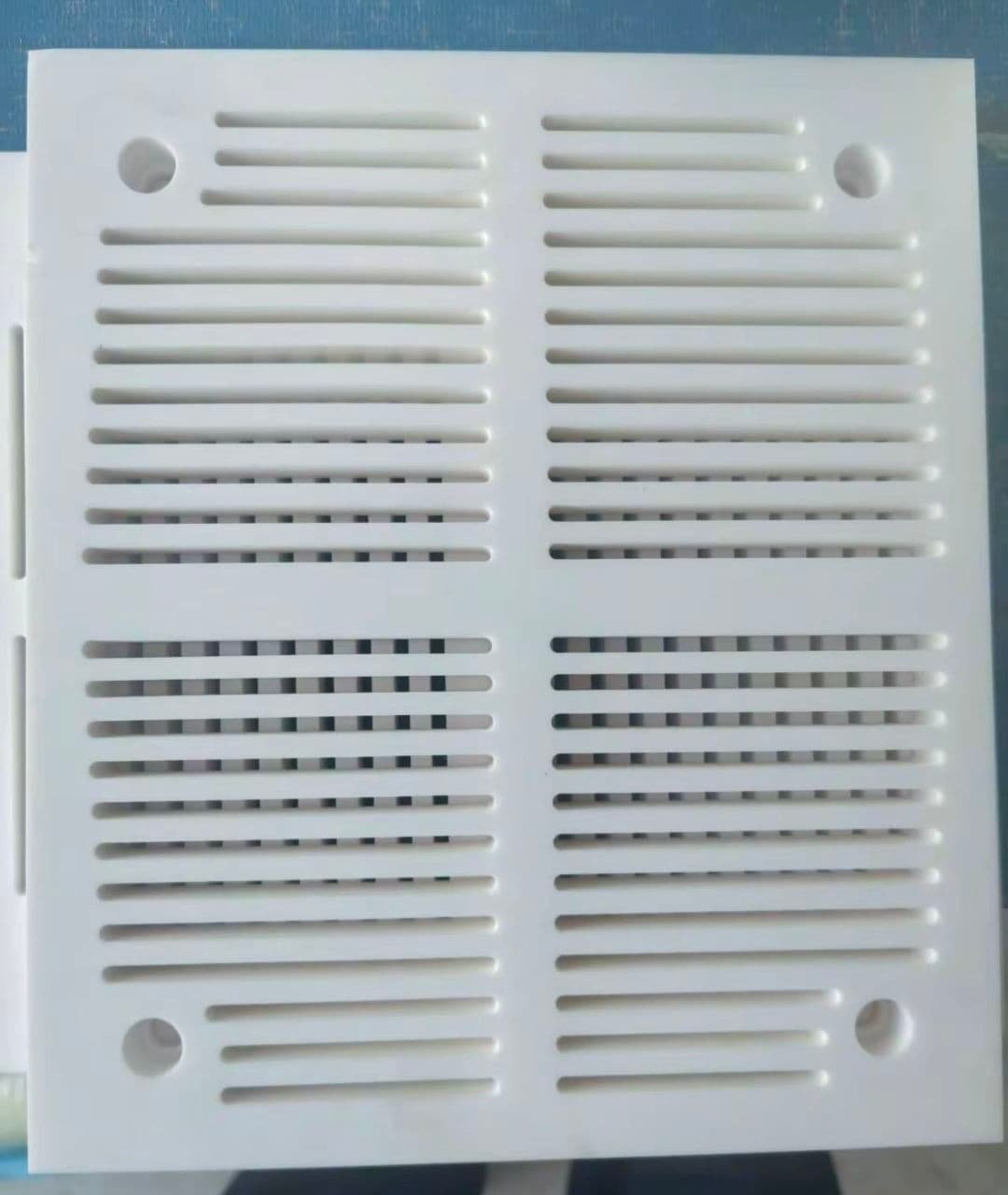
Steatite Plates and Discs
Plates and discs can be developed around steatite thickness, flatness, hole patterns, mounting interfaces and thermal or insulating duty.
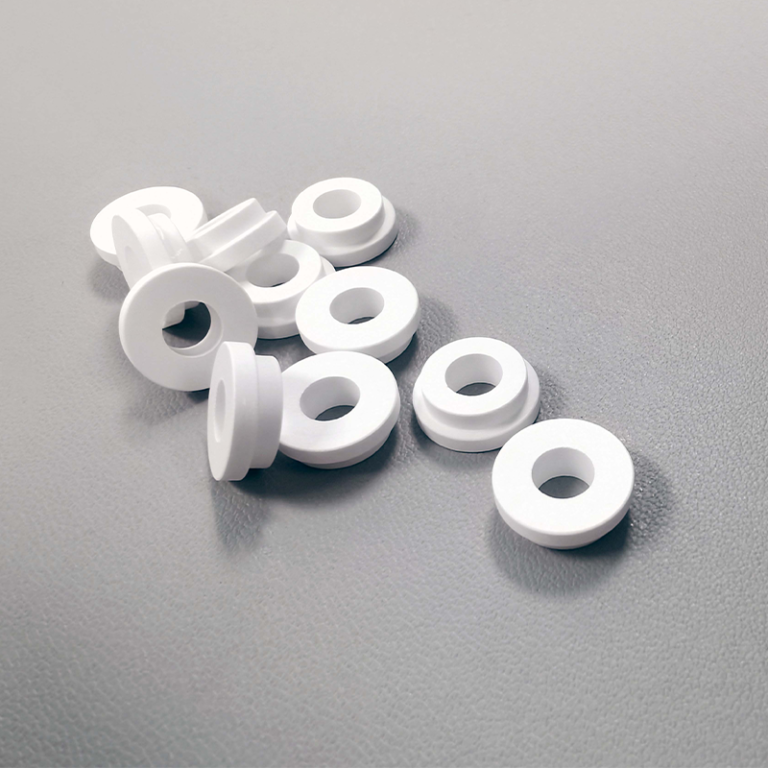
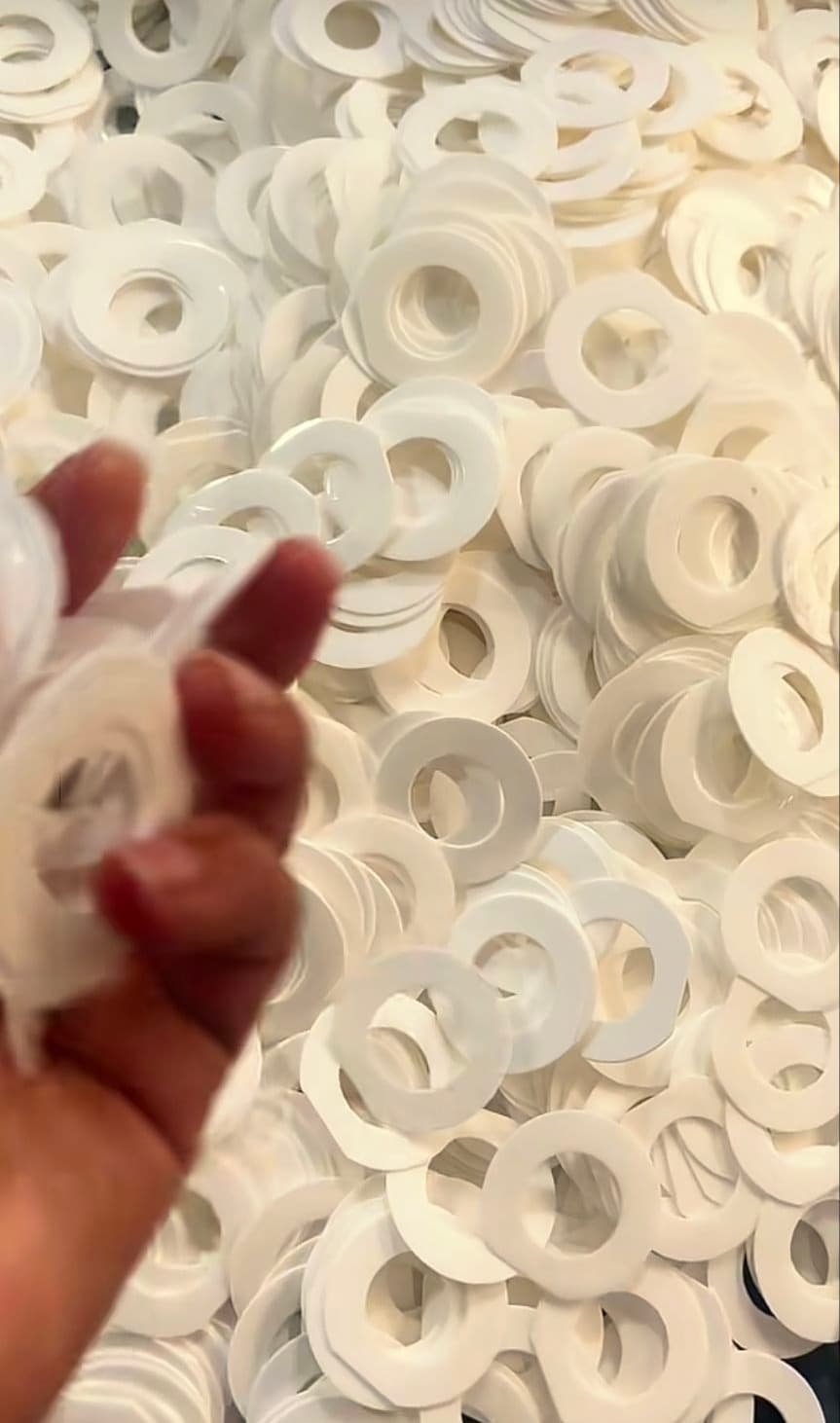
Steatite Rings, Washers and Insulating Spacers
Rings and washers can be assessed for steatite when gap control, compression, insulation, seating and edge integrity matter in assembly.
Steatite Tubes, Bushes and Feedthrough Parts
Tubes, bushes and related parts can be reviewed around steatite wall thickness, bore condition, concentricity, sealing interfaces and handling risks.
A Practical Guide to Sourcing Steatite Ceramic Components
Define the Steatite Component and Operating Duty
Start with the component’s job rather than the material name alone. Identify whether the steatite part is an insulating spacer, support, tube, washer, plate, disc, bush, fixture or another drawing-defined form. Record the mating parts, assembly loads, contact areas, fastening method and any risk from chipping at edges or holes. State the operating temperature, heating and cooling cycle, atmosphere, humidity, contamination exposure and expected service duration. If the part provides electrical separation, define the voltage context, spacing, contact arrangement and any test method your organization uses; do not assume a generic ceramic description proves compliance. For thermal service, describe gradients and nearby materials because differential expansion can create stress. Include annual quantity, batch size, prototype quantity and whether the part is a replacement or new design. These inputs allow C-CERAMIC to review steatite grade, geometry, forming route and inspection effort together. They also prevent a quotation from being based on an image or nominal shape that does not represent the real duty.
Choose Steatite Grade and Compatible Interfaces
Steatite should be specified by a documented grade or agreed material definition, not only by color or a broad family name. Ask what composition, filler system, porosity expectation, firing condition and available material documentation apply to the proposed part. Then review the interfaces: metal fasteners, pins, terminals, adhesives, seals, coatings and neighboring ceramics can impose different thermal expansion, contact pressure or chemical risks. Define whether surfaces must remain unglazed, whether a metallized or bonded area is required, and whether cleaning or handling restrictions apply. For insulating components, specify the electrical function and acceptance method without requesting unsupported compliance claims. For thermal applications, compare steatite with alumina or other ceramic families only against the actual duty, geometry and production route. A supplier should explain where the selected grade is confirmed and where feasibility remains conditional. C-CERAMIC can use the drawing, environment and quantity to review steatite alongside relevant alternatives, but the final material choice should be recorded as a project decision with the applicable revision, interface assumptions and inspection evidence.
Review Steatite Geometry and Manufacturing Routes
Steatite geometry must be reviewed with forming shrinkage, sintering distortion and post-sinter access in mind. Provide wall sections, holes, slots, radii, bosses, threads, shoulders, datum surfaces and any asymmetric features that could affect support during processing. Thin projections and sharp internal corners may increase handling or chipping risk, while deep bores can restrict inspection and finishing access. For repeat quantities, ceramic injection molding or another molded route may be considered when the geometry and forecast justify tooling. For simpler shapes, pressing or another forming method may be more practical; the route remains conditional until the drawing and quantity are reviewed. CNC machining, grinding and lapping can be evaluated after sintering for critical faces, bores, seats and fit features, but additional finishing affects cost and breakage exposure. Ask the supplier to separate tooling, forming, sintering, machining, finishing and inspection assumptions in the quotation. C-CERAMIC’s broader process categories indicate routes available for feasibility review, not a guarantee that every steatite geometry or tolerance is already validated.
Set Steatite Inspection and Acceptance Criteria
A useful steatite inspection plan begins with functionally important features. Mark datums, overall dimensions, thicknesses, hole locations, bore size, concentricity, flatness, parallelism, seating faces, edge condition and any surface that contacts a seal, conductor or mating component. Decide which characteristics require recorded measurements, which need visual inspection and which may be checked by sampling. Define the reference condition for dimensions, including temperature or assembly state where relevant. Surface roughness, chips, cracks, warpage, discoloration and visible inclusions should be described in terms your receiving team can apply consistently; avoid vague wording such as perfect finish. If electrical insulation is central, state the test arrangement and acceptance method rather than relying on a general material label. If thermal cycling or leak behavior matters, define the test fixture and sequence. Request a sample inspection report during quotation so evidence expectations are clear. C-CERAMIC can review measurement access, inspection timing and report scope alongside the process route, but the final criteria must be agreed on the drawing or purchase documentation before production release.
Compare Steatite Prototype and Production Quotations
Compare quotations by separating one-time and recurring work. For a steatite prototype, ask whether the price covers design review, temporary tooling, forming, sintering trials, machining, finishing, inspection and protective packing. Confirm the expected quantity, sample revision, material definition and what evidence will be supplied. For repeat production, compare tool amortization, minimum economic batch, setup assumptions, process controls, inspection sampling and packaging. A low unit price may conceal a route that cannot hold the required geometry or that leaves critical finishing to a separate supplier. Check whether the quotation is based on a fixed steatite grade or a conditional alternative, and identify any exclusions for special tests, metallization, bonding, cleaning or documentation. Ask how changes to drawing revision, annual demand or inspection scope would affect the commercial basis. C-CERAMIC can review rapid prototypes, low-volume production, mass production or contract manufacturing routes according to project requirements, but MOQ, lead time and capacity must be confirmed for the specific inquiry. The best comparison makes technical assumptions visible before purchase approval.
Prepare a Complete Steatite RFQ and Qualification Plan
A complete steatite RFQ should include the latest drawing revision, 3D model where useful, material or grade requirement, quantity by phase, forecast demand, application description, operating environment, assembly interfaces and packaging sensitivity. Highlight critical-to-function features and explain how the part will be tested or accepted. Include sample requirements, inspection report expectations, traceability needs and the approval path for material or process changes. Ask the supplier to state the proposed forming route, sintering considerations, post-sinter operations, inspection method and any assumptions that remain unverified. For qualification, define what must be demonstrated on prototype or first articles: fit, dimensional stability, surface condition, insulation function if applicable, thermal exposure or other application-specific checks. Do not request unsupported certifications or infer regulatory approval from a general ceramic capability statement. C-CERAMIC can use the RFQ to review steatite feasibility, identify geometry risks, suggest relevant process options and prepare a project quotation. Keep acceptance criteria, drawing revision and approved deviations under controlled records so repeat orders remain aligned with the validated part.