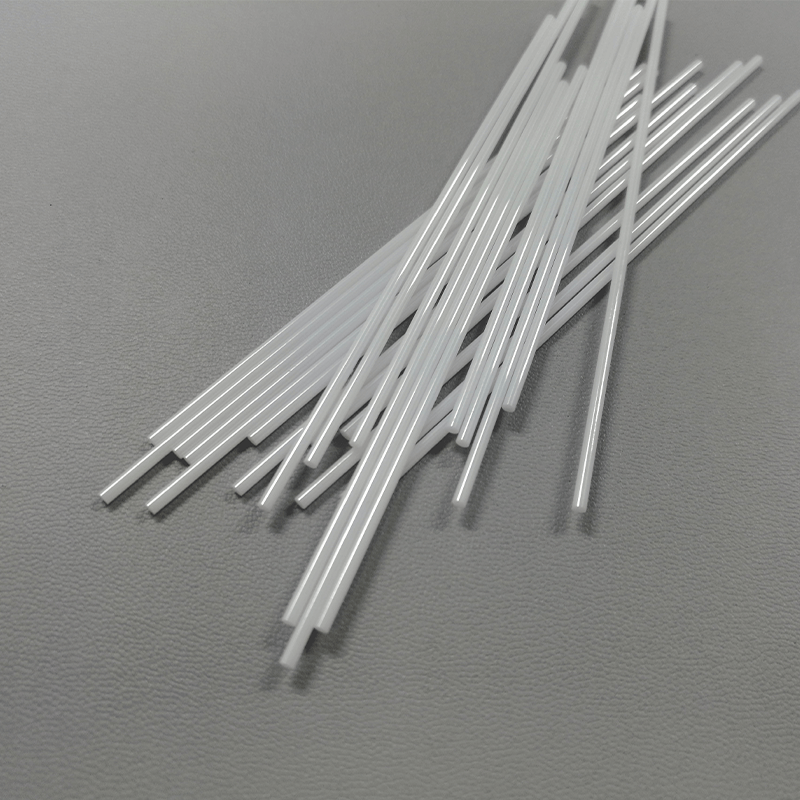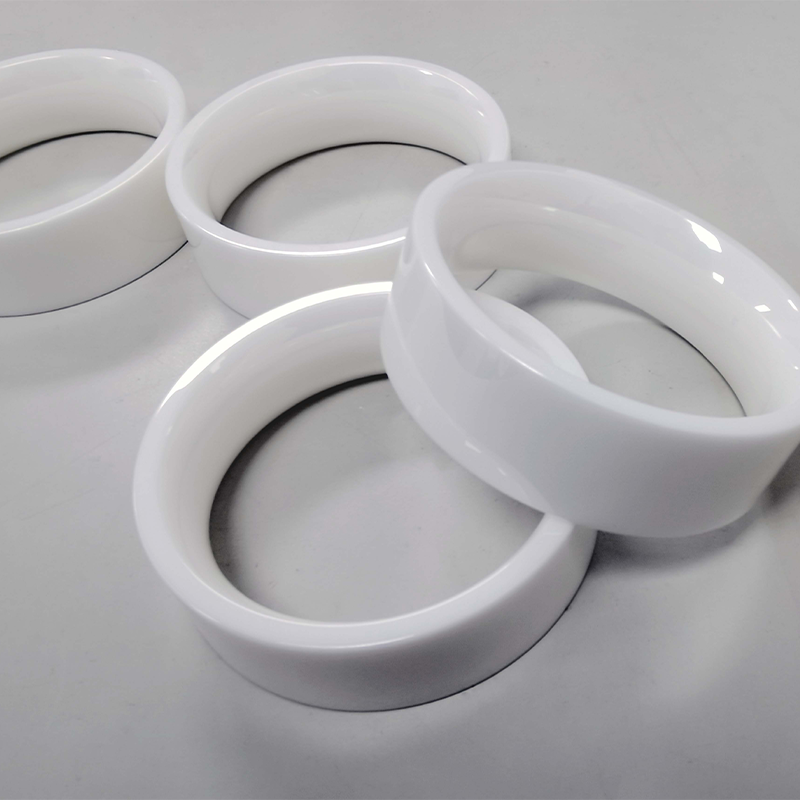
Ceramic Manufacturing Capabilities for Custom Technical Parts
Featured Technical Ceramic Components
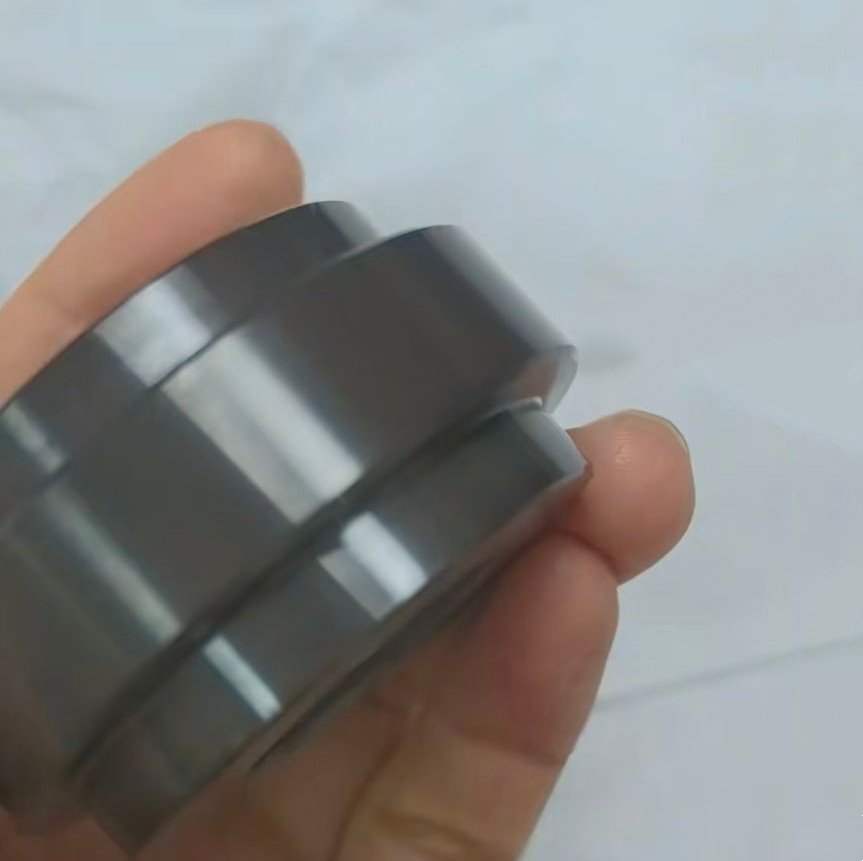
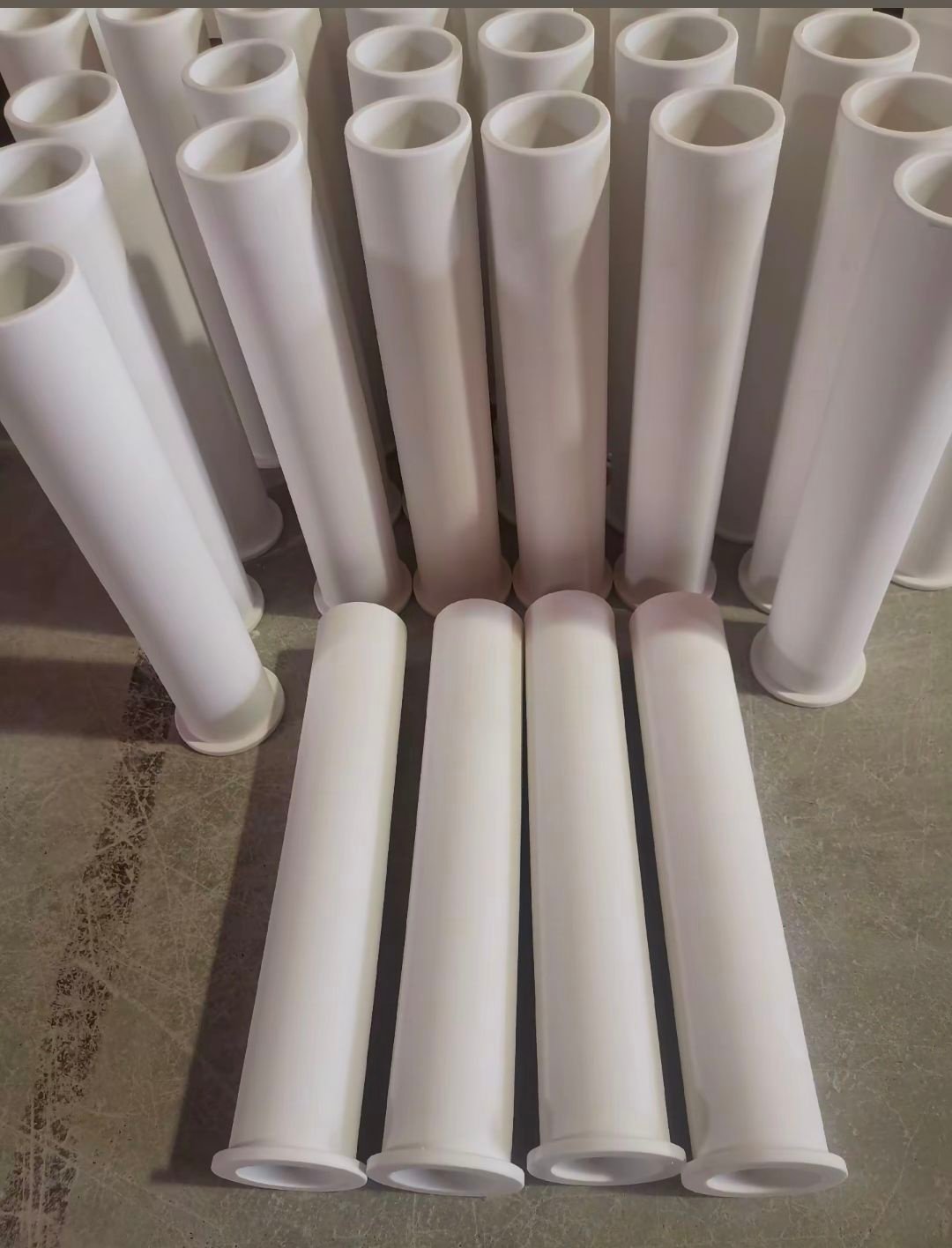
Specialized Ceramic Manufacturing Services
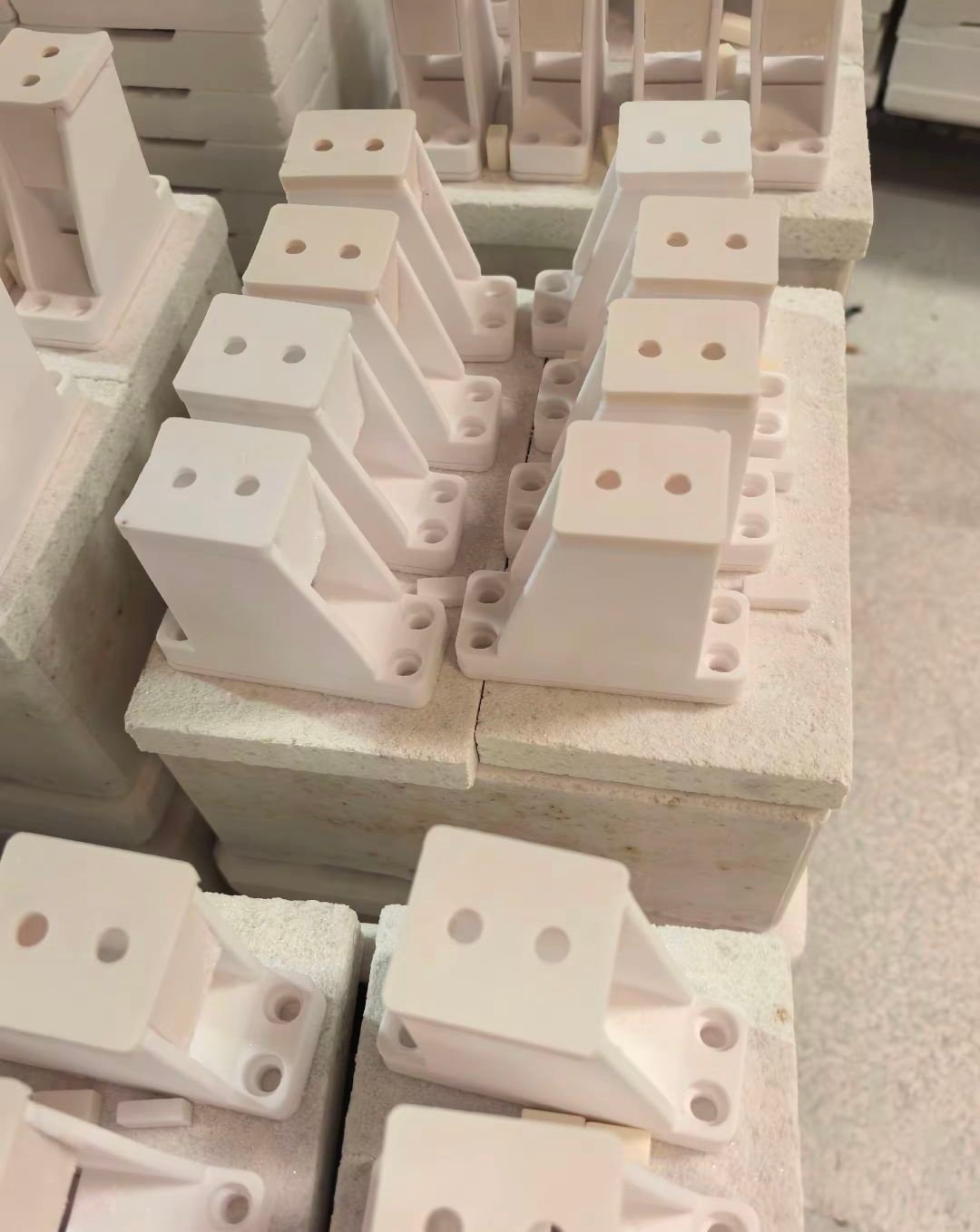
Ceramic Injection Molding
Ceramic injection molding supports repeatable production of complex technical ceramic components where feature consistency and scalable output are required. C-CERAMIC reviews material and design requirements, develops the tooling, forms parts, and manages sintering and finishing within an integrated workflow.
Email for a Quote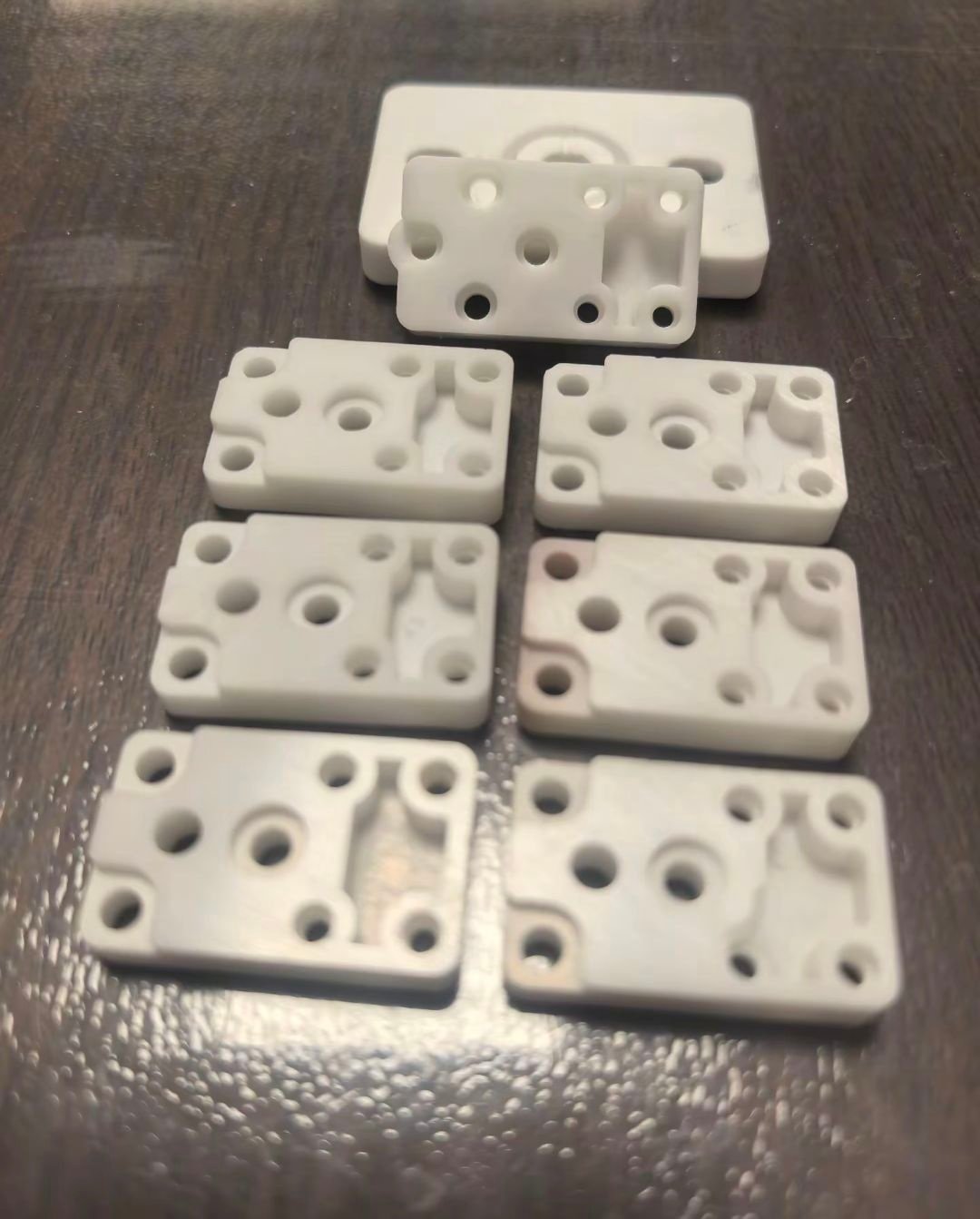
CNC Ceramic Machining
CNC ceramic machining is applied when sintered components require defined geometries, holes, threads, slots, or critical interfaces. C-CERAMIC machines silicon carbide, zirconia, alumina, silicon nitride, and approved materials to project-specific drawings, followed by dimensional inspection.
Email for a Quote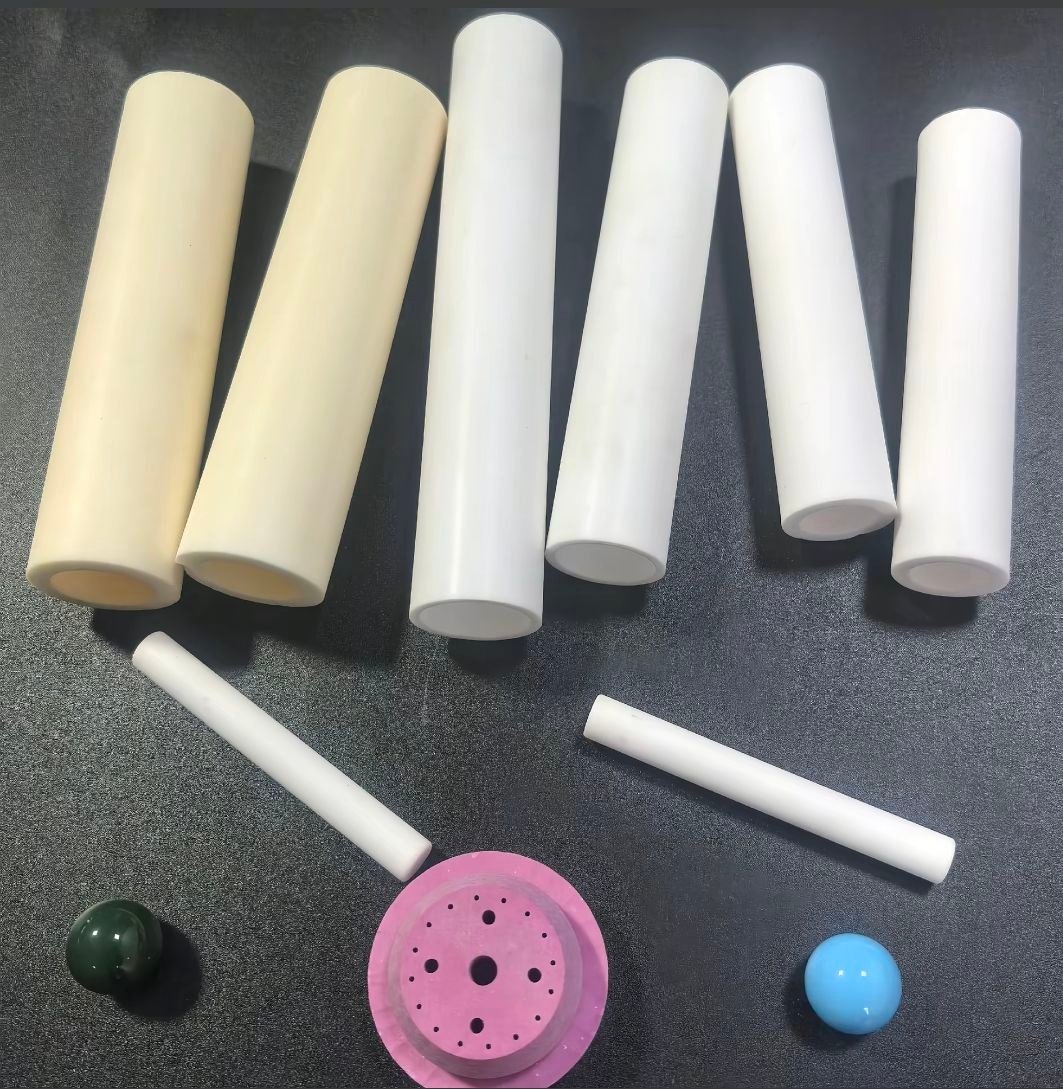
Mold Development
Ceramic mold making establishes the tooling foundation for injection-molded and formed components. C-CERAMIC evaluates part geometry, material behavior, and production requirements before developing molds that support consistent forming, downstream sintering, and repeatable part quality.
Email for a Quote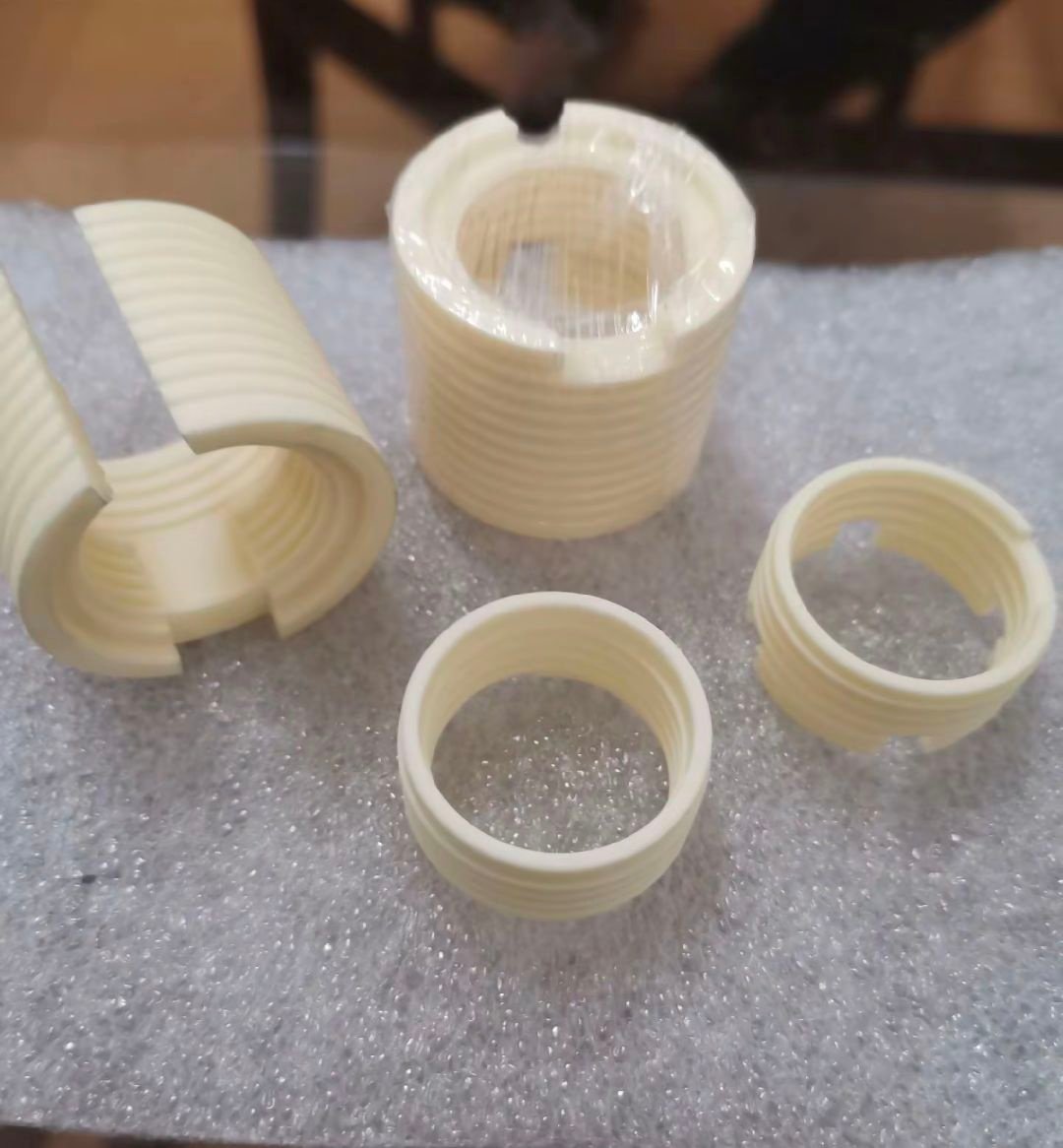
Low-Volume Production
Low volume ceramic production serves prototype validation, design iterations, pilot builds, replacement parts, and specialized OEM requirements. C-CERAMIC combines material and design review, forming or machining selection, sintering, finishing, and inspection for controlled small-batch delivery.
Email for a Quote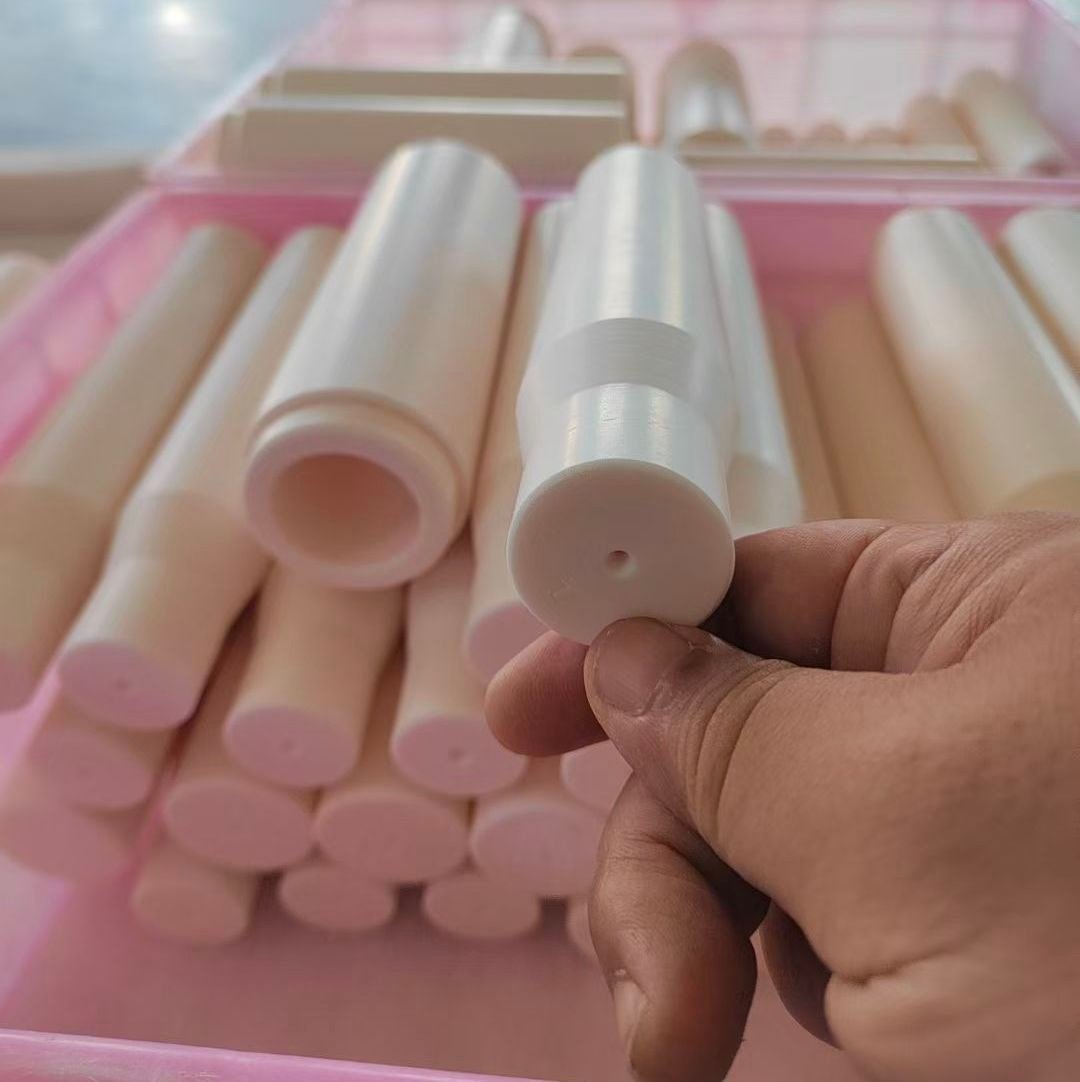
Precision Ceramic Machining
Precision ceramic machining supports parts with demanding dimensional, surface, and functional requirements after sintering. Capabilities include CNC machining, precision grinding, lapping, and finishing for features such as bores, slots, sealing surfaces, shafts, nozzles, and technical interfaces.
Email for a Quote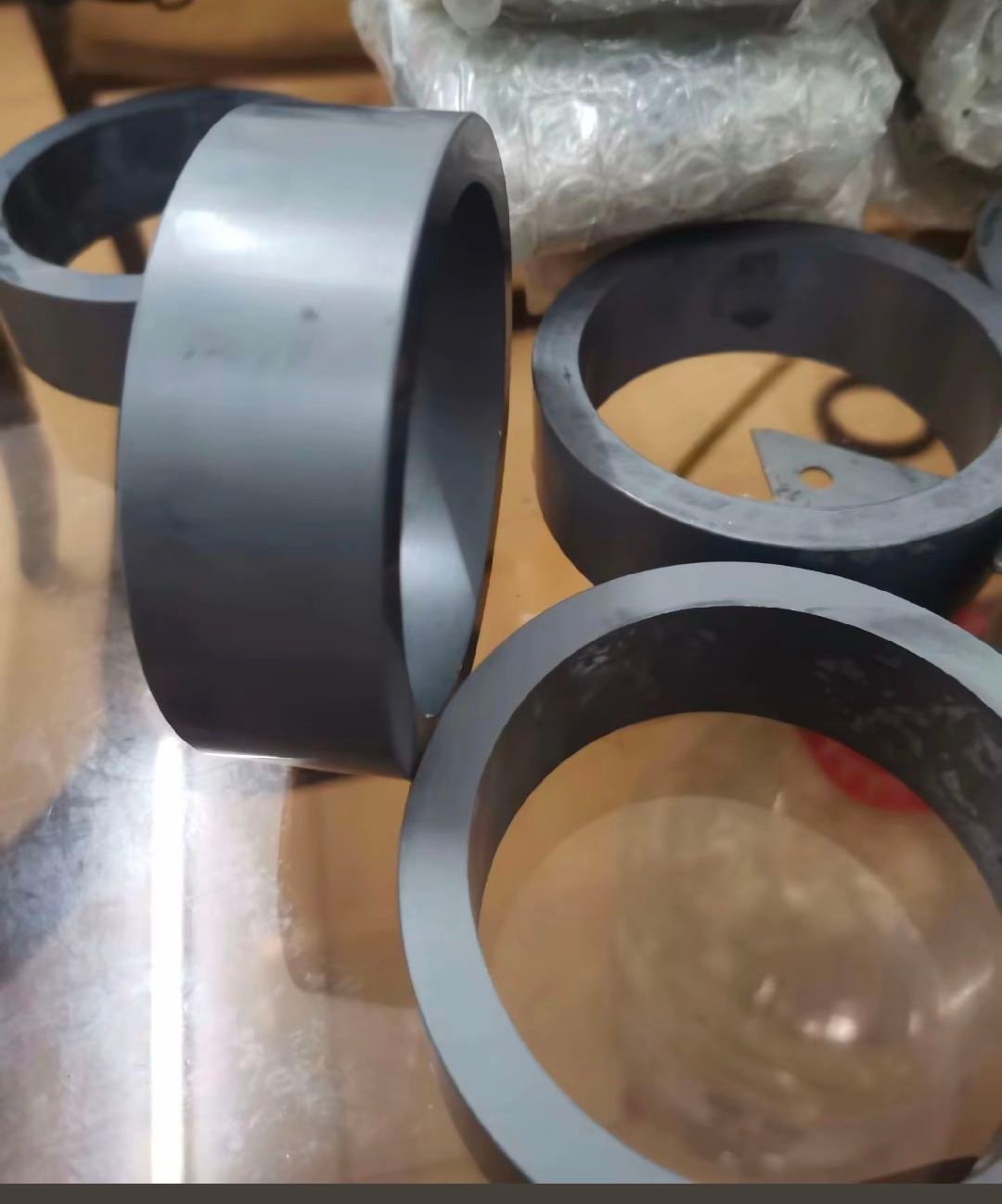
Integrated Manufacturing
Advanced ceramic manufacturing brings forming, high-temperature sintering, CNC machining, precision grinding, finishing, and final inspection into one coordinated production route. It supports rapid prototypes, low-volume work, scalable production, and contract manufacturing for industrial ceramic components.
Email for a QuoteAdvanced Ceramic Materials Matched to the Application
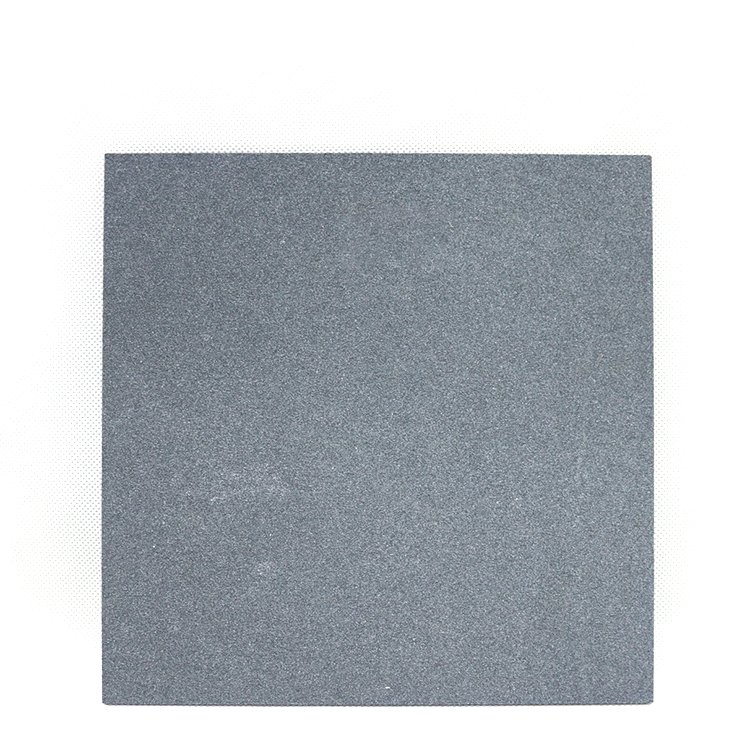
Silicon Carbide
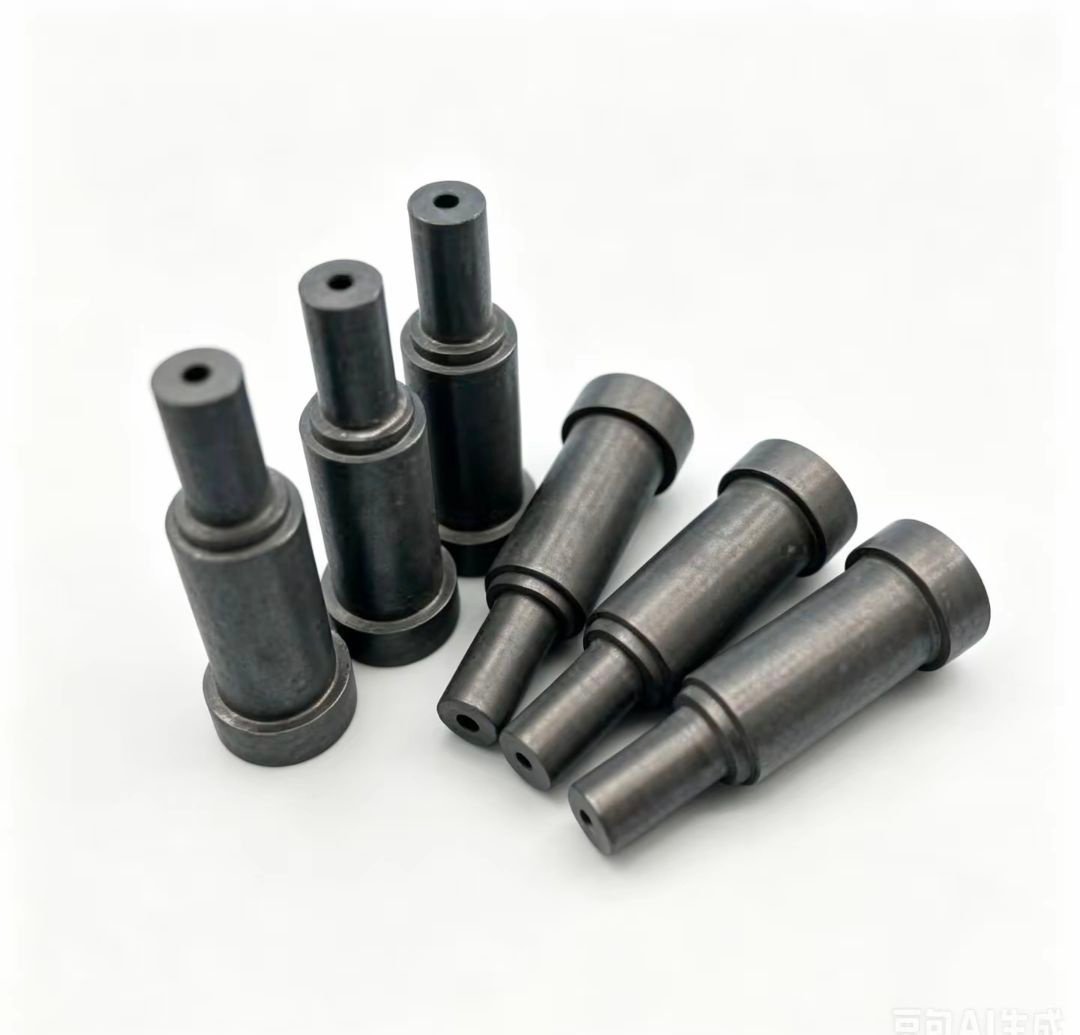
Silicon Carbide is reviewed against the operating temperature, wear, corrosion, electrical, thermal and dimensional requirements stated for the component.
Zirconia
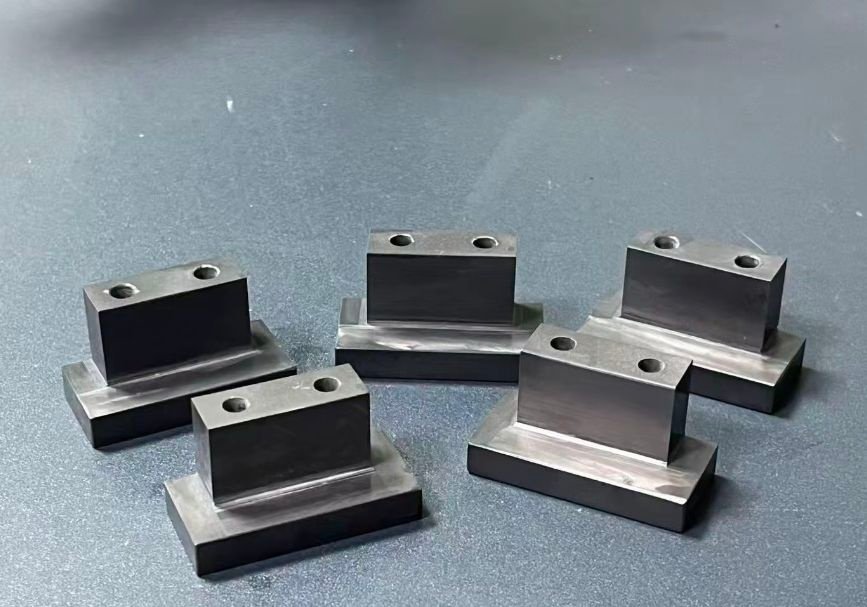
Zirconia is reviewed against the operating temperature, wear, corrosion, electrical, thermal and dimensional requirements stated for the component.
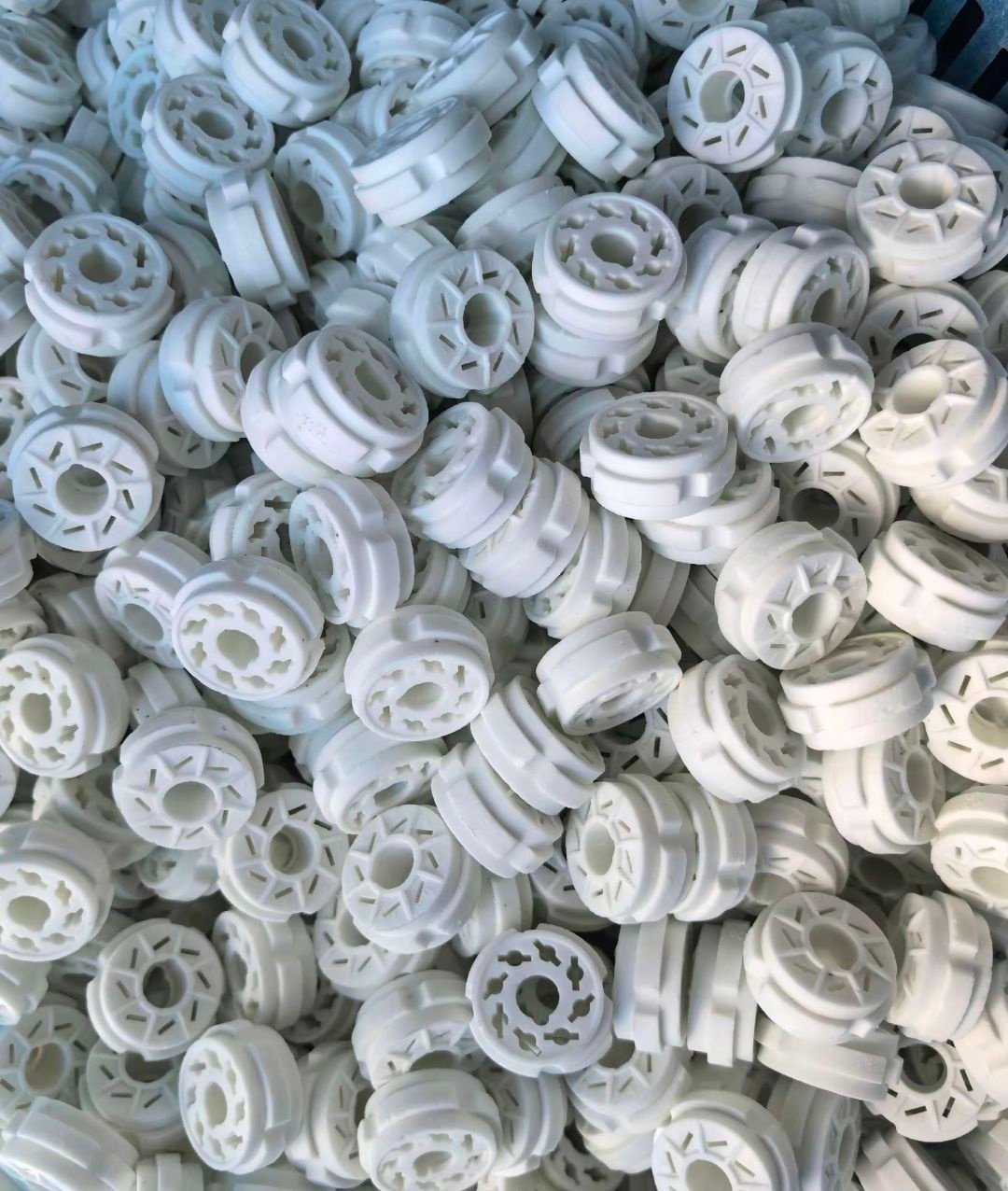
Alumina
Alumina is reviewed against the operating temperature, wear, corrosion, electrical, thermal and dimensional requirements stated for the component.
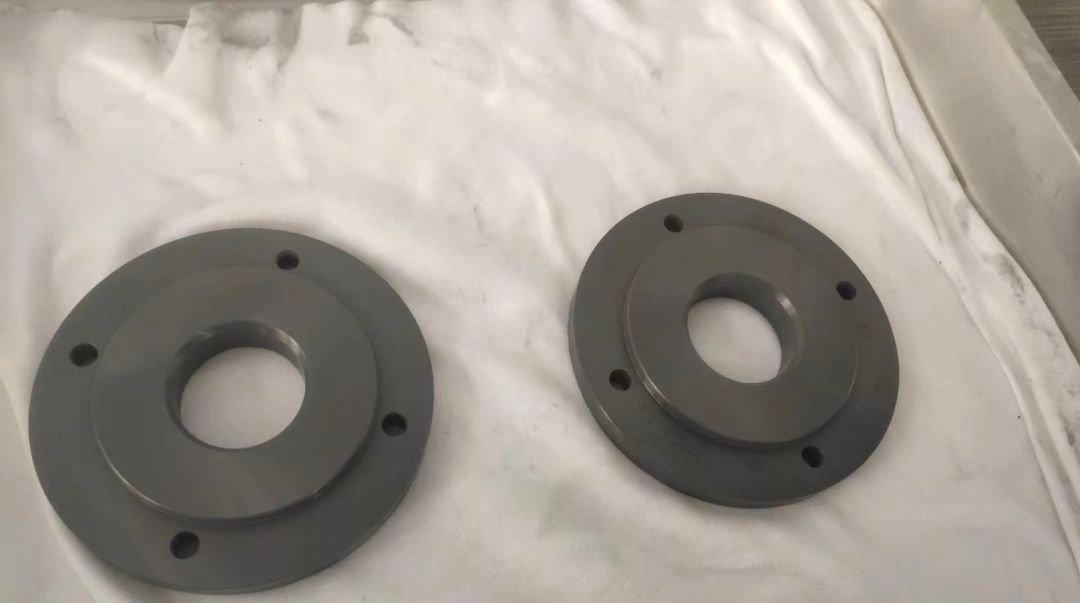
Silicon Nitride
Silicon Nitride is reviewed against the operating temperature, wear, corrosion, electrical, thermal and dimensional requirements stated for the component.
Ceramic Processes From Review Through Final Inspection
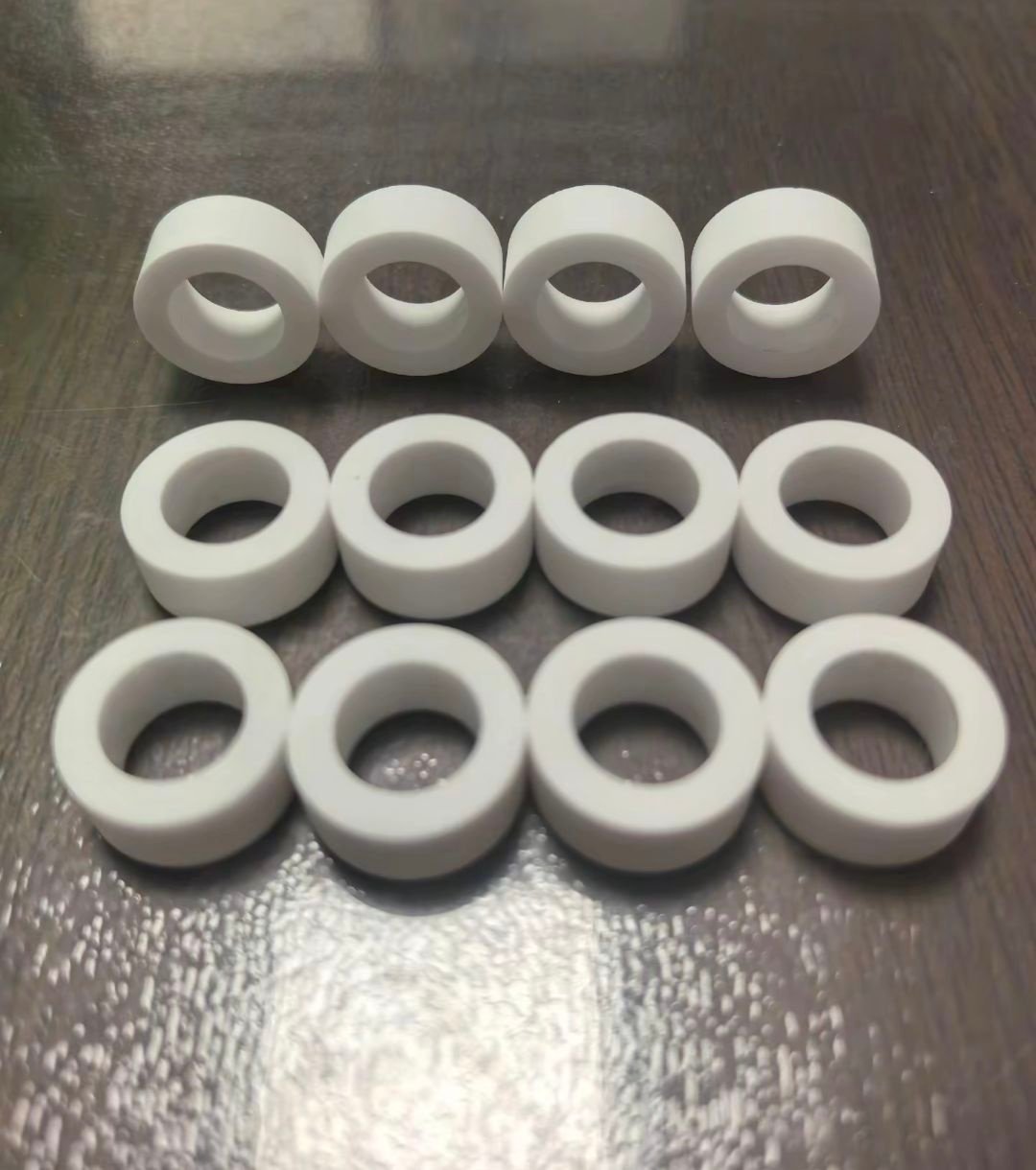
Material and Design Review
Material and Design Review is integrated into the route only where the drawing, material condition and required production stage call for it.
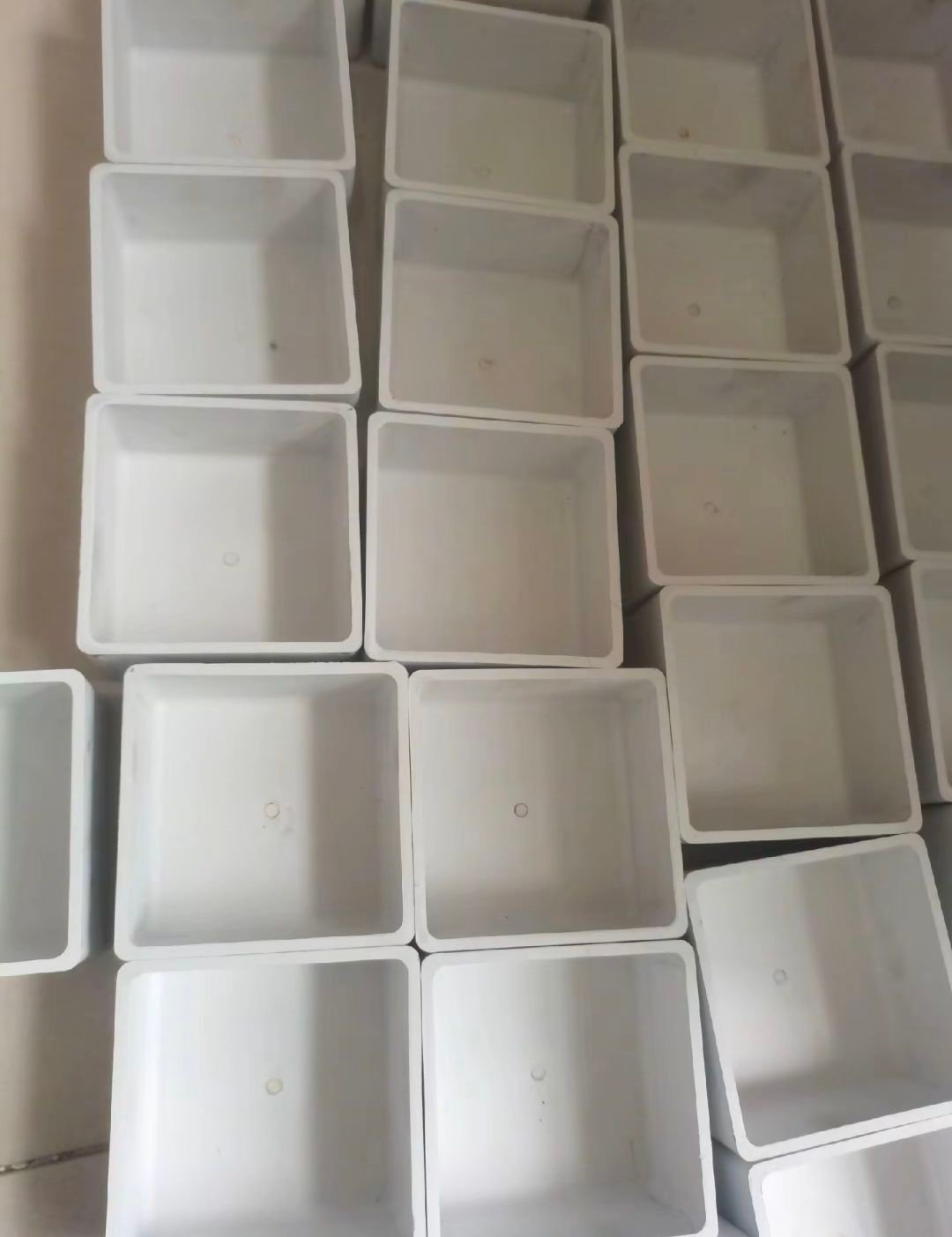
Mold Development
Mold Development is integrated into the route only where the drawing, material condition and required production stage call for it.
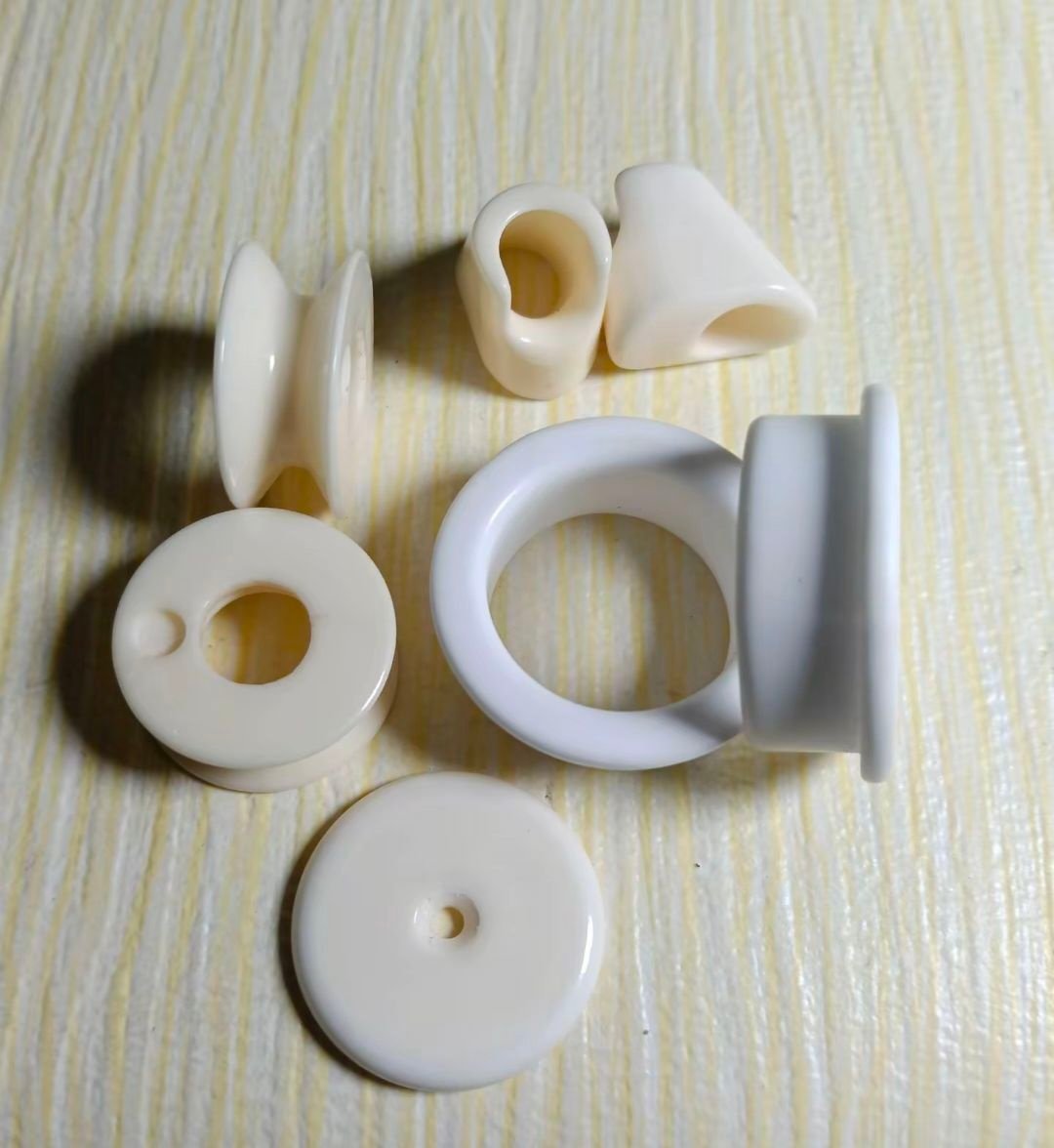
Ceramic Injection Molding
Ceramic Injection Molding is integrated into the route only where the drawing, material condition and required production stage call for it.
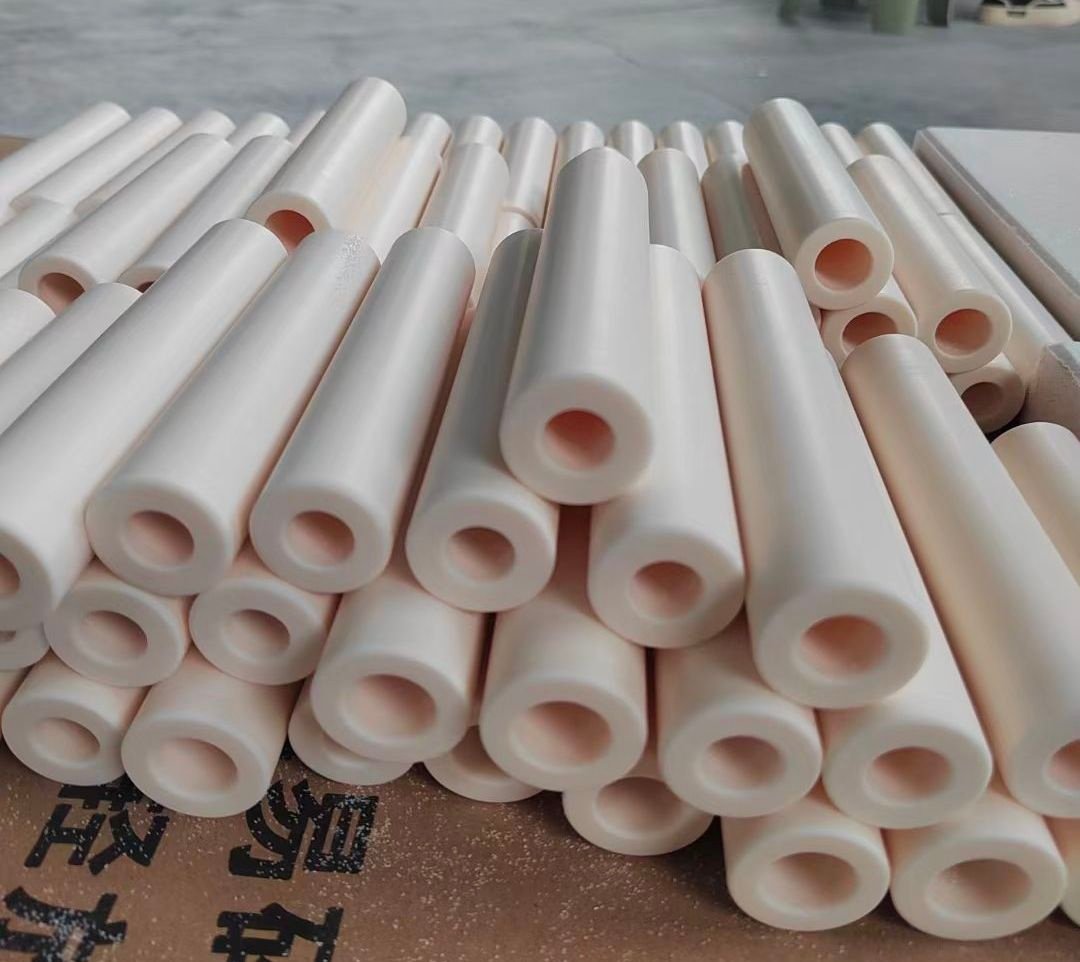
High-Temperature Sintering
High-Temperature Sintering is integrated into the route only where the drawing, material condition and required production stage call for it.
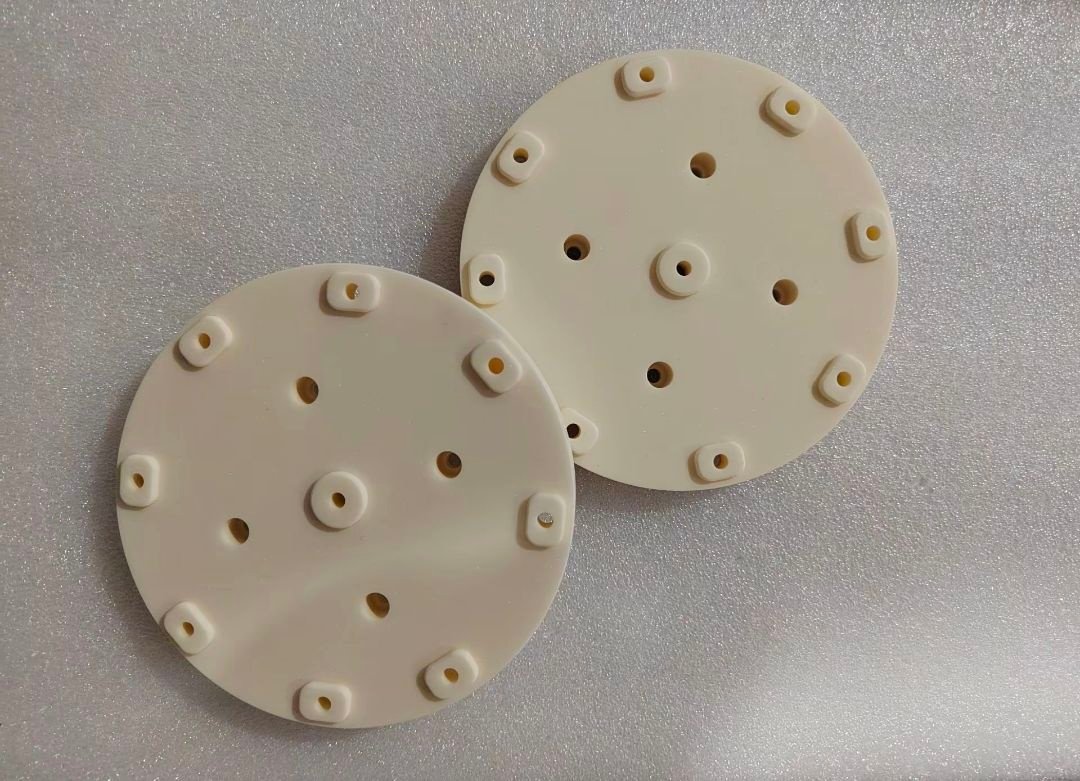
CNC Ceramic Machining
CNC Ceramic Machining is integrated into the route only where the drawing, material condition and required production stage call for it.
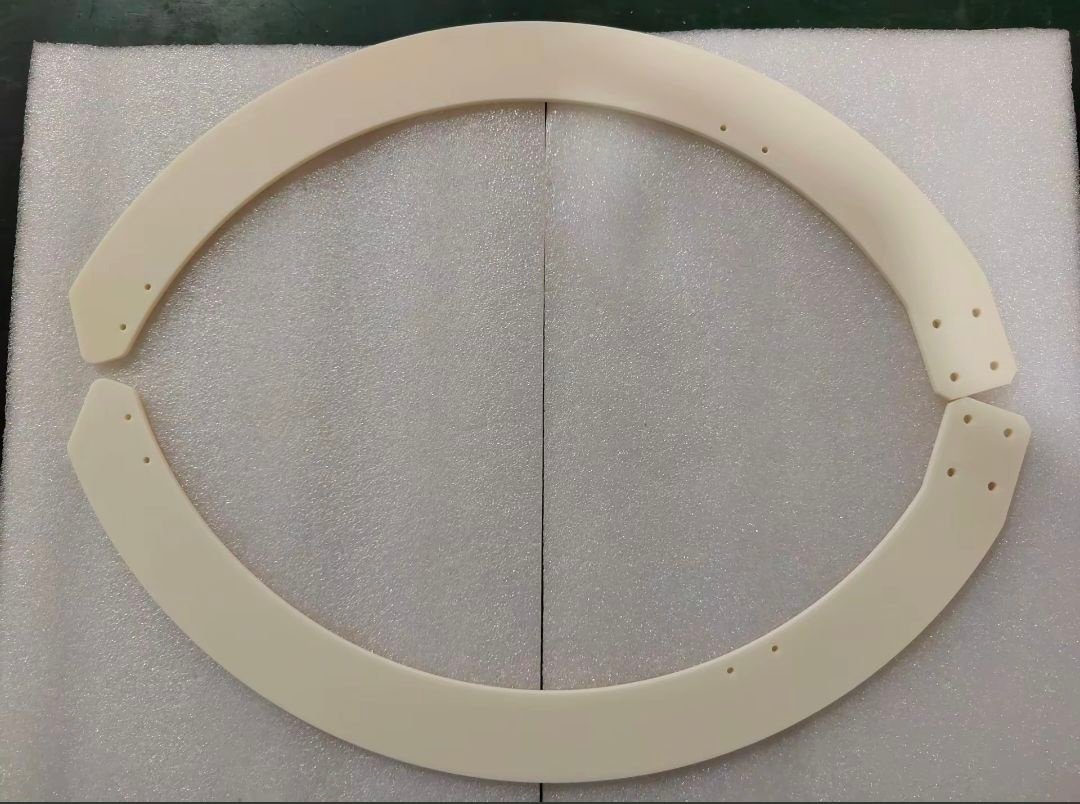
Grinding, Lapping and Finishing
Grinding, Lapping and Finishing is integrated into the route only where the drawing, material condition and required production stage call for it.
Technical Ceramic Forms for OEM Assemblies
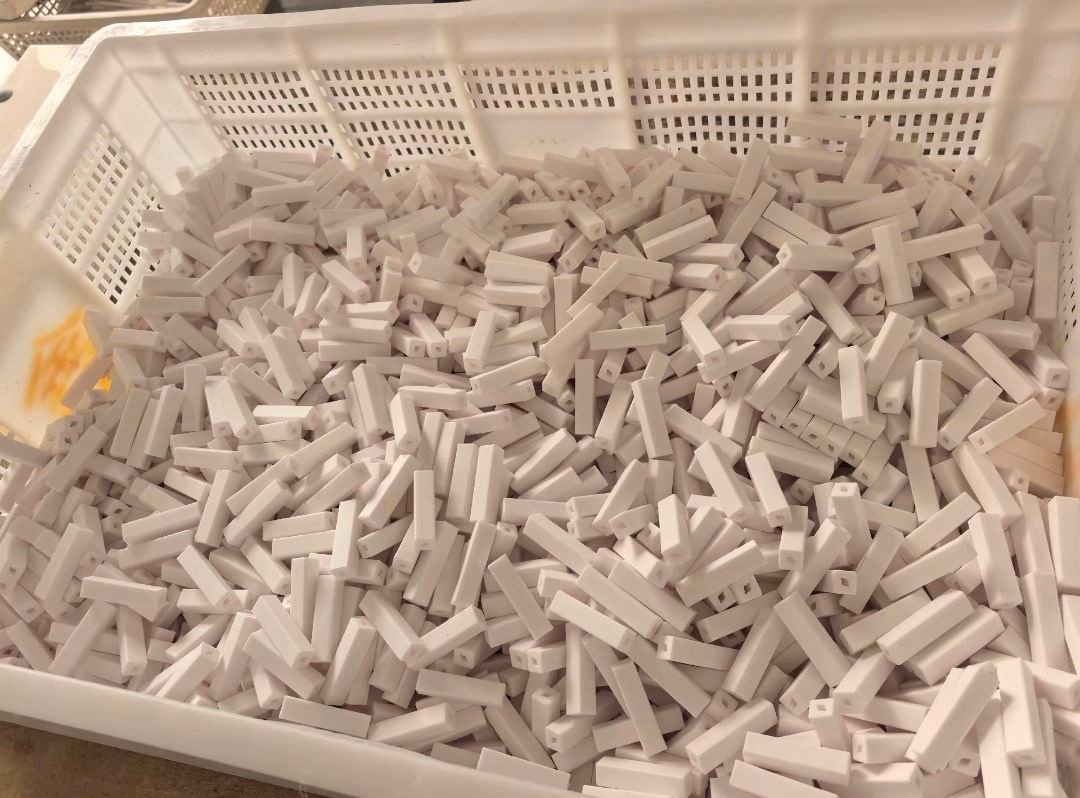
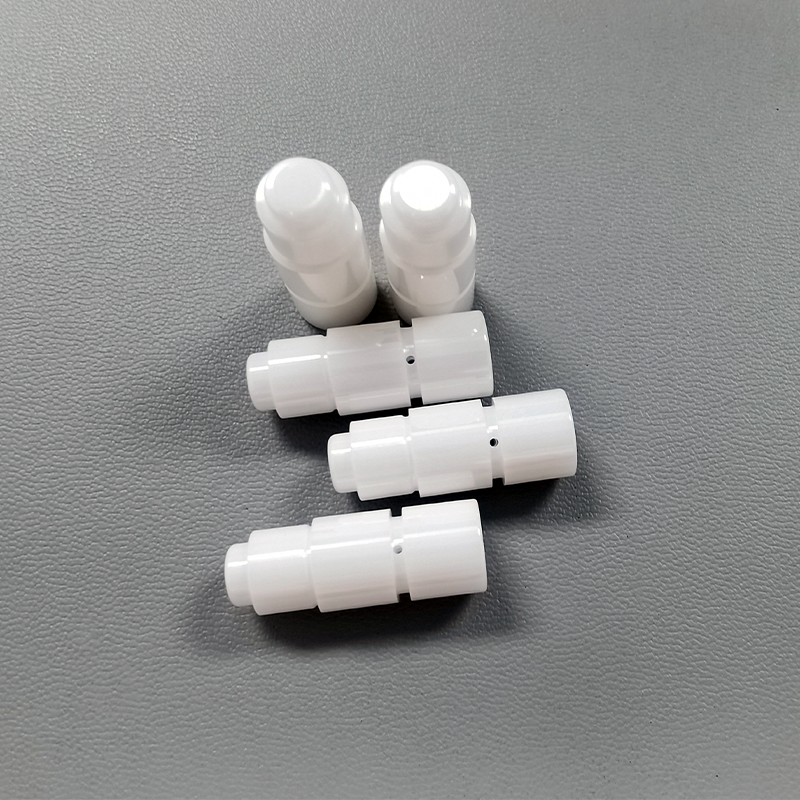
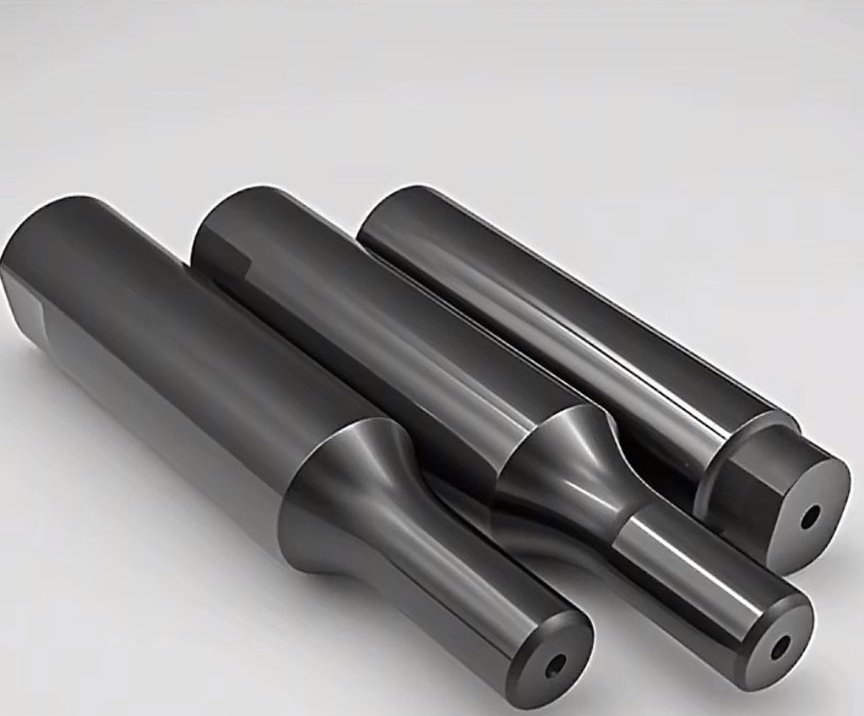
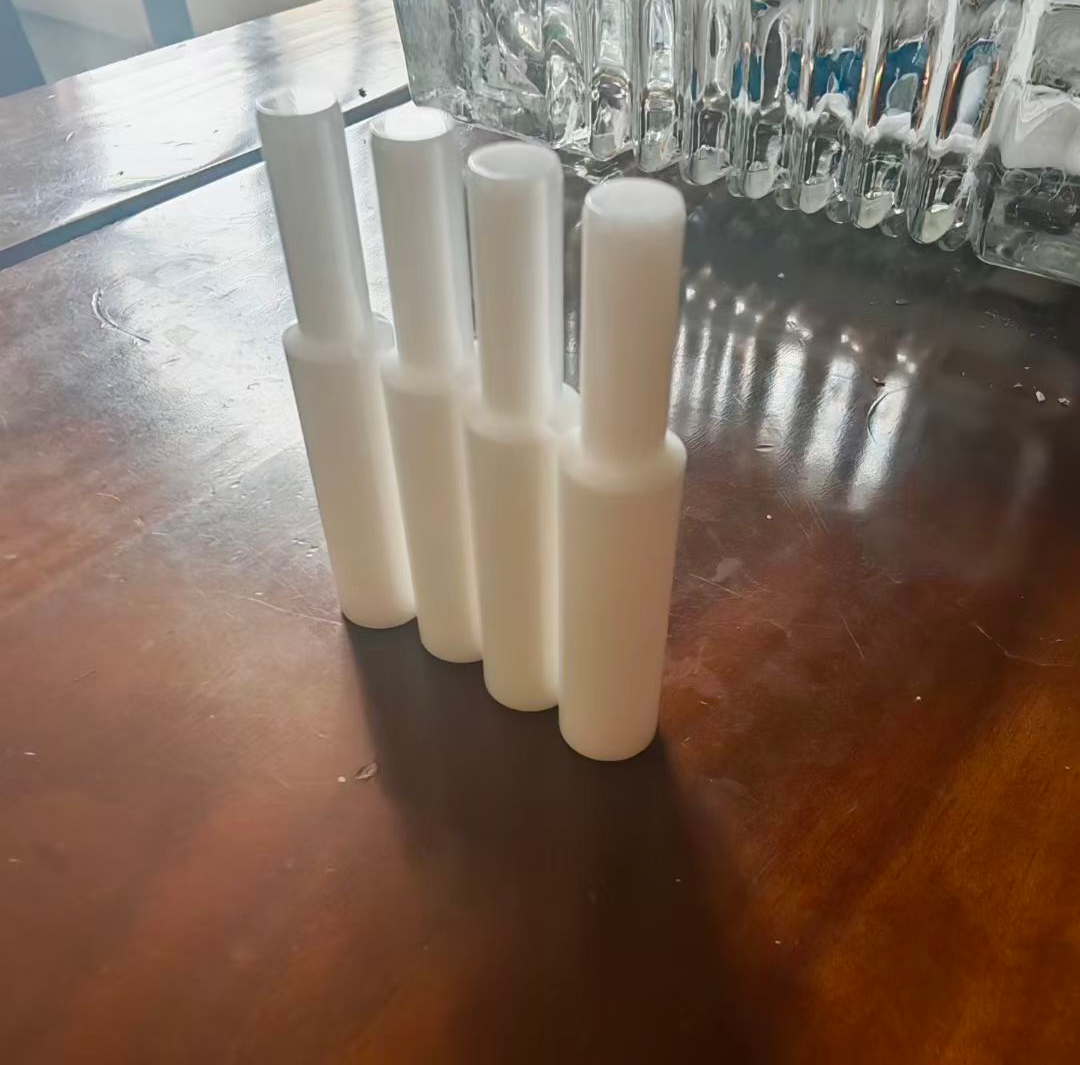
Pins, Shafts and Needles
Pins, Shafts and Needles can be developed around drawing-defined dimensions, interfaces, surfaces and application requirements.
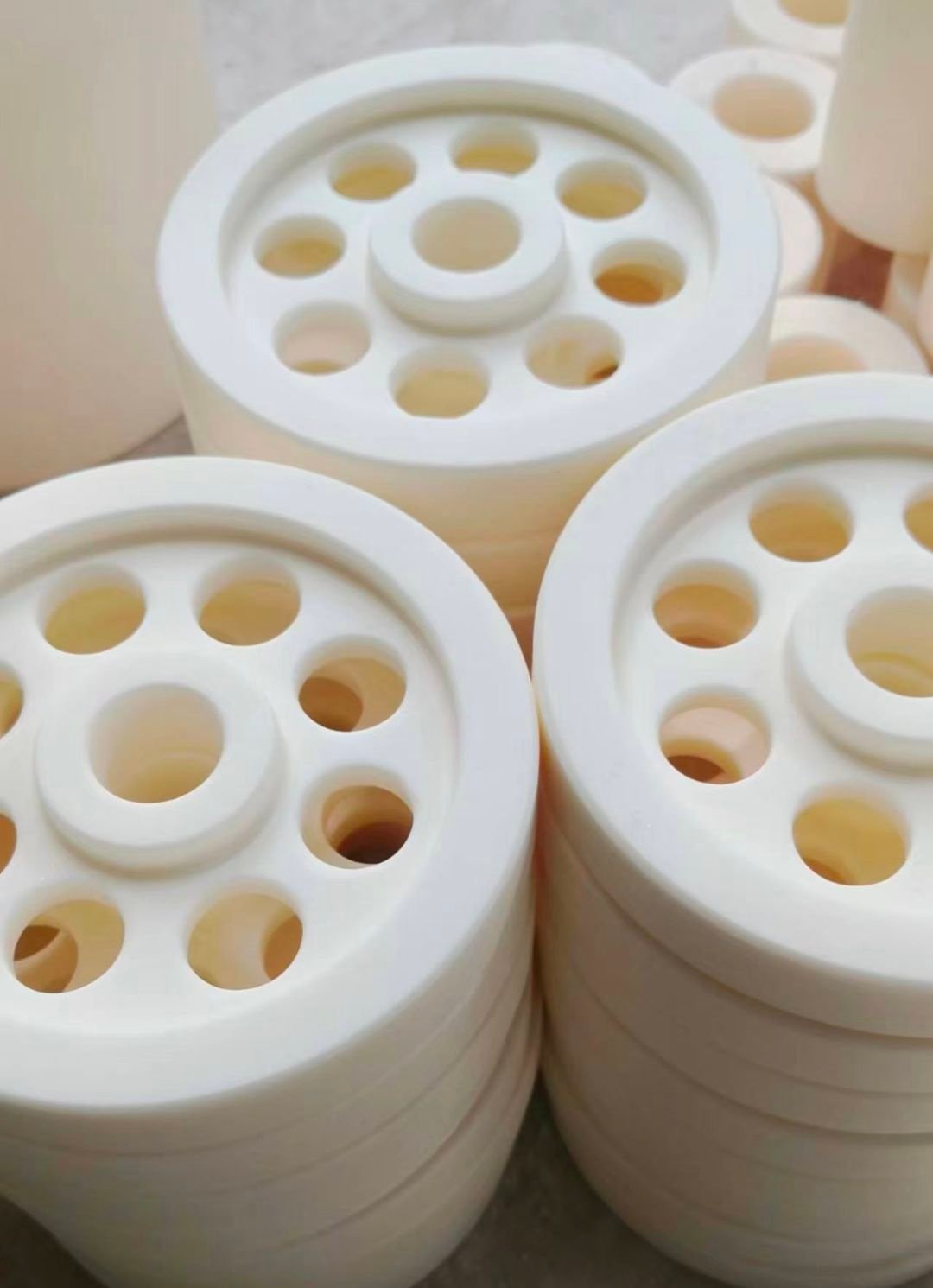
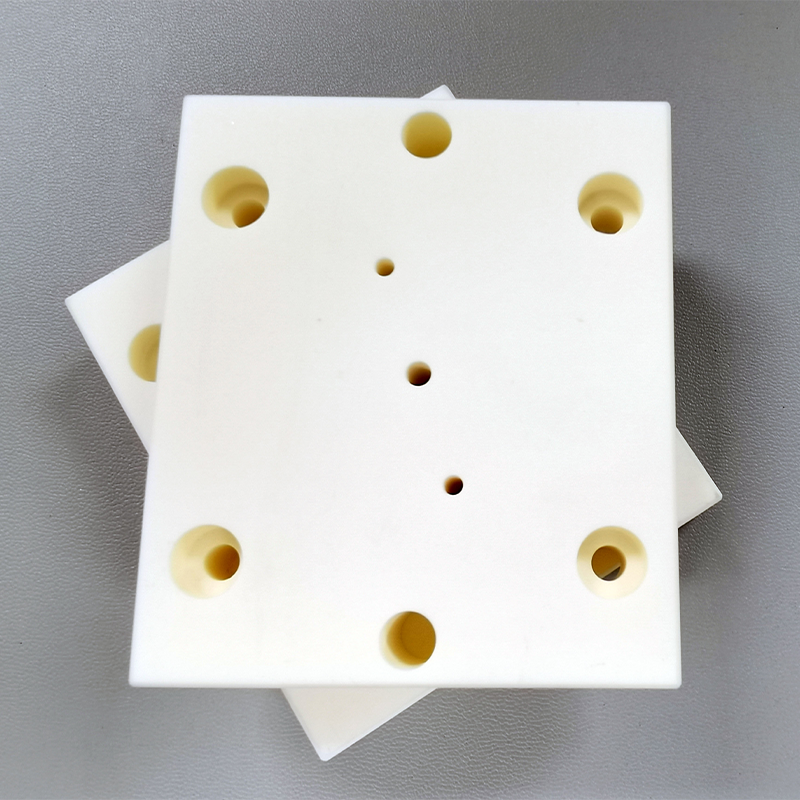
Plates and Discs
Plates and Discs can be developed around drawing-defined dimensions, interfaces, surfaces and application requirements.
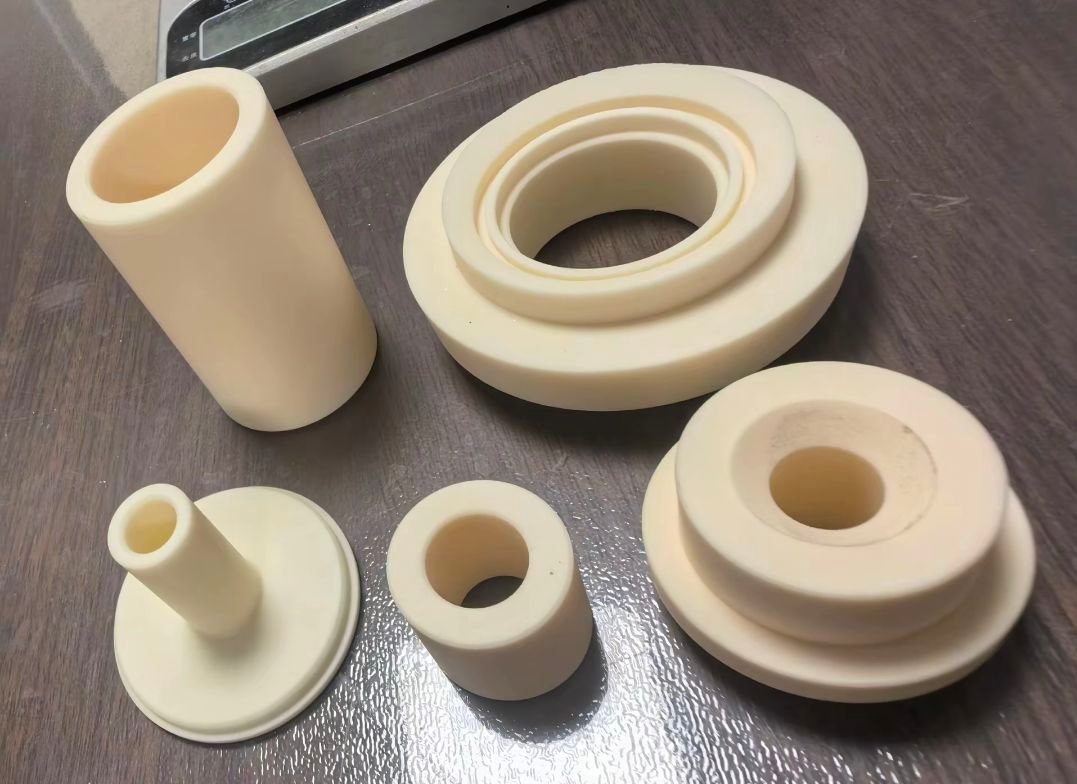
Rings, Seals and Washers
Rings, Seals and Washers can be developed around drawing-defined dimensions, interfaces, surfaces and application requirements.
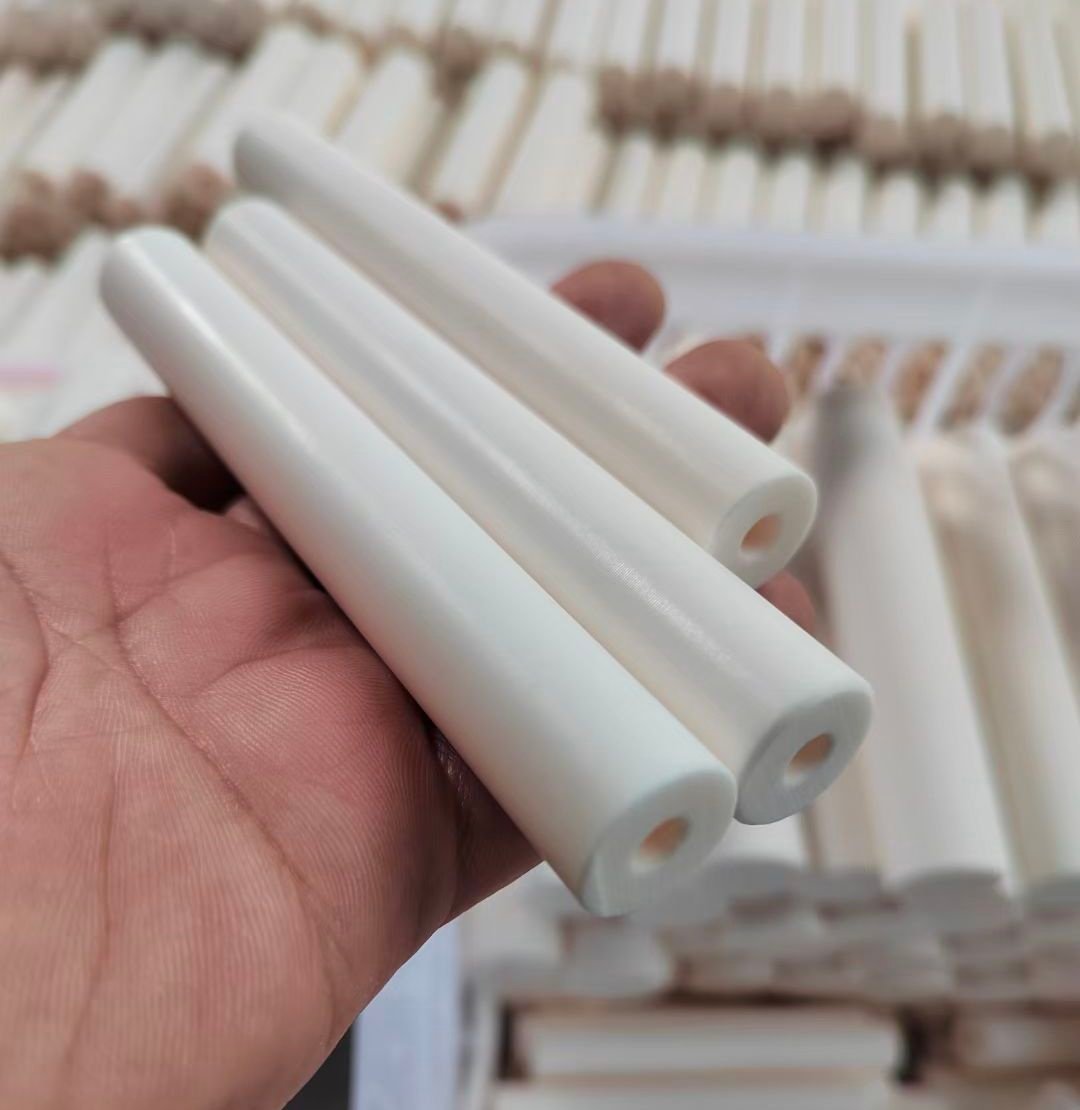
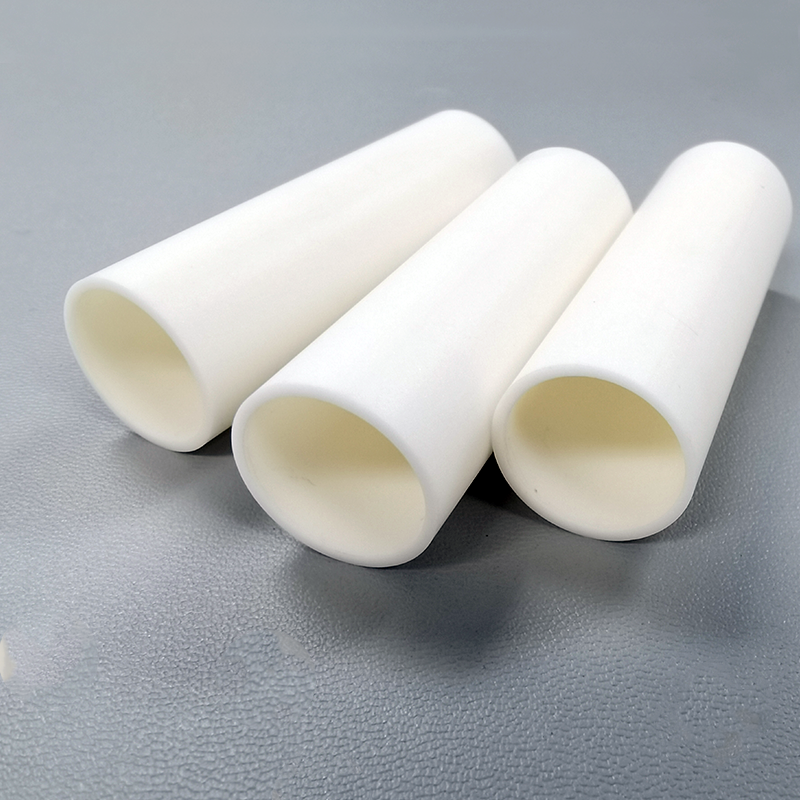
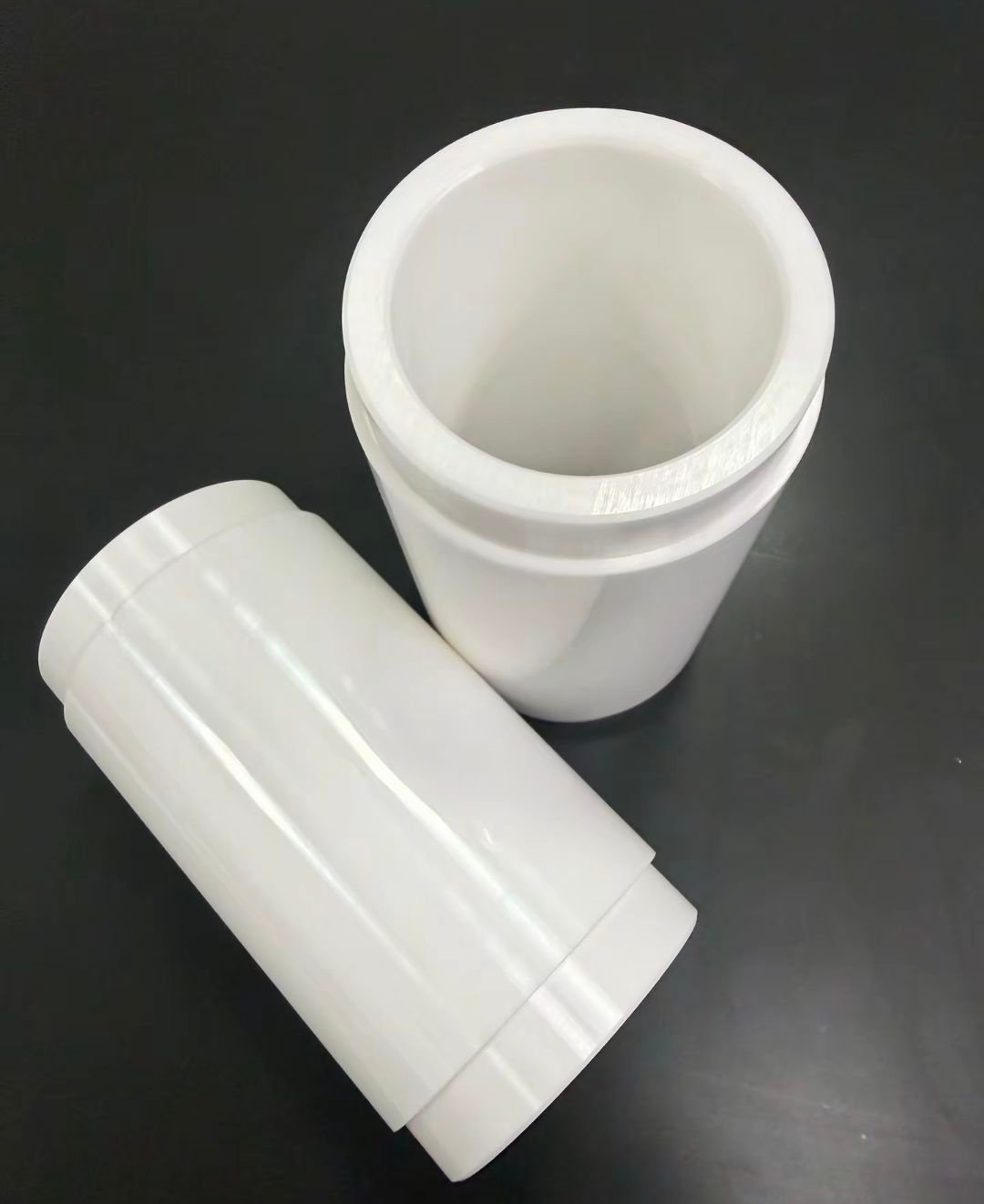
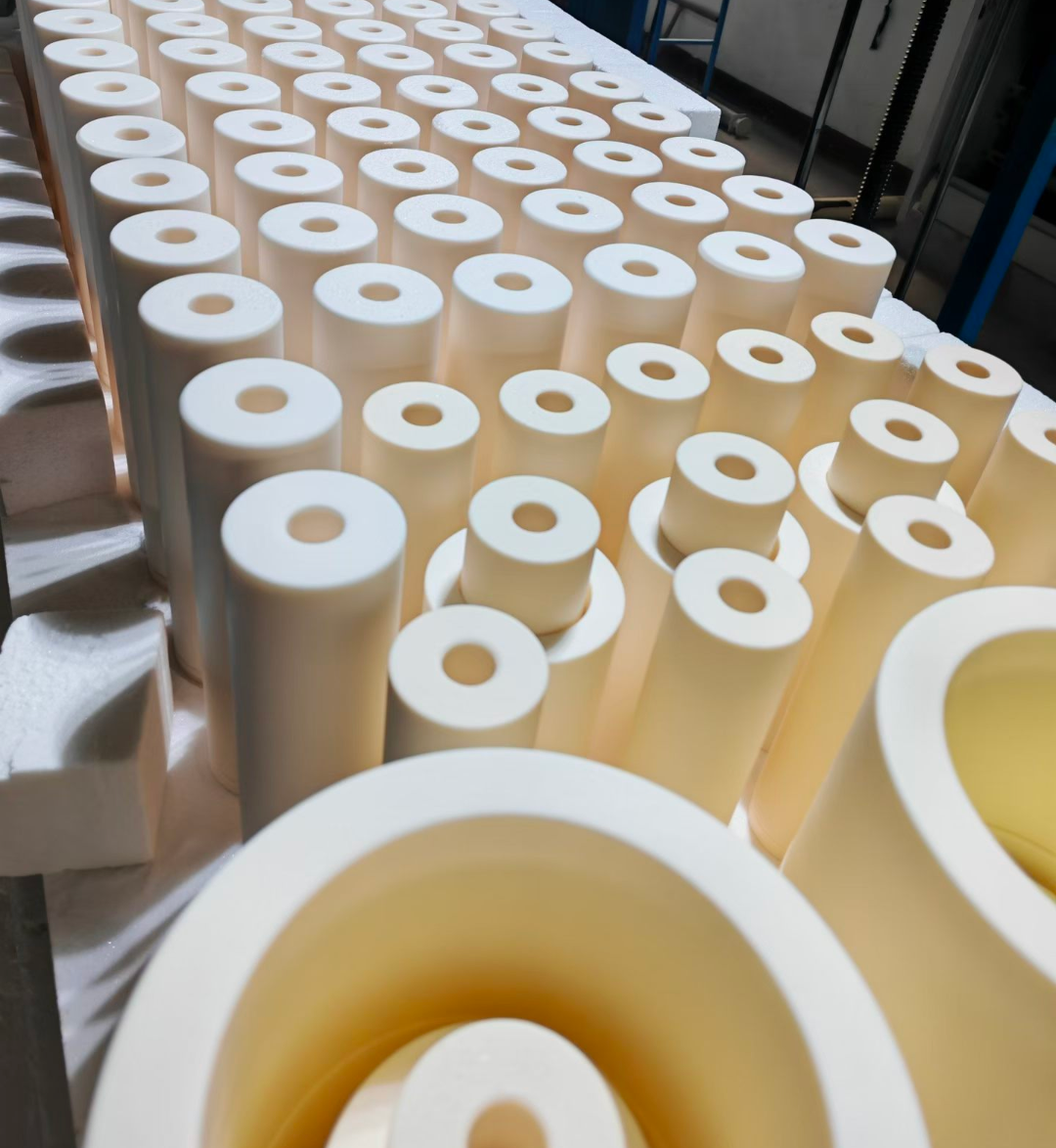
Tubes, Nozzles and Crucibles
Tubes, Nozzles and Crucibles can be developed around drawing-defined dimensions, interfaces, surfaces and application requirements.
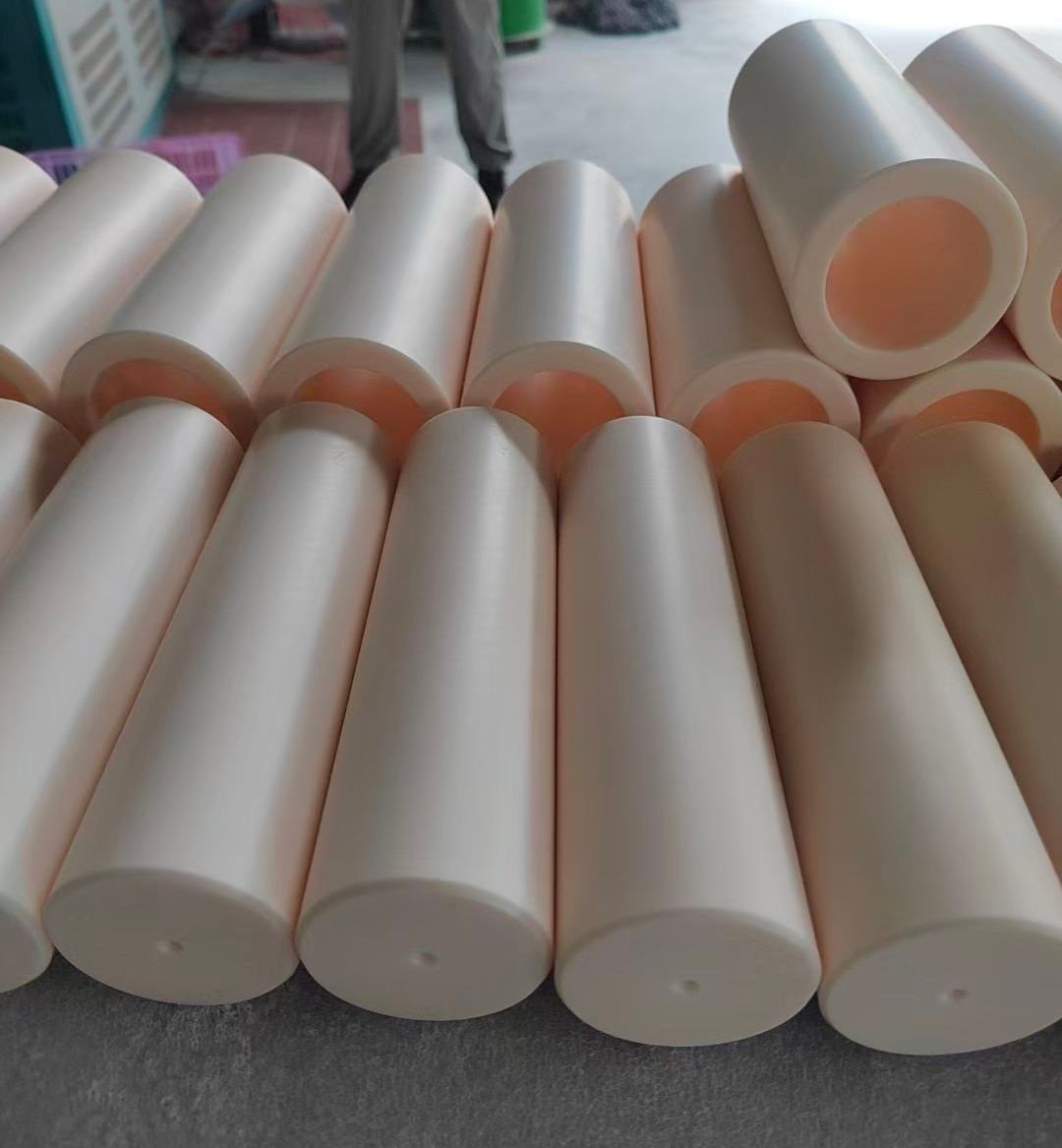
Pumps and Pistons
Pumps and Pistons can be developed around drawing-defined dimensions, interfaces, surfaces and application requirements.
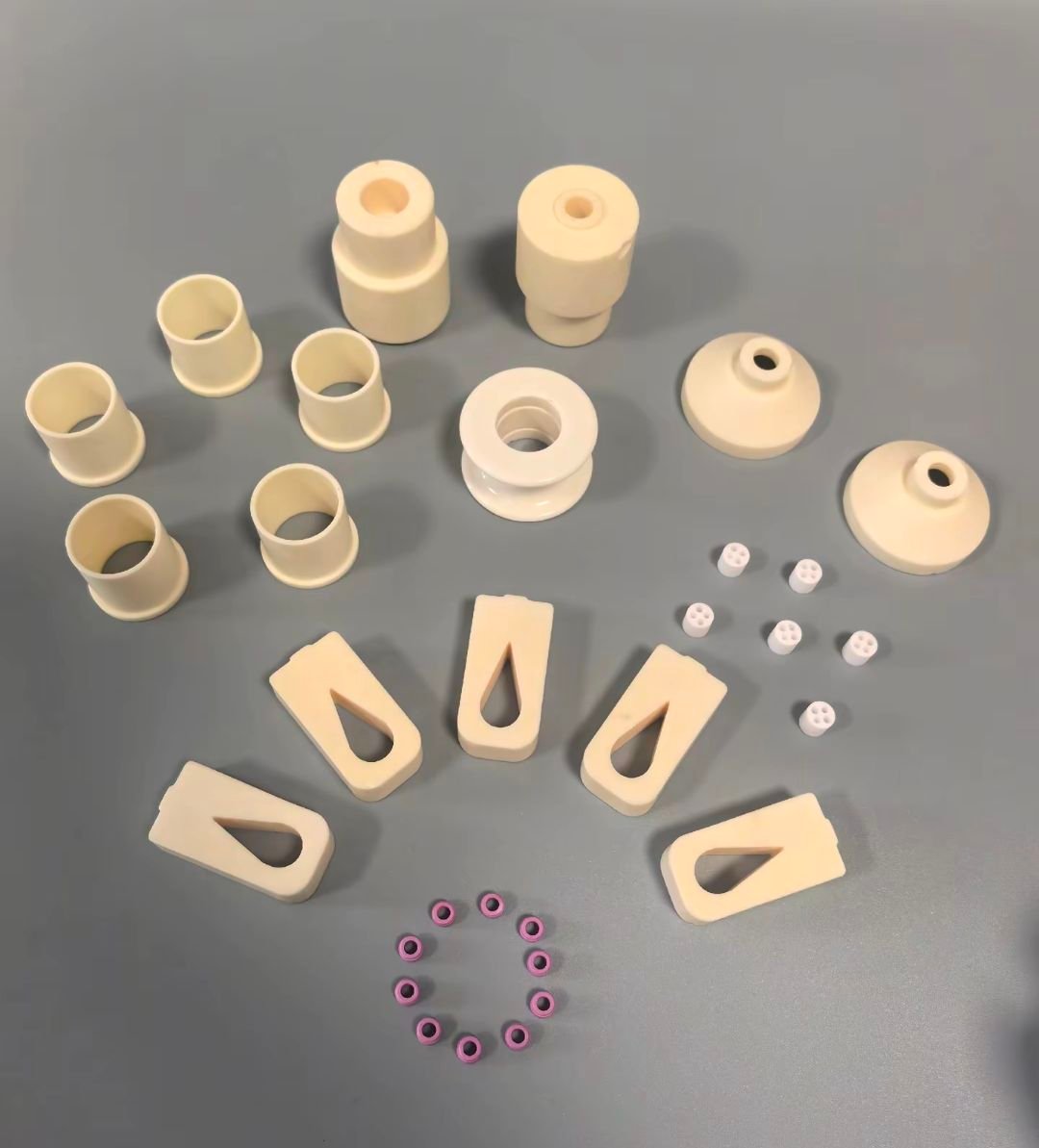
Drawing-Based Precision Parts
Drawing-Based Precision Parts can be developed around drawing-defined dimensions, interfaces, surfaces and application requirements.
C-CERAMIC Manufacturing Capabilities
C-CERAMIC exists to help industrial teams turn demanding ceramic part requirements into production-ready components. Our ceramic manufacturing capabilities bring material and design review, mold making, forming, high-temperature sintering, machining, finishing and inspection into one coordinated engineering workflow.
From silicon carbide, zirconia, alumina and silicon nitride components to project-specific technical ceramic selections, we support prototypes, low-volume runs and scalable production. Our platform includes ceramic injection molding, precision grinding, lapping, CNC ceramic machining and final dimensional inspection for parts built around real operating conditions.
What differentiates C-CERAMIC is continuity from the first drawing through contract manufacturing. Engineering, process selection and finishing are aligned around the same component requirements, helping OEM, R&D and procurement teams source pins, seals, plates, tubes, nozzles and other custom ceramic parts with a clear path to production.
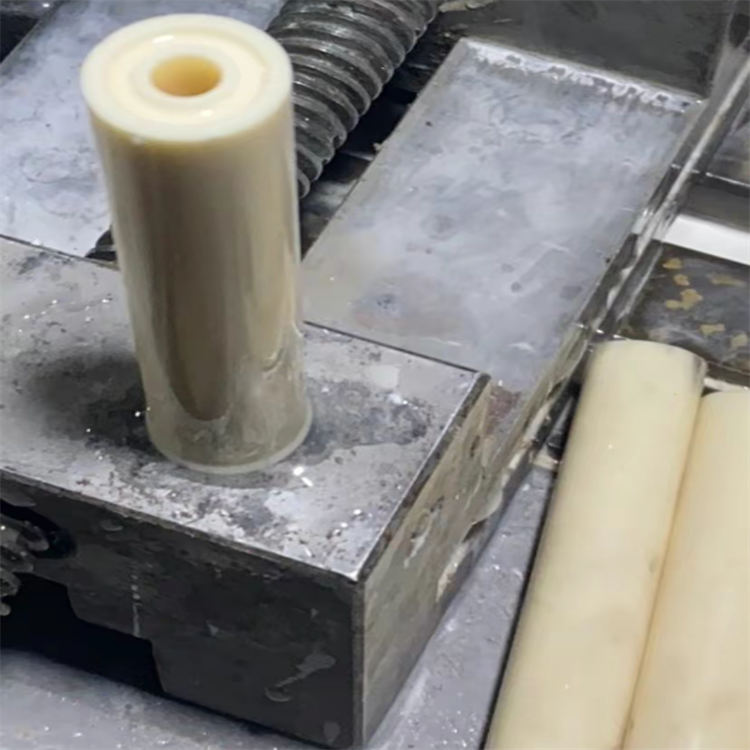
Ceramic Manufacturing Capabilities for Complex Parts
Ceramic Injection Molding
C-CERAMIC combines material and design review with mold making and ceramic injection molding to shape complex geometries efficiently. This ceramic manufacturing capability supports repeatable parts with detailed features before controlled high-temperature sintering.
- Design and material feasibility review
- Custom mold development for repeatable forming
- Complex near-net-shape ceramic components
- Prototype, low-volume and scalable production
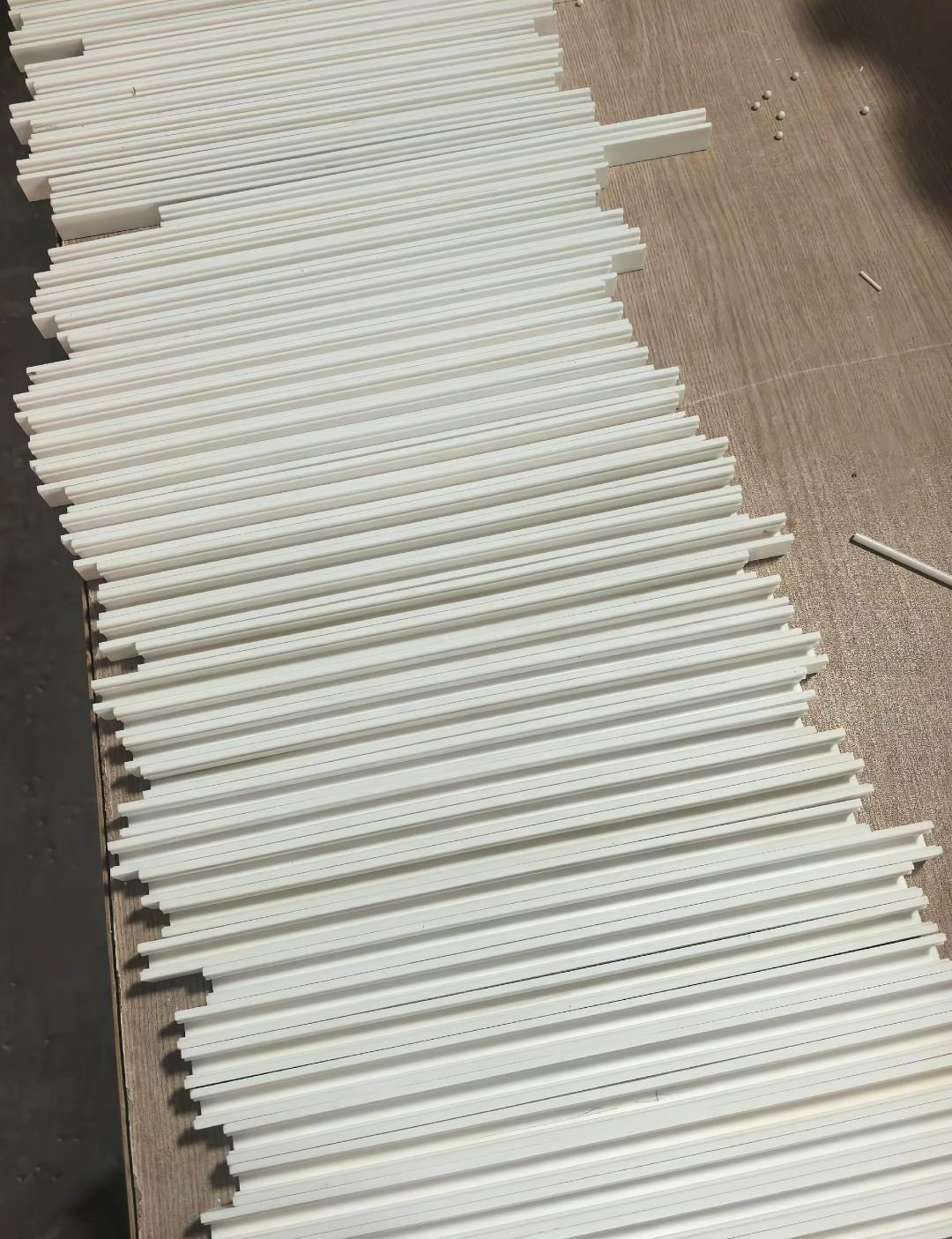
Post-Sintering CNC Machining
After sintering, CNC ceramic machining brings critical profiles, holes, threads and interfaces to the drawing. C-CERAMIC applies process planning around the material, geometry and functional tolerances required for semiconductor, chemical, machinery and equipment components.
- Complex profiles and functional interfaces
- Precision holes and deep-feature machining
- Internal threads down to M2 where applicable
- Project-specific machining process planning
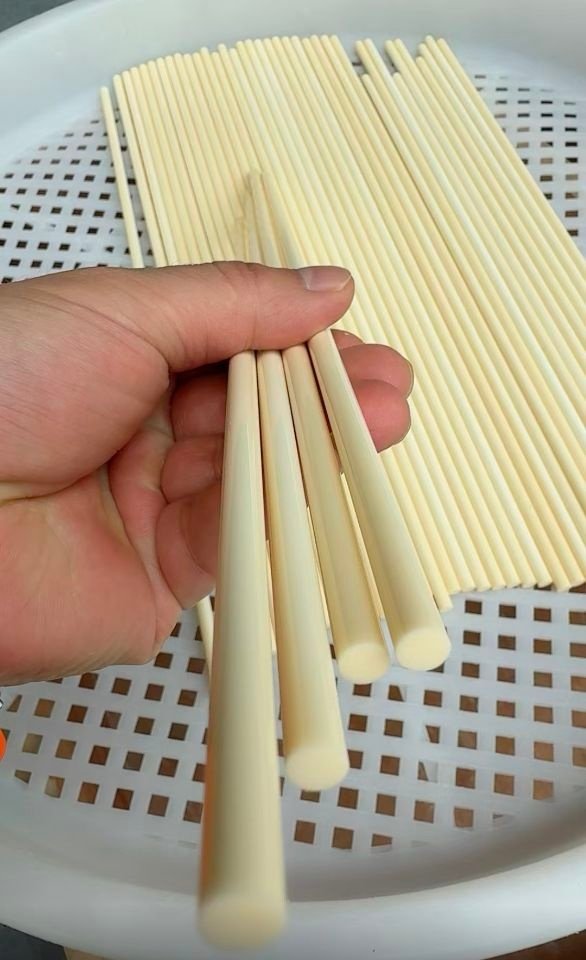
Precision Grinding and Lapping
Precision grinding, lapping and finishing refine sintered ceramic parts where flatness, concentricity, surface condition or fit directly affects performance. C-CERAMIC integrates these ceramic manufacturing capabilities with dimensional inspection for controlled final-part verification.
- Cylindricity to 0.004 mm where applicable
- Parallelism to 0.002 mm where applicable
- Surface roughness to Ra0.5 where applicable
- Final dimensional and quality inspection
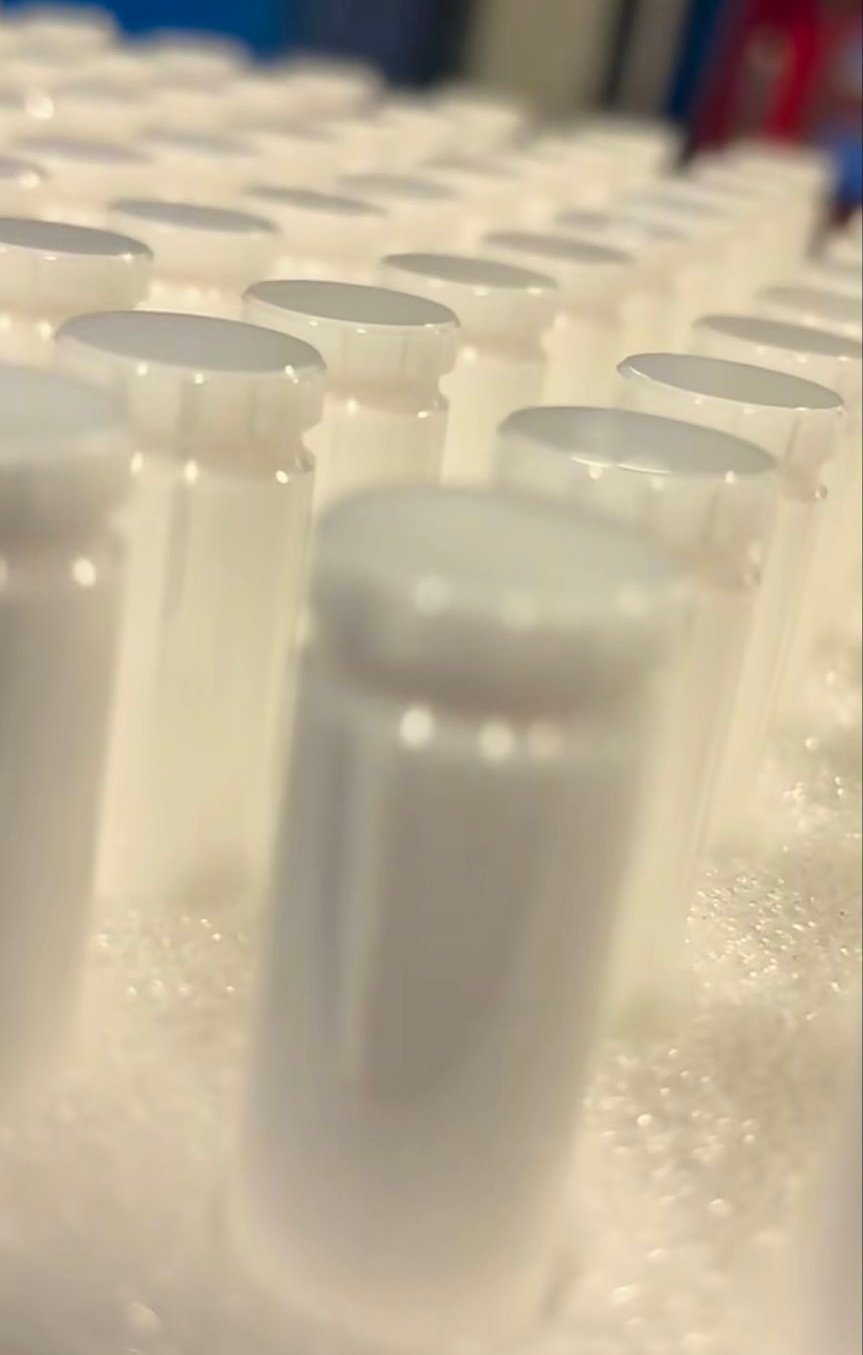
Material-Specific Process Control
Alumina, zirconia, silicon carbide and silicon nitride demand different processing decisions from forming through finishing. C-CERAMIC reviews each project’s operating environment, geometry and performance requirements to align the selected technical ceramic material and manufacturing route.
- Alumina ceramic for versatile engineered parts
- Zirconia ceramic for demanding component designs
- Silicon carbide ceramic for severe environments
- Silicon nitride ceramic for specialized applications
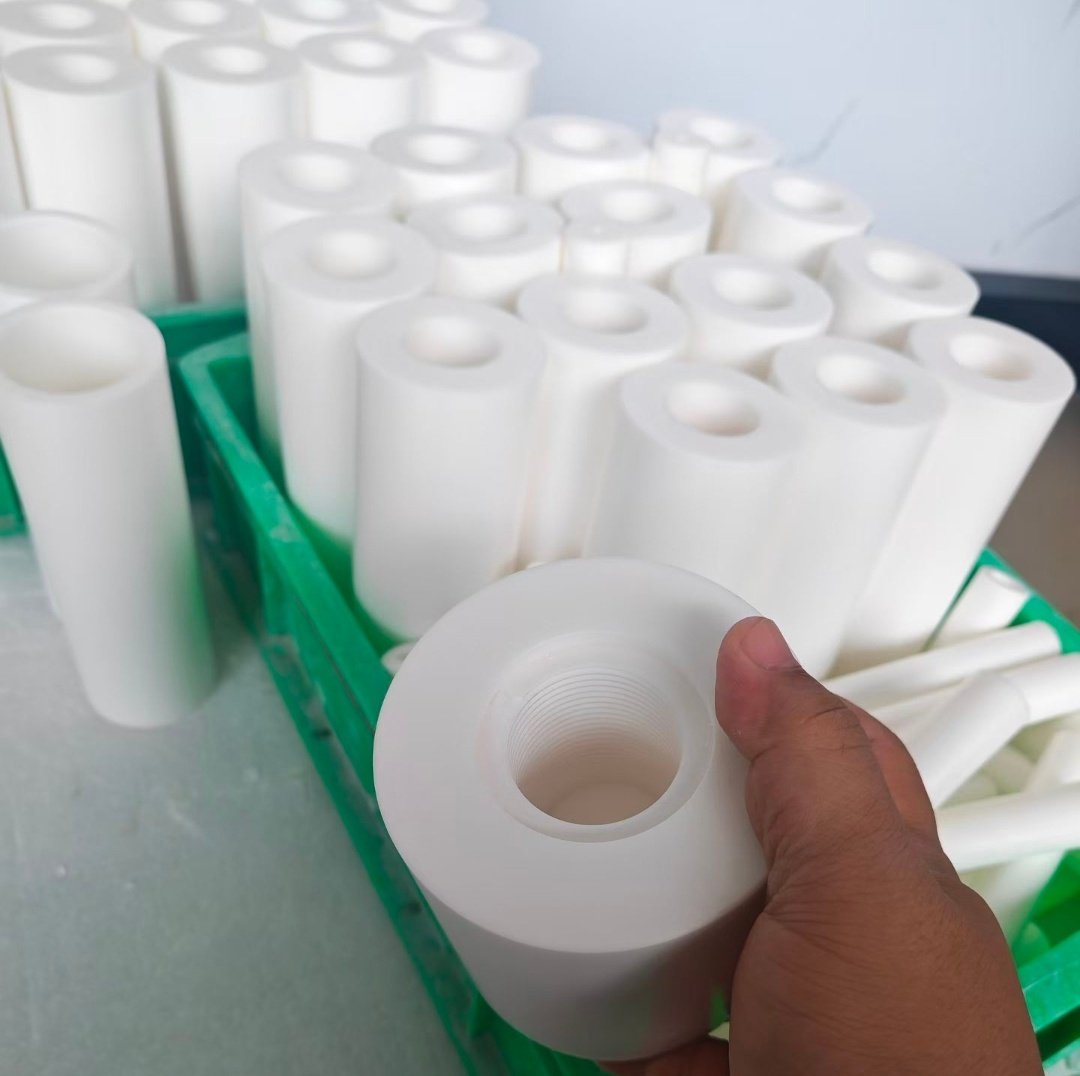
Buyer’s Guide to Ceramic Manufacturing Capabilities
1. What Are Ceramic Manufacturing Capabilities?
C-CERAMIC defines ceramic manufacturing capabilities as the connected controls required to turn a functional drawing into a repeatable technical-ceramic component. The workflow begins with design and material review—such as alumina, zirconia, silicon carbide, or silicon nitride—and continues through mold making and suitable forming.
High-temperature sintering changes dimensions and properties, so CNC machining, precision grinding, lapping, and finishing must be planned with firing behavior in mind. Inspection then confirms the agreed drawing requirements before prototypes, low-volume runs, mass production, or contract-manufacturing delivery.
OEM buyers should assess this entire chain, not a quoted unit price alone. A capable supplier must connect engineering decisions, forming, sintering, post-processing, dimensional inspection, and production scaling without losing control of the part’s intended function.
2. Evolution of Ceramic Manufacturing Capabilities
Silicon carbide, zirconia, alumina, and silicon nitride illustrate the shift from traditional ware to engineered ceramics selected for thermal, wear, chemical, and electrical demands. Controlled powder preparation and precision forming make complex component shapes more practical before firing.
High-temperature sintering requires controlled thermal profiles because shrinkage and density development govern the final part. Post-sinter CNC ceramic machining, grinding, lapping, and finishing then establish functional faces, holes, slots, and mating features.
Published concentricity and parallelism figures, where applicable, show why metrology accompanies production rather than merely final inspection. This evolution supports repeatable prototypes through scale-up for semiconductor, chemical, energy, medical, and laboratory equipment.
3. Types of Ceramic Manufacturing Capabilities
Ceramic manufacturing capabilities begin with matching powder, geometry, tolerance and annual demand. C-CERAMIC can review a concept across forming, firing and finishing before tooling is committed.
Pressing And Extrusion
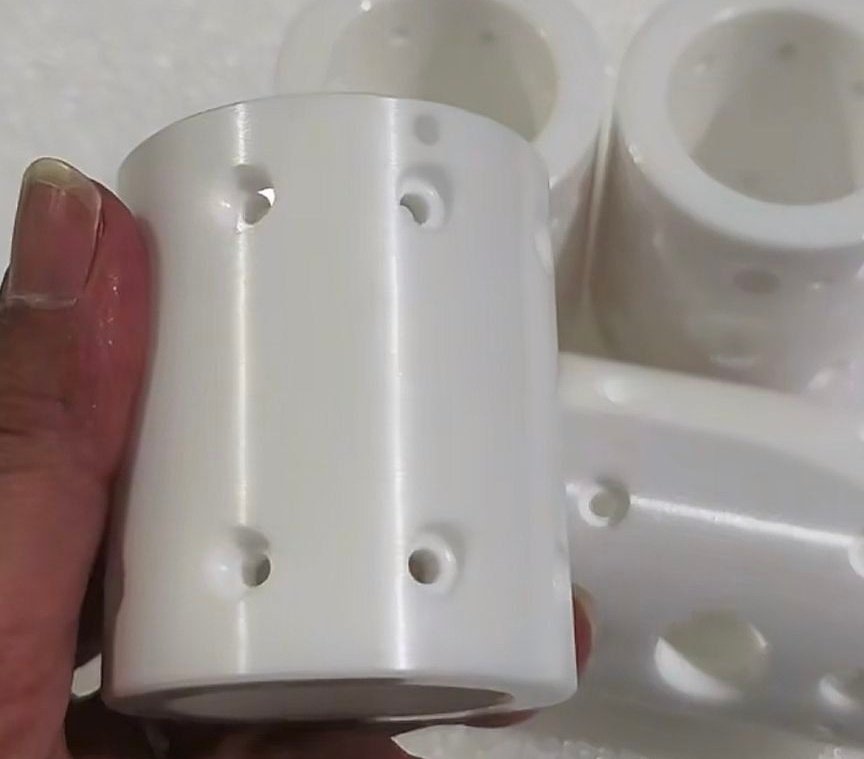
Dry pressing suits flat discs, washers and simple plates at repeatable volume; undercuts are limited. Isostatic pressing better serves dense round or tubular blanks, while extrusion favors long constant profiles.
Tooling economics favor stable, higher-volume parts. Shrinkage during sintering means final tolerances require allowance.
Molding And Green Machining
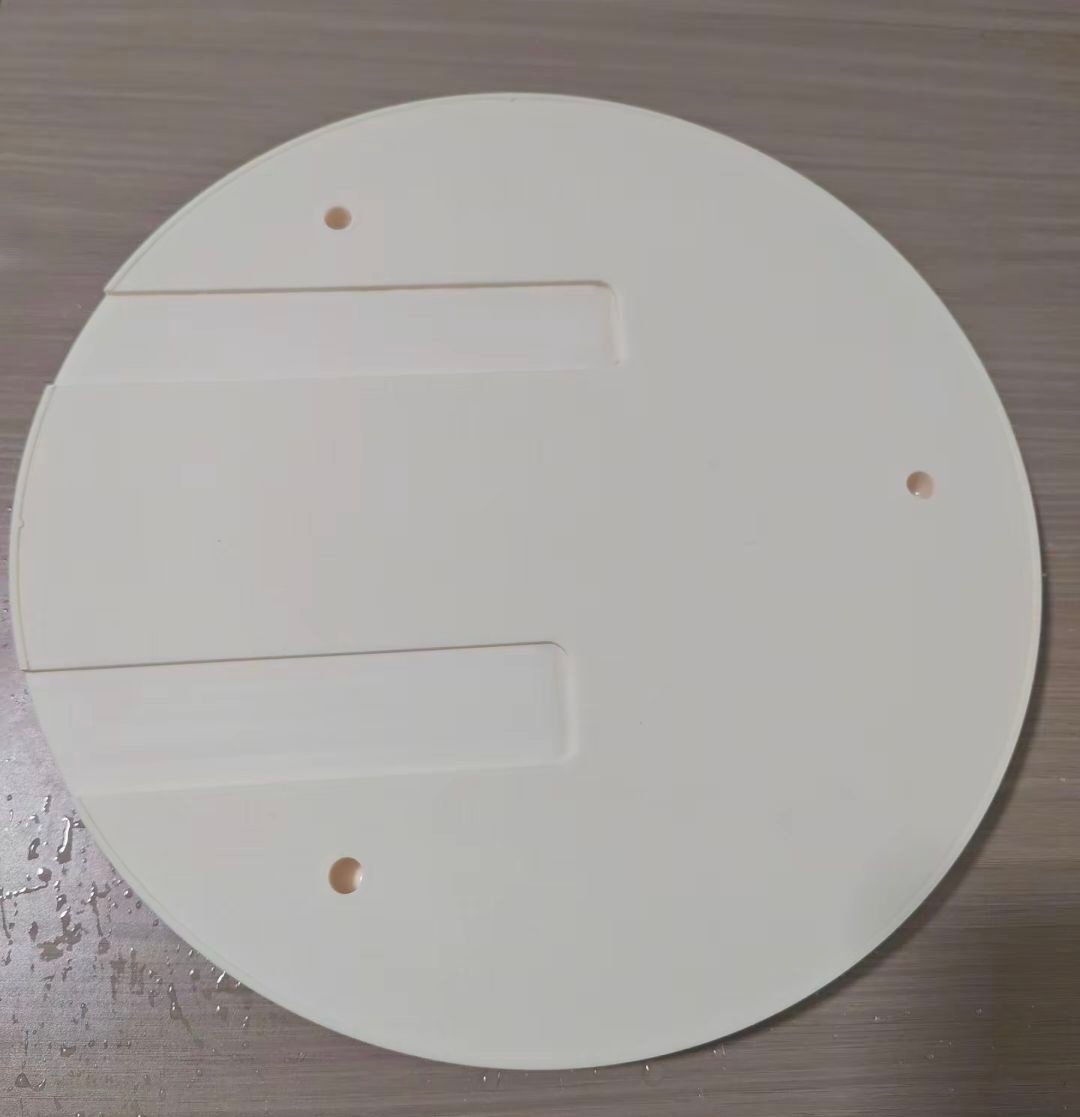
Slip molding suits complex hollow shapes and lower volumes; drying variation can affect consistency. Injection molding supports intricate repeat production, but mold design and feedstock development add upfront work.
Green machining adds holes, slots and contours before firing. Fragile green bodies limit thin features and handling.
Sintering And Final Finishing
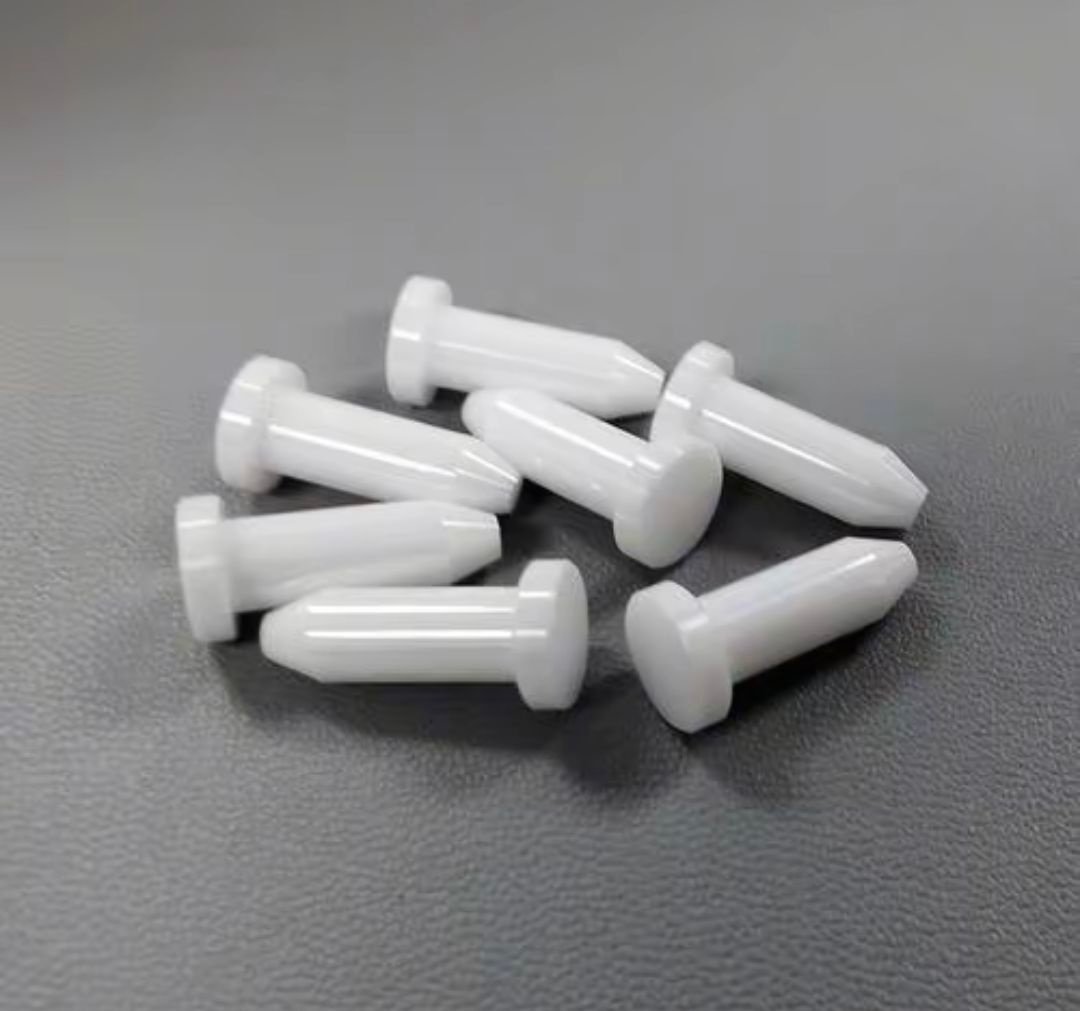
High-temperature sintering creates the final ceramic structure but changes dimensions. Post-fire CNC machining, grinding and lapping recover critical interfaces where formed accuracy is insufficient.
Precision finishing suits sealing faces, bores and mating features. It increases cost and should be reserved for functional dimensions.
4. Ceramic Manufacturing Capabilities by Material
Material choice sets the achievable process window before a drawing is released. Ceramic manufacturing capabilities must match powder purity, firing shrinkage, machining response, and service environment.
| Material | Key Strength | Thermal/Electrical Tradeoff | Cost/Processing |
|---|---|---|---|
| Alumina | Wear resistant, insulating | Moderate thermal shock | Economical; widely formed |
| Zirconia | High strength, tough | Insulating; lower heat tolerance | Costlier; precise grinding |
| Silicon carbide | Wear and chemical resistant | High conductivity, thermal shock | Hard to machine |
| Silicon nitride | Tough, shock resistant | Insulating | Complex firing |
| Aluminum nitride | High thermal conductivity | Electrical insulator | Purity-sensitive, costly |
| Fused silica/quartz | High purity, shock resistant | Excellent insulation | Lower mechanical strength |
Forming And Firing
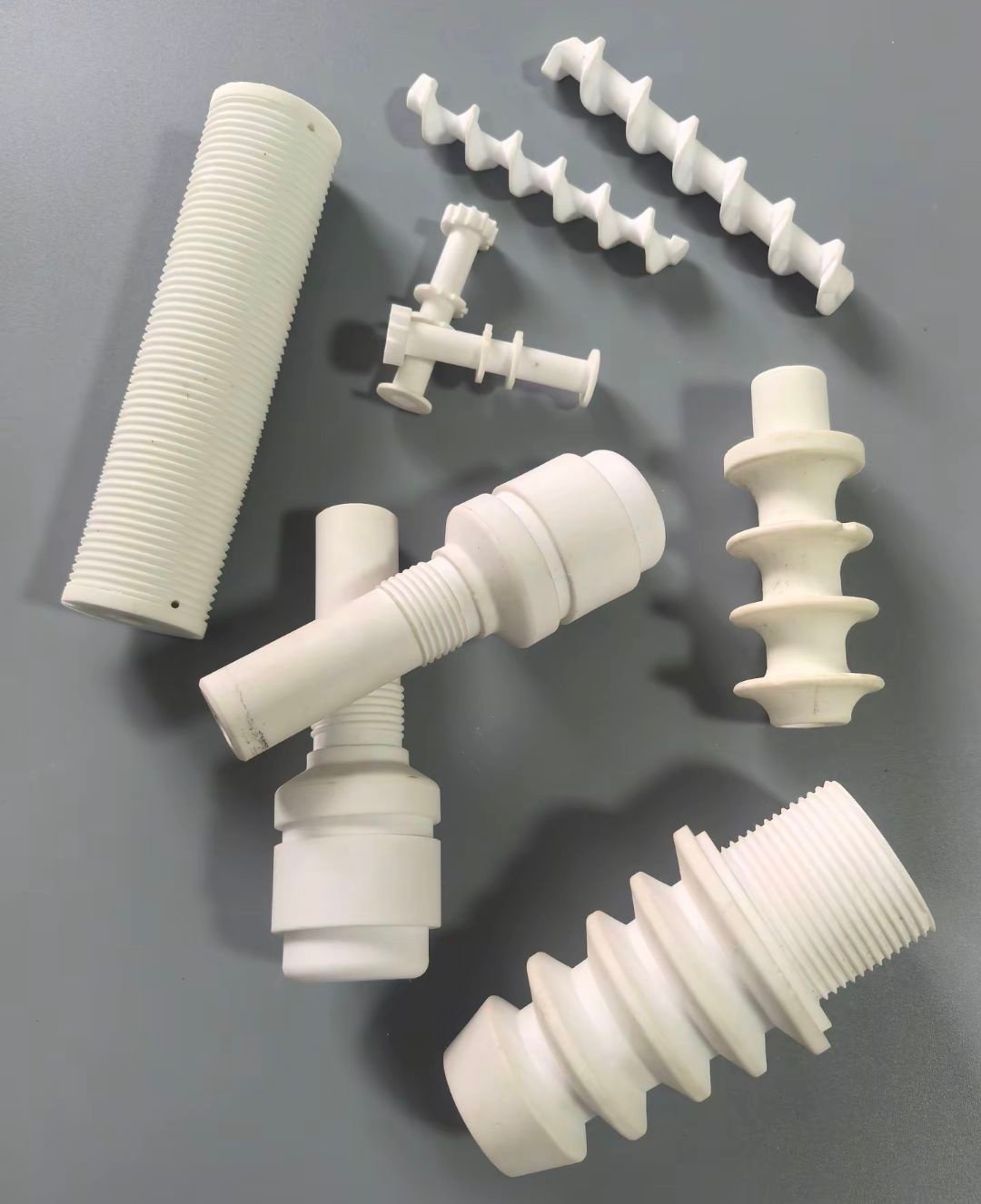
Alumina and zirconia shrink predictably after firing. Silicon carbide and nitride demand tighter atmosphere control.
Machining And Tolerances
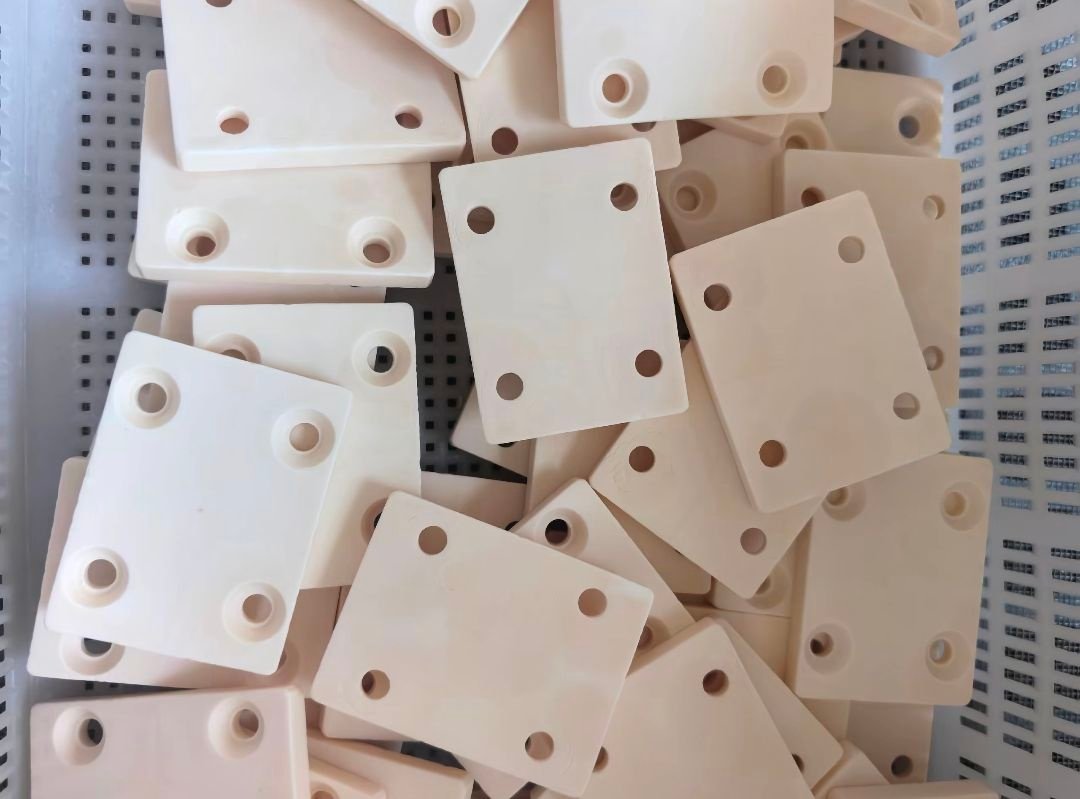
Harder ceramics extend grinding time and cost. Green machining can reduce risk before sintering.
Application Selection
Electrical duty favors insulating or conductive material choices. Chemical exposure can outweigh initial part cost.
New Subsection
5. Customization Within Ceramic Manufacturing Capabilities
C-CERAMIC reviews dimensions, geometry, finish, marking and delivery configuration before tooling. Effective ceramic manufacturing capabilities place each requirement in the process stage that protects function, yield and total cost.
| Customization | Preferred Stage | Tradeoff |
|---|---|---|
| Channels and geometry | Green state | Lower machining; forming limits |
| Threads and precision holes | Post-sinter | Higher accuracy; added cost |
| Coatings and marking | Finishing | Added function; extra handling |
Green-State Features
Complex channels, noncritical holes and molded geometry are usually designed into green-state forming. This reduces post-sinter machining, but shrinkage allowance and draft must be engineered.
Post-Sinter Requirements
CNC machining and grinding add precision holes, threads, slots and functional surfaces after sintering. C-CERAMIC publishes minimum slot width 0.2 mm and internal thread M2 with appropriate application review.
Finishing And Delivery
Laser marking, metallization, glazing or coatings, assemblies and protective packaging should be specified on the drawing. Each added operation can improve identification or interface performance while increasing lead time and cost.
6. Quality Elements in Ceramic Manufacturing Capabilities
Quality begins before firing: each controlled powder lot needs documented particle size, moisture, and binder condition. Reliable ceramic manufacturing capabilities also control green density, shrinkage, and firing profiles lot by lot.
Powder And Firing Control
Powder lots should be released against agreed material and moisture checks.
Green-density maps expose variation before sintering; recorded profiles link shrinkage to each batch.
Metrology And Surface Integrity
CTQ dimensions require specified gauges, datum schemes, and measurement uncertainty.
Surface checks should cover roughness, porosity, chips, cracks, and cleanliness before release.
Evidence Beyond Brochures
Drawings should name test methods, sampling plans, and acceptance criteria.
Buyers can audit records, review first-article data, and witness final-inspection traceability.
7. Choosing Ceramic Manufacturing Capabilities Partners
Select partners against the complete program, not a single prototype. Ceramic manufacturing capabilities should connect design review, material choice, controlled processing, inspection, and dependable production communication.
Engineering And Materials
RFQ question: Which alumina, zirconia, silicon carbide, or silicon nitride grade fits the load, chemistry, and temperature? Ask for design-for-manufacture feedback before tooling.
Operations And Metrology
RFQ question: Which forming, sintering, CNC, grinding, lapping, and inspection steps are in-house? Confirm equipment capacity, outsourced-process controls, traceability, certifications, and measurement tools.
Transfer And Continuity
RFQ question: How will prototype records transfer to low-volume and mass production? Require application references, change-control communication, tooling ownership, forecasting expectations, and supply-continuity plans.
8. Common Ceramic Manufacturing Capabilities Mistakes
Most avoidable ceramic cost and schedule losses begin before the drawing is released. Treat ceramic manufacturing capabilities as a process chain, not a catalog of isolated operations.
Account For Shrinkage
Firing changes dimensions. Provide functional dimensions and datum strategy; have the supplier review shrinkage and machining allowance before tooling.
Balance Material Properties
A single-property material choice can fail in service. Compare thermal, mechanical, electrical, chemical, and wear requirements against the operating environment.
Specify Only Critical Tolerances
Tighter tolerances add grinding cost. Mark truly functional dimensions and accept process-appropriate limits elsewhere.
Validate Features And Surfaces
Post-fire holes, threads, and fine slots may require difficult machining. Define roughness, sealing, and contact requirements, then validate prototypes before release.
Normalize Quote Scope
Low quotes may omit tooling, inspection, finishing, or yield assumptions. Compare like-for-like scope, material, tolerances, quantities, and acceptance criteria.
9. Steps to Launch a Custom Ceramic Part
Early supplier involvement turns ceramic manufacturing capabilities into a controlled launch plan. Share the application envelope before geometry is frozen, so material, forming, sintering, and finishing constraints can be reviewed together.
Define The Application
First, provide operating temperature, media, loads, electrical needs, annual quantity, and target timing. Identify sealing faces, thin walls, holes, threads, and other critical features.
Review The Drawing Package
Next, transmit controlled drawings, 3D models, tolerance callouts, surface requirements, and confidentiality terms. C-CERAMIC can use this package for DFM review and a material and process recommendation.
Prototype, Approve, Improve
Then, define prototype quantity, inspection criteria, functional tests, and acceptance samples. Freeze the design after testing, run a pilot lot, approve production, and feed field-quality results into ongoing control.
10. Ceramic Manufacturing Pricing and Cost
Four cost drivers—material grade, geometry, tolerance, and secondary machining—usually outweigh the raw ceramic blank. Inspection requirements and expected sintering yield also change the quoted total.
0.2 mm minimum slot width is a published C-CERAMIC machining reference, not a universal production promise. Tight slots, deep holes, lapping, and expanded inspection generally raise cost; volume can distribute fixed tooling and setup.
| Quantity Tier | Indicative Unit-Cost Direction | Setup or Tooling Impact | Typical Lead-Time Direction |
|---|---|---|---|
| Prototype | Highest | Design review and one-time setup concentrated | Longest |
| Low volume | High | Tooling and programming shared across few parts | Moderate to long |
| Pilot production | Declining | Validated tooling spread over more parts | Moderate |
| Mass production | Lowest relative | Fixed setup distributed broadly | Most stable after qualification |