
Alumina Components for Precision Machining
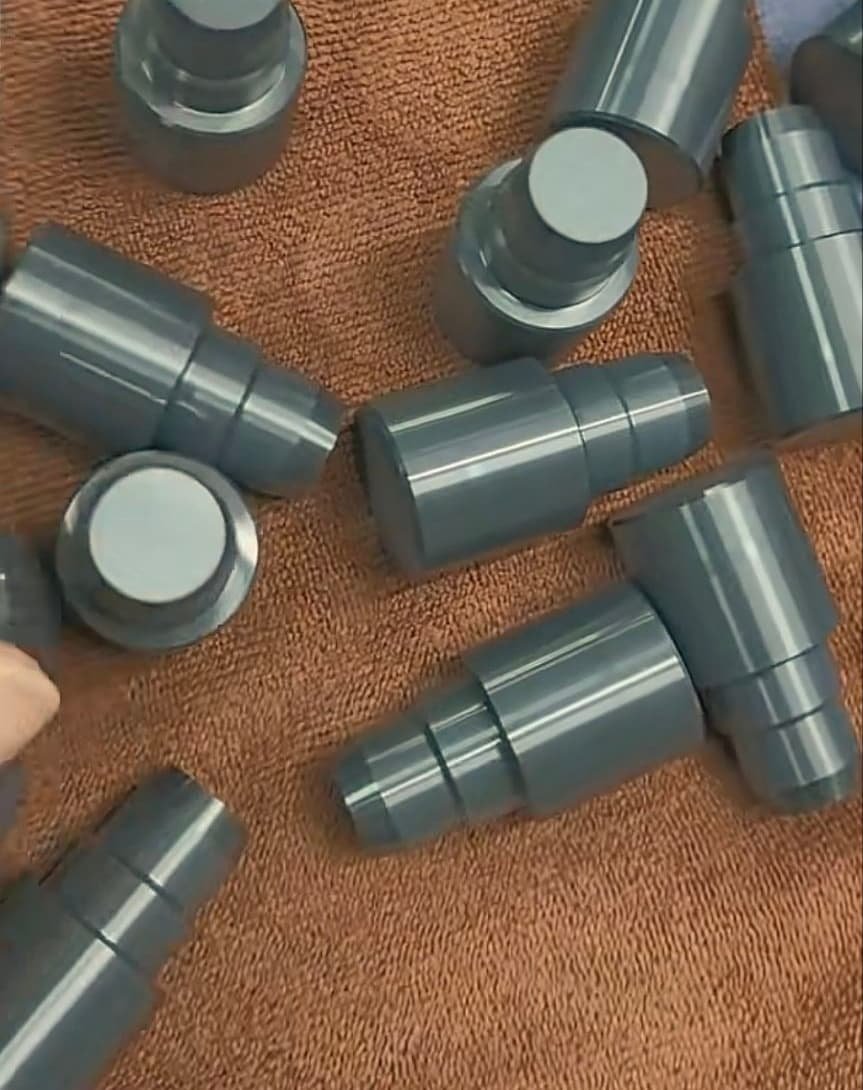
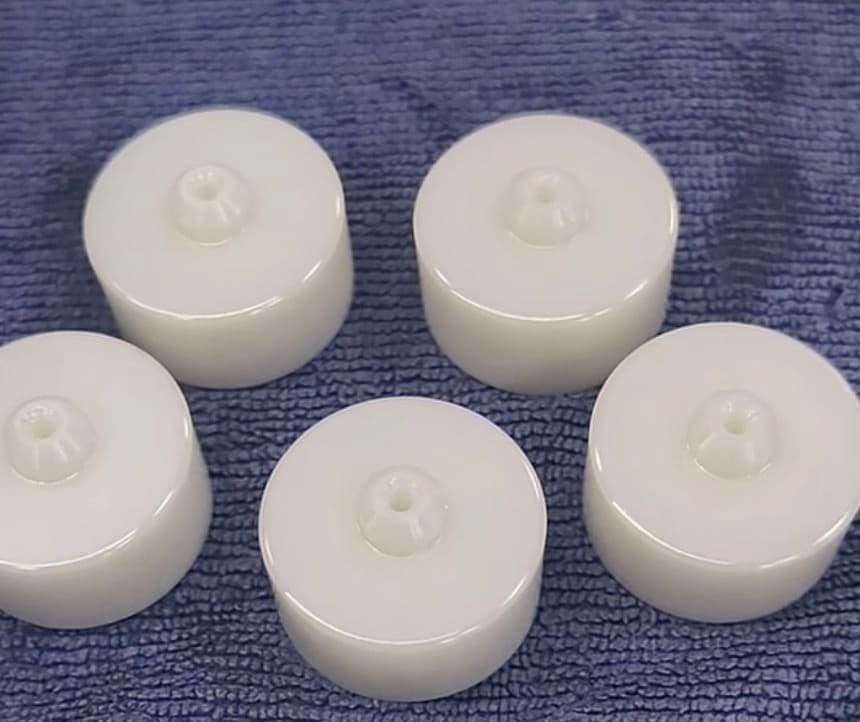
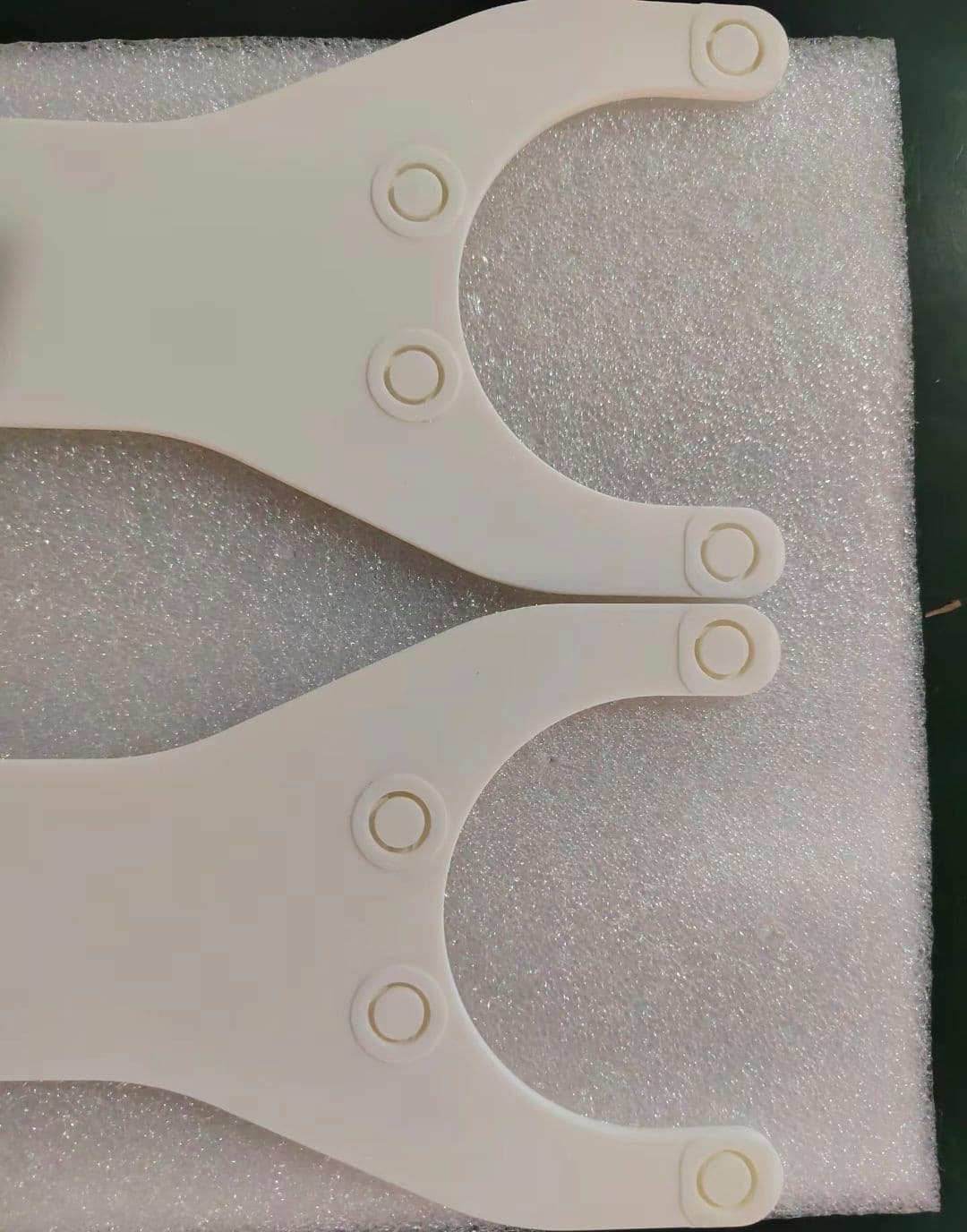
C-CERAMIC Manufacturing Capabilities
C-CERAMIC exists to help industrial teams turn demanding ceramic part requirements into production-ready components. Our ceramic manufacturing capabilities bring material and design review, mold making, forming, high-temperature sintering, machining, finishing and inspection into one coordinated engineering workflow.
From silicon carbide, zirconia, alumina and silicon nitride components to project-specific technical ceramic selections, we support prototypes, low-volume runs and scalable production. Our platform includes ceramic injection molding, precision grinding, lapping, CNC ceramic machining and final dimensional inspection for parts built around real operating conditions.
What differentiates C-CERAMIC is continuity from the first drawing through contract manufacturing. Engineering, process selection and finishing are aligned around the same component requirements, helping OEM, R&D and procurement teams source pins, seals, plates, tubes, nozzles and other custom ceramic parts with a clear path to production.
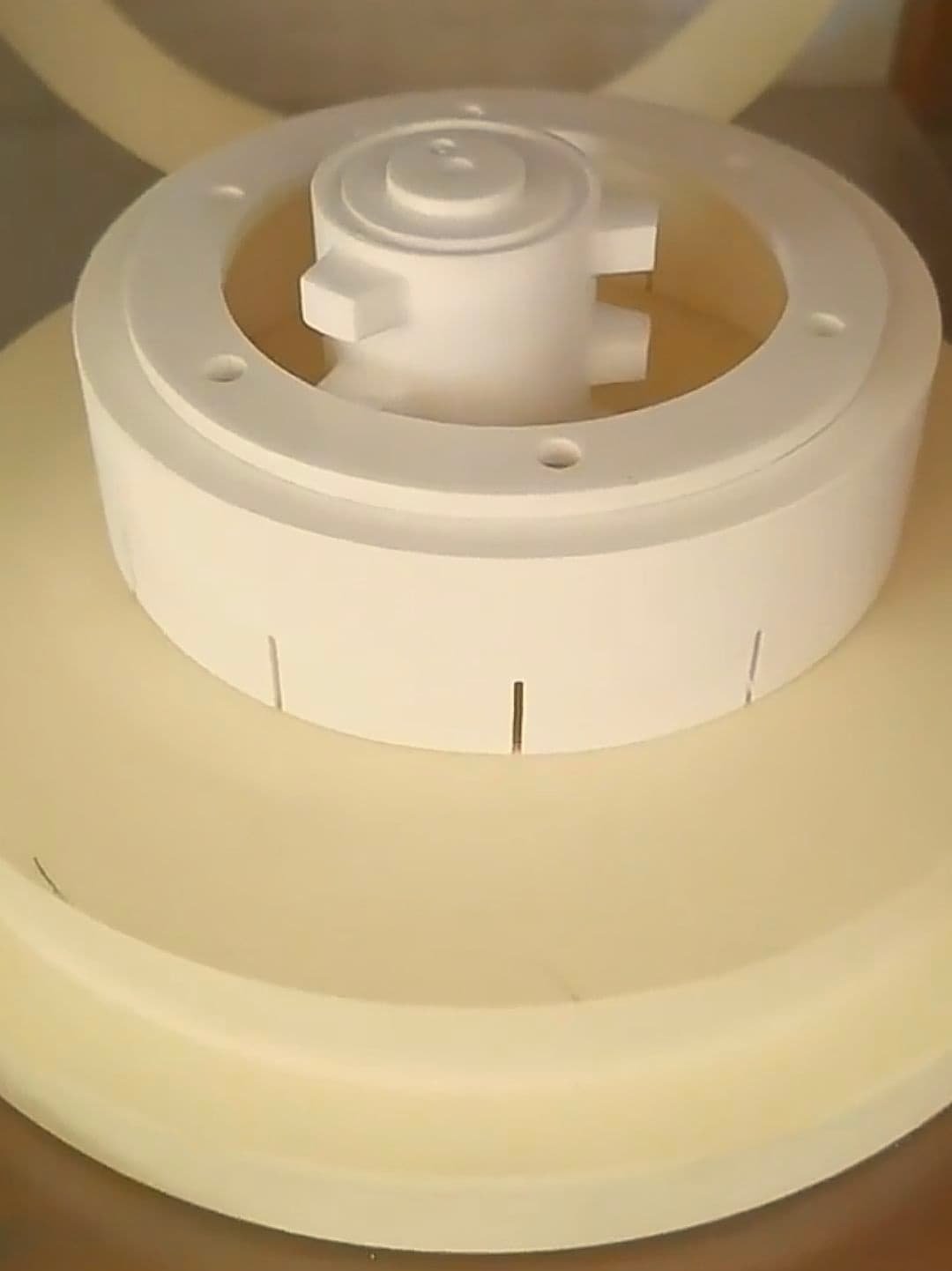
How to Source Alumina CNC Machining and Grinding
Define the Alumina Component and Operating Duty
Start with the part’s job, not only its nominal shape. State whether the alumina component is a plate, disc, ring, washer, tube, nozzle, pin, shaft or another custom form, then identify the surfaces and interfaces that control fit or performance. Include mating materials, contact loads, motion, media exposure, temperature, cycling, vacuum or cleanliness expectations where relevant.For CNC machining and grinding, explain which features are functional: bores, slots, threads, sealing faces, bearing surfaces, locating diameters, flat faces or edge profiles. Mark critical dimensions and datums on the drawing, and distinguish inspection dimensions from reference dimensions. If the part will be clamped, bonded, brazed or assembled with preload, describe that condition because brittle ceramic can be sensitive to local stress and edge damage.Also provide annual demand, order pattern, prototype quantity and expected design changes. These inputs help C-CERAMIC assess whether machining from a suitable blank, forming followed by finishing, or another route deserves review.
Choose Alumina Grade and Compatible Interfaces
Choose alumina around the complete duty cycle and interface, rather than selecting a generic ceramic label. State the required grade or composition if your specification already defines one; otherwise describe the mechanical, thermal, chemical, electrical or cleanliness priorities that drive the choice. C-CERAMIC can review alumina against alternative ceramic families when the application leaves material selection open.Interfaces deserve equal attention. Identify mating metals or ceramics, seal materials, adhesives, braze concepts, fasteners, contact pressure and allowable assembly stress. A polished or ground face may be essential for seating, while another surface may only need dimensional control. Specify whether edges must remain sharp, chamfered, radiused or protected, because edge treatment affects machining access and chipping risk.For chemical or thermal service, provide the actual media, concentration if known, temperature range, dwell time and cycling pattern. Avoid relying on a property table alone: the chosen grade, geometry, finish and interface can change practical suitability. Any substitution should be approved against the same drawing and service conditions before quotation or production.
Review Geometry and Machining Routes
Review the geometry with the fired ceramic state in mind. Thin walls, deep bores, narrow slots, small internal radii, interrupted cuts and unsupported projections can increase handling, chipping or distortion risk. Show datum relationships, feature access, allowable edge breaks and any areas that must remain free of tool marks. A 3D model helps visualize access, but the controlled drawing should define acceptance.Then compare the practical route. CNC machining may suit accessible profiles, holes and slots, while precision grinding or lapping may be better for flat faces, diameters, thickness or close interface control. If the part is repeated in larger quantities, mold development or ceramic injection molding may reduce post-sinter machining, but shrinkage, tooling, wall sections and finishing allowance must be reviewed.Ask how stock or formed dimensions will leave enough allowance for final operations without creating unnecessary removal. Confirm whether machining occurs before or after sintering, which features are intentionally oversized, and how the part will be supported. The quotation should identify assumed operations and any geometry requiring feasibility confirmation rather than presenting an unverified route as fixed.
Set Inspection and Acceptance Criteria
Build inspection requirements from function. Identify the datums, dimensions, geometric relationships and surfaces that affect assembly, sealing, motion or process position. For alumina CNC machining and grinding, this may include bore diameter, concentricity, thickness, flatness, parallelism, perpendicularity, surface condition, edge treatment and visible chips. State which characteristics are critical and which are informational.Define how acceptance will be demonstrated. The project can review measurement access, suitable gauges or coordinate measurement, surface assessment, visual inspection and the format of any dimensional report. If a feature is difficult to measure after assembly, require evidence before assembly and explain the reference setup. Align drawing units, temperature conditions, datum simulation and rounding conventions so supplier and buyer interpret results consistently.Inspection should also cover process-related risks that matter to the part, such as damage from handling, contamination, warpage or finish variation. Do not request blanket guarantees unsupported by the drawing. Instead, agree a focused control plan and report scope before release. This gives the quotation a defined inspection burden and gives procurement a clearer basis for comparing suppliers.
Compare Prototype and Production Quotations
Prototype and production quotations answer different questions. A prototype quote should make clear how the part will be produced while the design is being learned: blank preparation, manual or CNC operations, grinding stages, inspection effort, allowable iteration and any feasibility assumptions. It may be appropriate for confirming fit and critical features, but it should not be treated automatically as the lowest repeat-production route.For production, ask what changes after approval. Review tooling or mold charges, forming method, sintering allowance, dedicated fixtures, machining sequence, grinding capacity, inspection sampling and packaging. Compare piece pricing only after confirming that material grade, finished condition, drawing revision, report scope and quantity basis are equivalent. A lower apparent price may reflect omitted finishing, inspection or setup work.Ask each supplier to separate one-time and recurring costs and identify exclusions. Confirm how engineering changes, rejected parts, replacement tooling and future forecast changes would be handled. C-CERAMIC can review prototype, low-volume and scalable production routes, but MOQ, lead time and capacity remain project-specific and should be confirmed in the written quotation.
Prepare a Complete RFQ and Qualification Plan
A useful RFQ package combines the controlled drawing, 3D model where helpful, material requirement, quantity, forecast, delivery destination and application summary. Add critical-to-function features, surface requirements, edge notes, mating conditions, cleaning or packing expectations and the inspection documents needed for approval. State the drawing revision and identify questions that are open for supplier review.Ask for a response that explains the proposed alumina route: starting form, forming or blank strategy, sintering considerations, CNC operations, grinding or lapping sequence, finishing, inspection and packing. Request clear assumptions, exceptions and feasibility risks. If the supplier proposes an alternative grade or process, require a technical comparison and approval point before any change.Qualification can begin with sample or prototype parts checked against agreed dimensions and interfaces. Review visible edge condition, surface quality, fit, handling and the inspection report before authorizing repeat supply. For ongoing orders, define revision control, batch identification if required, nonconformance communication and change notification. C-CERAMIC’s quotation can be developed from these inputs, while commercial terms and production timing remain subject to project confirmation.