
Technical Ceramic Products Developed Around Your Drawing
Drawing-Led Technical Ceramic Product Forms
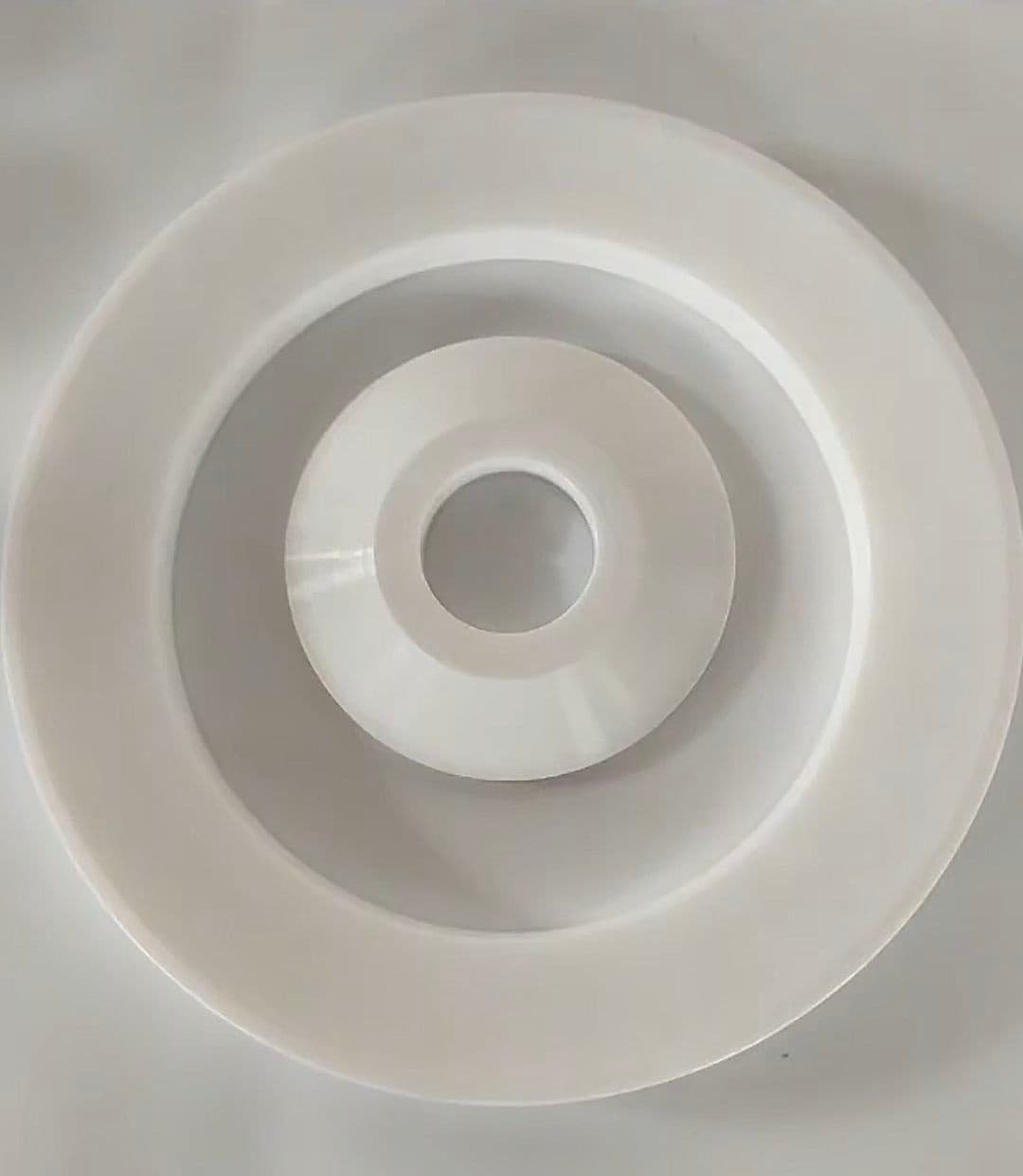
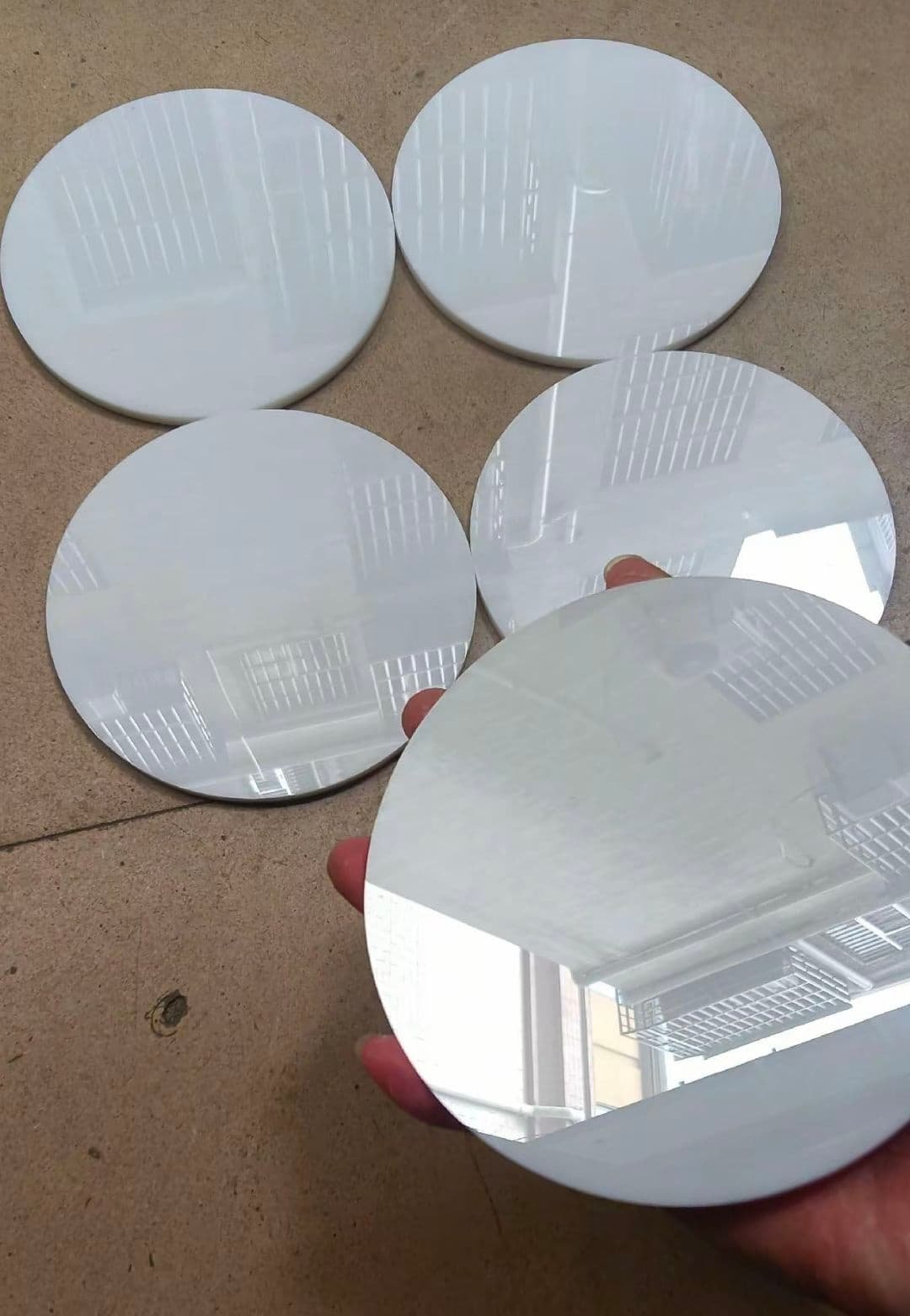
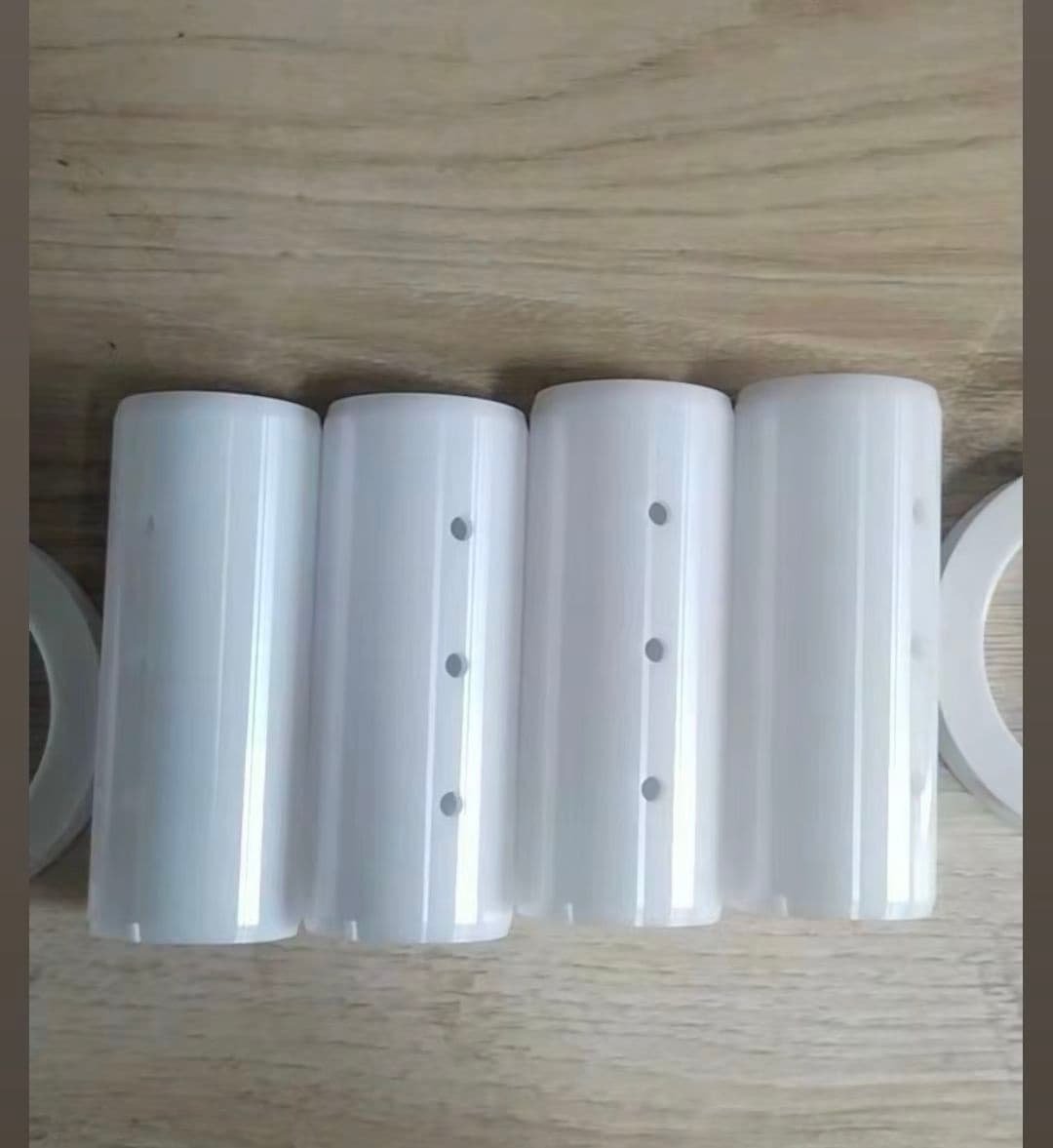
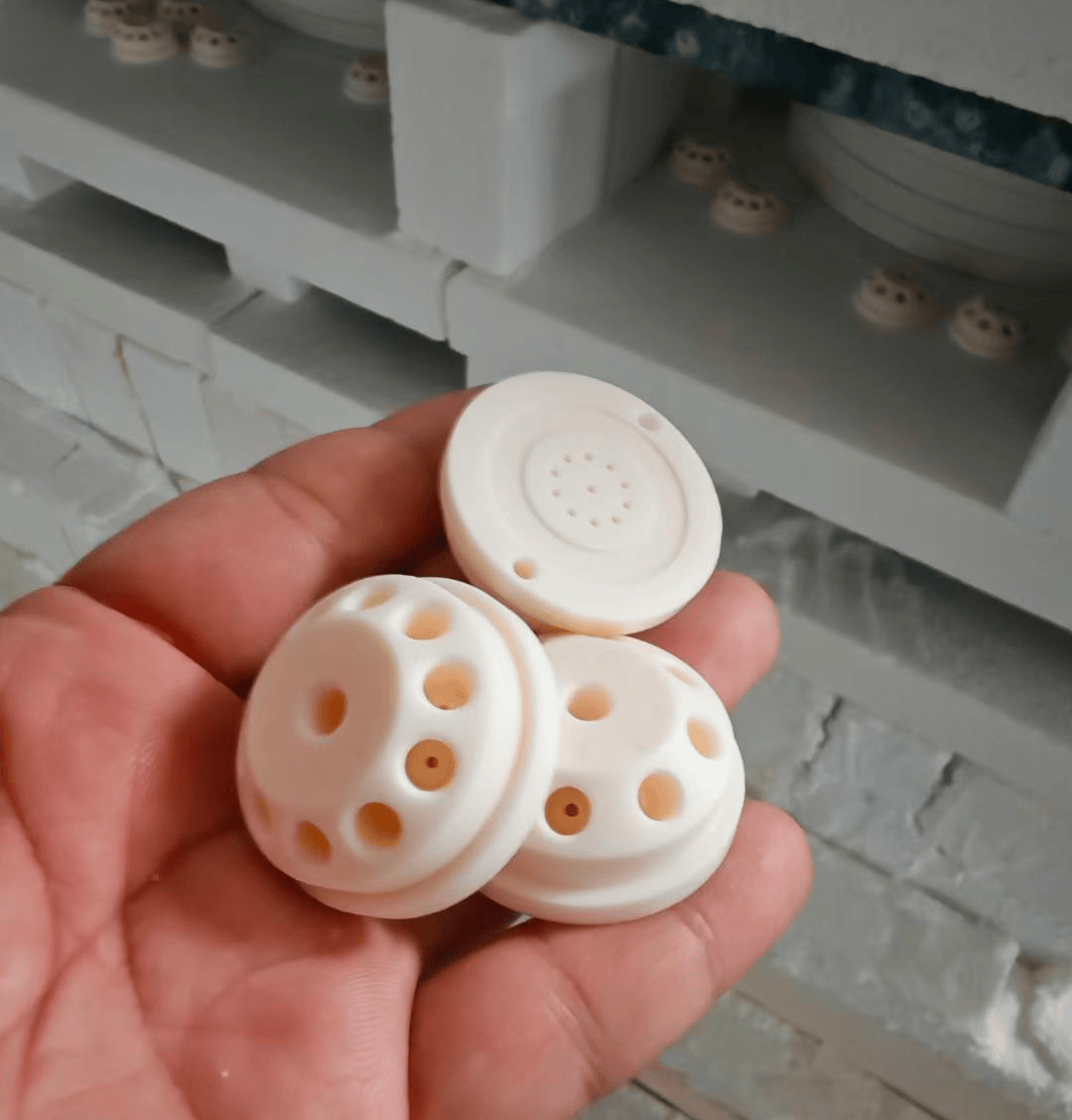
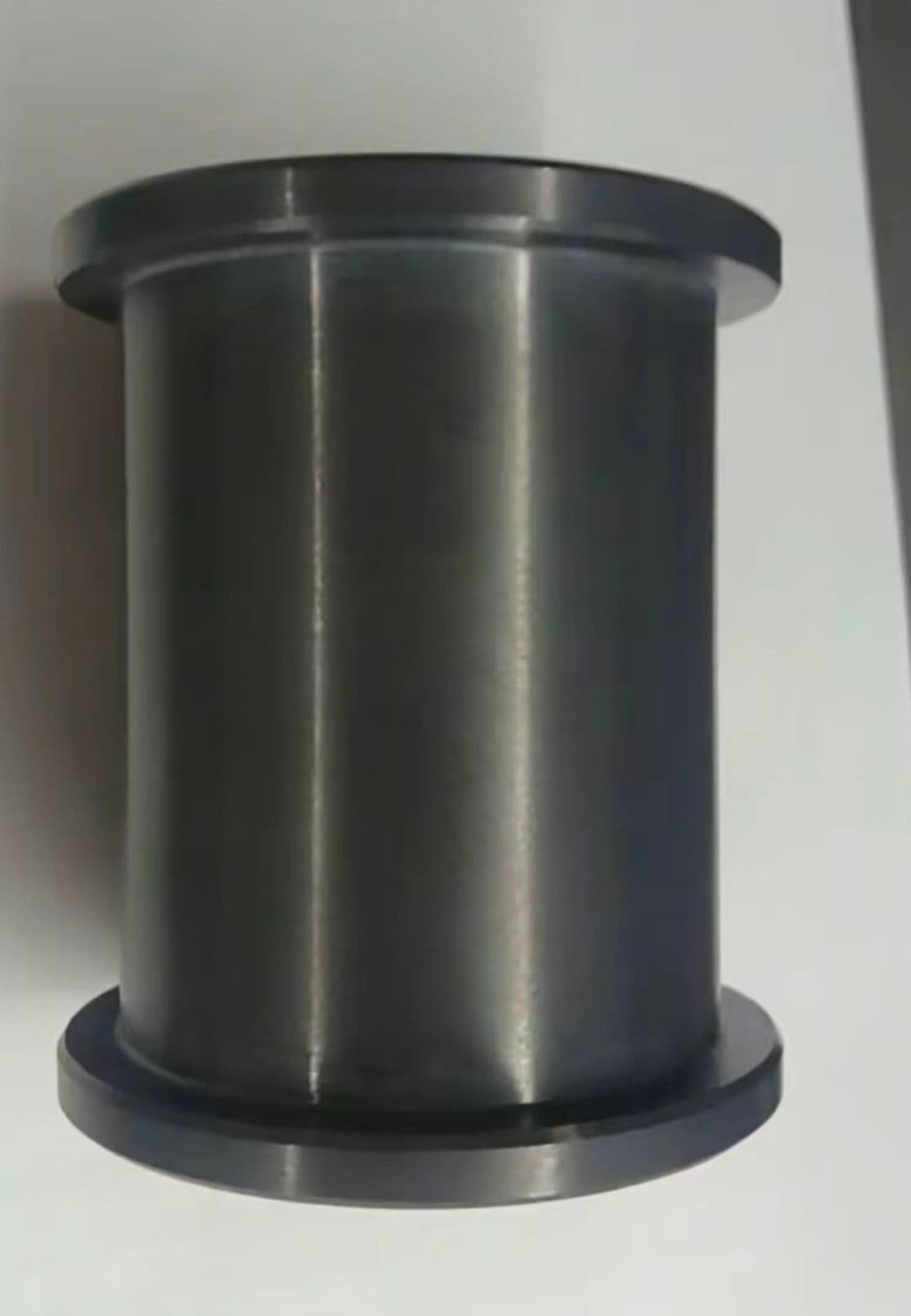
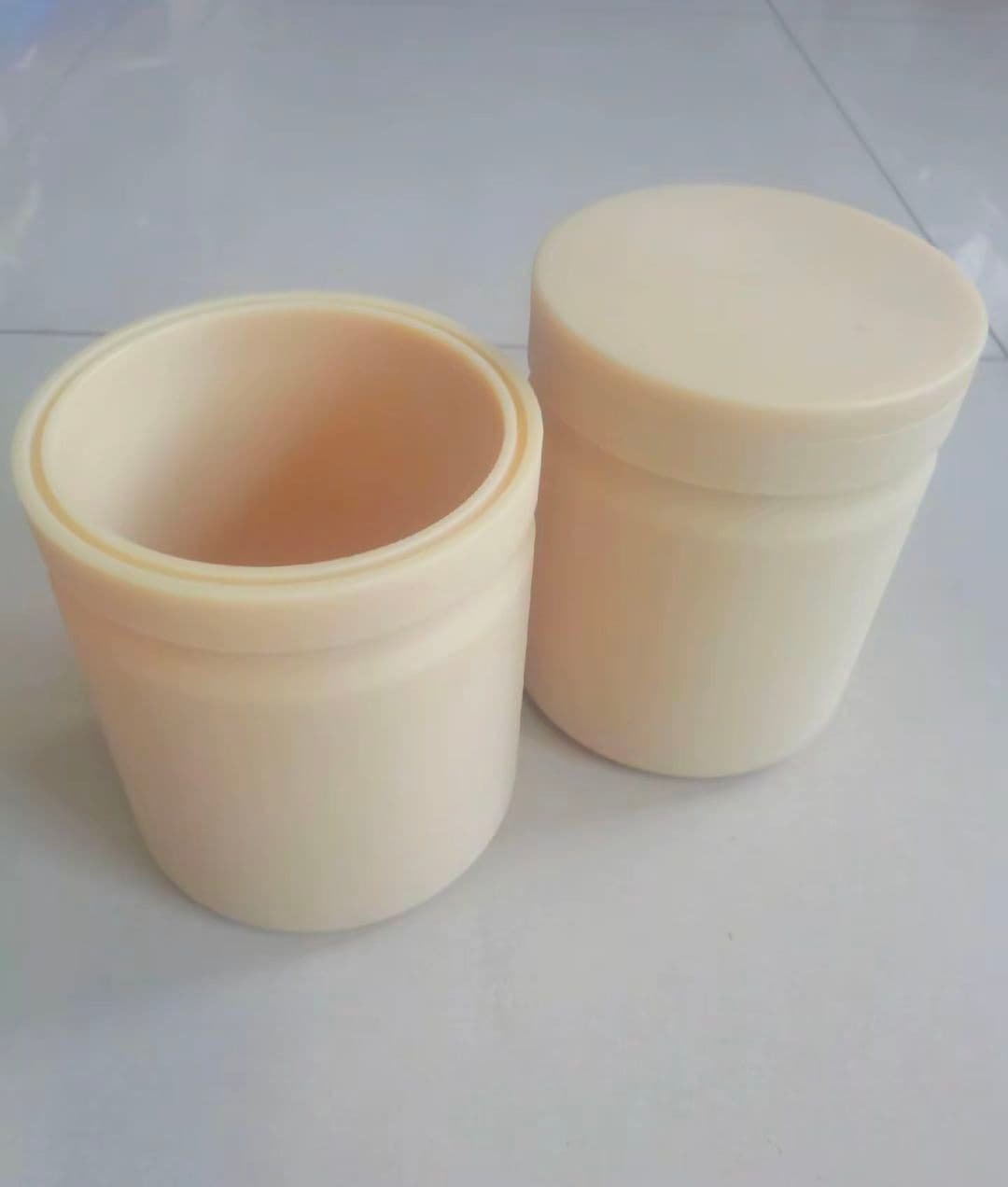
Find the Right Technical Ceramic Starting Point
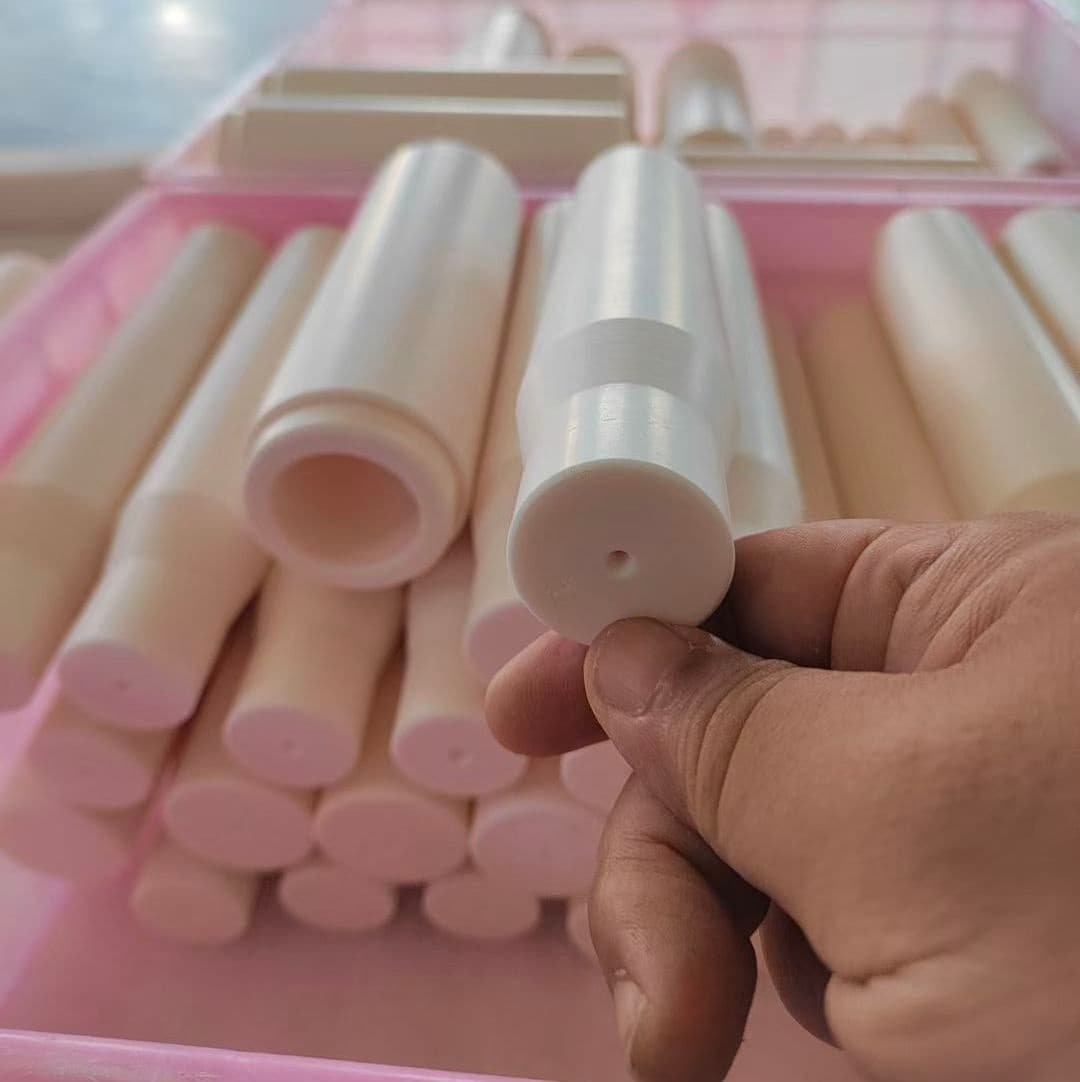
Advanced Ceramics for the Chemical Industry
Chemical industry ceramic products can be reviewed for fluid contact, corrosion, wear, temperature and sealing requirements.
Email for a Quote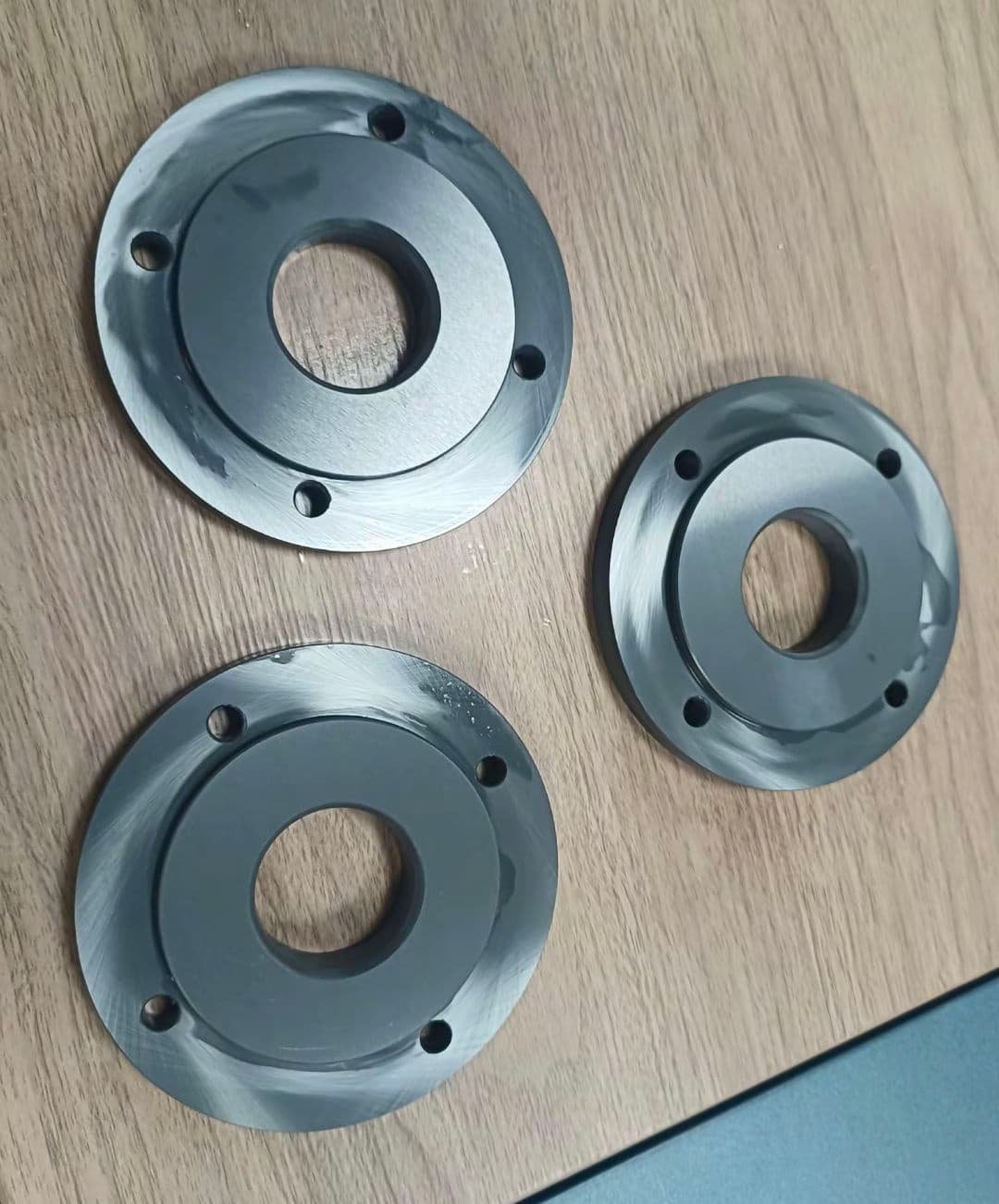
Advanced Ceramics For The Machinery Industry
Machinery ceramic products can be reviewed for motion, friction, abrasion, alignment and dimensional stability.
Email for a Quote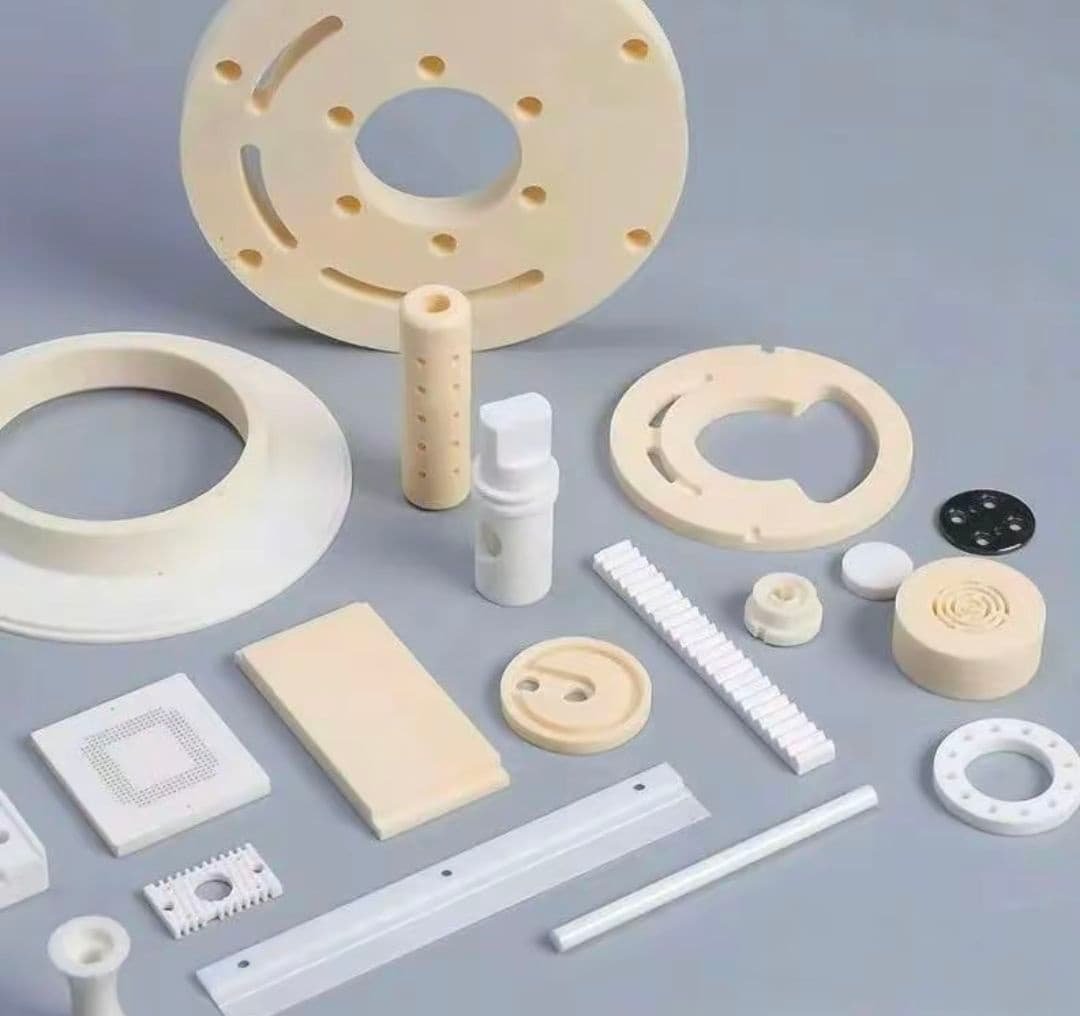
Ceramic Blocks & Bars
Ceramic blocks and bars can be reviewed for structural geometry, machining allowance, mounting and service environment.
Email for a Quote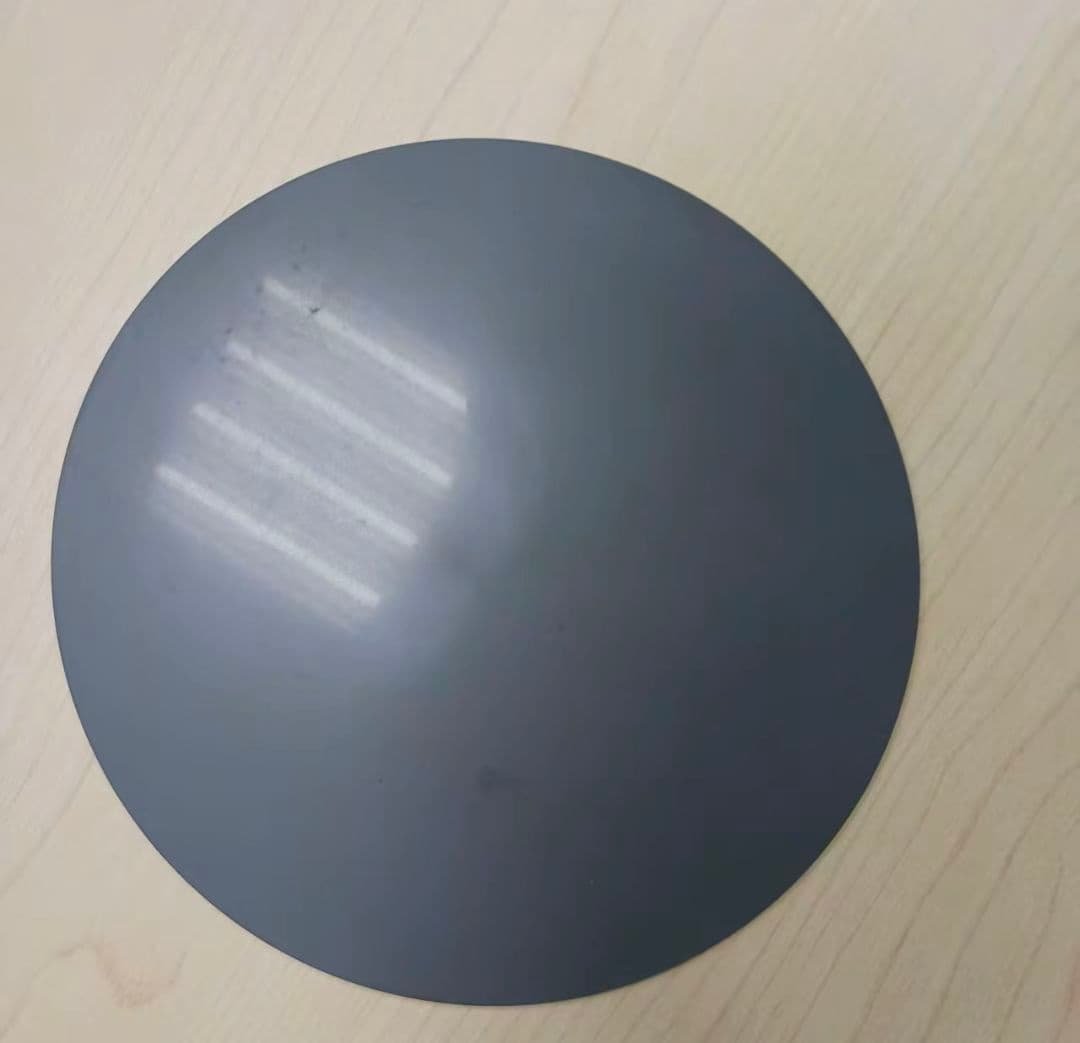
Ceramic Board
Ceramic boards can be reviewed for dimensions, mounting, thermal conditions and specified surface requirements.
Email for a Quote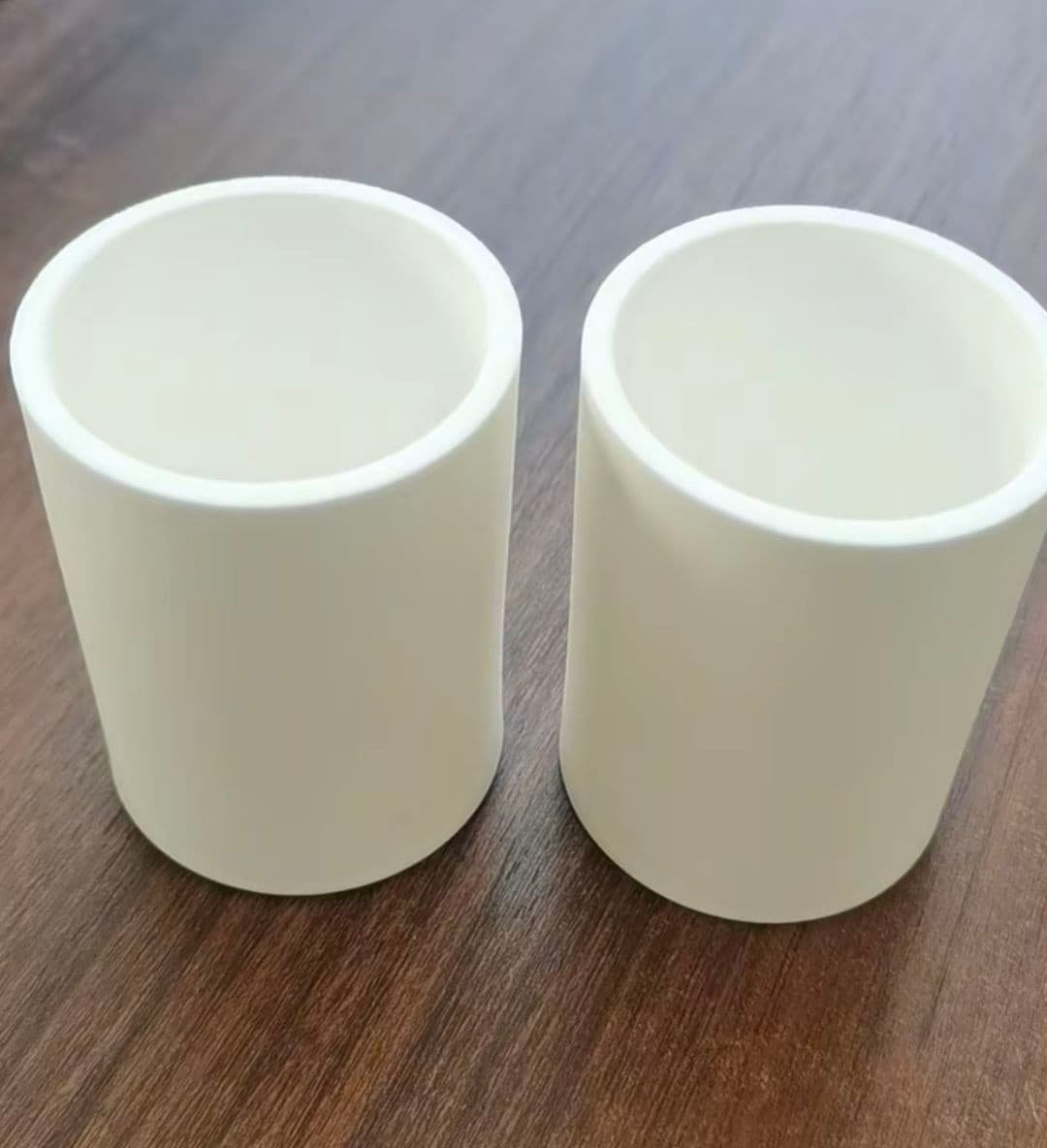
Ceramic Crucibles & Boats
Ceramic crucibles and boats can be reviewed for process temperature, contents, geometry, handling and thermal cycling.
Email for a Quote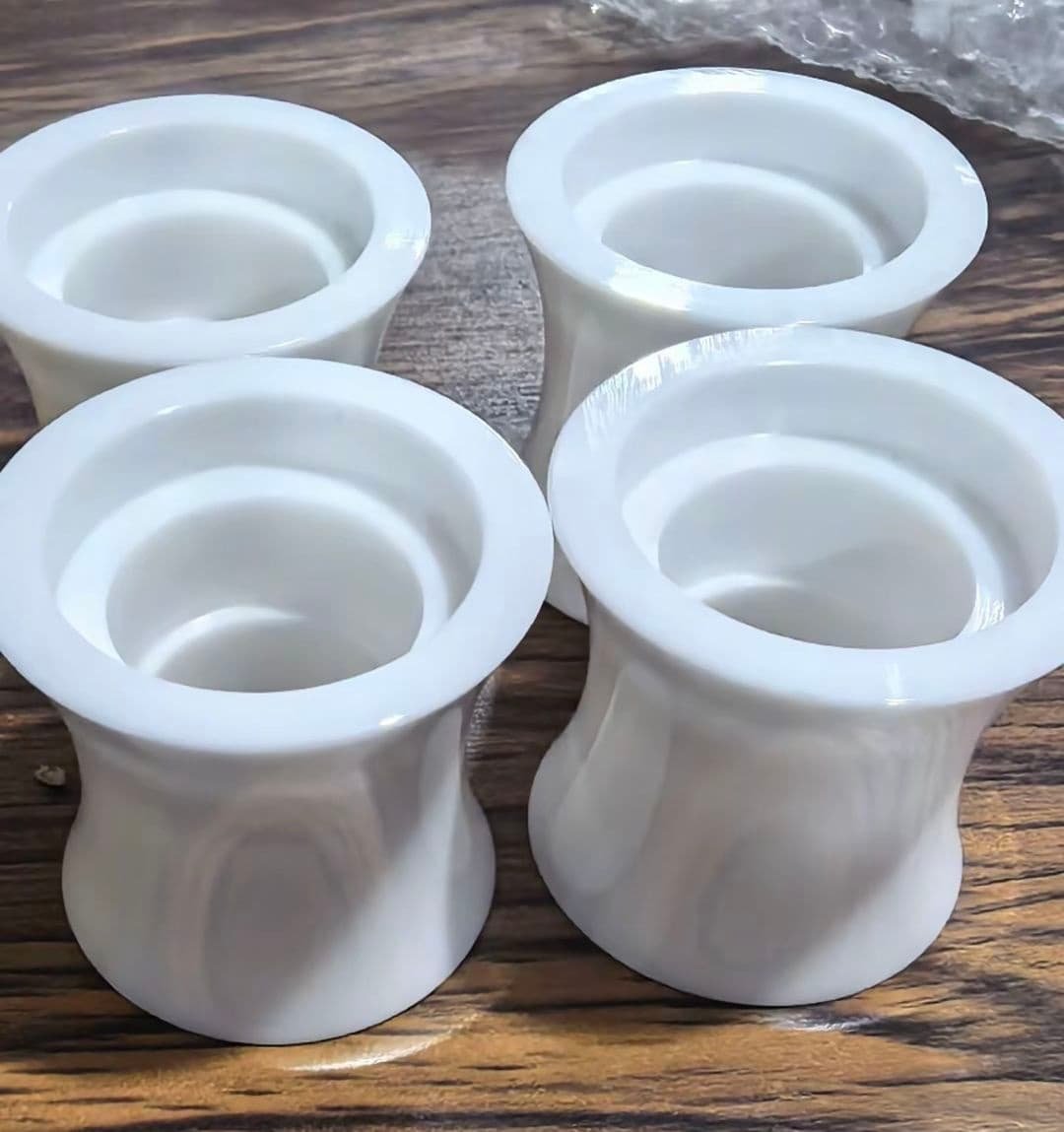
Custom Ceramic Bushing Sleeve Manufacturing Supplier
Custom ceramic ring manufacturing can be reviewed around sealing geometry, material choice, finish and inspection access.
Email for a Quote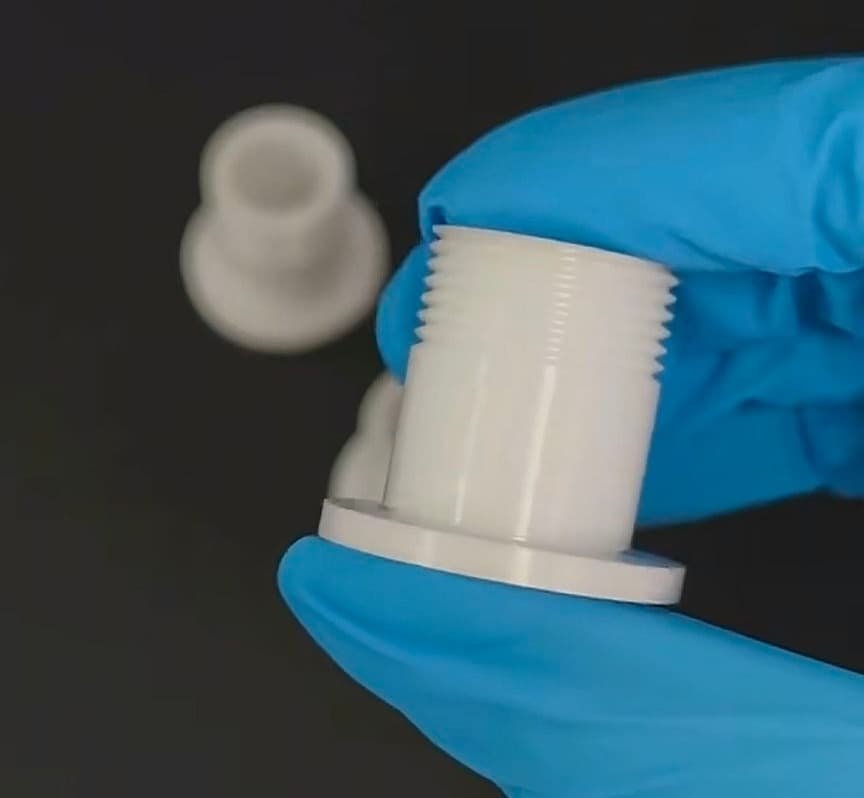
Custom ceramic structural block manufacturing supplier
Custom ceramic structural blocks can be reviewed around load paths, interfaces, machining and thermal conditions.
Email for a Quote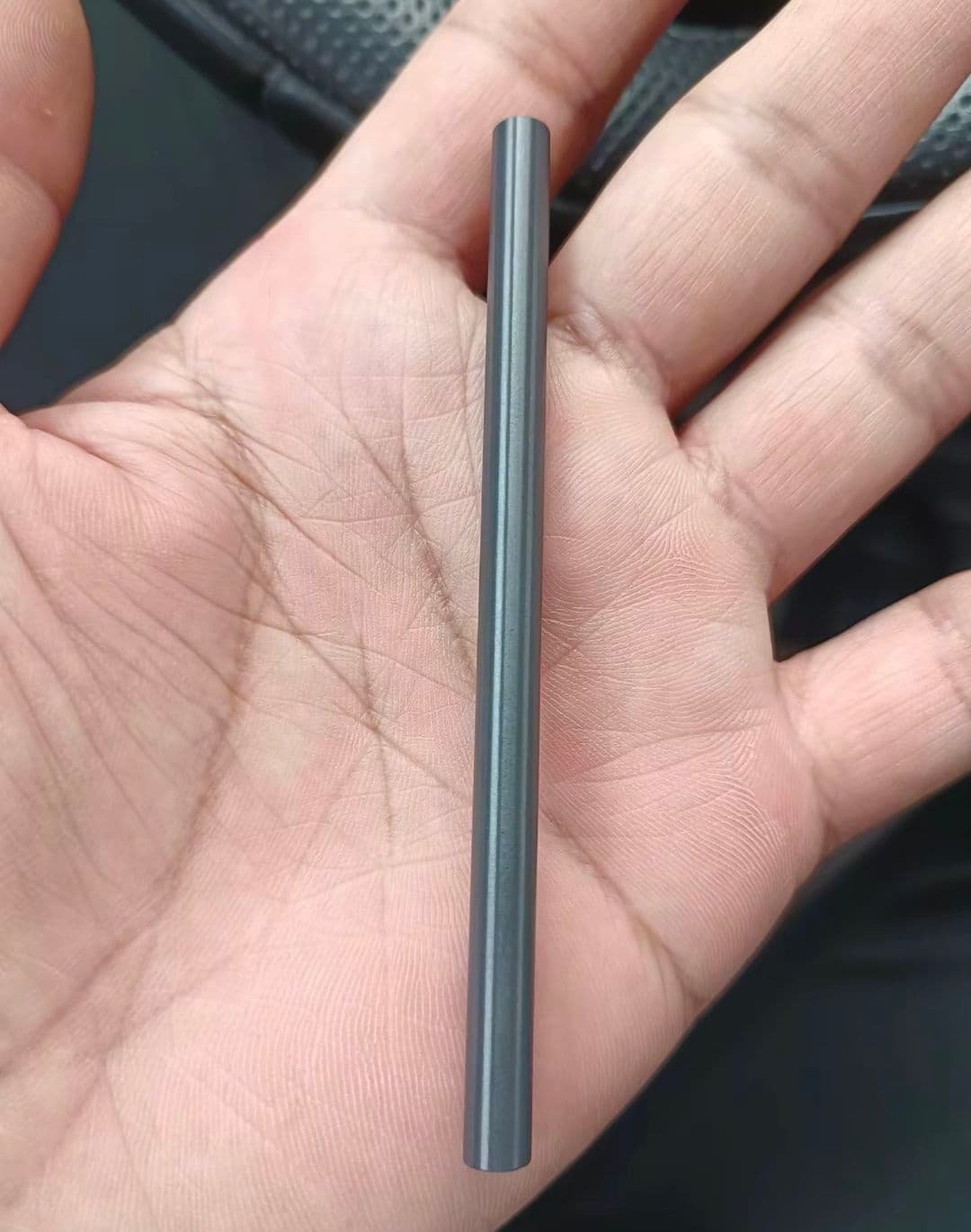
Ceramic Custom Components
Custom ceramic components can be reviewed from drawings, models, application conditions and required evidence.
Email for a Quote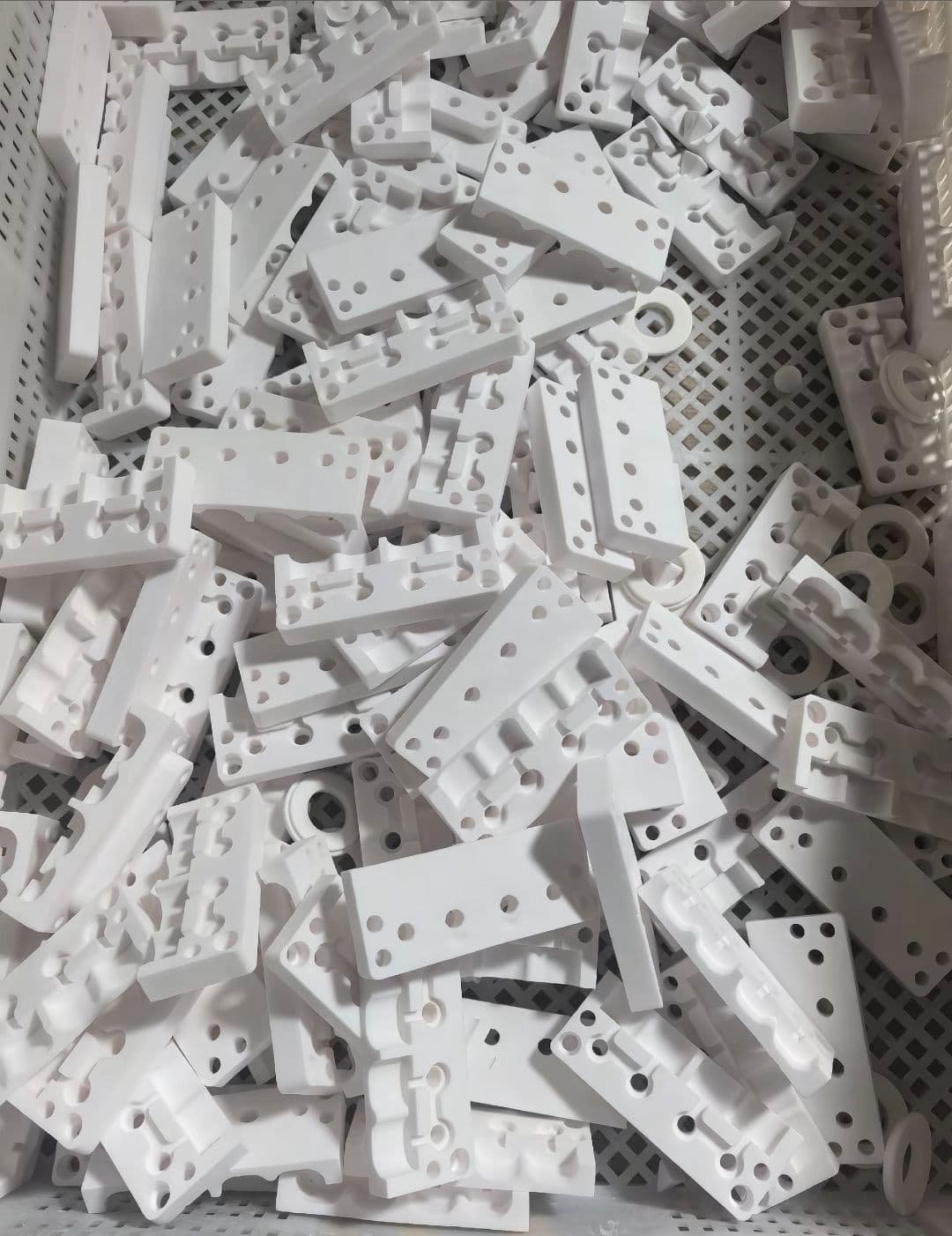
Ceramic Insulators
Ceramic insulators can be reviewed for shape, mounting, dielectric requirements and the applicable operating environment.
Email for a Quote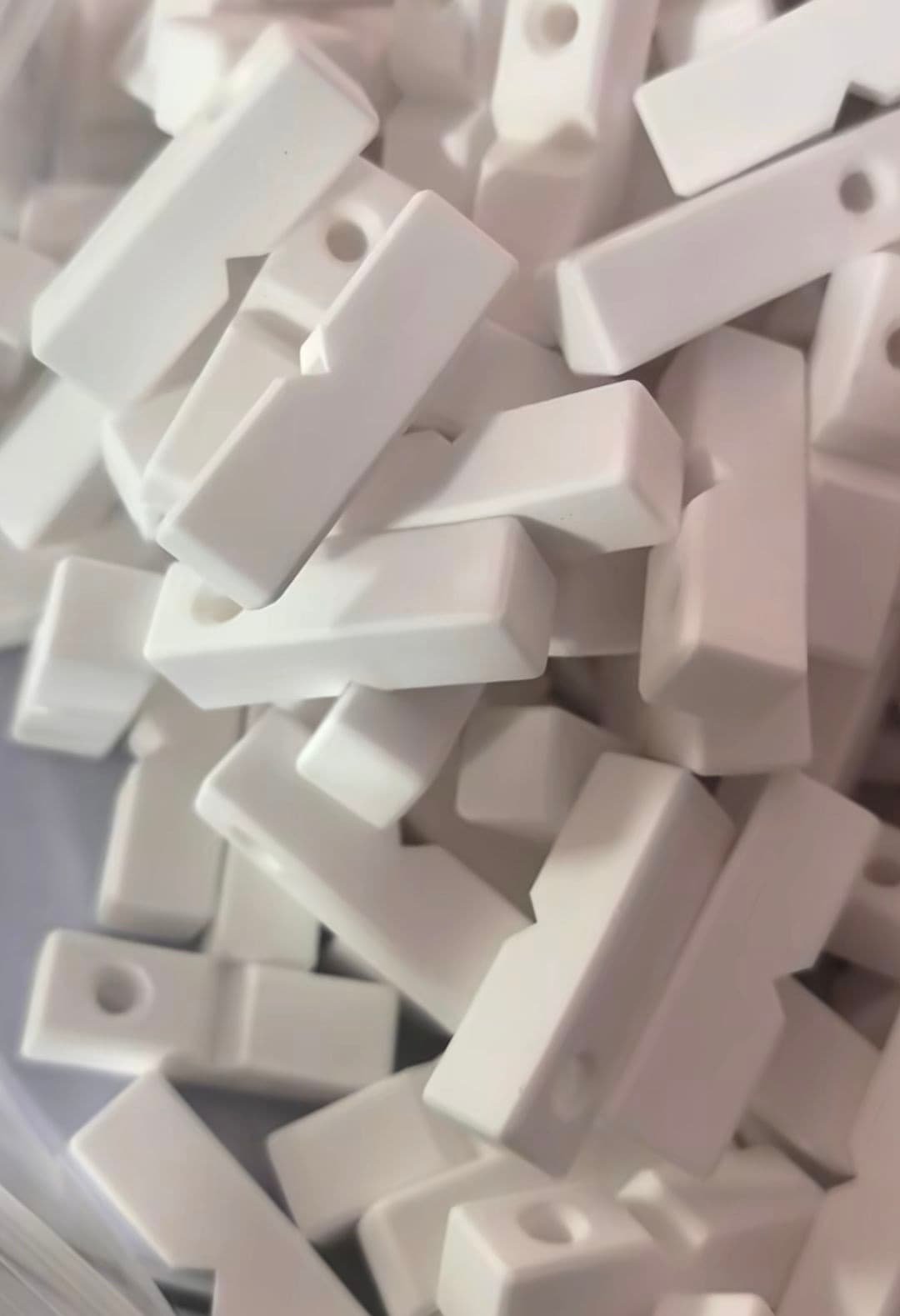
Machinable Glass Ceramics(MGC)
Machinable glass ceramic concepts can be reviewed subject to project-level material and process review, for geometry, machining needs, thermal conditions and application suitability.
Email for a Quote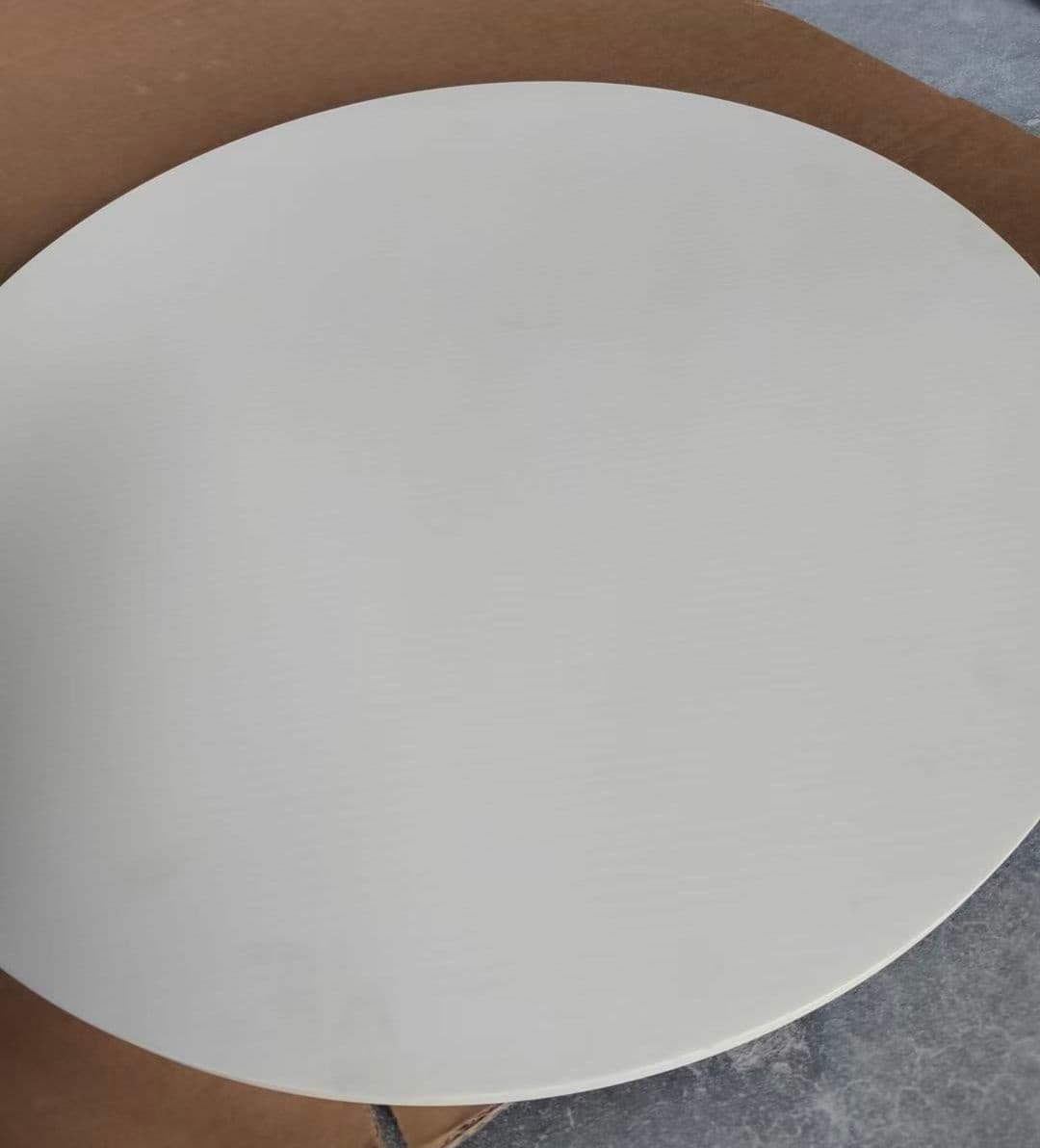
Ceramic Plates & Discs
Ceramic plates and discs can be reviewed for flatness, thickness, holes, edges, mounting and surface requirements.
Email for a Quote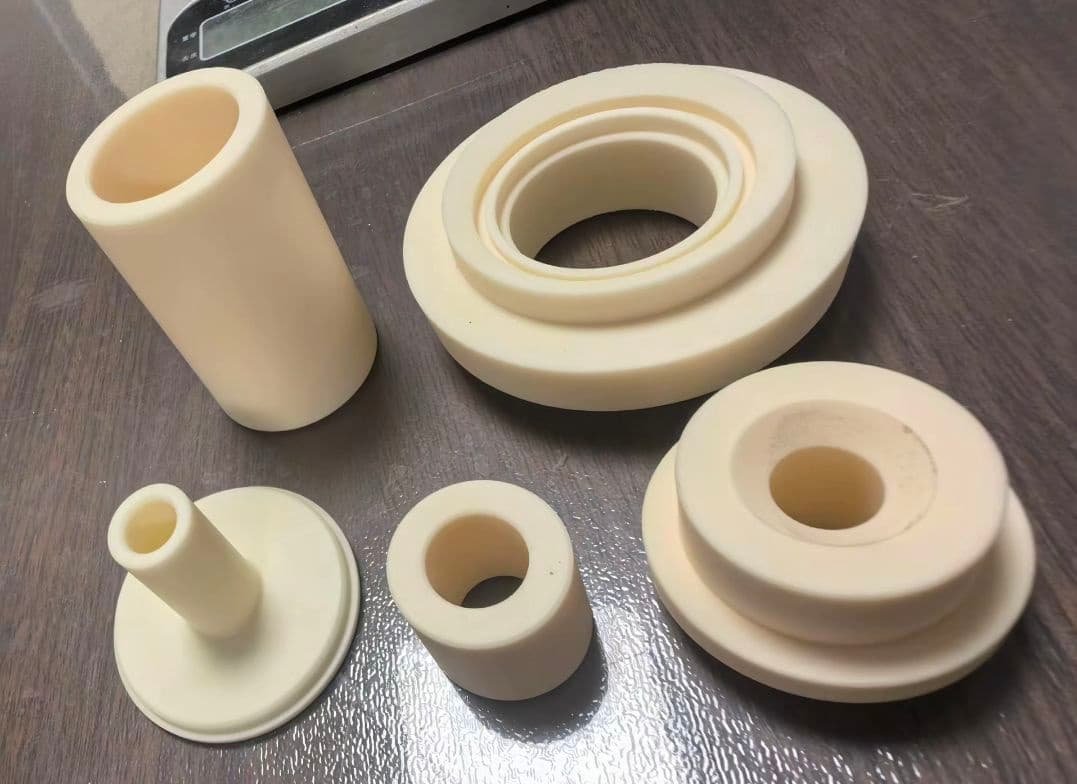
Precision Structural Ceramics
Precision structural ceramics can be reviewed for load, alignment, wear, thermal exposure and drawing-defined features.
Email for a Quote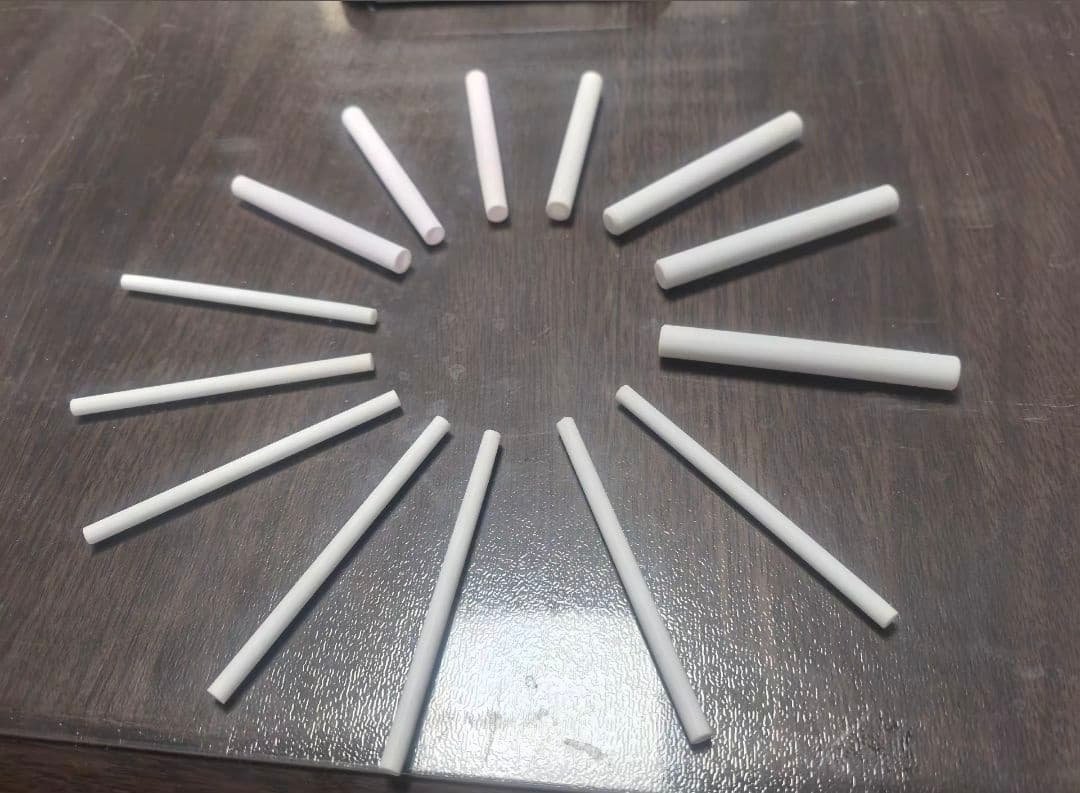
Ceramic Pumps & Plungers
Ceramic pumps and plungers can be reviewed for fluid, pressure, sealing, wear, stroke and interface conditions.
Email for a Quote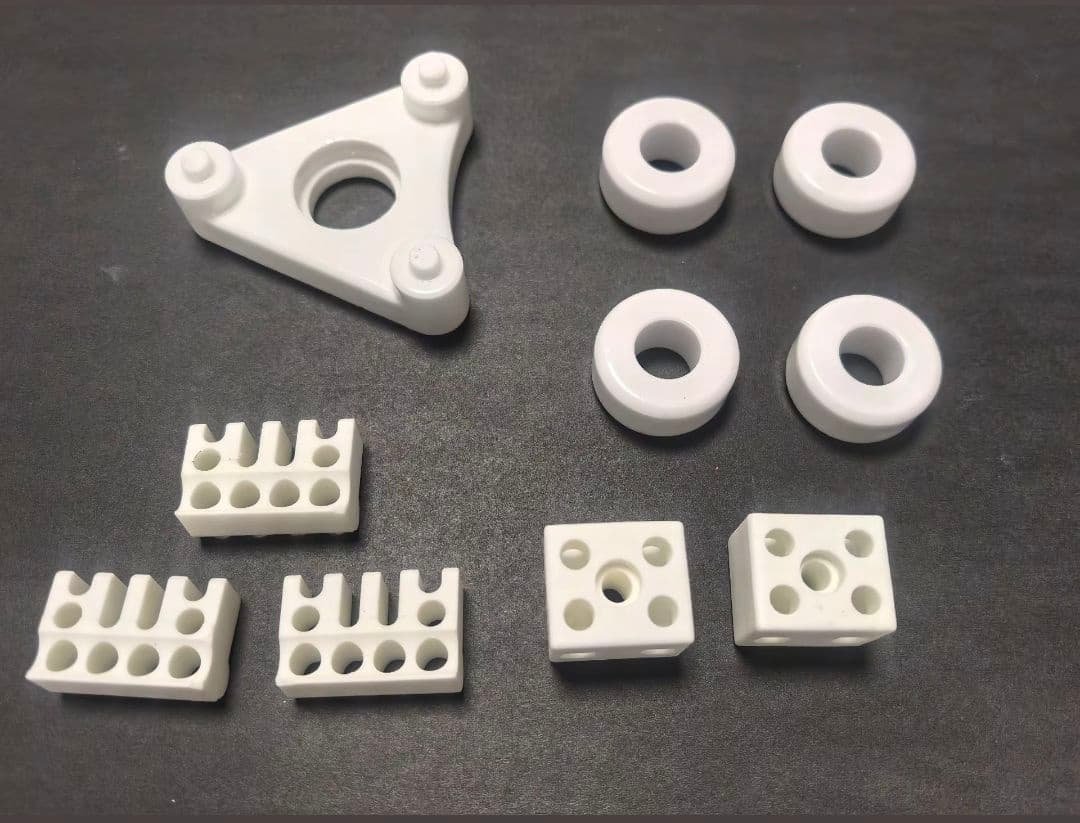
Ceramic Rings & Washers
Ceramic rings and washers can be reviewed for sealing, spacing, compression, surface finish and dimensional control.
Email for a Quote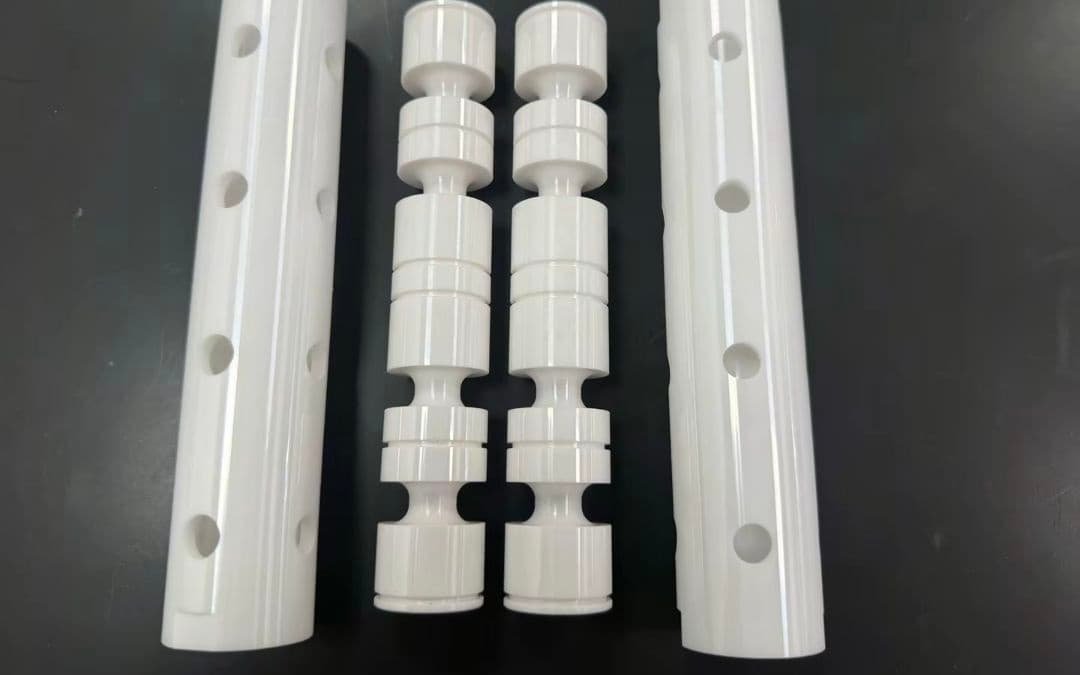
Ceramic Rods & Pins
Ceramic rods and pins can be reviewed for straightness, diameter, fit, wear, loading and end-feature requirements.
Email for a Quote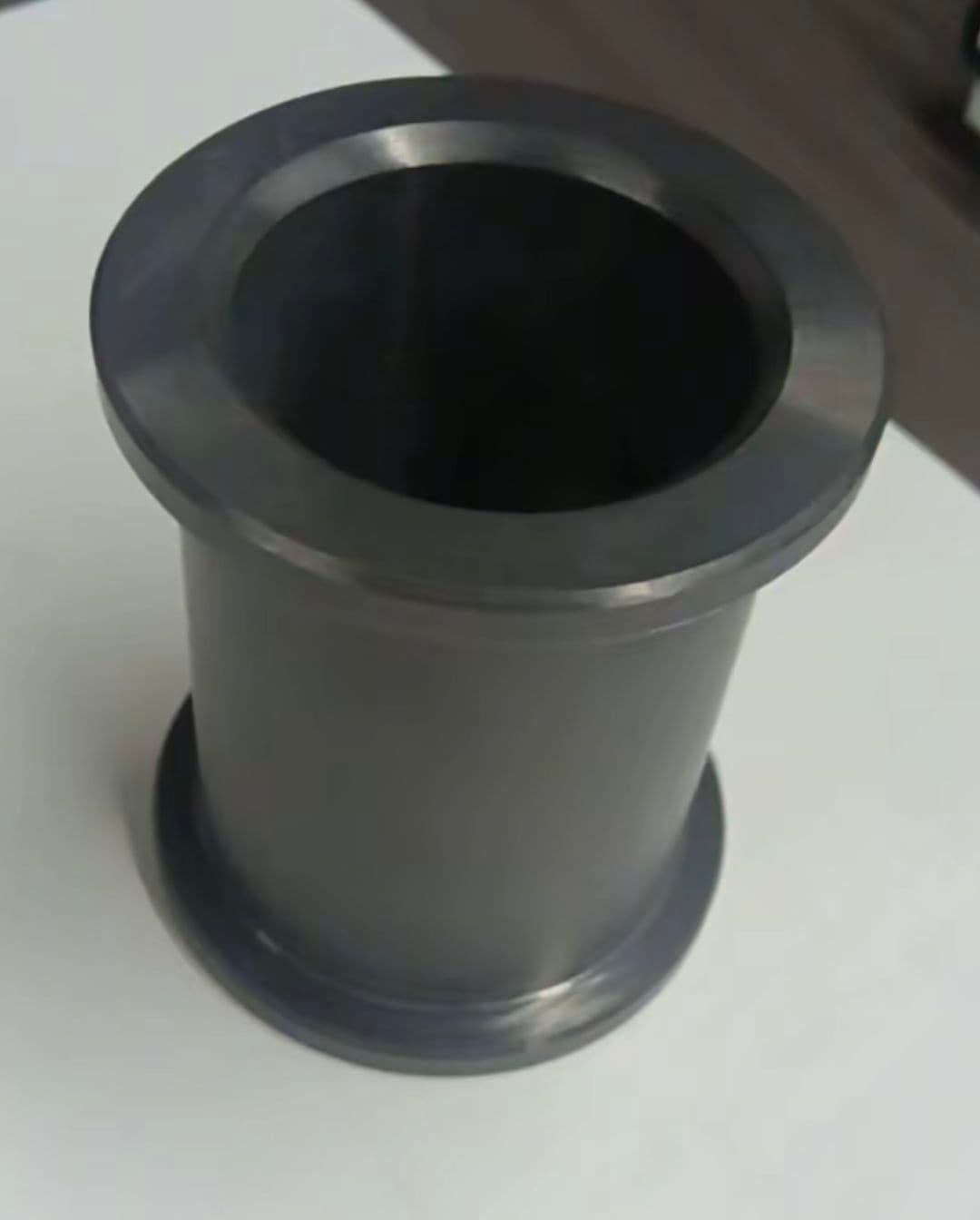
Silicon Nitride Ceramic Tube
Silicon nitride ceramic tubes can be reviewed for temperature, geometry, wall design, handling and assembly conditions.
Email for a Quote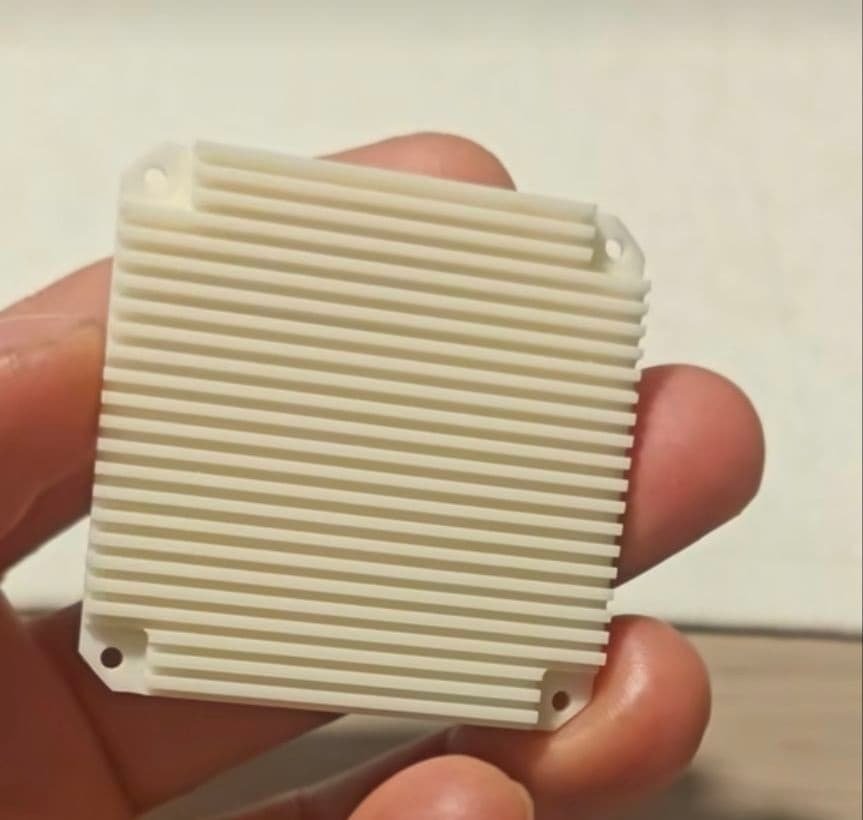
Ceramic Substrates & Sheets
Ceramic substrates and sheets can be reviewed for dimensions, flatness, mounting, thermal duty and surface needs.
Email for a Quote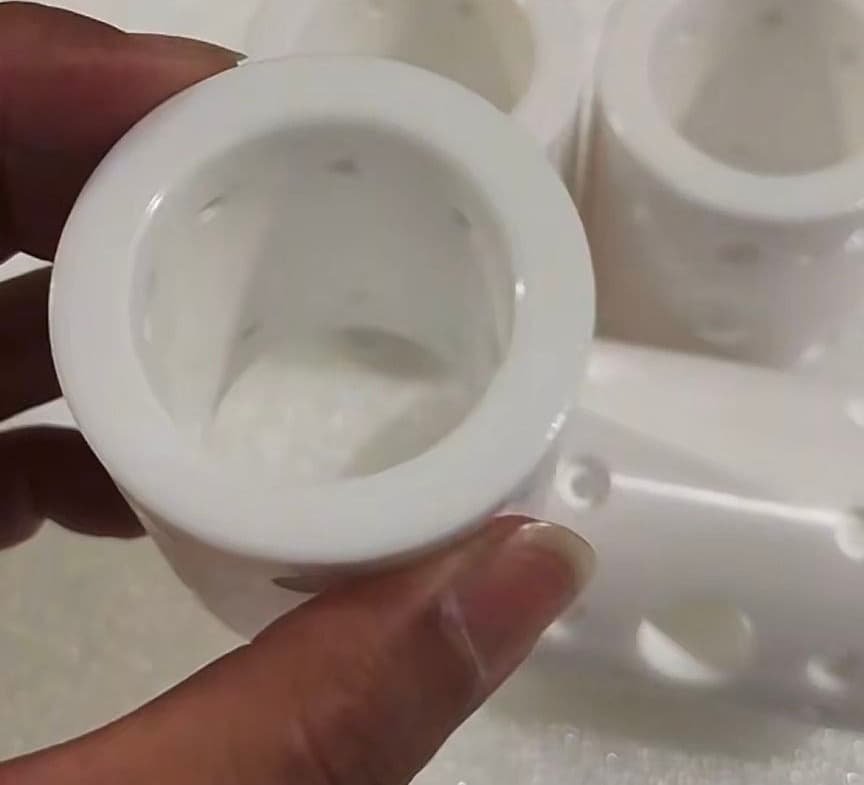
Technical Ceramics
Technical ceramics can be reviewed by material family, geometry, operating environment, production route and inspection plan.
Email for a Quote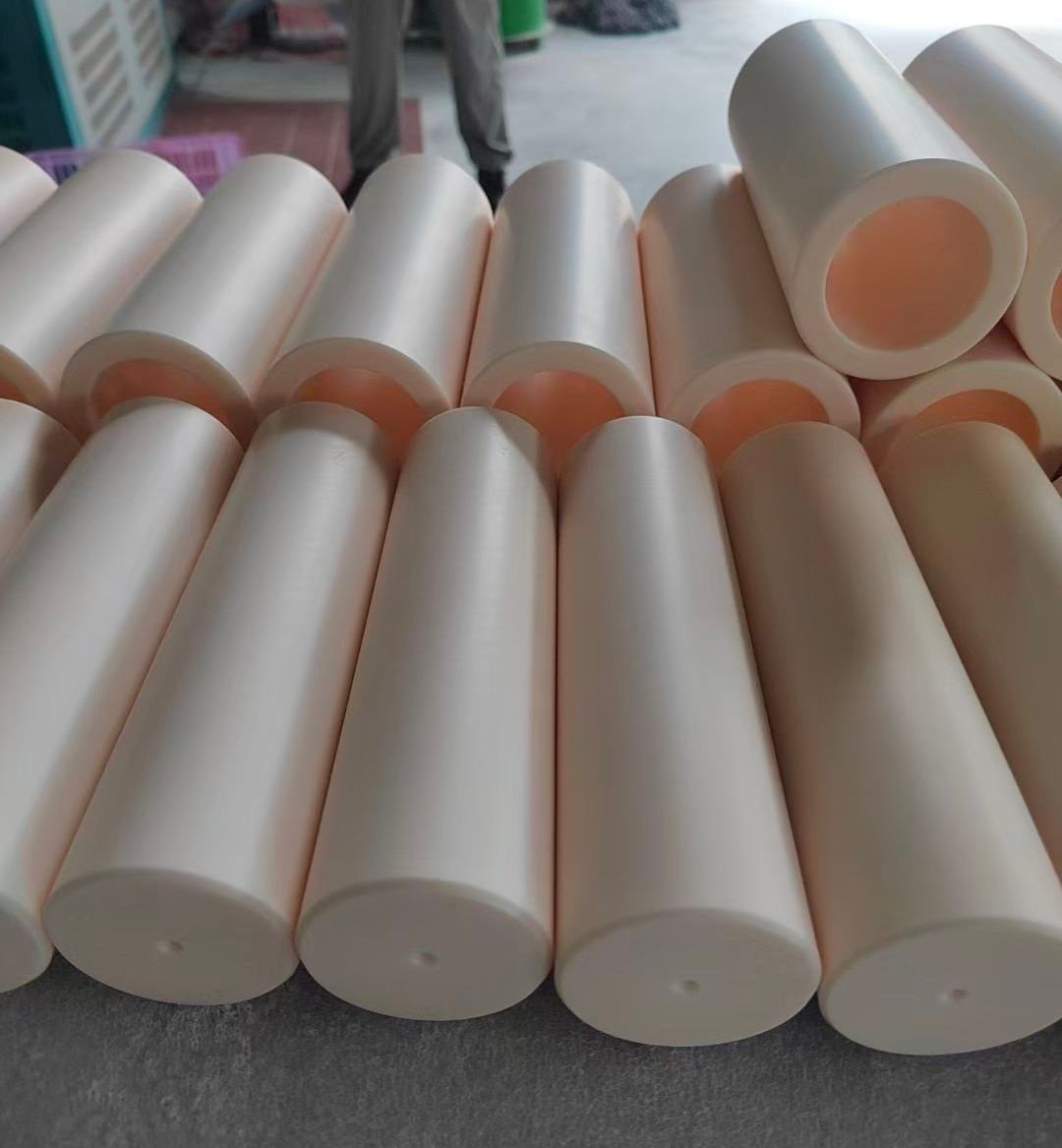
Ceramic Tubes & Sleeves
Ceramic tubes and sleeves can be reviewed for bore, wall, length, concentricity, sealing and assembly requirements.
Email for a Quote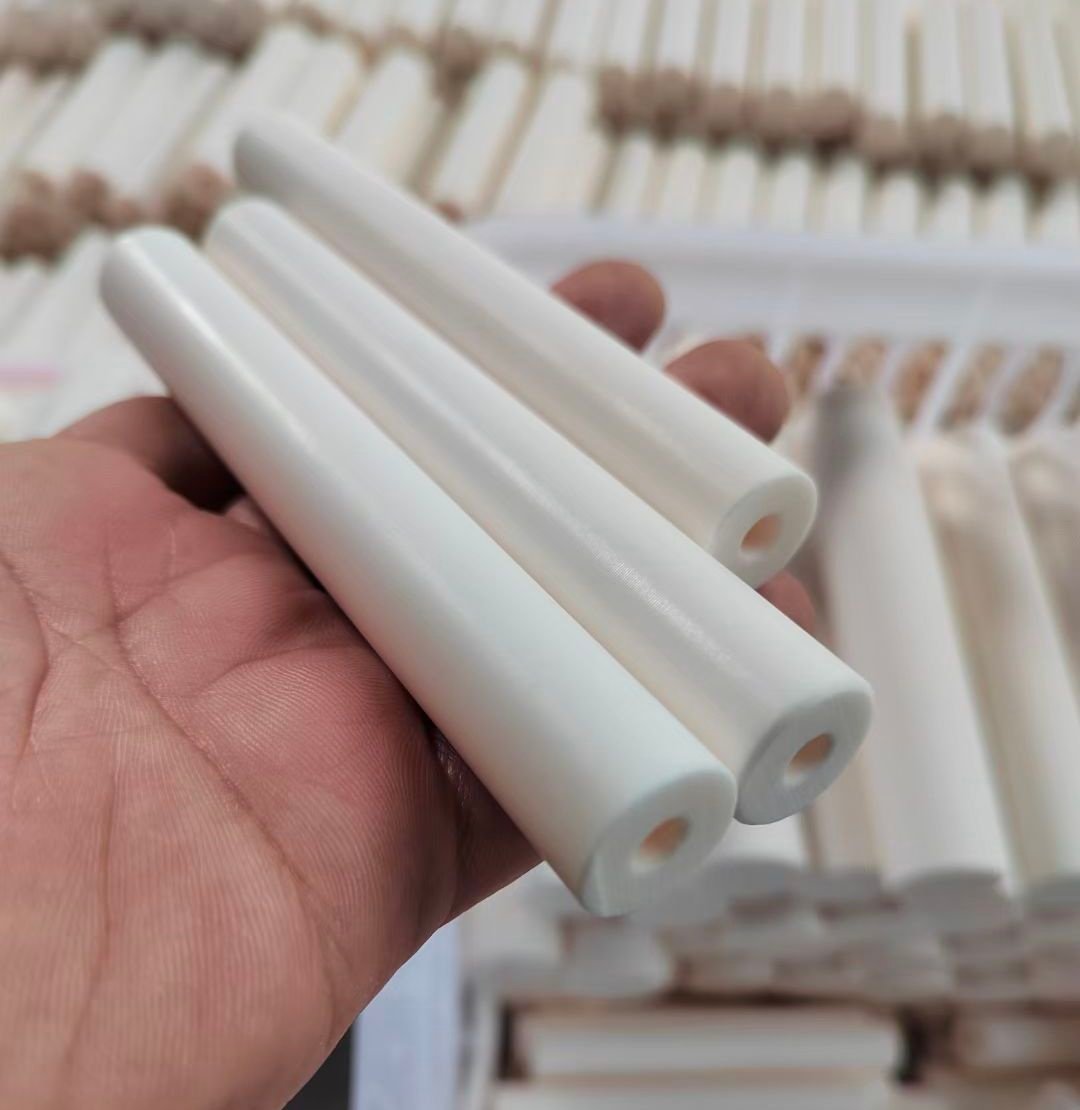
Zirconia Ceramic Tube
Zirconia ceramic tubes can be reviewed for geometry, wear, strength-related needs, thermal conditions and interfaces.
Email for a Quote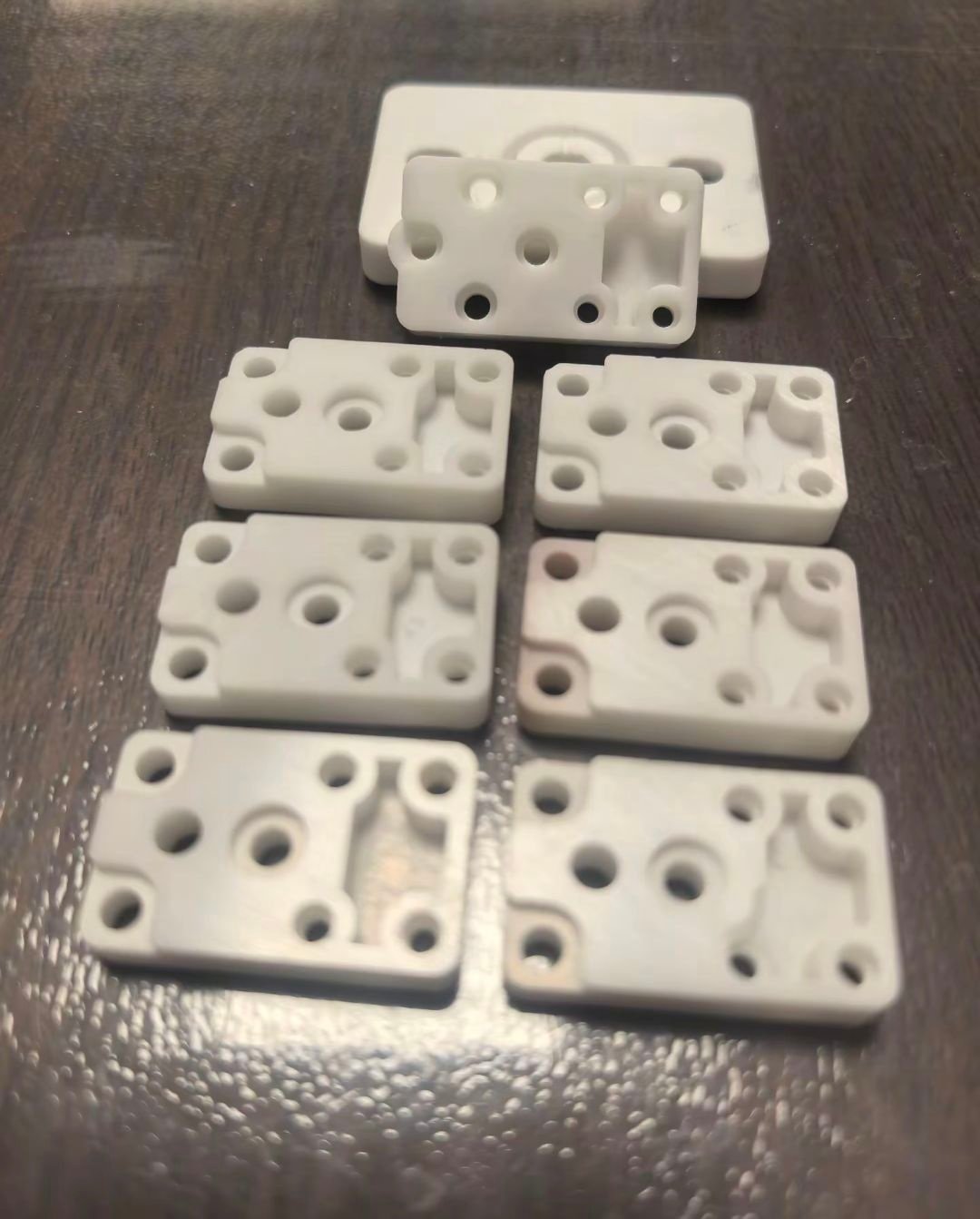
Zirconium Oxide Toughened Alumina (ZTA)
Zirconium oxide toughened alumina can be reviewed subject to project-level material and process review where the duty requires a considered balance of wear, strength and manufacturability.
Email for a QuoteC-CERAMIC Manufacturing Capabilities
C-CERAMIC exists to help industrial teams turn demanding ceramic part requirements into production-ready components. Our ceramic manufacturing capabilities bring material and design review, mold making, forming, high-temperature sintering, machining, finishing and inspection into one coordinated engineering workflow.
From silicon carbide, zirconia, alumina and silicon nitride components to project-specific technical ceramic selections, we support prototypes, low-volume runs and scalable production. Our platform includes ceramic injection molding, precision grinding, lapping, CNC ceramic machining and final dimensional inspection for parts built around real operating conditions.
What differentiates C-CERAMIC is continuity from the first drawing through contract manufacturing. Engineering, process selection and finishing are aligned around the same component requirements, helping OEM, R&D and procurement teams source pins, seals, plates, tubes, nozzles and other custom ceramic parts with a clear path to production.
Technical Ceramic Products for Real Operating Conditions
INDUSTRY Equipment
Components for semiconductor equipment can be reviewed for handling, insulation, positioning and process exposure, with geometry, finish and acceptance evidence defined by the application.
- Alumina or zirconia options reviewed against the stated duty
- Critical geometry, interfaces and surface requirements assessed
- Prototype or low-volume validation before repeat supply
Chemical Processing
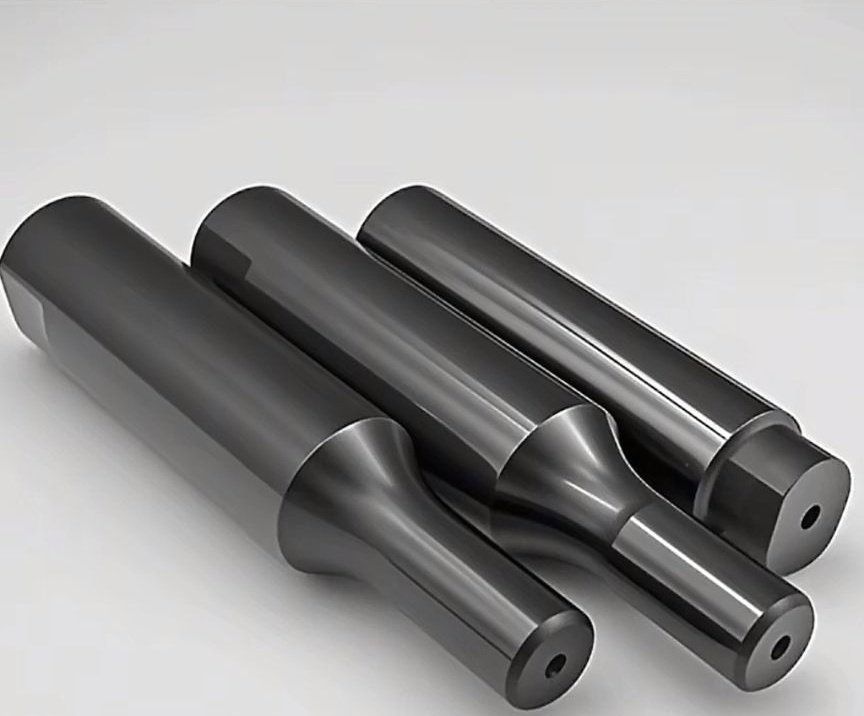
Chemical-processing components can be reviewed for fluid contact, corrosion, abrasion, temperature, sealing and service conditions before a ceramic family and finish are selected.
- Fluid and aggressive-media compatibility review
- Pump, piston, seal, tube and nozzle geometries
- Repeat-part consistency reviewed against agreed requirements
Industrial Machinery
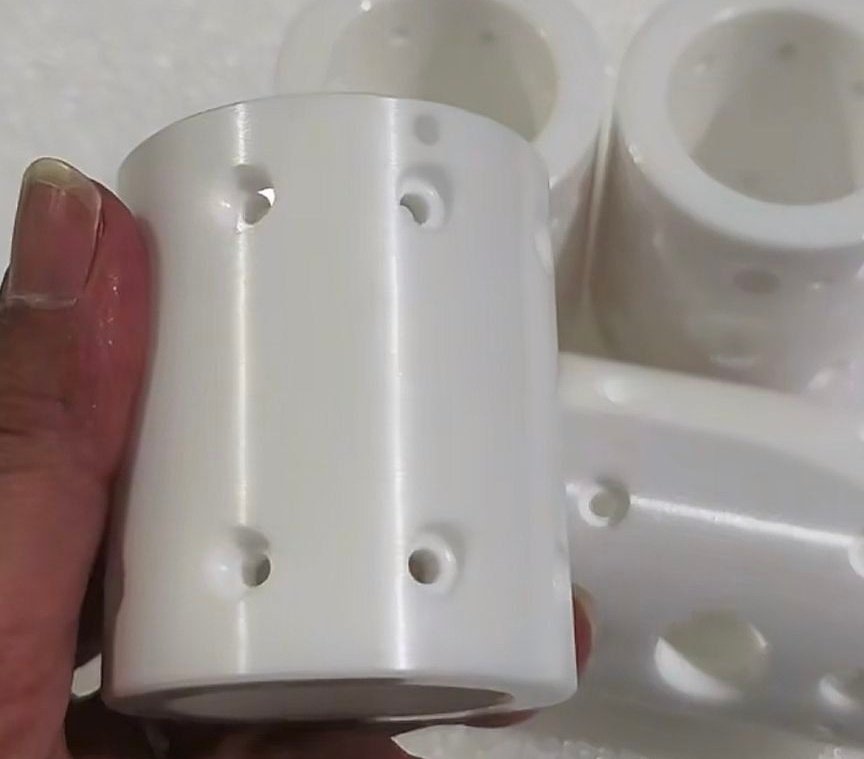
Machinery components can be reviewed for friction, abrasion, alignment, loading, motion and dimensional stability across pins, shafts, guides, sleeves and wear parts.
- Wear interfaces and mating materials reviewed early
- CNC machining, grinding and lapping considered by feature
- Inspection matched to assembly-critical characteristics
A Practical Guide to Buying Technical Ceramic Products
Define the Component and Operating Duty
Begin with the function of the technical ceramic product rather than its material name. State whether the part is a pin, shaft, plate, disc, ring, washer, tube, nozzle, crucible, pump component, piston, insulator or drawing-based geometry. Identify mating parts, contact areas, load direction, motion, sealing role, fluid or media exposure, temperature range, cycling, atmosphere and cleaning conditions. Note whether the component is exposed to abrasion, impact, pressure, thermal gradients or repeated assembly.Separate known requirements from assumptions. A ceramic product may be dimensionally suitable yet fail at an interface because of preload, edge contact, differential expansion, contamination or an unsuitable counterface. Include the duty cycle, expected quantity, prototype objective and consequences of failure. Mark critical features on the drawing and explain how they affect assembly or process performance. This information allows C-CERAMIC to review material families, forming, sintering, machining and finishing as one route. It also gives procurement a clearer basis for comparing quotations, because suppliers can identify exclusions, feasibility conditions and inspection needs instead of pricing an incomplete shape.
Choose Materials and Compatible Interfaces
Choose a ceramic family from the duty and interfaces, not from a generic hardness or temperature claim. Silicon carbide, zirconia, alumina and silicon nitride may each be reviewed for different combinations of wear, corrosion, thermal exposure, insulation, mechanical loading and geometry. The appropriate option depends on the specified environment and manufacturing route, so request a conditional material comparison when the service conditions are not fully verified.Describe every mating material and contact condition. Include shaft or sleeve material, seal arrangement, fasteners, adhesives, clamping method, clearance, lubrication and whether the ceramic surface slides, seals, locates or carries load. Review edge radii, holes, threads, thin sections and transitions because these features can affect stress concentration, handling and finishing. For fluid-contact products, identify the medium, concentration, temperature, pressure, solids and cleaning cycle; do not assume broad chemical resistance from a material label alone. For electrically relevant parts, define the actual insulation or thermal requirement without implying a compliance guarantee. Ask the supplier to state the proposed material specification, alternatives, interface risks and any qualification evidence required before approval.
Review Geometry and Manufacturing Routes
Assess the geometry together with quantity and production intent. Simple plates, discs, rods or rings may begin with a formed blank and receive grinding or lapping, while complex shapes may justify mold development or ceramic injection molding. Intricate green-body features can reduce later machining but introduce tooling, shrinkage, release and distortion considerations. Fully sintered machining can support selected holes, slots, threads, shoulders and functional surfaces, but feature access, material, allowance and finishing method must be reviewed.Provide a model and drawing showing datums, critical tolerances, surface requirements, edge conditions, radii, wall sections, bores and inspection points. Identify dimensions that may be adjusted after design-for-manufacture review and those that are functionally fixed. Ask for the proposed sequence: forming, drying or handling assumptions where relevant, sintering, machining, grinding, lapping and cleaning. Compare prototype and production routes separately, because a low-volume process may not be the same as a repeat-volume route. The quotation should identify tooling, setup, finishing, inspection and change-control assumptions. Treat broader process categories as feasibility options until the specific geometry has been reviewed and accepted.
Set Inspection and Acceptance Criteria
Define acceptance before requesting a final quotation. Mark critical-to-function dimensions, datums, geometric relationships, surface requirements, visual limits and any material or process records required. For ceramic products, pay particular attention to flatness, straightness, concentricity, bore size, sealing faces, edge condition, cracks, chips and surface damage. State whether dimensions apply before or after finishing, and identify the measurement reference, sampling expectation and report format.Inspection must be practical for the geometry. A narrow tube, deep bore, small pin or complex molded component may need different access and measurement planning than a flat disc. Ask the supplier to explain how critical features will be checked and how nonconforming parts will be controlled. If the product enters semiconductor, chemical, laboratory or other sensitive equipment, define cleanliness, packaging and handling expectations without assuming an industry compliance guarantee. Distinguish supplier inspection from customer qualification testing. The release plan should identify which checks occur on prototypes, first articles and repeat batches, and which evidence is required for each stage. Clear acceptance criteria reduce disputes, reveal unrealistic tolerances and make competing quotations easier to compare.
Compare Prototype and Production Quotations
Compare quotations on an equivalent technical basis. Separate one-time tooling or mold work from recurring part cost, and distinguish prototype, low-volume and repeat-production assumptions. Check whether the quoted material is a defined grade or only a broad family, whether machining and finishing are included, and whether inspection, cleaning, packaging and documentation are priced or excluded. Ask how quantity, batch size, geometry changes and forecast stability affect the proposed route.Review the supplier’s stated assumptions line by line. A lower initial price may reflect a standard shape, reduced inspection scope, unfinished surfaces, unverified tolerance capability or a route that is unsuitable for future volume. A more integrated route may carry additional review or tooling work while reducing handoff risk, but this should be demonstrated through the proposed process and acceptance plan. Request feasibility comments for thin walls, deep features, shrinkage, distortion, brittle edges, sealing surfaces and post-sinter machining. Confirm what must be approved before production release and what happens if prototype results require a drawing change. Since MOQ, lead time and capacity are project-dependent, require them to be confirmed for the actual material, geometry, quantity and inspection scope rather than inferred from a general capability statement.
Prepare a Complete RFQ and Qualification Plan
A useful RFQ packages the engineering facts a ceramic supplier needs to make a defensible proposal. Include the latest drawing revision, 3D model, material preference or comparison request, annual and release quantities, prototype quantity, application duty, mating materials, critical dimensions, surface requirements, inspection plan, packaging needs and delivery destination. Identify prohibited substitutions, open design questions, required samples and the decision date. If the part is confidential, state the information-handling expectations before sending files.Ask for a route description covering material review, tooling or forming, sintering, machining, grinding, lapping, cleaning, inspection and packing. Request a list of assumptions, exclusions, risks and proposed design changes. Qualification should define what the prototype must prove: fit, function, wear behavior, sealing, thermal cycling, insulation, cleanliness or dimensional repeatability. Agree which tests belong to the customer and which evidence the supplier will provide. Establish revision control, sample approval, nonconformance handling and change notification before repeat supply. Do not ask for unsupported certification or performance guarantees; specify the evidence actually needed for this component and application. This structure helps procurement compare technical content, commercial scope and supply risk without turning broad material or process availability into an unverified promise.