
Ceramic Components for Chemical-Process Equipment
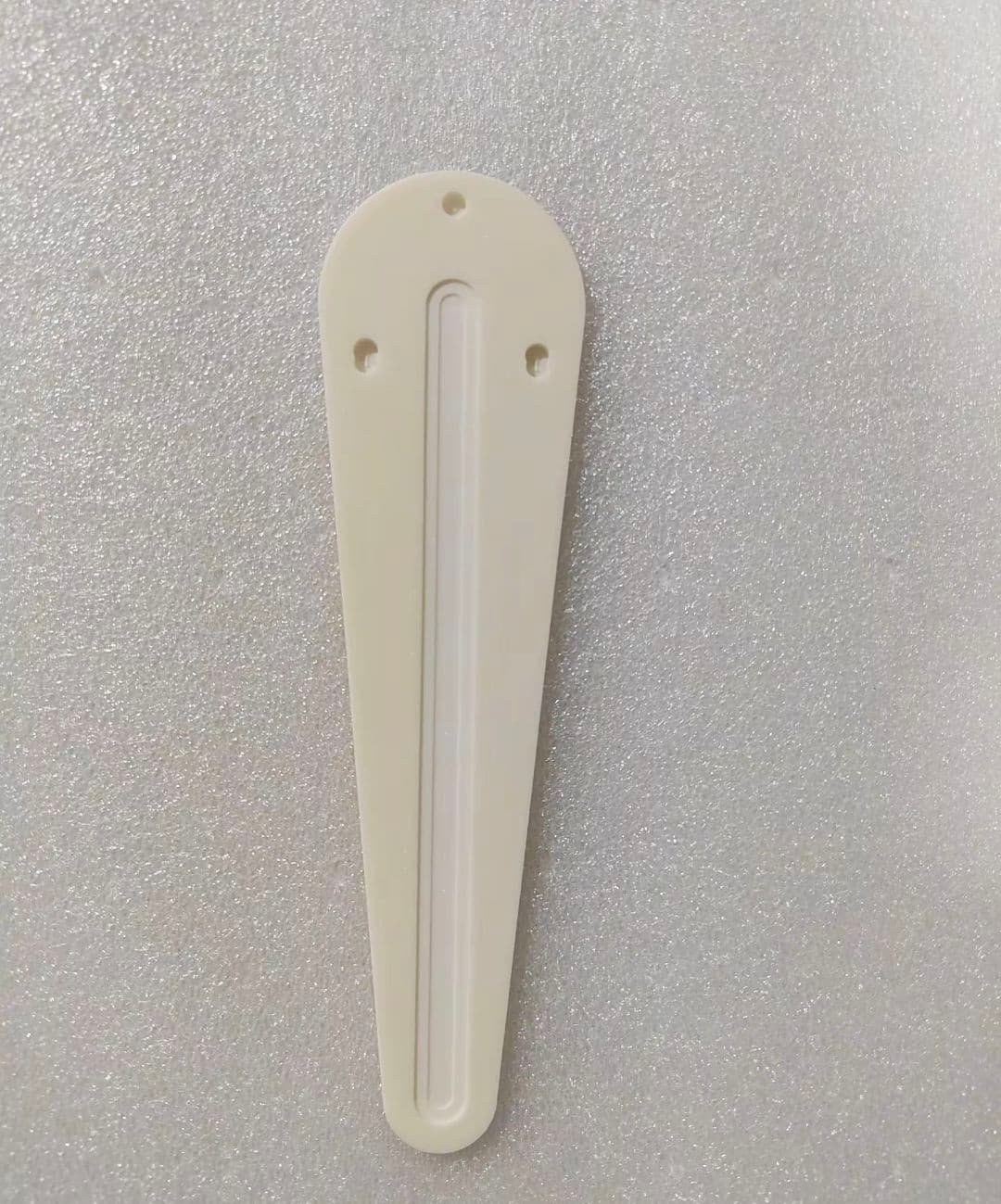
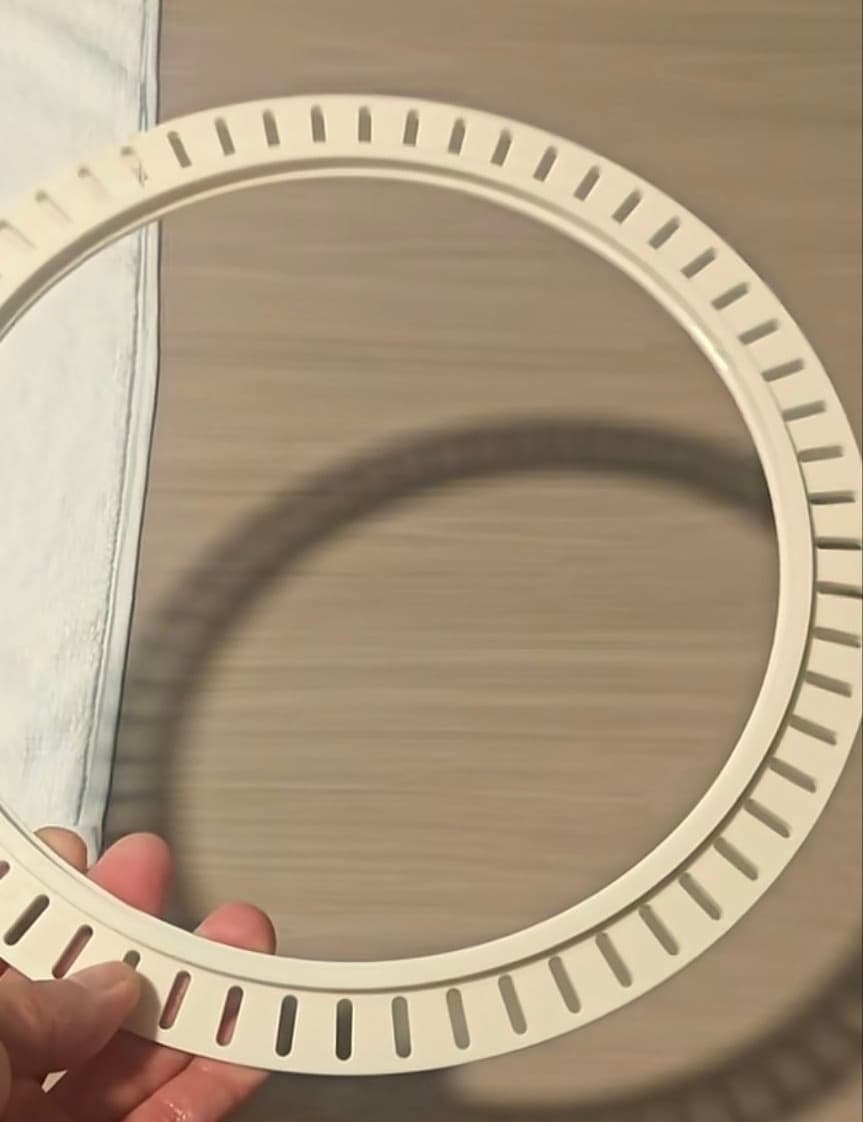
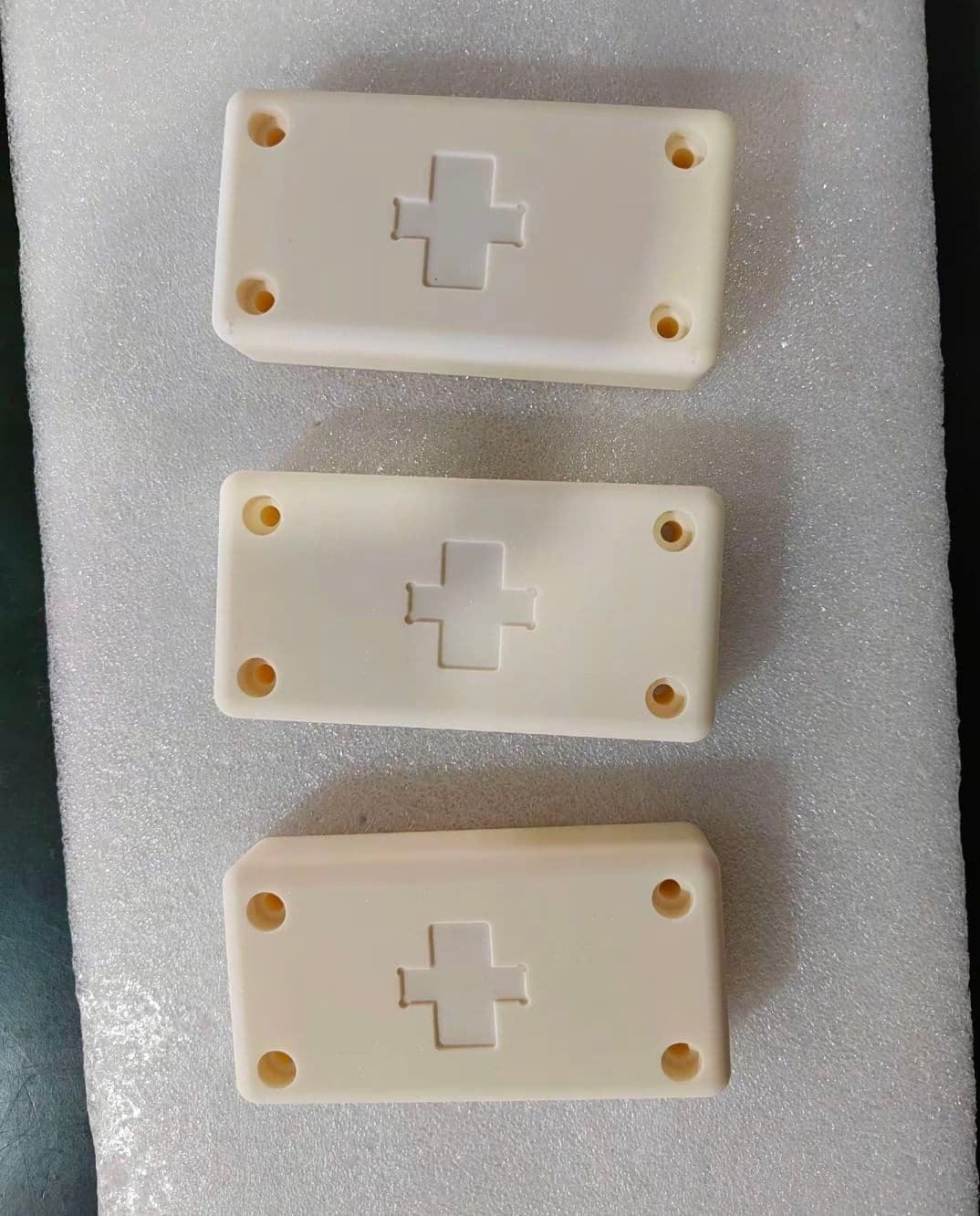
C-CERAMIC Manufacturing Capabilities
C-CERAMIC exists to help industrial teams turn demanding ceramic part requirements into production-ready components. Our ceramic manufacturing capabilities bring material and design review, mold making, forming, high-temperature sintering, machining, finishing and inspection into one coordinated engineering workflow.
From silicon carbide, zirconia, alumina and silicon nitride components to project-specific technical ceramic selections, we support prototypes, low-volume runs and scalable production. Our platform includes ceramic injection molding, precision grinding, lapping, CNC ceramic machining and final dimensional inspection for parts built around real operating conditions.
What differentiates C-CERAMIC is continuity from the first drawing through contract manufacturing. Engineering, process selection and finishing are aligned around the same component requirements, helping OEM, R&D and procurement teams source pins, seals, plates, tubes, nozzles and other custom ceramic parts with a clear path to production.
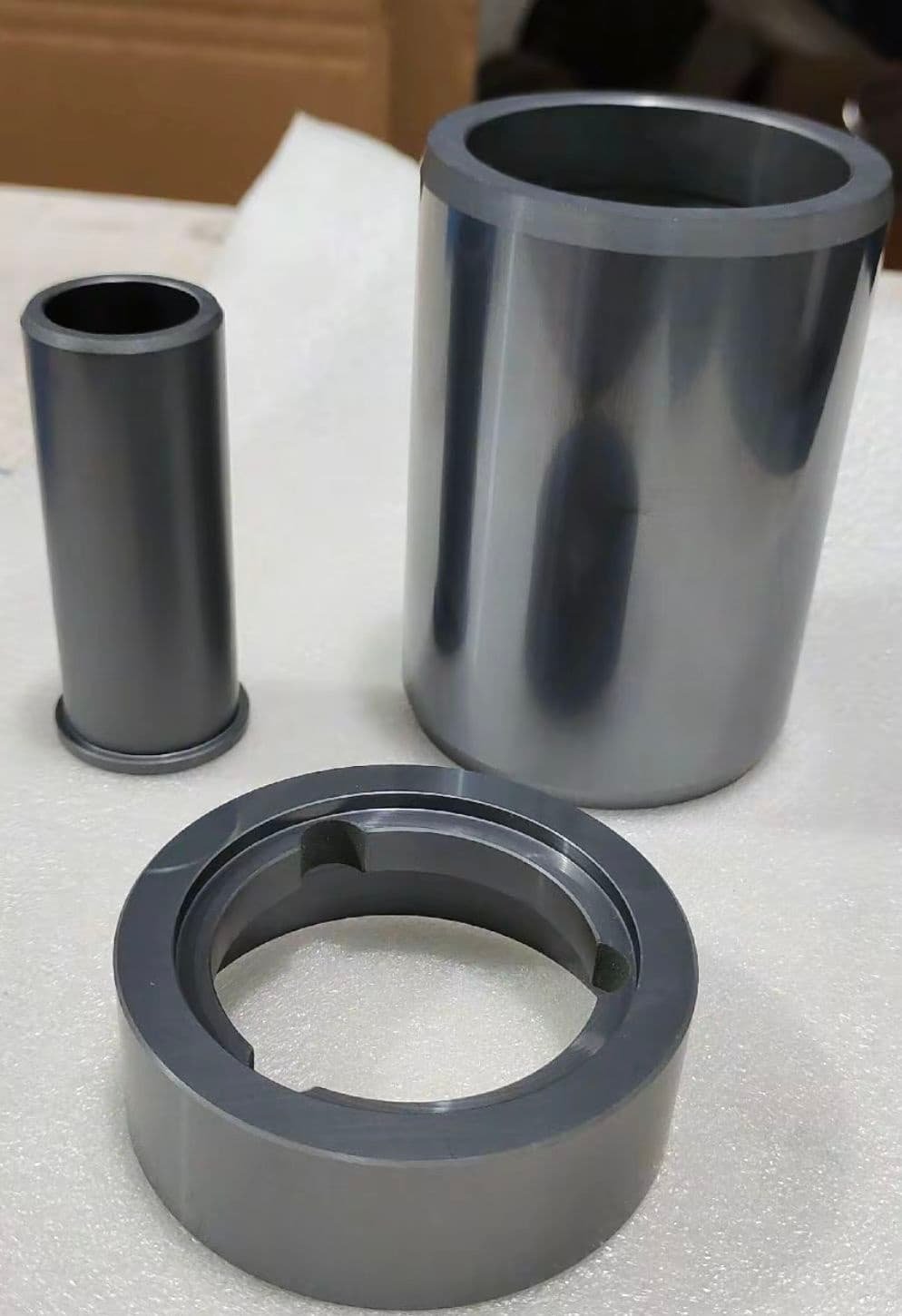
How to Source Advanced Ceramics for Chemical Industry Equipment
Define the Component and Chemical Duty
Start with the part’s job inside the chemical process, not simply its preferred ceramic. Identify whether it is a tube, nozzle, liner, seal, washer, pump component, piston, crucible, plate or drawing-based custom shape. Record the media, concentration or composition where relevant, temperature range, pressure, flow, solids content, cycling, contact time and cleaning conditions. Note whether the part is stationary, sliding, rotating, clamped or exposed to impact. Chemical compatibility is only one risk: brittle edges, thermal shock, leakage, wear, misalignment and unsupported spans may control the design. Mark sealing faces, bores, flow paths, mounting holes and surfaces that must remain clean or dimensionally stable. Separate functional requirements from preferences such as color, finish or material name. Include quantity, expected repeat frequency and whether a prototype is required. This information lets a supplier judge geometry, material family, forming route, post-sinter machining and inspection needs together. If the process chemistry is still changing, state the uncertainty and request a conditional material review rather than treating an unverified ceramic choice as approved.
Choose Materials and Compatible Interfaces
For chemical-process components, compare ceramic families against the complete environment and the way the part is supported. Alumina may be a candidate for many insulating, wear or fluid-contact geometries, but the relevant grade, porosity condition, temperature and media exposure still require review. Silicon carbide can be considered for selected wear, heat or corrosive duties; zirconia may deserve review where toughness and wear interfaces influence the design; silicon nitride can be assessed for demanding mechanical or thermal roles. These are engineering options, not automatic compatibility guarantees. Check the mating materials as carefully as the ceramic: differential thermal movement, clamping stress, galvanic or chemical interaction, seal compression, surface finish and contamination control can determine service life. Explain whether the part is bonded, brazed, mechanically retained, threaded, shrink-fitted or simply seated. Identify lubricants, cleaning agents and transient conditions, not only normal operation. Ask suppliers to state assumptions and unresolved risks in the quotation. If the media or grade is not fully documented, use conditional language and plan a representative compatibility or functional review before production approval.
Review Geometry and Manufacturing Routes
Ceramic geometry should be reviewed with forming, sintering and finishing in mind from the first quotation. Thin walls, deep bores, sharp internal corners, abrupt section changes, unsupported projections and closely spaced holes can increase distortion, cracking or machining risk. A formed route, including ceramic injection molding where appropriate, may suit repeatable complex parts, but tooling, shrinkage, wall sections, quantity and post-sinter finishing must be evaluated together. Machining-led production may provide flexibility for prototypes or lower volumes, while increasing material removal, time or feature-access considerations. Precision grinding and lapping can be appropriate for sealing faces, bores, seats and controlled interfaces, but the drawing should distinguish functional surfaces from general surfaces. Show datums, edge breaks, radii, flatness needs, runout and assembly clearances clearly. Request a manufacturability review that identifies where tolerances are realistic after firing and where inspection access is limited. For fluid-handling parts, include flow-path continuity, cleanability, dead spaces and wall support. Treat general ceramic imagery as illustrative only; the actual route must be confirmed against the supplied geometry and material.
Set Inspection and Acceptance Criteria
A chemical-process ceramic quotation is incomplete if acceptance is described only as “high quality.” Define the characteristics that protect function: overall dimensions, critical bores, sealing faces, flatness, concentricity, runout, hole position, edge condition, visible damage and any required surface condition. Establish datums and measurement locations on the drawing so supplier and buyer evaluate the same features. State whether inspection is required on every part, a sample, a first article or a prototype lot, and identify the report format needed for internal release. If density, porosity, composition, surface roughness or cleanliness matters, specify the applicable requirement or ask for a feasibility review rather than inventing a limit. Ceramic parts can be sensitive to chipping and handling damage, so packaging and incoming inspection should also be considered. For seals, pumps, nozzles and flow components, define the functional checks that are genuinely necessary, such as fit, leakage assessment or flow-path inspection, without assuming a supplier can guarantee a result not included in the scope. Agree how nonconformance, rework, replacement and drawing changes will be handled before production starts.
Compare Prototype and Production Quotations
Compare quotations by separating one-time development work from recurring part cost. For a prototype or low-volume build, ask what is included in design review, material review, tooling, setup, machining, finishing, inspection and protective packing. For repeat production, ask how the approved route changes, which tooling is reusable, how quantities affect the process choice and what assumptions support any volume-based pricing. Do not compare only a unit price: a cheaper catalog shape may require redesign, secondary machining, additional inspection or an interface change in your assembly. Check whether the quoted material is a defined ceramic family or a project-specific grade still awaiting review. Confirm which dimensions, surfaces and reports are included, and identify exclusions such as testing, special cleaning or functional validation. Lead time, minimum quantity and capacity are not published by C-CERAMIC, so request current project-specific confirmation rather than relying on generic promises. Ask for separate options where a formed route and machining-led route are both feasible. This makes the tradeoff between tooling investment, geometry freedom, validation effort and repeatability visible to procurement and engineering.
Prepare a Complete RFQ and Qualification Plan
A strong RFQ gives the supplier enough information to identify technical risk before discussing commercial terms. Attach the latest drawing or model, revision status, material preference, process media, operating range, quantity by phase, annual demand if known, critical dimensions, surface requirements, interfaces, packaging needs and inspection expectations. Mark confidential chemistry clearly and describe any compatibility concern that cannot be disclosed in full. Ask the supplier to return assumptions, proposed material options, manufacturing route, tooling needs, likely process risks, inspection scope and information still required. Separate prototype acceptance from production acceptance so an early part is not mistaken for a fully qualified repeat route. Include questions about shrinkage control, post-sinter machining, edge protection, traceability within the agreed documentation scope and change notification. Qualification may include dimensional review, assembly fit, representative functional checks or controlled process exposure, but the correct plan depends on the equipment and duty. C-CERAMIC can review the inquiry through its material, forming, sintering, machining, finishing and inspection workflow. Final feasibility, quantities, lead times, minimum order requirements and documentation should be confirmed in writing for the specific project.