
Engineered Ceramic Plates and Discs for Demanding Assemblies
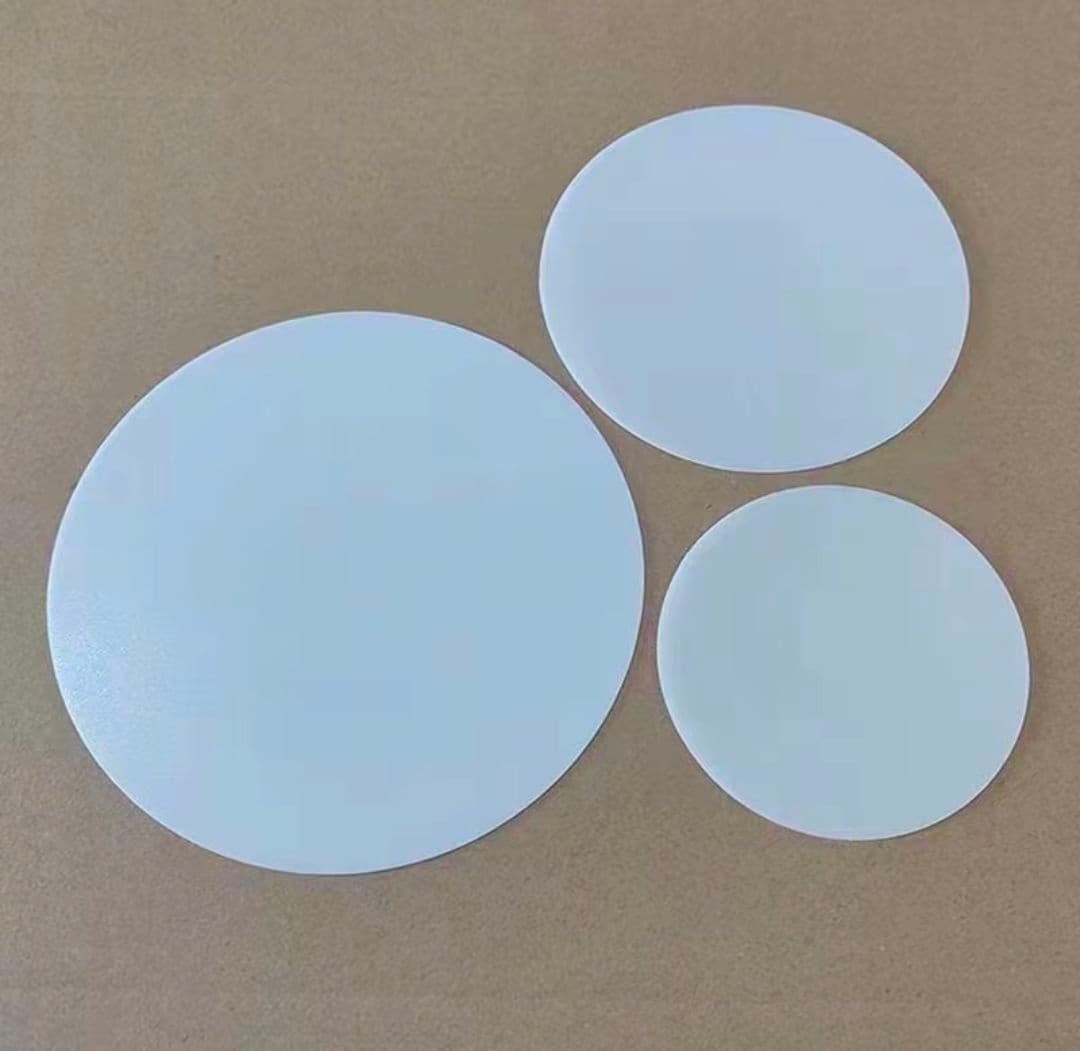
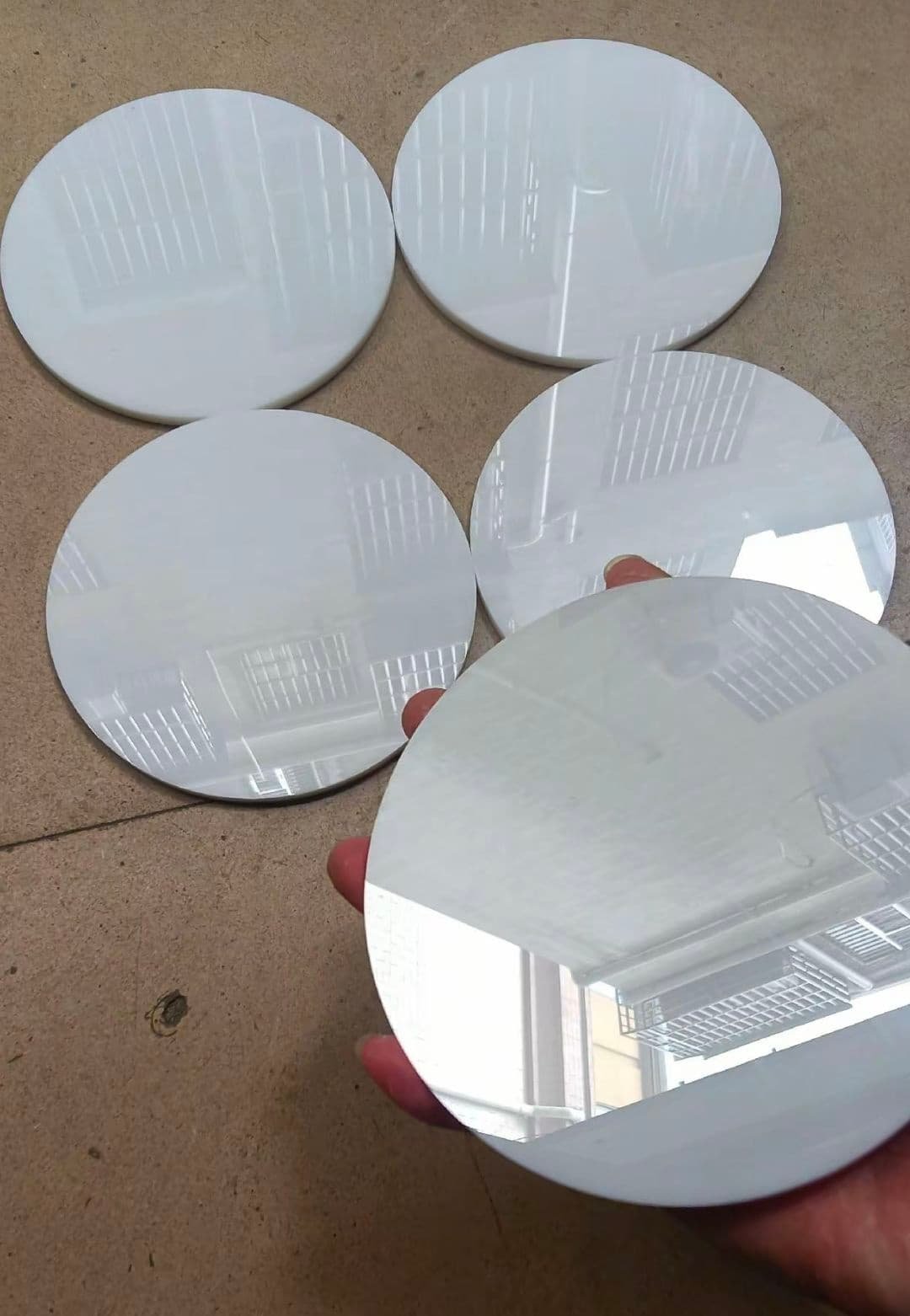
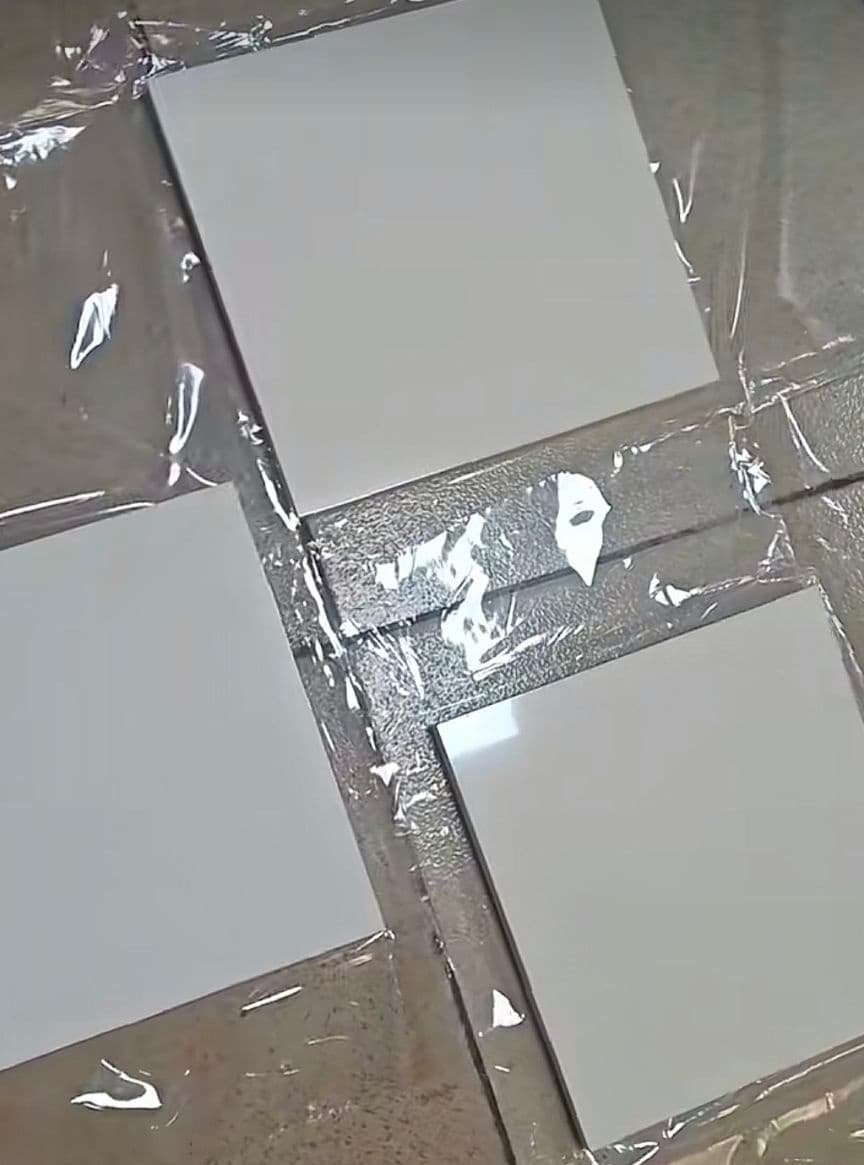
Ceramic Plates, Discs
C-CERAMIC Manufacturing Capabilities
C-CERAMIC exists to help industrial teams turn demanding ceramic part requirements into production-ready components. Our ceramic manufacturing capabilities bring material and design review, mold making, forming, high-temperature sintering, machining, finishing and inspection into one coordinated engineering workflow.
From silicon carbide, zirconia, alumina and silicon nitride components to project-specific technical ceramic selections, we support prototypes, low-volume runs and scalable production. Our platform includes ceramic injection molding, precision grinding, lapping, CNC ceramic machining and final dimensional inspection for parts built around real operating conditions.
What differentiates C-CERAMIC is continuity from the first drawing through contract manufacturing. Engineering, process selection and finishing are aligned around the same component requirements, helping OEM, R&D and procurement teams source pins, seals, plates, tubes, nozzles and other custom ceramic parts with a clear path to production.
How to Source Ceramic Plates and Discs With Lower Project Risk
Define the Plate or Disc and Operating Duty
Begin with the plate or disc’s actual function rather than its material label. State whether it supports, spaces, insulates, seals, shields, guides, wears against another surface, contacts a process fluid or experiences thermal cycling. Record diameter or overall envelope, thickness, holes, slots, steps, recesses, edge treatments, mounting method and mating-part materials. Identify loads, clamping forces, friction, impact, vibration and any bending risk, because thin ceramic sections and sharp transitions require careful review. Add temperature range, dwell time, heating and cooling rates, atmosphere, vacuum or pressure conditions, chemical media, cleaning method and expected service cycles. For semiconductor or laboratory equipment, describe contamination-sensitive surfaces and handling controls without assuming a compliance guarantee. For chemical or machinery duties, identify the media and contact mechanism clearly. Separate critical characteristics from reference dimensions. This lets a supplier review whether a plate should be formed, machined, ground or lapped, and whether a material comparison is needed. Include annual demand, batch size, prototype quantity and intended change history. A complete duty description reduces unsuitable material recommendations and makes feasibility feedback more specific.
Choose Materials and Compatible Interfaces
For ceramic plates and discs, material selection should connect the service environment to the interface design. Alumina may be reviewed where electrical insulation, wear, corrosion or temperature resistance are relevant. Silicon carbide may be considered for demanding wear, corrosion, thermal or high-temperature duties. Zirconia can be compared where toughness, wear behavior and dimensional requirements influence the design. Silicon nitride may be reviewed for combinations of thermal exposure, mechanical loading, wear and stability. These are engineering options, not automatic performance guarantees; grade, microstructure, finish and process route still require project review. Check compatibility with fasteners, metallic clamps, adhesives, seals, coatings and adjacent ceramics. Differences in thermal expansion can create stress during heating or cooling, especially around holes and restrained edges. Define whether surfaces will slide, seal, contact a wafer or workpiece, support a load, or face a corrosive medium. State whether porosity, permeability, particle generation or cleanability matters. If a thermal or electrical function is important, specify the operating condition and measurement basis rather than relying on a generic material name. Ask for the proposed grade, condition, finish and evidence relevant to your acceptance plan.
Review Geometry and Manufacturing Routes
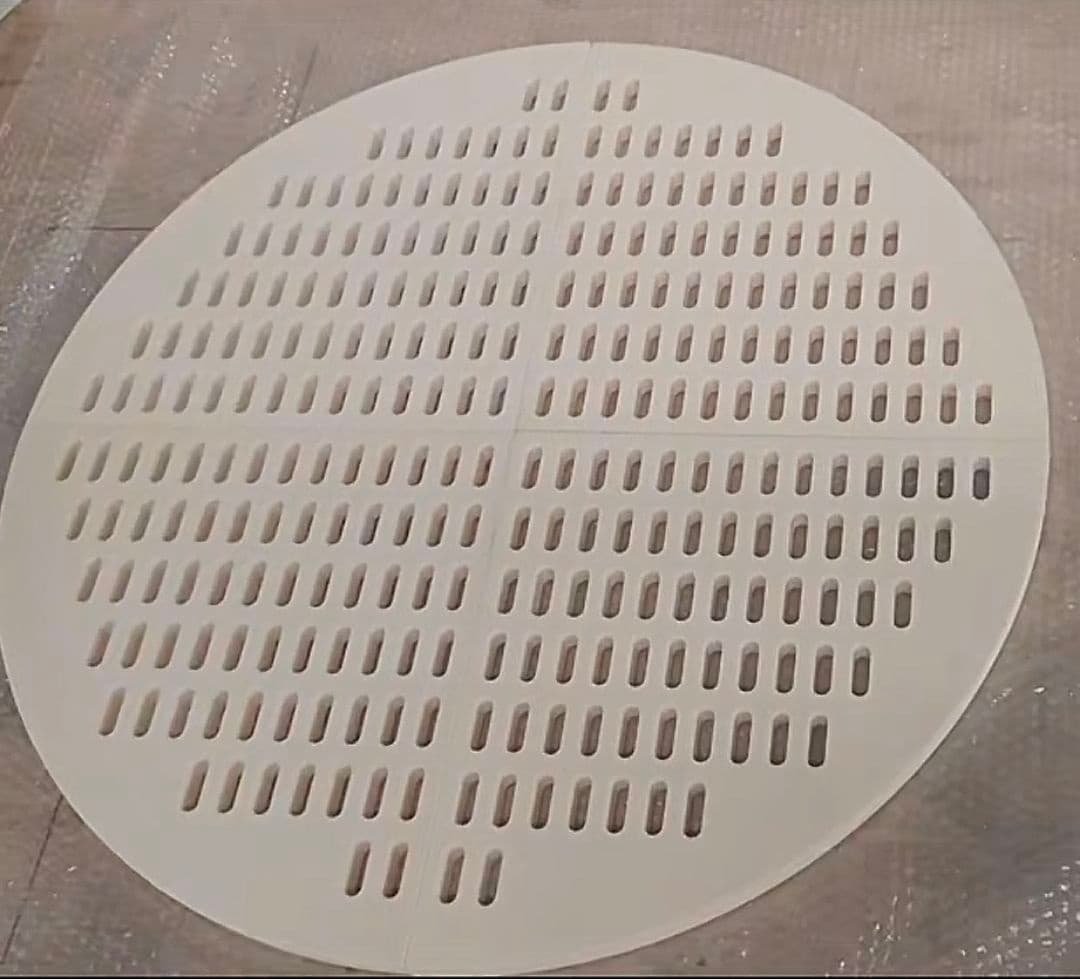
Plate and disc geometry should be reviewed with the full ceramic route in mind. Forming can be efficient for repeat shapes, but shrinkage during sintering affects dimensions and may create distortion risk. Ceramic injection molding may be considered for smaller, more intricate parts when forecast quantity supports tooling and when wall sections, gates, features and finishing access are practical. Pressing or another forming approach may suit simpler geometry, subject to feasibility review. CNC machining, grinding and lapping can be evaluated after sintering for holes, slots, recesses, thickness, flatness, parallelism and functional surfaces. The drawing should distinguish formed dimensions from post-sinter finished dimensions and identify datum features that remain accessible. Avoid unnecessary sharp internal corners, abrupt thickness changes and unsupported thin areas unless the function requires them. Edge chamfers or radii should be specified where handling or assembly makes chipping a concern. For discs with a central hole or bolt pattern, review clamping load, edge distance and thermal restraint. Ask how prototype quantities will be produced and whether the prototype route represents production behavior. Compare tooling, machining, finishing, yield risk and expected volume together; the lowest initial unit price is not necessarily the lowest project cost.
Set Inspection and Acceptance Criteria
A useful acceptance plan for ceramic plates and discs starts with the features that control assembly or service. Identify datums and define how diameter, thickness, hole position, flatness, parallelism, concentricity, perpendicularity and edge condition will be assessed. Surface roughness or visual finish should be specified only where it affects sealing, sliding, contact, contamination control or handling. Clarify whether chips, cracks, warpage, discoloration, inclusions or surface marks are unacceptable, conditionally acceptable or subject to review. If the plate carries a load or faces thermal cycling, state what evidence is required to evaluate the relevant risk; do not substitute a generic material certificate for functional qualification. Agree sampling, inspection frequency, measurement method, gauge capability and report format before production. Confirm whether inspection occurs before or after cleaning, coating, assembly or packaging. For formed parts, discuss shrinkage and dimensional trend monitoring. For ground or lapped surfaces, define reference locations and measurement direction. Request representative inspection records for prototype or first articles when appropriate, while keeping acceptance criteria drawing-led. A clear plan prevents disputes over what “precision,” “flat” or “finished” means and helps the supplier quote inspection effort accurately.
Compare Prototype and Production Quotations
Compare quotations by separating one-time development work from recurring part cost. For ceramic plates and discs, ask whether the price includes material review, mold or tooling development, forming, debinding if applicable, sintering, machining, grinding, lapping, cleaning, inspection and protected packing. Clarify which route is assumed for prototypes and whether it will change for repeat production. A prototype made by machining a blank may answer fit questions but may not represent shrinkage, warpage or surface behavior from a formed process. Ask for assumptions about quantity, batch size, yield, allowable substitutions, drawing revision and inspection scope. Tooling ownership, revision charges and storage responsibilities should be stated separately. Check whether holes, slots, flatness, parallelism and surface finish are included or treated as optional operations. Lead time and minimum order quantity are not published for C-CERAMIC and should be confirmed after technical review rather than assumed. Do not compare a low price that excludes finishing or inspection with a complete quotation. Request feasibility comments where a tolerance, thin section, edge condition or material choice remains unverified. The best comparison shows technical scope, commercial assumptions and risks side by side so procurement can make an informed decision.
Prepare a Complete RFQ and Qualification Plan
A strong RFQ lets the supplier assess ceramic plate or disc feasibility without reconstructing the application. Include the latest drawing revision, 3D model where useful, material preference or performance objective, annual demand, order quantity, prototype quantity, target schedule and destination. Mark critical dimensions, datums, flatness, parallelism, hole locations, surface finish, edge condition and any prohibited defects. Describe temperature, cycling, atmosphere, pressure, vacuum, chemical exposure, loading, contact materials, cleaning and installation method. State whether the part is a structural support, insulator, wear surface, process-contact component or thermal element. Ask the supplier to identify the proposed material grade, forming method, sintering assumptions, post-sinter operations and inspection evidence. Request separate pricing for prototypes, tooling and repeat production where relevant, without asking the supplier to promise unverified capacity or delivery. Define sample approval, first-article expectations, change notification and nonconformance handling. A qualification plan may include drawing review, prototype inspection, assembly fit checks and application-specific testing agreed by the project team. Keep regulatory or industry claims limited to documented requirements. This package gives C-CERAMIC the information needed to return a more useful engineering review and quotation.