
Ceramic Tubes and Sleeves
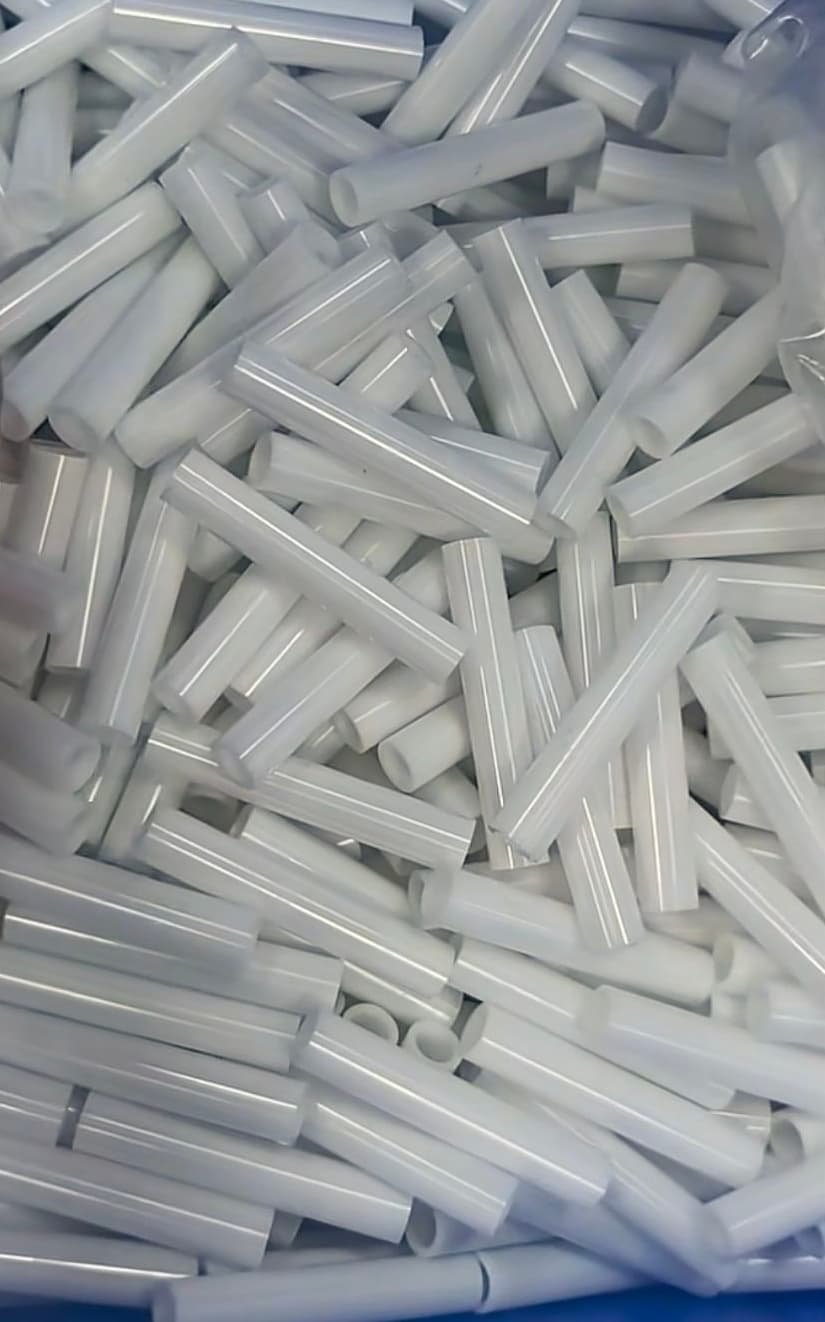
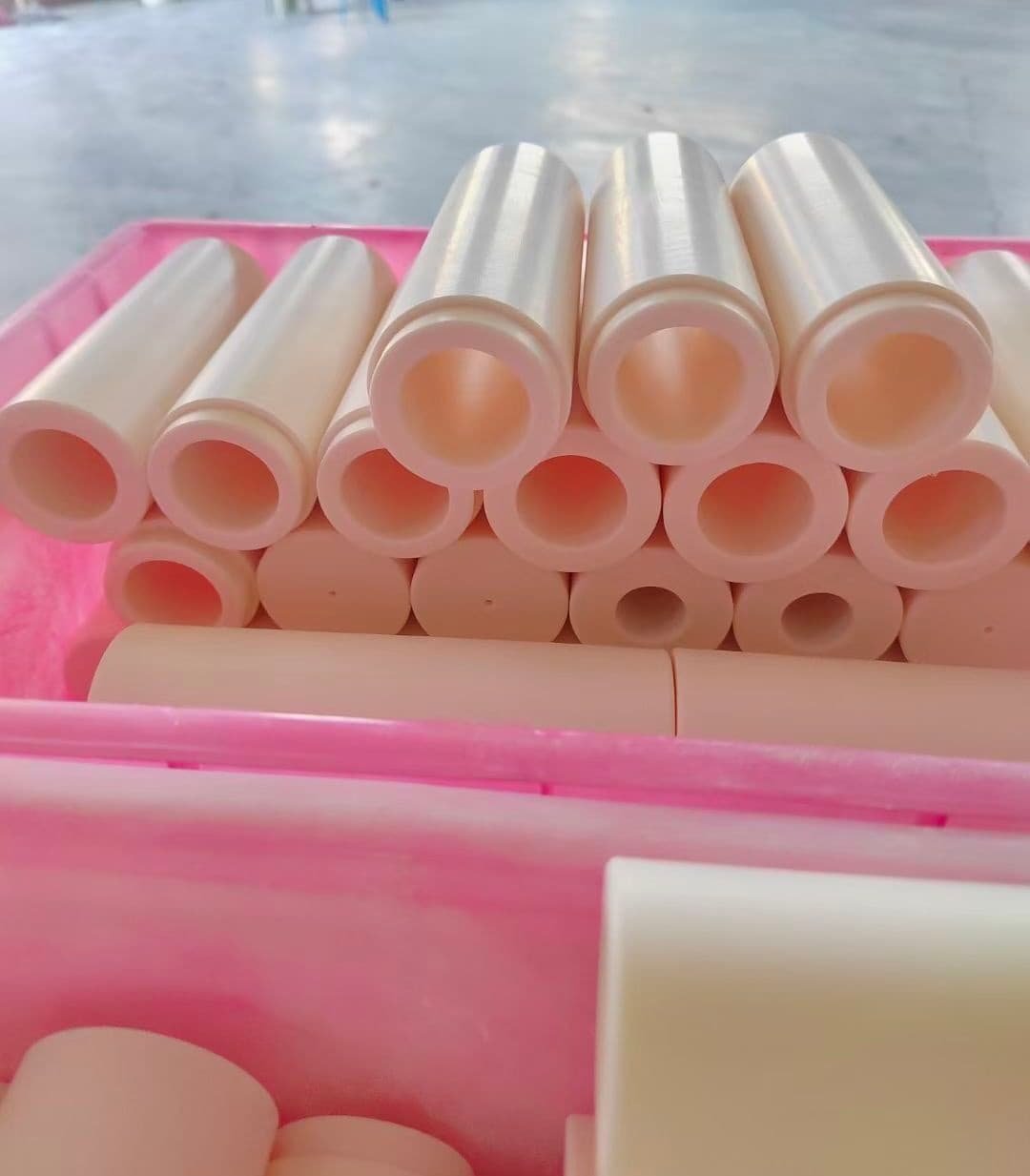
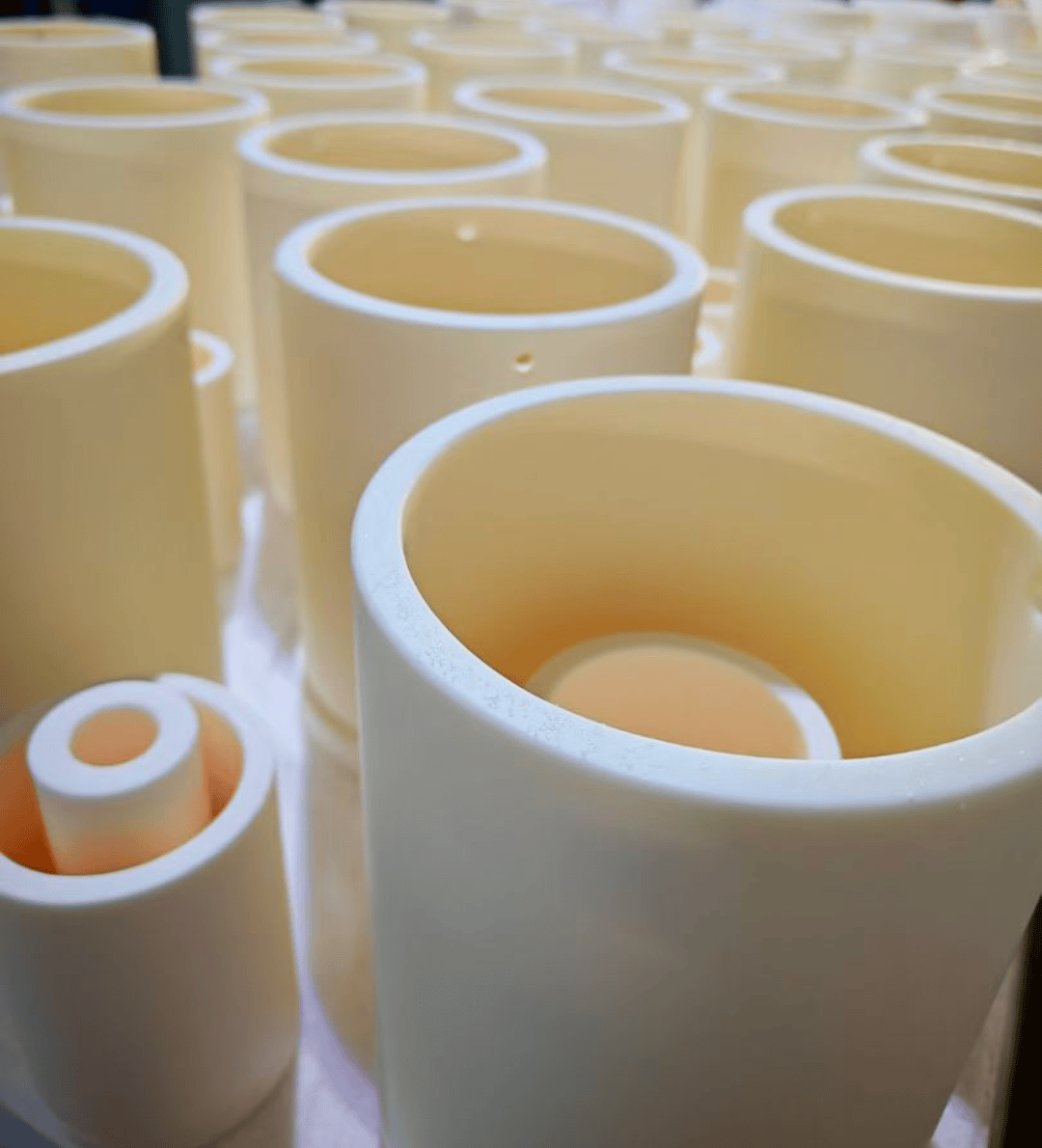
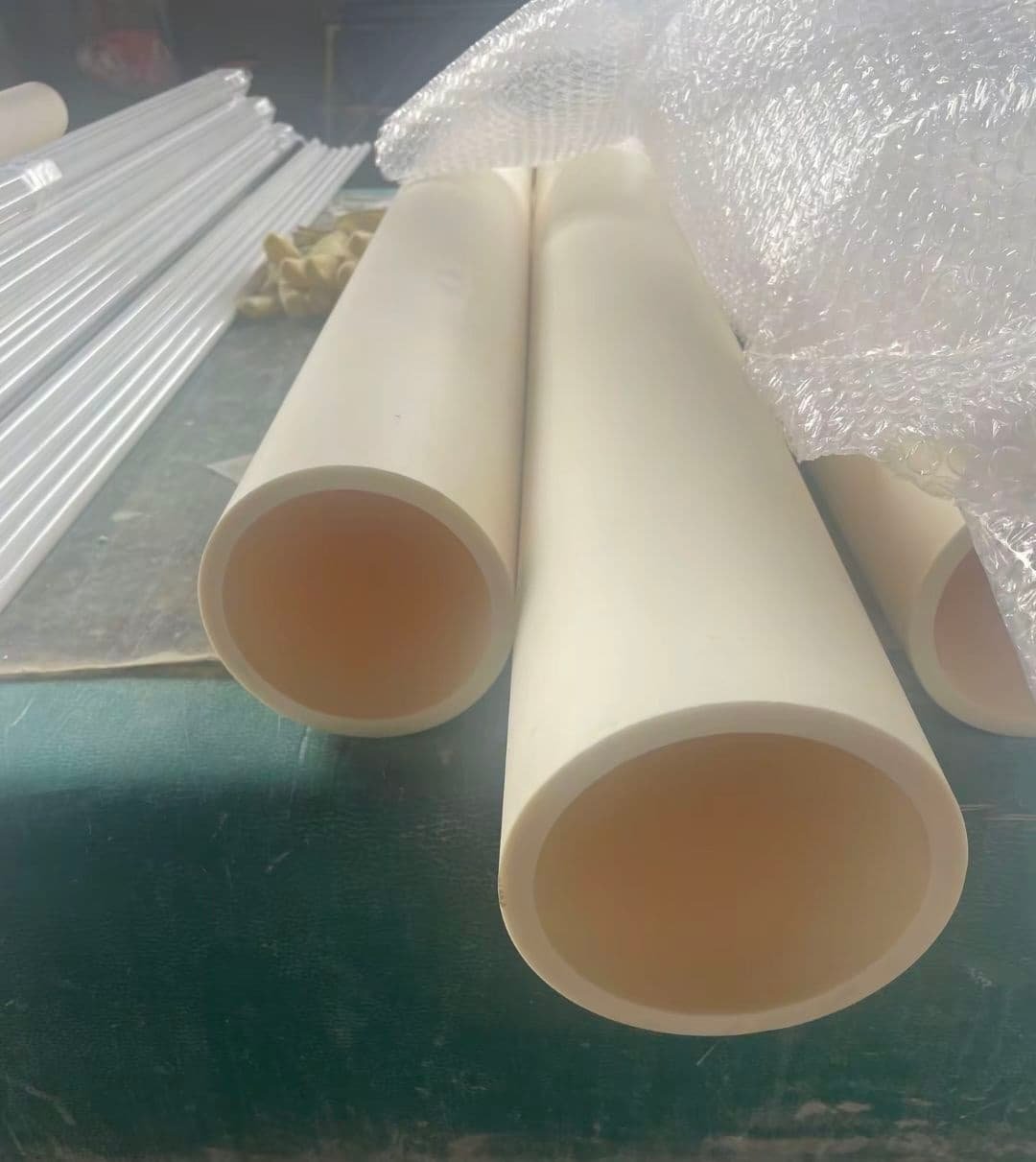
Ceramic Tubes Around the Working Environment
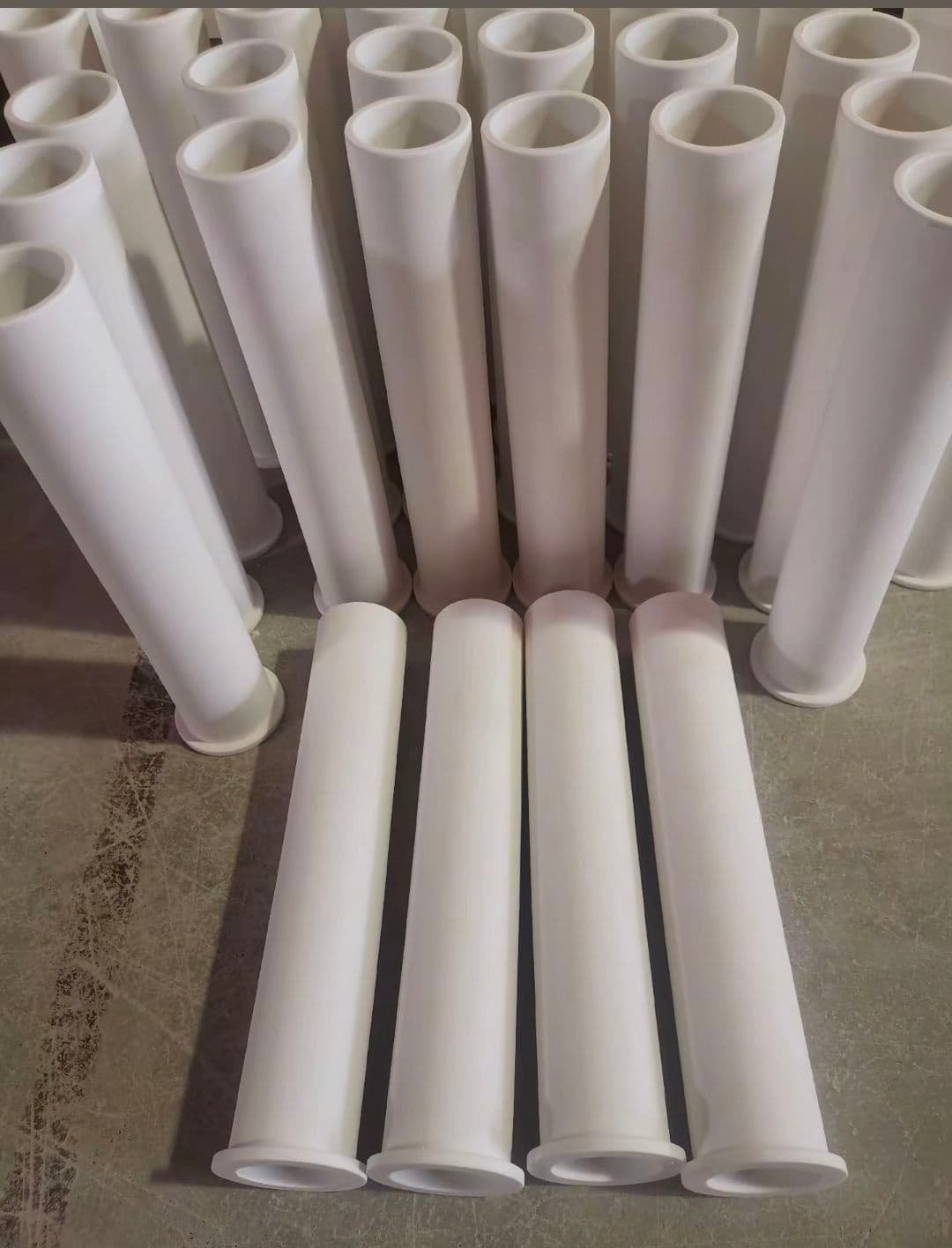
Chemical Processing
Tube and sleeve designs for chemical systems require media, concentration, temperature, pressure, flow, wear and cleaning conditions to be stated before material selection.
- Aggressive-media compatibility review
- Bore, nozzle, seal and flange interfaces
- Repeatability checked against agreed acceptance criteria
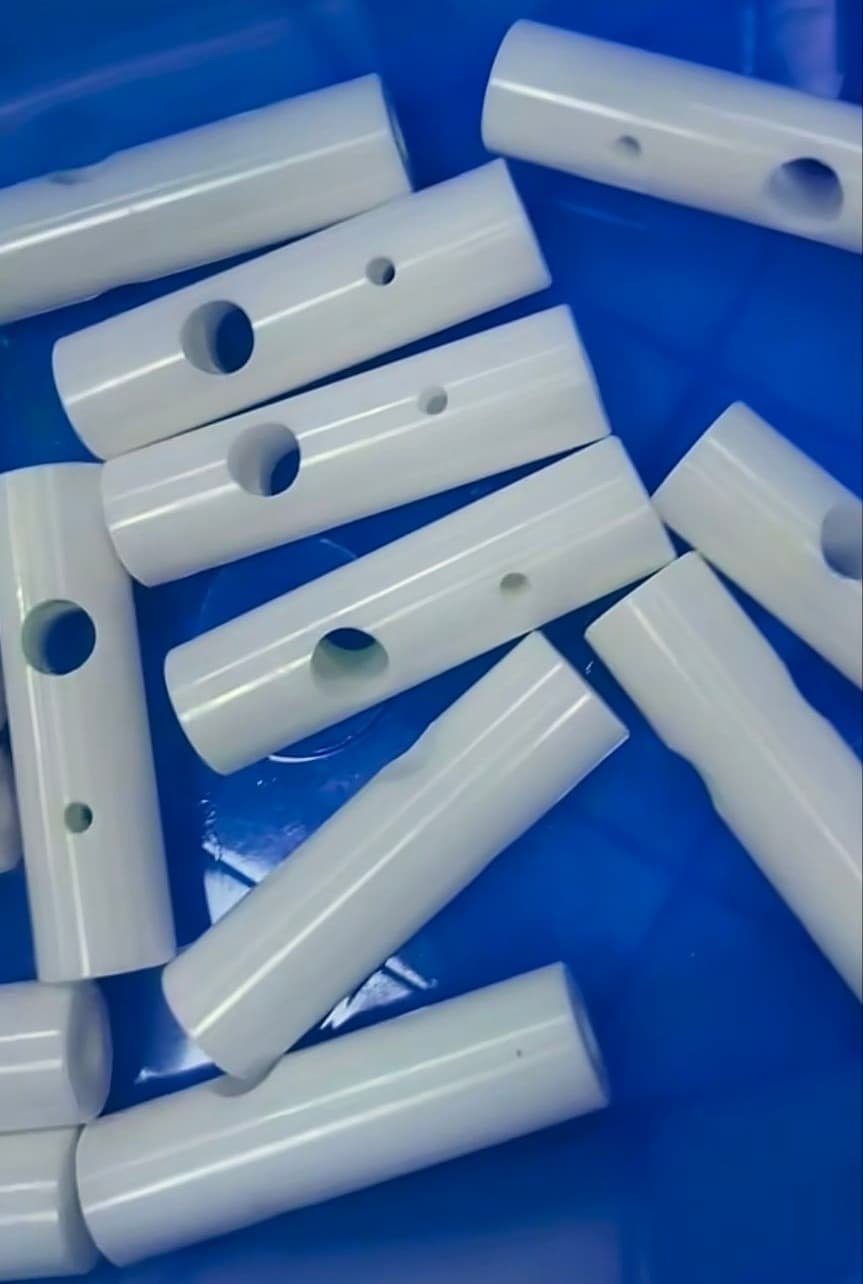
Industrial Machinery
Sleeves and tubes used around motion, guides, shafts or abrasive contact require review of fit, friction, loading, alignment and accessible finishing surfaces.
- Wear and contact interfaces reviewed early
- Machining, grinding and lapping assessed
- Inspection matched to assembly-critical features
A Practical Guide to Sourcing Ceramic Tubes and Sleeves
Define Tube Geometry and Operating Duty
Begin with the tube or sleeve’s function, not simply its outside diameter. State whether it protects a sensor, separates components, guides a shaft, carries or contacts a fluid, supports insulation, resists wear, or forms part of a thermal process. Identify bore diameter, outside diameter, wall thickness, length, open or closed ends, shoulders, steps, grooves, holes, slots, threads, flanges and any asymmetric features. Mark assembly datums and indicate which surfaces contact seals, shafts, fittings or supports. Operating information should include temperature range, heating and cooling cycle, pressure or vacuum, chemical media, concentration, flow, abrasive particles, mechanical loading and cleaning method. Note whether the tube sees impact during installation or differential expansion against metal hardware. Also state annual quantity, batch pattern and whether the design is still changing. These details let a supplier judge thin-wall and distortion risk, choose a realistic forming or machining route, and identify where a prototype is needed. A quotation based only on a silhouette can miss the features that control cost, fit and service risk.
Choose Materials and Compatible Interfaces
Compare ceramic families against the complete duty and interface system. Alumina may be reviewed for insulating, protective or chemically exposed tubes; silicon carbide may be considered for demanding wear, thermal or chemical environments; zirconia may be relevant where toughness, fit or wear behavior matters; and silicon nitride may be reviewed for selected thermal or mechanical duties. These are starting points, not automatic approvals. Ask how the proposed grade, porosity condition, finish and firing route relate to your application. Chemical compatibility must be considered with the actual media, concentration, temperature and exposure time; do not rely on a broad acid or alkali label. Check differential expansion between ceramic and mating metal, glass, graphite, polymer or seal materials. A rigid mounting arrangement can create stress during heating even when the ceramic itself is suitable. Define whether the bore must remain clean, whether particles are unacceptable, and whether the surface contacts a moving or sealing part. Include end loading, clamping force and installation clearance in the RFQ. If the final material is undecided, request a conditional comparison with assumptions, risks and tests required before release.
Review Geometry and Manufacturing Routes
Tube geometry strongly influences the manufacturing route. Straight, uniform walls may be assessed through conventional forming methods, while repeat complex shapes may justify mold development or ceramic injection molding after quantity and tooling exposure are reviewed. Long slender tubes, thin walls, closed ends, sharp transitions and uneven sections can increase shrinkage, warpage, cracking or handling risk. Ask the supplier to identify recommended radii, draft, wall transitions and machining allowances rather than silently altering the drawing. Sintering develops the fired ceramic body, so the design must account for shrinkage and possible distortion before final dimensions are achieved. Post-sinter CNC machining, grinding or lapping may be evaluated for bores, end faces, shoulders, grooves, holes and sealing surfaces. Feature access and wall support matter; a nominally simple hole may be difficult if it is deep, angled or close to an edge. Separate cosmetic surfaces from functional surfaces and state which defects are unacceptable. For prototypes, a machining-led route may reduce tooling commitment; for repeat production, a formed route may be considered if geometry and quantity support it. Request the proposed process sequence and the features each stage is expected to control.
Set Inspection and Acceptance Criteria
A useful ceramic tube inspection plan begins with functionally important dimensions. Identify datum references and define how bore diameter, outside diameter, wall thickness, length, concentricity, straightness, end squareness, steps, grooves, holes and flange features will be checked. If the tube mates with a seal, shaft or fitting, specify the related fit and surface requirements rather than relying on a general tolerance block. State whether roughness, flatness, chipping, cracks, pits, discoloration or visible inclusions are relevant, and distinguish a rejection criterion from an appearance preference. Ask what measurement method is practical for the geometry and where inspection access is limited. Deep bores and thin walls may require a different method from accessible external surfaces. If the part is used in a chemically sensitive or clean process, define cleaning, packaging and handling expectations without assuming a compliance guarantee. For prototypes, agree which dimensions and functional checks must be reported before design changes. For repeat supply, establish sampling, traceability and nonconformance handling appropriate to the program. The supplier should confirm what evidence is available, what is customer-supplied, and which requirements remain subject to feasibility review before quotation.
Compare Prototype and Production Quotations
Compare quotations by the route and assumptions behind the number, not by unit price alone. For a prototype ceramic tube or sleeve, check whether the price includes design review, temporary tooling, material preparation, forming, sintering, machining, finishing, inspection, packaging and any sample report. Ask which features are being held by forming and which require post-sinter operations. For repeat production, separate one-time tooling or mold charges from recurring part cost and identify the quantity basis used for the quotation. Confirm whether the proposed material is a firm selection or a conditional recommendation. Review stated assumptions for annual volume, batch size, drawing revision, acceptable surface condition, inspection scope and packing. A lower-cost route may use a standard shape with fewer custom features, while a more involved route may reduce assembly risk through better control of a bore, end face or interface. Consider tooling ownership, revision policy, minimum order expectations, resampling after changes and how nonconforming parts are handled. Lead time and capacity should be confirmed for the specific project rather than inferred from general capability statements. A useful comparison shows the risks, exclusions and evidence included in each offer.
Prepare a Complete RFQ and Qualification Plan
A complete RFQ should let the supplier evaluate both the ceramic component and the production decision. Attach the latest drawing, model, revision, quantity by phase, forecast demand and intended application. Mark critical dimensions, datums, functional surfaces, allowable edge condition and any prohibited defects. Describe temperature, cycling, chemistry, pressure, vacuum, wear, loading, mating materials, installation method and cleaning. State candidate materials or ask for a conditional material comparison when selection is open. Request the proposed forming, sintering, machining and finishing sequence, along with expected shrinkage or geometry risks. Define prototype objectives and acceptance checks before asking for production pricing. For qualification, identify sample quantity, dimensional reports, material evidence, visual criteria, packaging review and any application-specific tests your team will conduct. Do not request undocumented certifications or performance values as assumptions; ask the supplier to identify available evidence and gaps. Confirm tooling treatment, drawing-change control, repeat-order review, minimum order considerations and delivery planning after technical approval. The best inquiry makes unanswered questions visible. It gives engineering, quality and procurement a common basis for deciding whether the proposed tube or sleeve route is feasible, inspectable and commercially workable.