
Semiconductor Ceramics for Drawing-Led Equipment Components
Semiconductor Ceramic Forms for Equipment Design
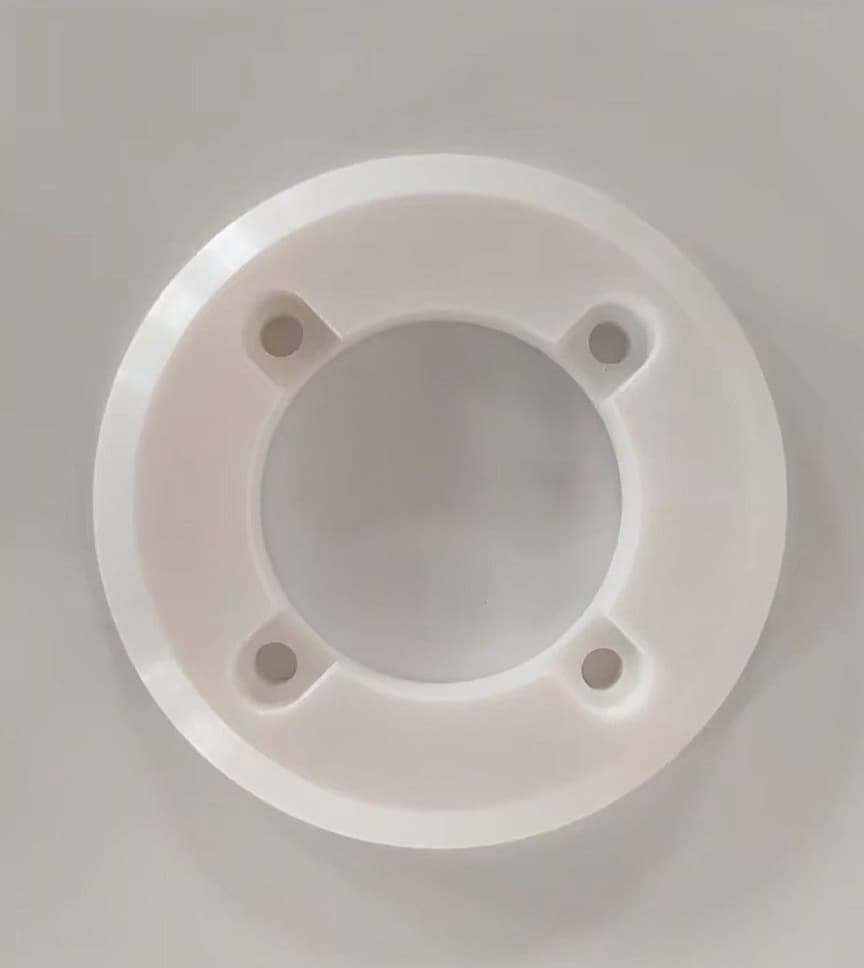
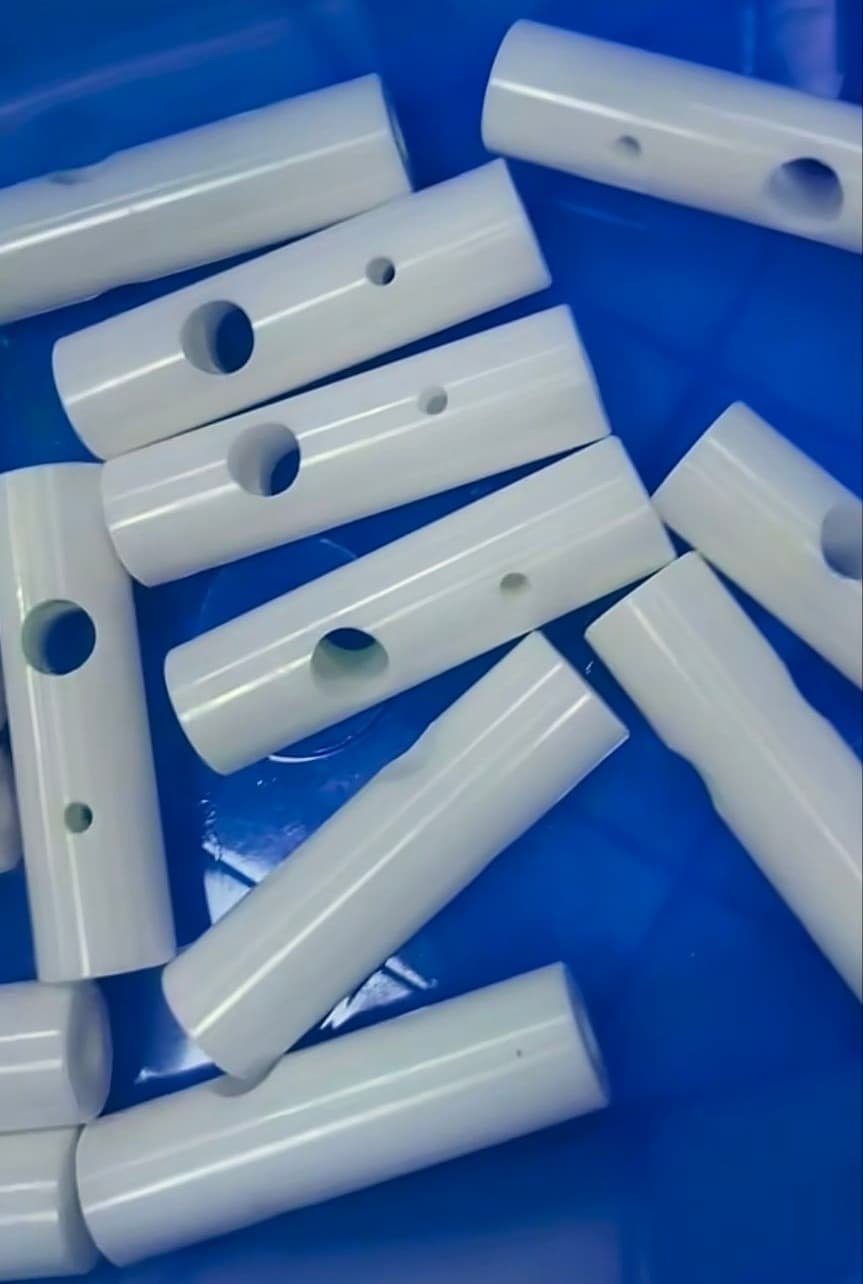
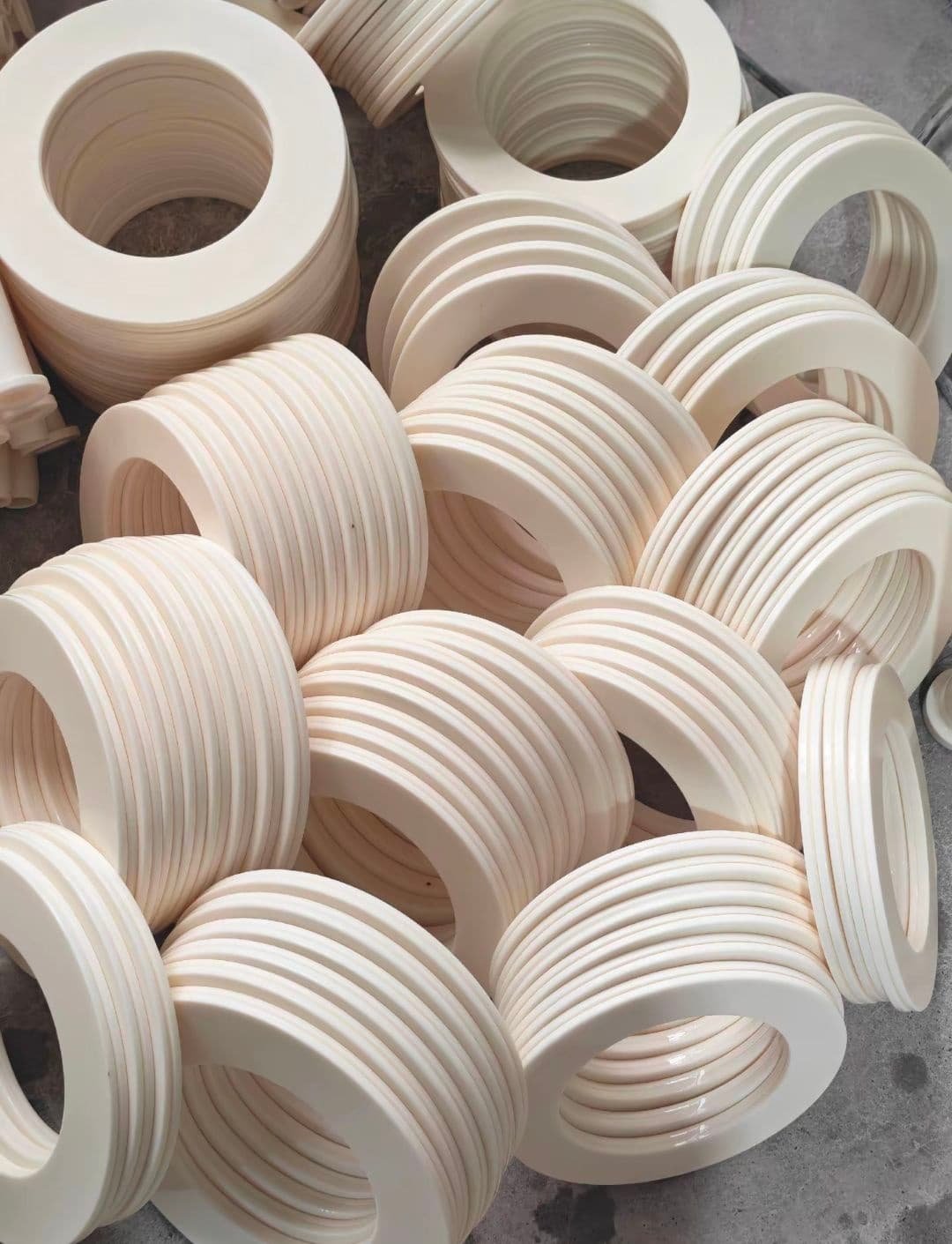
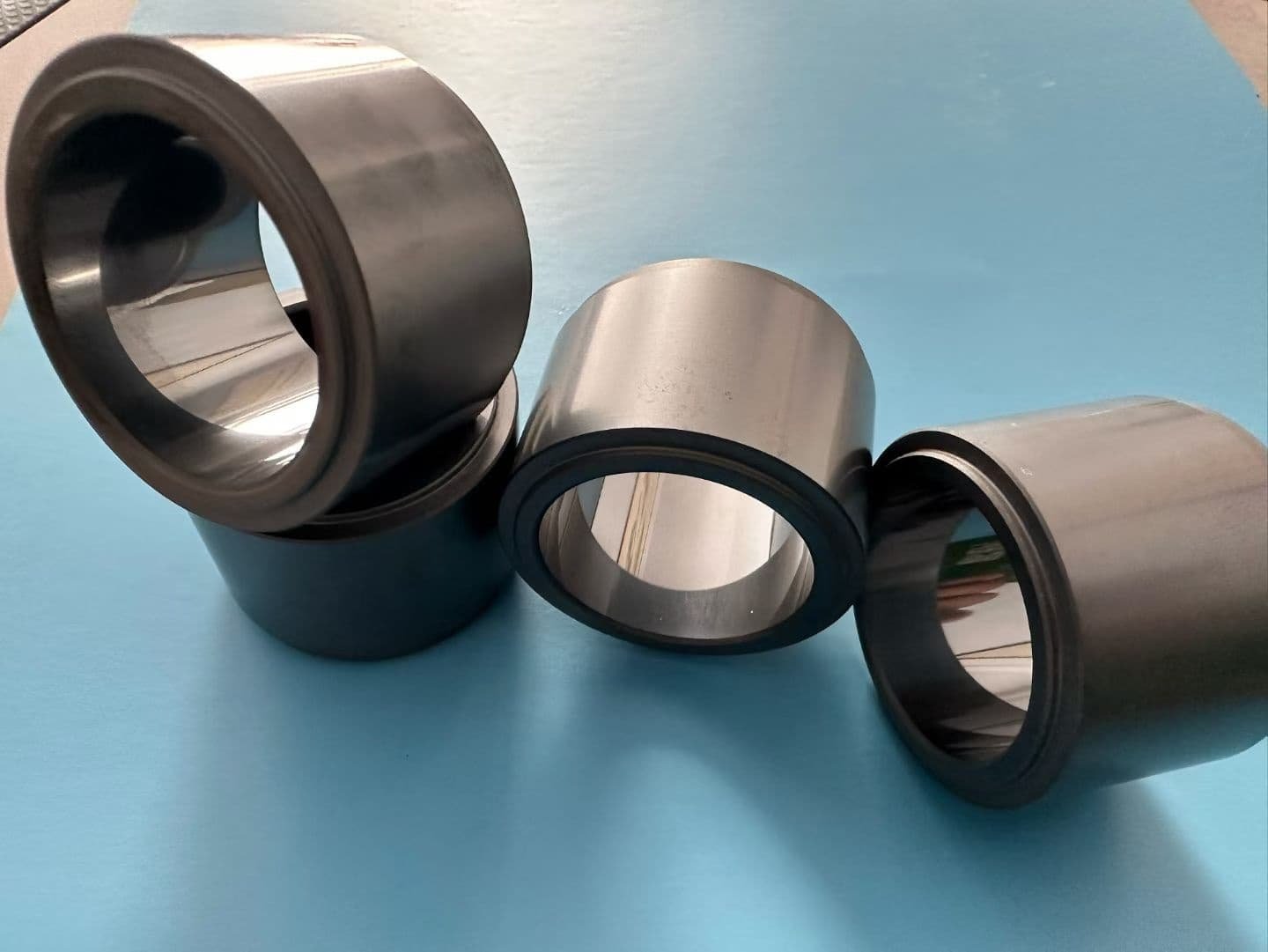
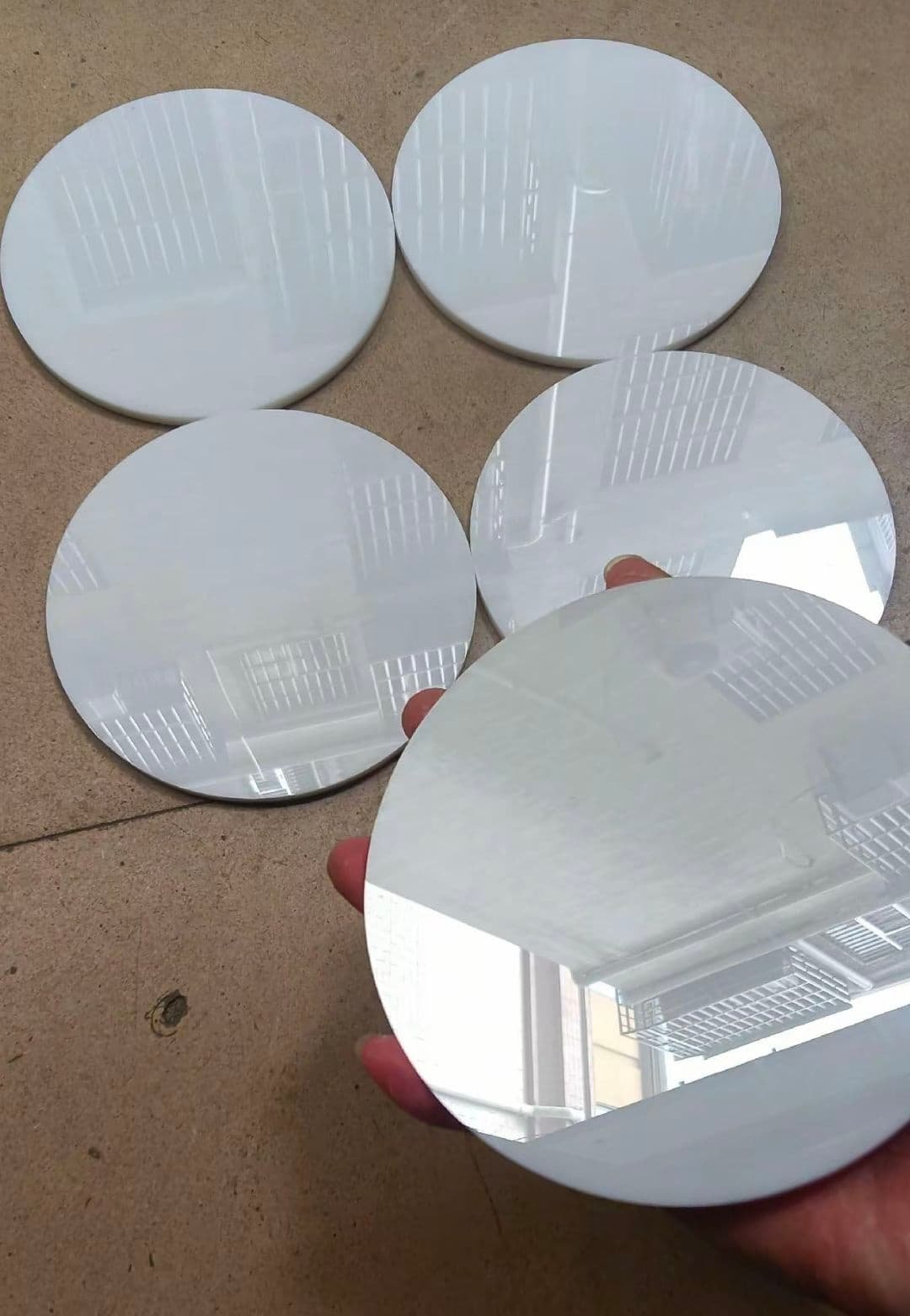
Semiconductor Ceramic Components Built Around Equipment Duty
Precision Machinery
Pins, shafts, guides, sleeves, plates and wear components can be assessed for semiconductor machinery assemblies. Review contact loads, motion, clearances, edge protection, alignment, surface finish and inspection access before selecting material or process.
- Motion and wear interfaces reviewed early
- Machining, grinding and lapping considered
- Assembly-critical features linked to inspection
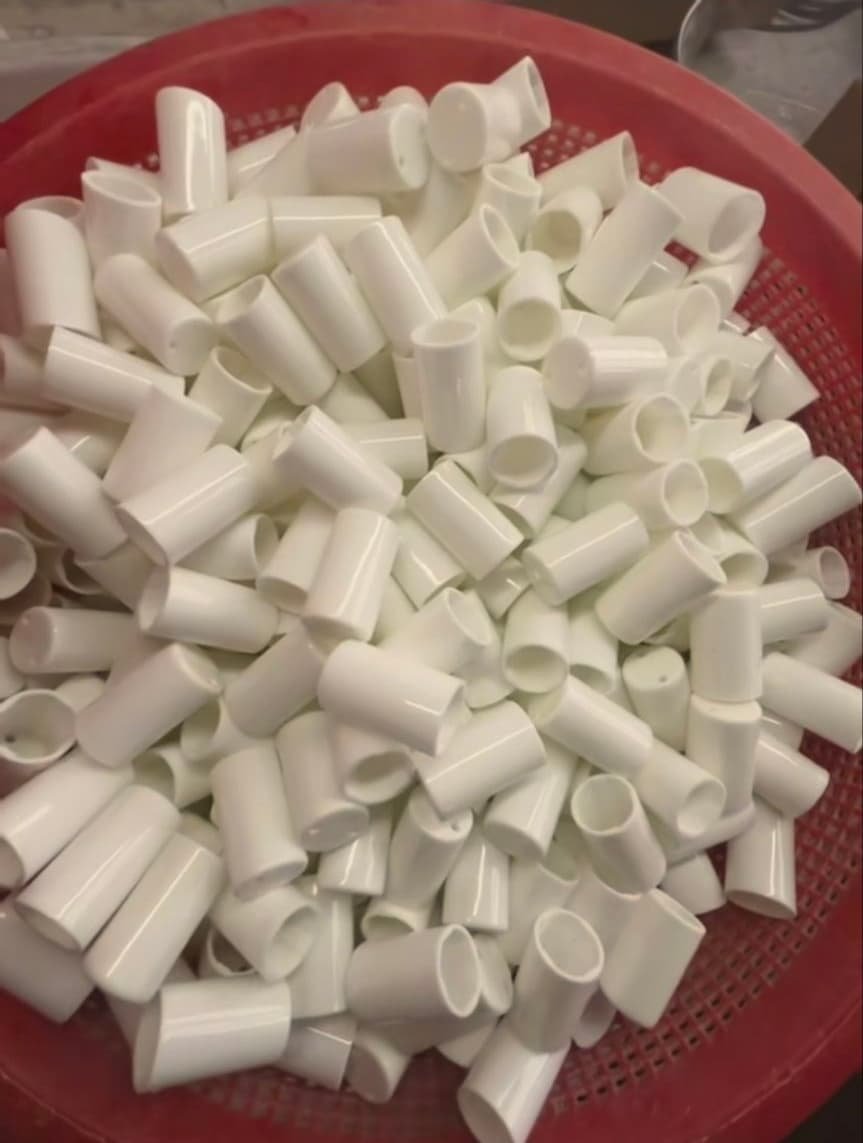
Sourcing Semiconductor Ceramics for Equipment Projects
Define the Equipment Part and Process Duty
Start with the component’s role inside the semiconductor equipment: insulation, positioning, handling, spacing, fluid or gas direction, thermal support, wear contact or another defined function. Record where the part sits in the assembly, which surfaces mate with metal or ceramic, whether it is exposed to vacuum, process gas, cleaning chemistry, heat or cycling, and how it is handled during maintenance. Include the duty cycle rather than only a maximum label. Note contamination-sensitive surfaces, contact restrictions, edge risks and any requirement for a defined cleaning state, without assuming a compliance guarantee. Mark every dimension that affects alignment, clearance, sealing, wafer or substrate handling, or replacement. Identify the expected inspection stage, handling method and any interfaces that cannot tolerate contact. If the design is preliminary, identify assumptions and questions separately from released requirements. This information lets a supplier assess alumina or another ceramic family against actual use, identify geometry risks and explain which characteristics need prototype validation before a production quotation.
Select the Material and Check Interfaces
Alumina is a logical material to review for many semiconductor equipment insulation and structural functions, but the selection should remain application-led. Compare the proposed ceramic family with electrical role, process temperature, thermal gradients, chemical and cleaning exposure, wear contact, fracture sensitivity and required surface condition. Ask for the proposed material designation and relevant process assumptions rather than accepting a broad label such as technical ceramic. Check every interface: threaded or clamped areas, metal contact, sliding faces, seals, fasteners, adhesives, heaters and neighboring parts. Differential expansion, local loading, point contact and trapped particles can influence the design even when the ceramic body itself appears suitable. Define whether the supplier is evaluating silicon carbide, zirconia or silicon nitride as alternatives, and request the tradeoffs rather than a generic performance claim. For surfaces entering a controlled equipment area, specify the cleaning method, handling expectation and evidence required. Final suitability remains subject to drawing review, material availability and project-level process validation.
Match Geometry to Forming and Finishing
Review the geometry before choosing a manufacturing route. Semiconductor ceramic parts may include thin plates, rings, tubes, pins, discs, insulators, nozzles or custom blocks, and each form creates different risks during forming, drying, sintering and finishing. Mark wall sections, deep holes, blind features, slots, internal corners, sharp edges, unsupported spans and areas where a tool or grinding wheel cannot reach. Ask how shrinkage will be managed and where machining allowance will be placed. Ceramic injection molding can be considered for suitable repeat geometries, while other parts may be better assessed through forming followed by sintering and precision grinding or lapping. CNC ceramic machining after firing may support selected features, but access and chipping risk need review. For prototypes, clarify whether the proposed method represents production geometry and material behavior or only confirms fit. A useful quotation separates tooling, forming, sintering, post-sinter machining and finishing assumptions. It should also identify design changes that could reduce risk without changing the equipment function.
Define Inspection and Acceptance Evidence
Acceptance criteria should be written around the features that control equipment performance. Identify datums, mounting faces, hole location, thickness, flatness, parallelism, concentricity, edge condition, surface finish and any critical visual condition directly on the drawing. State how ceramic chips, cracks, warpage, discoloration or embedded debris are treated, because a vague visual requirement can produce different interpretations. For each characteristic, define the measurement method or ask the supplier to recommend one based on feature access. Clarify whether inspection covers every part, a sample, a first article or a final report, and which records must accompany shipment. If the component enters a contamination-sensitive process, define the required cleaning and packaging expectations without assuming an unverified compliance claim. Material identification, process records or dimensional reports may be relevant, but request only evidence that supports your actual release decision. A supplier should explain inspection limitations for formed, sintered and ground surfaces. Agree the acceptance plan before production so critical features are not discovered late, after tooling or batch manufacture has already begun.
Compare Prototype and Production Quotations
Compare quotations by separating what proves the design from what supports repeat supply. A prototype quote should identify the proposed material, method, quantity, drawing revision, critical features, inspection scope and any route that differs from production. A production quote should state tooling assumptions, forming method, sintering considerations, finishing operations, expected quantity basis and the evidence included at release. Check whether setup, mold development, machining fixtures, special packing or inspection are included or excluded. Avoid comparing only unit price: a lower apparent cost may reflect a stock geometry that requires redesign, fewer inspected features or unpriced secondary operations. Ask how design changes affect tooling and whether the supplier can support low-volume work while the equipment is being qualified. Lead time, minimum order quantity and capacity are not published here, so request project-specific confirmation rather than relying on general assumptions. Also ask which risks remain open, such as shrinkage, thin sections, surface condition or interface fit. The best comparison makes technical scope, commercial assumptions and validation work visible in the same table.
Prepare a Complete RFQ and Qualification Plan
A complete RFQ should include the latest drawing revision, model, quantity by phase, target annual demand if known, preferred material, application duty, mating-part information, packaging expectations and required documentation. List critical dimensions and rank them by function so the supplier can focus review on alignment, sealing, insulation, handling or process exposure. Request a proposed manufacturing route and identify whether feasibility is confirmed or remains conditional. Include questions about tooling ownership, prototype-to-production continuity, inspection access, surface finishing, material substitution and change notification. For qualification, define what the first parts must demonstrate and who will approve fit, function, cleanliness, surface condition and dimensional evidence. Separate mandatory requirements from preferences; this helps the supplier suggest a practical route without silently changing the design intent. Ask for project-specific MOQ, lead-time estimate and production scope because these facts are not published. If the application has regulatory or controlled-environment implications, provide the exact evidence required and do not infer a guarantee from a general industry statement. A disciplined RFQ turns a ceramic inquiry into an engineering review with clear quotation boundaries.