
Technical Ceramic Component
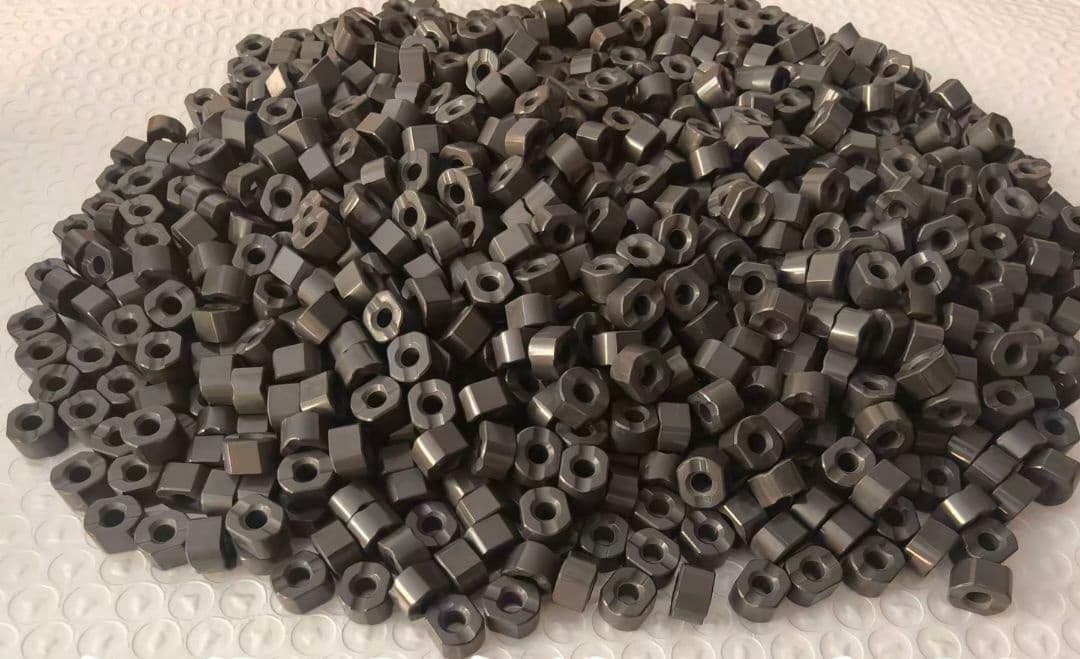
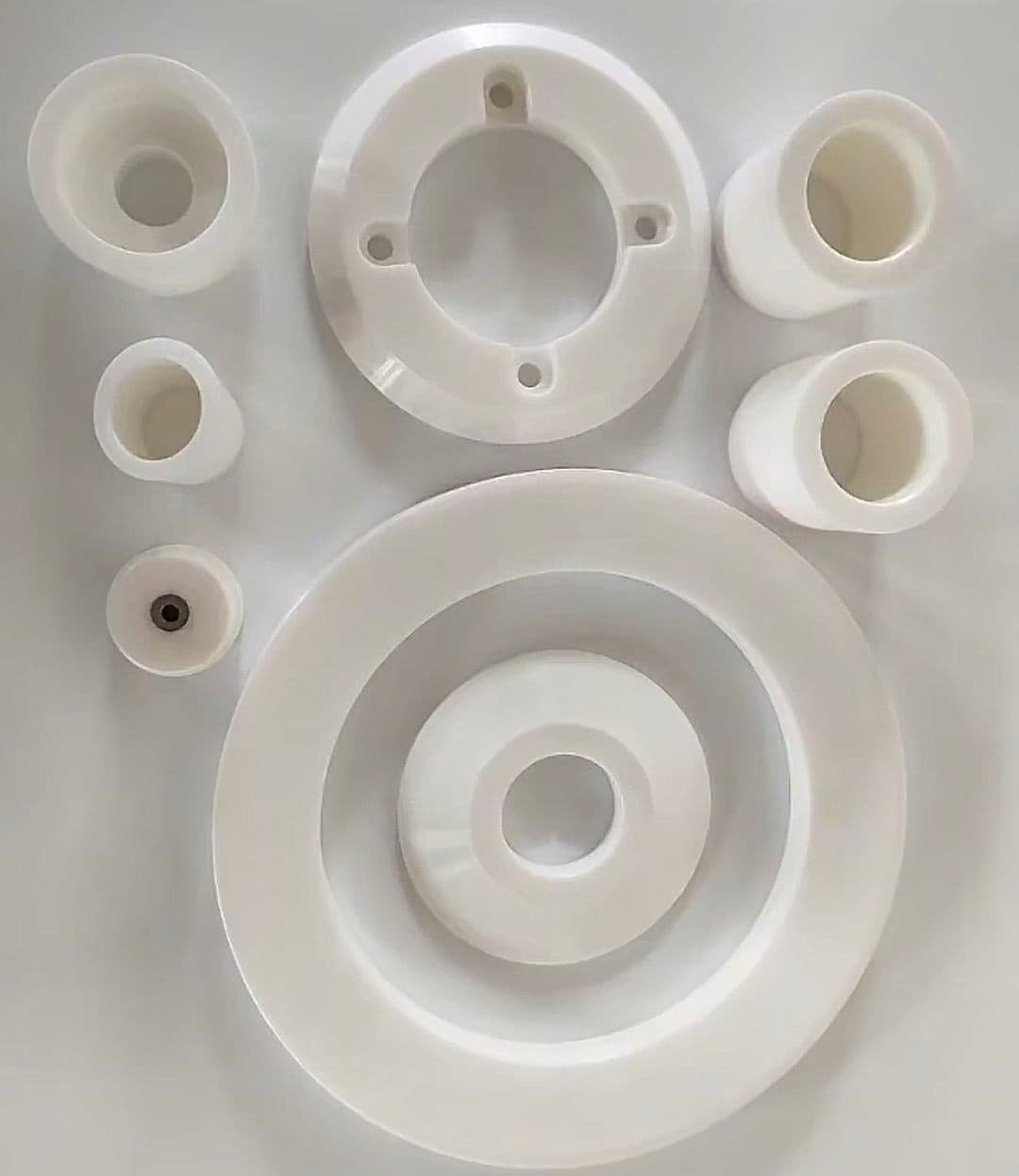
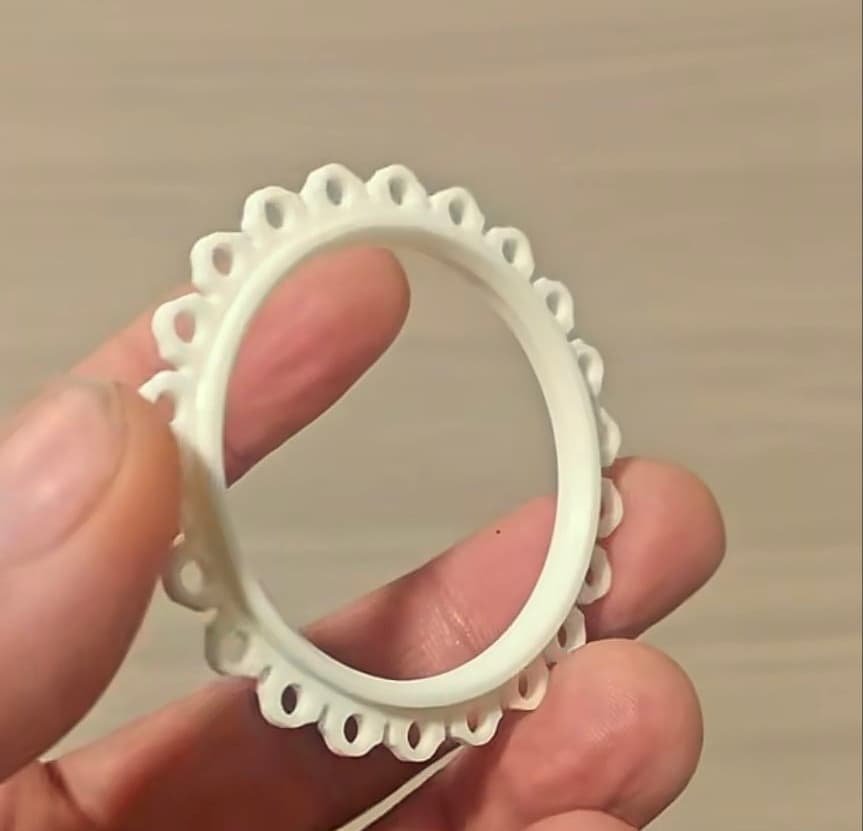
C-CERAMIC Manufacturing Capabilities
C-CERAMIC exists to help industrial teams turn demanding ceramic part requirements into production-ready components. Our ceramic manufacturing capabilities bring material and design review, mold making, forming, high-temperature sintering, machining, finishing and inspection into one coordinated engineering workflow.
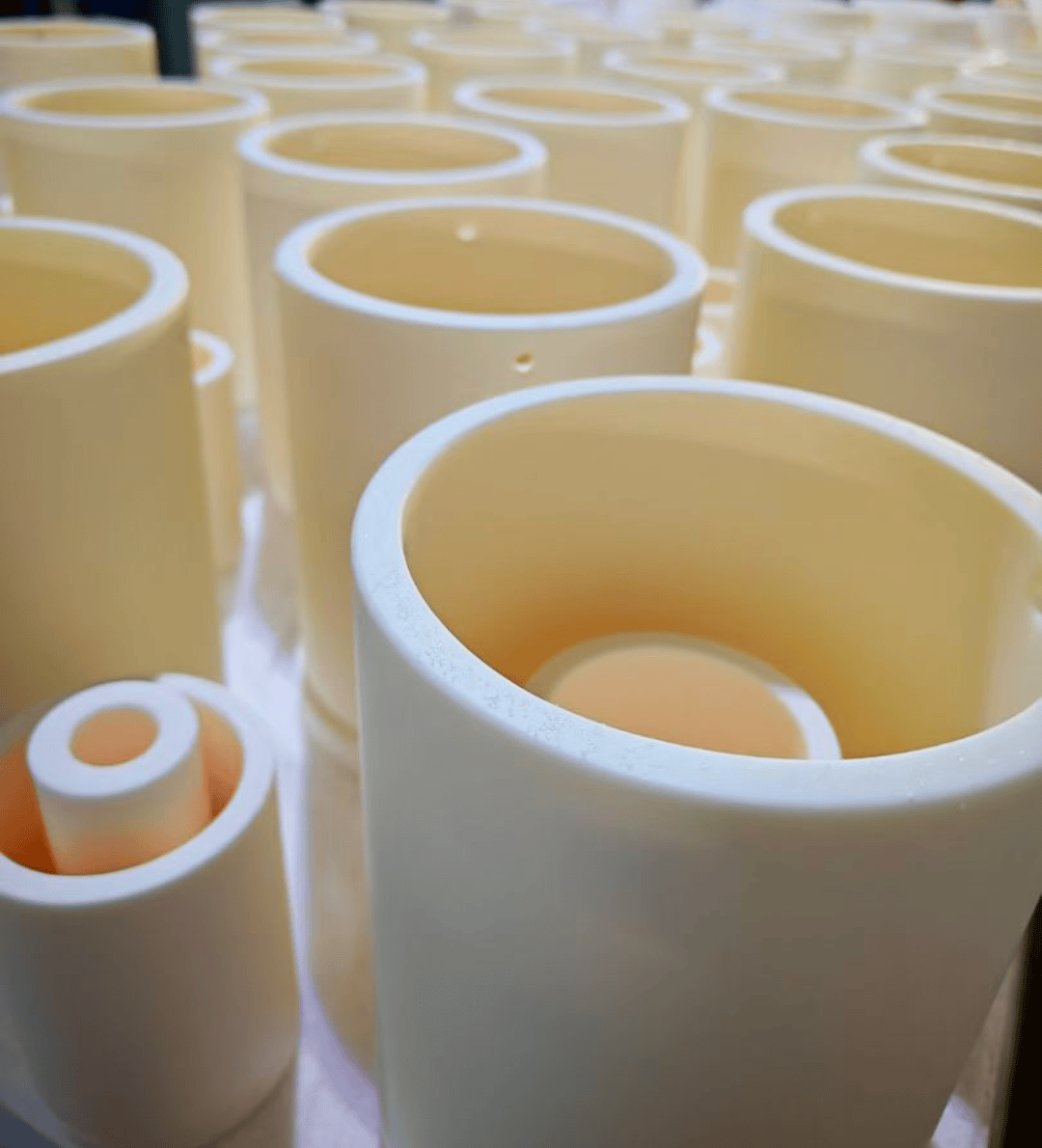
From silicon carbide, zirconia, alumina and silicon nitride components to project-specific technical ceramic selections, we support prototypes, low-volume runs and scalable production. Our platform includes ceramic injection molding, precision grinding, lapping, CNC ceramic machining and final dimensional inspection for parts built around real operating conditions.
What differentiates C-CERAMIC is continuity from the first drawing through contract manufacturing. Engineering, process selection and finishing are aligned around the same component requirements, helping OEM, R&D and procurement teams source pins, seals, plates, tubes, nozzles and other custom ceramic parts with a clear path to production.
Guide to Sourcing Technical Ceramic Components
Define the Component and Operating Duty
Start with the component’s job rather than its material name. Describe what the part contacts, supports, guides, insulates, seals or conveys, then record temperature, cycling, pressure, motion, load, wear, vibration, vacuum, atmosphere and chemical exposure as applicable. Identify whether contact is continuous, intermittent or transient. Include mating materials, lubrication, assembly method and any cleaning or handling conditions. A ceramic part can fail through edge damage, thermal shock, poor alignment, incompatible interfaces or an overlooked surface requirement even when the bulk material appears suitable. Mark the dimensions that control fit or function, distinguish reference dimensions from acceptance dimensions, and explain the consequence of failure. For fluid components, provide media composition, concentration, flow conditions and contamination concerns. For moving parts, explain contact pattern, speed and expected duty cycle. Quantity, annual demand, sample needs and production stage also matter because they influence forming and finishing choices. This information gives C-CERAMIC a basis to review material and process feasibility rather than quote an isolated shape.
Choose Materials and Compatible Interfaces
Compare ceramic families against the complete duty, not a single headline property. Silicon carbide, zirconia, alumina and silicon nitride may each be relevant in different combinations of wear, corrosion, thermal exposure, insulation, strength, surface interaction and geometry. The selected grade or formulation must still be confirmed for the actual component and process route. Review how the ceramic interfaces with metals, polymers, seals, fasteners, adhesives and other ceramics. Differences in expansion, stiffness, surface finish and assembly stress can create risk during heating, cooling or operation. Specify whether electrical behavior, thermal transfer, chemical contact or cleanliness is a design driver, while avoiding assumptions that a general material category provides a particular compliance guarantee. Ask the supplier to state what material designation, condition and traceability will appear in the quotation and inspection documentation. If the application is sensitive to contamination, define the acceptable handling and packaging requirements. A useful inquiry also explains why an existing material is being replaced and what failure mode must improve. C-CERAMIC can then compare candidate materials with forming, sintering, machining and inspection considerations in view.
Review Geometry and Manufacturing Routes
Ceramic geometry should be reviewed with the complete production sequence in mind. Forming may be appropriate for one shape and quantity, while CNC machining, grinding or lapping may be more practical for another. Ceramic injection molding can be considered for suitable repeat geometries, but tooling, shrinkage, wall sections, draft, support and post-sinter finishing need evaluation before release. Sintering can affect dimensions and shape, so the route should account for allowance, distortion risk, thin sections, sharp internal corners, holes, slots, threads and inaccessible surfaces. Mark features that require a specific datum relationship or surface condition, and identify edges where chipping would affect assembly or service. Avoid applying metal design assumptions without checking ceramic behavior. Ask for a manufacturability review that separates feasible requirements from features needing revision or conditional approval. Prototype or low-volume production may help resolve geometry and fit questions before tooling or broader production commitments. The quotation should identify the proposed route, any tooling or setup implications, expected finishing operations and which dimensions require special inspection. C-CERAMIC can assess these points from a drawing, model and quantity forecast, but the final route remains subject to project-level review.
Set Inspection and Acceptance Criteria
Inspection should be designed around function and risk, not added as a generic final step. Identify datums, critical dimensions, geometric relationships, surface finish, flatness, concentricity, runout, edge condition, visible defects and any material or process evidence required for release. Explain which characteristics affect assembly, sealing, motion, insulation, fluid contact or thermal performance. Check that each requirement is measurable with suitable access and that the drawing uses consistent definitions. For fired ceramics, dimensional review should consider forming, sintering and any post-sinter machining sequence. If grinding or lapping is important, define the functional surface and its acceptance condition instead of relying on an informal description such as smooth. Discuss sampling, first-article review, prototype learning and repeat-production checks according to project risk. Where a report is needed, state which dimensions and observations must be recorded; do not assume a supplier’s standard documentation covers every critical feature. Also define packaging and handling expectations when edges or surfaces are damage-sensitive. C-CERAMIC can review the inspection plan with the drawing and proposed route, then clarify what can be verified before quotation and what requires prototype or production evidence.
Compare Prototype and Production Quotations
Compare quotations by what is included in the route, not only by unit price. A prototype quotation may emphasize design review, temporary tooling, sample preparation, machining, inspection and learning, while a production quotation may include permanent tooling, forming, sintering, finishing, inspection and repeat supply assumptions. Ask each supplier to separate material, tooling, setup, sample, finishing, inspection, packaging and transport-related items where applicable. Confirm whether the quoted geometry is based on your drawing, a revised drawing or a supplier proposal. Check which tolerances, surfaces and documentation are included, and identify any conditional items that depend on feasibility review. Quantity should be stated by sample, pilot, batch and expected repeat demand because route economics can change with volume. Avoid treating an unverified lead time, capacity statement or material substitution as a commitment. Request clarification on change control, drawing revision, nonconforming parts and approval of any process adjustment. For technical ceramics, the lowest initial quotation may omit the finishing or inspection needed to make the part usable. C-CERAMIC can help organize an inquiry around material, geometry, route and acceptance evidence so alternatives are compared on equivalent technical scope.
Prepare a Complete RFQ and Qualification Plan
A strong RFQ gives the supplier enough information to identify risks before pricing. Include the latest drawing revision, 3D model where useful, material preference, application duty, mating components, quantity by project stage, target annual demand, prototype requirements, critical features, surface conditions, inspection expectations and packaging needs. State what is mandatory and what may be proposed as an alternative. Ask the supplier to describe the intended forming, sintering, machining, grinding, lapping and inspection sequence, including any points that remain conditional. Request clarification of tooling ownership, sample approval, revision control, nonconformance handling and the evidence supplied with released parts. Qualification should test the risks that matter: fit, alignment, sealing, wear interface, thermal cycling, chemical exposure, insulation or other application-specific functions. Do not convert a successful prototype into a production claim without defining repeatability and acceptance criteria. Confirm MOQ, lead time and production capacity directly because these details are not assumed here. C-CERAMIC can review an RFQ for material and process feasibility and help identify missing information, but final suitability depends on the documented project requirements and agreed validation plan.